
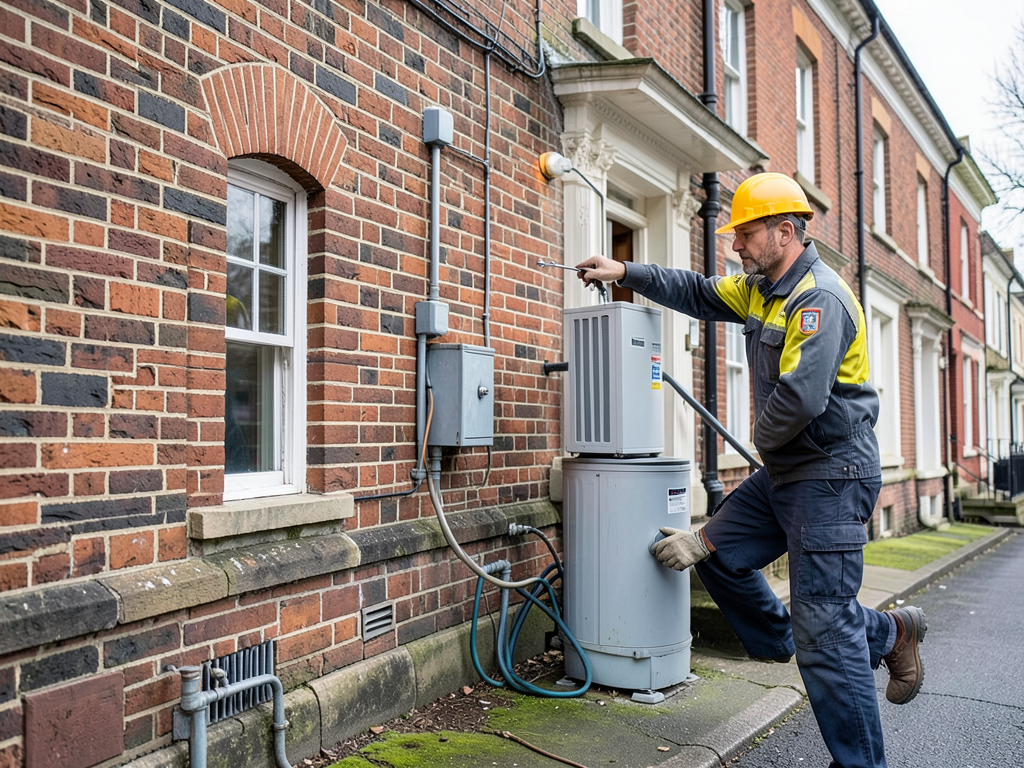
Comparing the Lifetime Cost of Gas Furnaces and Electric Heat Pumps in Woodland-Normanstone
The first question most Woodland-Normanstone homeowners ask is which heating system saves more money over the long haul. In 2026, the answer depends on more than just monthly utility bills. It hinges on installation costs, local energy rates, available rebates, and how well the equipment handles DC’s humid subtropical climate. This guide breaks down every cost factor so you can make the right choice for your home and budget. ENERGY STAR heat pump efficiency standards.
Upfront Installation Costs in the DC Metro
Gas furnaces in Woodland-Normanstone typically cost between $4,500 and $7,500 for a standard-efficiency unit. High-efficiency models with 95% AFUE ratings push the price closer to $9,000 once labor and code-required venting are included. Heat pumps, on the other hand, range from $6,000 to $12,000 depending on size and efficiency. Cold-climate models rated for DC’s occasional polar vortex dips can climb above $14,000. Fast Furnace Repair Services for Families in Chevy Chase DC.
Installation complexity drives much of the difference. Gas systems require proper venting and gas line connections, while heat pumps need adequate electrical service and outdoor clearance. Historic rowhouses in Woodland-Normanstone often need electrical panel upgrades to support a heat pump, adding $1,500 to $3,000 to the total.
Monthly Utility Costs: Pepco vs. Washington Gas
In 2026, Washington Gas charges approximately $1.50 per therm for natural gas delivery and usage in DC. A 100,000 BTU furnace running at 80% efficiency consumes about 1 therm per hour of operation. At current rates, that’s roughly $1.50 per hour of heating. The Best Heating and Cooling Solutions for Adams Morgan Condos.
Pepco’s residential electric rate averages 14.5 cents per kilowatt-hour. A high-efficiency heat pump with a Heating Seasonal Performance Factor (HSPF2) of 9.0 delivers about 3.5 units of heat per unit of electricity. That translates to roughly $0.04 per hour of heating under typical conditions.
DC’s humid summers and cold winters mean heat pumps run longer than furnaces, but their higher efficiency often offsets the extra runtime. In Woodland-Normanstone, where homes tend to be older and less insulated, actual savings depend heavily on home envelope improvements.
Efficiency Ratings Explained: AFUE vs. HSPF2 in the Mid-Atlantic Climate
Annual Fuel Utilization Efficiency (AFUE) measures how much of the fuel a gas furnace converts to heat. A 95% AFUE furnace wastes only 5% of its fuel, while an 80% model wastes 20%. In DC’s climate zone 4, the difference can mean $200 to $400 in annual gas savings.
Heating Seasonal Performance Factor 2 (HSPF2) rates heat pump efficiency over an entire heating season. Higher HSPF2 means lower electricity use. In Woodland-Normanstone, where winter lows occasionally hit 20°F, cold-climate heat pumps maintain efficiency down to about 5°F before relying on backup heat.
DC’s humidity also affects performance. Heat pumps excel at dehumidification, reducing the “swamp effect” common in older DC homes. This can improve comfort and lower cooling costs in summer, an often-overlooked factor in cost comparisons.
Local Incentives: DCSEU Rebates and Federal Tax Credits (Inflation Reduction Act)
The DC Sustainable Energy Utility (DCSEU) offers rebates up to $1,500 for high-efficiency gas furnaces and up to $2,000 for heat pumps. These rebates apply only to equipment meeting specific efficiency thresholds and are available through participating contractors.
The federal 25C tax credit from the Inflation Reduction Act covers 30% of the cost of qualified heat pumps, up to $2,000. For gas furnaces, the credit is smaller and capped at $600. These credits reduce your tax bill, not your upfront cost, so timing matters.
Woodland-Normanstone homeowners in historic districts should also check for additional local incentives through the DC Green Bank or utility-sponsored energy efficiency programs. These can further narrow the cost gap between gas and electric systems.
Long-Term Value: Maintenance, Lifespan, and ROI
Gas furnaces typically last 15 to 20 years with annual maintenance. Heat pumps, running year-round for both heating and cooling, often need replacement after 12 to 15 years. In DC’s climate, heat pumps may require more frequent service due to constant cycling. Short Cycling.
Annual maintenance for a gas furnace costs $100 to $200. Heat pumps cost $150 to $300 because both indoor and outdoor coils need cleaning and refrigerant levels must be checked. Over 15 years, that’s $1,500 to $3,000 for a furnace versus $2,250 to $4,500 for a heat pump.
Energy price volatility also affects lifetime cost. Natural gas prices can spike during extreme cold snaps, while electricity rates rise more gradually. Over a 15-year span, the total cost difference between systems often narrows to a few hundred dollars when factoring in rebates and maintenance.
Which is Right for Your DC Home? (Decision Matrix)
| Home Factor | Gas Furnace Better | Heat Pump Better |
|---|---|---|
| Existing gas line | Yes | No |
| Historic rowhouse | Maybe (vent constraints) | Maybe (electrical upgrade) |
| Desire for AC | No | Yes |
| Carbon footprint priority | No | Yes |
| Budget for upfront cost | Lower | Higher |
In Woodland-Normanstone, the decision often comes down to whether your home already has gas service and how much you value year-round cooling. Heat pumps offer the convenience of one system for both seasons, while gas furnaces provide reliable heat even during power outages. Finding Reliable Emergency AC Repair in Capitol Hill DC During a Heatwave.
Climate and Building Considerations for Woodland-Normanstone
Woodland-Normanstone sits in DC’s humid subtropical climate zone, where summer dew points often exceed 70°F. This high moisture content stresses cooling equipment and can lead to mold growth in poorly ventilated homes. Heat pumps handle this better than gas furnaces because they remove moisture while heating.
The neighborhood’s mix of early 20th-century single-family homes and newer infill construction means insulation levels vary widely. Older homes with balloon framing and minimal wall insulation lose more heat, making high-efficiency equipment more cost-effective.
DC’s Title 10 Energy Code requires new HVAC installations to meet minimum efficiency standards. In Woodland-Normanstone, this often means upgrading ductwork or adding return air pathways when replacing old systems, which can add $1,000 to $2,500 to the project.
Environmental Impact and Future-Proofing
DC’s Clean Energy DC Omnibus Amendment Act of 2018 mandates an 80% reduction in greenhouse gas emissions by 2050. Gas furnaces emit carbon dioxide directly, while heat pumps can run on increasingly clean electricity. Choosing a heat pump now aligns with future regulations and potential carbon taxes.
Heat pumps also integrate easily with solar panels. Woodland-Normanstone homeowners with rooftop solar can offset most or all of their heating electricity use, something not possible with gas. This creates long-term energy independence and protection against rate hikes.
Gas infrastructure in older DC neighborhoods is aging. Washington Gas has ongoing replacement programs for cast-iron mains, but service disruptions can leave homes without heat during winter. Electric heat pumps avoid this risk entirely.
Installation Best Practices for DC Homes
Proper sizing is critical. Oversized furnaces short cycle, wasting fuel and causing temperature swings. Undersized heat pumps struggle on cold mornings. A Manual J load calculation, required by DC code, ensures the right size for your home’s actual heat loss. How to Choose the Right Air Conditioning Replacement for Your Foggy Bottom Townhouse.
In Woodland-Normanstone, outdoor unit placement must comply with DC Historic Preservation Office guidelines. Condensers cannot block sight lines or protrude above rooflines on contributing structures. This sometimes means installing units in side yards or using low-profile designs.
Indoor air quality matters in DC’s urban environment. Heat pumps with high-efficiency filters remove more particulates than basic gas furnaces. For homes near Rock Creek Park or busy corridors, this can reduce allergens and improve respiratory health.
Maintenance Tips to Protect Your Investment
Gas furnaces need annual inspection of the heat exchanger for cracks, a safety issue that can leak carbon monoxide. Heat pumps require coil cleaning and refrigerant charge checks. Both benefit from programmable thermostats to optimize run times and reduce wear.
In Woodland-Normanstone’s freeze-thaw climate, condensate drains can freeze in winter. Heat pumps need freeze protection to prevent ice buildup on outdoor coils. Gas furnaces have fewer freeze concerns but require proper venting to prevent backdrafting.
Smart thermostats can cut heating costs by 10% to 15% by learning your schedule and adjusting temperatures automatically. Many qualify for utility rebates, further improving ROI.
Final Cost Comparison Summary
| Cost Factor | Gas Furnace | Heat Pump |
|---|---|---|
| Upfront Cost | $4,500-$9,000 | $6,000-$14,000 |
| Annual Energy Cost | $800-$1,200 | $600-$1,000 |
| Annual Maintenance | $100-$200 | $150-$300 |
| Rebates/Credits | $500 max | $2,000+ possible |
| Lifespan | 15-20 years | 12-15 years |
The numbers show heat pumps often cost more upfront but save on energy and qualify for larger incentives. Over 15 years, the total cost difference can be minimal, especially when accounting for cooling savings in summer.
Frequently Asked Questions
Is a heat pump worth it in DC’s cold winters?
Yes, modern cold-climate heat pumps maintain efficiency down to about 5°F. In Woodland-Normanstone, they handle typical winter lows with occasional backup heat from electric strips or a small gas furnace.
Do I need to replace my electrical panel for a heat pump?
Many Woodland-Normanstone homes built before 1980 have 100-amp service. A heat pump may require upgrading to 200 amps, adding $1,500 to $3,000 to the project cost.
Can I keep my gas furnace and add a heat pump?
Yes, a dual-fuel system switches between gas and electric based on outdoor temperature. This maximizes efficiency and provides backup if one system fails.
How long does installation take?
Most replacements take one to two days. Complex electrical or venting changes can extend the timeline to three days.
Are there any DC-specific rebates for heat pumps?
The DCSEU offers up to $2,000 for qualifying heat pumps installed by participating contractors. Federal tax credits can add another $2,000.
Next Steps for Woodland-Normanstone Homeowners
Choosing between a gas furnace and a heat pump is a significant decision that affects comfort, utility bills, and your home’s carbon footprint for the next 15 years. The best way to determine the right system is a professional load calculation and site inspection. A qualified HVAC contractor can assess your home’s insulation, electrical service, and existing ductwork to recommend the most cost-effective solution.
Woodland-Normanstone’s unique mix of historic and modern homes means no one-size-fits-all answer. But with current rebates and the push toward electrification, many homeowners find heat pumps offer the best long-term value. Others prefer the reliability and lower upfront cost of a high-efficiency gas furnace.
Ready to get a detailed quote for your home? Call (771) 218-6322 today to schedule your inspection. Our team knows Woodland-Normanstone’s specific building codes, climate challenges, and rebate programs. We’ll help you compare the real costs and choose the system that fits your budget and comfort needs.
Don’t wait until winter to find out your old furnace can’t keep up. Pick up the phone and call (771) 218-6322 before the next cold snap hits. We’re here to help Woodland-Normanstone homeowners stay warm, save money, and breathe easier.
Additional Resources
Want to learn more about HVAC options in DC? Check out our guides on emergency AC repair in Capitol Hill and choosing the right AC replacement for Foggy Bottom townhouses. Each neighborhood has its own quirks, and we’ve got the local expertise to handle them all. For more information, visit U.S. Energy Information Administration.
{
“@context”: “https://schema.org”,
“@type”: “BlogPosting”,
“headline”: “Comparing the Lifetime Cost of Gas Furnaces and Electric Heat Pumps in Woodland-Normanstone”,
“description”: “See the real cost breakdown of gas furnaces vs electric heat pumps in Woodland-Normanstone DC. Compare upfront prices, utility rates, rebates, and ROI for 2026.”,
“wordCount”: 1857,
“datePublished”: “2026-06-10T09:20:00.000Z”,
“dateModified”: “2026-06-10T09:20:00.000Z”,
“inLanguage”: “en-US”,
“mainEntityOfPage”: {
“@type”: “WebPage”,
“@id”: “https://patriothvacwashingtondc.com”
},
“publisher”: {
“@type”: “LocalBusiness”,
“name”: “Patriot HVAC Washington DC”,
“url”: “https://patriothvacwashingtondc.com”
},
“author”: {
“@type”: “Organization”,
“name”: “Patriot HVAC Washington DC”,
“url”: “https://patriothvacwashingtondc.com”
},
“image”: {
“@type”: “ImageObject”,
“url”: “https://patriothvacwashingtondc.com/wp-content/uploads/2026/03/comparing-the-lifetime-cost-of-gas-furnaces-and-el-1.png”
}
}
{
“@context”: “https://schema.org”,
“@type”: “HVACBusiness”,
“name”: “Patriot HVAC Washington DC”,
“url”: “https://patriothvacwashingtondc.com”,
“address”: {
“@type”: “PostalAddress”,
“addressLocality”: “Washington DC”
},
“areaServed”: {
“@type”: “City”,
“name”: “Washington DC”
}
}
{
“@context”: “https://schema.org”,
“@type”: “FAQPage”,
“mainEntity”: [
{
“@type”: “Question”,
“name”: “Is a heat pump worth it in DC’s cold winters?”,
“acceptedAnswer”: {
“@type”: “Answer”,
“text”: “Yes, modern cold-climate heat pumps maintain efficiency down to about 5°F. In Woodland-Normanstone, they handle typical winter lows with occasional backup heat from electric strips or a small gas furnace.”
}
},
{
“@type”: “Question”,
“name”: “Do I need to replace my electrical panel for a heat pump?”,
“acceptedAnswer”: {
“@type”: “Answer”,
“text”: “Many Woodland-Normanstone homes built before 1980 have 100-amp service. A heat pump may require upgrading to 200 amps, adding $1,500 to $3,000 to the project cost.”
}
},
{
“@type”: “Question”,
“name”: “Can I keep my gas furnace and add a heat pump?”,
“acceptedAnswer”: {
“@type”: “Answer”,
“text”: “Yes, a dual-fuel system switches between gas and electric based on outdoor temperature. This maximizes efficiency and provides backup if one system fails.”
}
},
{
“@type”: “Question”,
“name”: “How long does installation take?”,
“acceptedAnswer”: {
“@type”: “Answer”,
“text”: “Most replacements take one to two days. Complex electrical or venting changes can extend the timeline to three days.”
}
},
{
“@type”: “Question”,
“name”: “Are there any DC-specific rebates for heat pumps?”,
“acceptedAnswer”: {
“@type”: “Answer”,
“text”: “The DCSEU offers up to $2,000 for qualifying heat pumps installed by participating contractors. Federal tax credits can add another $2,000.”
}
}
]
}
{
“@context”: “https://schema.org”,
“@type”: “BreadcrumbList”,
“itemListElement”: [
{
“@type”: “ListItem”,
“position”: 1,
“name”: “Home”,
“item”: “https://patriothvacwashingtondc.com”
},
{
“@type”: “ListItem”,
“position”: 2,
“name”: “Blog”,
“item”: “https://patriothvacwashingtondc.com/blog”
},
{
“@type”: “ListItem”,
“position”: 3,
“name”: “Comparing the Lifetime Cost of Gas Furnaces and Electric Heat Pumps in Woodland-Normanstone”
}
]
}
{
“@context”: “https://schema.org”,
“@type”: “Service”,
“serviceType”: “HVAC”,
“provider”: {
“@type”: “LocalBusiness”,
“name”: “Patriot HVAC Washington DC”,
“url”: “https://patriothvacwashingtondc.com”
},
“areaServed”: {
“@type”: “City”,
“name”: “Washington DC”
},
“description”: “See the real cost breakdown of gas furnaces vs electric heat pumps in Woodland-Normanstone DC. Compare upfront prices, utility rates, rebates, and ROI for 2026.”
}