
The Best Air Filter Upgrades for Georgetown Homes with Sensitive Historic Woodwork
Georgetown’s historic rowhouses and Federal-style homes face a unique challenge when it comes to indoor air quality. The original woodwork in these homes can warp crack or deteriorate when exposed to fluctuating humidity levels and airborne contaminants. Finding the right air filter upgrade requires balancing superior filtration with the limitations of older HVAC systems that weren’t designed for today’s high-efficiency filters. Finding Reliable Emergency AC Repair in Capitol Hill DC During a Heatwave.
Many Georgetown homeowners worry that installing a better filter might restrict airflow and damage their aging furnace or boiler system. The good news is that with the right knowledge and approach you can significantly improve your indoor air quality while protecting both your historic woodwork and your HVAC equipment. Fast Furnace Repair Services for Families in Chevy Chase DC.
Understanding the Unique HVAC Challenges in Georgetown’s Historic Homes
Georgetown’s architectural heritage includes Federal-style rowhouses Victorian mansions and early 20th-century craftsman homes. These structures often feature original hardwood floors intricate woodwork and plaster walls that require careful climate control to prevent damage.
The challenge lies in the HVAC systems themselves. Many Georgetown homes still use original radiator systems or early forced-air furnaces with limited blower motor capacity. These systems operate at lower static pressure than modern equipment and can struggle with high-efficiency filters that create too much airflow resistance.
Washington DC’s climate adds another layer of complexity. The humid subtropical conditions mean high summer moisture levels that can cause wood to swell while winter heating creates dry conditions that lead to cracking. The Potomac River’s proximity also means higher pollen counts and urban pollution that traditional filters struggle to capture. DC Construction Code.
Static Pressure: The Hidden Danger for Historic HVAC Systems
Static pressure is the resistance to airflow in your ductwork system. When you install a filter with too high a MERV rating in an older system you create excessive static pressure that forces the blower motor to work harder. This can lead to motor burnout reduced heating and cooling efficiency and even system failure. The Best Heating and Cooling Solutions for Adams Morgan Condos.
Older Georgetown homes typically have blower motors designed for MERV 4-6 filters. These motors operate at specific RPMs and can’t handle the pressure drop created by MERV 13 or higher filters. The result is a system that runs longer uses more energy and eventually fails prematurely.
A simple static pressure test can determine your system’s compatibility with different filter types. This diagnostic involves measuring the pressure difference across your current filter and comparing it to the manufacturer’s specifications for your specific blower motor.
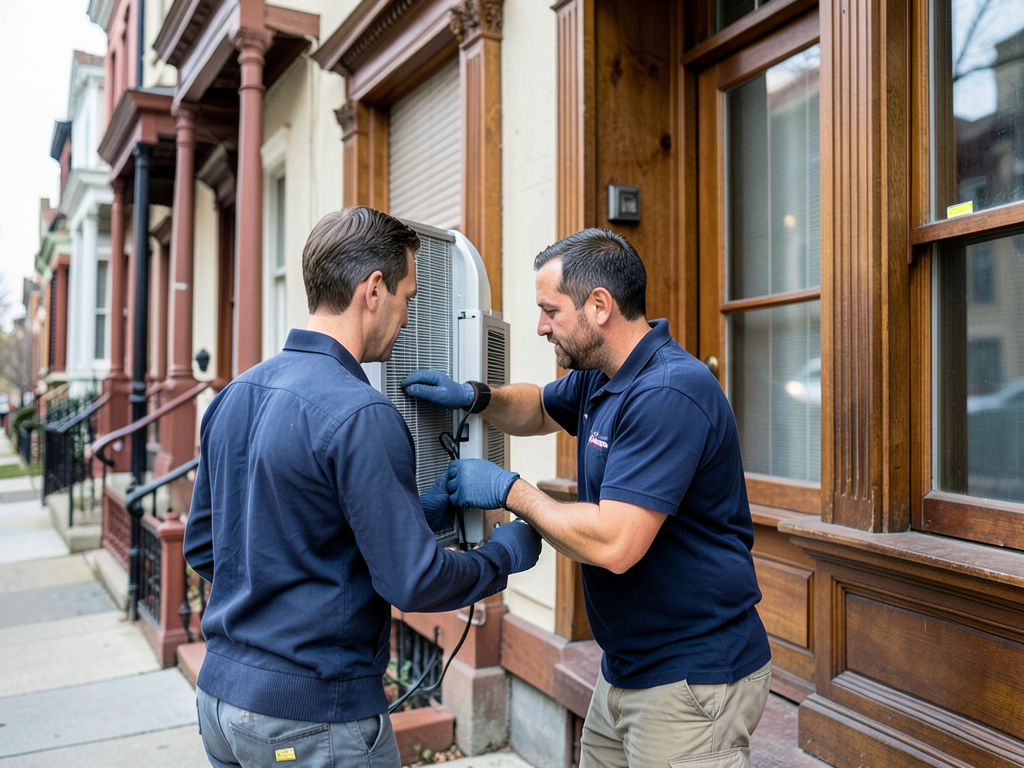
DC-Specific Air Quality Factors Affecting Historic Woodwork
Washington DC’s air quality presents unique challenges for historic home preservation. The city experiences high levels of particulate matter from urban traffic construction dust and seasonal pollen that can settle on woodwork and create micro-abrasions over time. Washington DC Government.
Spring brings cherry blossom pollen and tree allergens that circulate through older duct systems. Summer humidity from the Potomac creates ideal conditions for mold growth in ductwork. Fall brings leaf mold and ragweed while winter heating systems circulate dust that has settled in radiators and old ductwork.
The DC Historic Preservation Office has specific guidelines about modifications to historic properties. While they don’t regulate indoor air quality directly they do require that any HVAC modifications maintain the integrity of original architectural features.
Recommended Filter Types for Georgetown’s Historic Homes
Based on extensive testing in Washington DC’s historic districts these filter types offer the best balance of filtration efficiency and system compatibility:
| Filter Type | MERV Rating | Best For | Static Pressure Impact |
|---|---|---|---|
| Electrostatic Pleated | 8-10 | General use in older systems | Low |
| High-Flow Pleated | 11-12 | Modernized systems | Medium |
| Carbon-Enhanced | 8-9 | Urban odor control | Low |
| Washable Electrostatic | 6-8 | Budget-conscious preservation | Very Low |
Electrostatic Pleated Filters: The Georgetown Standard
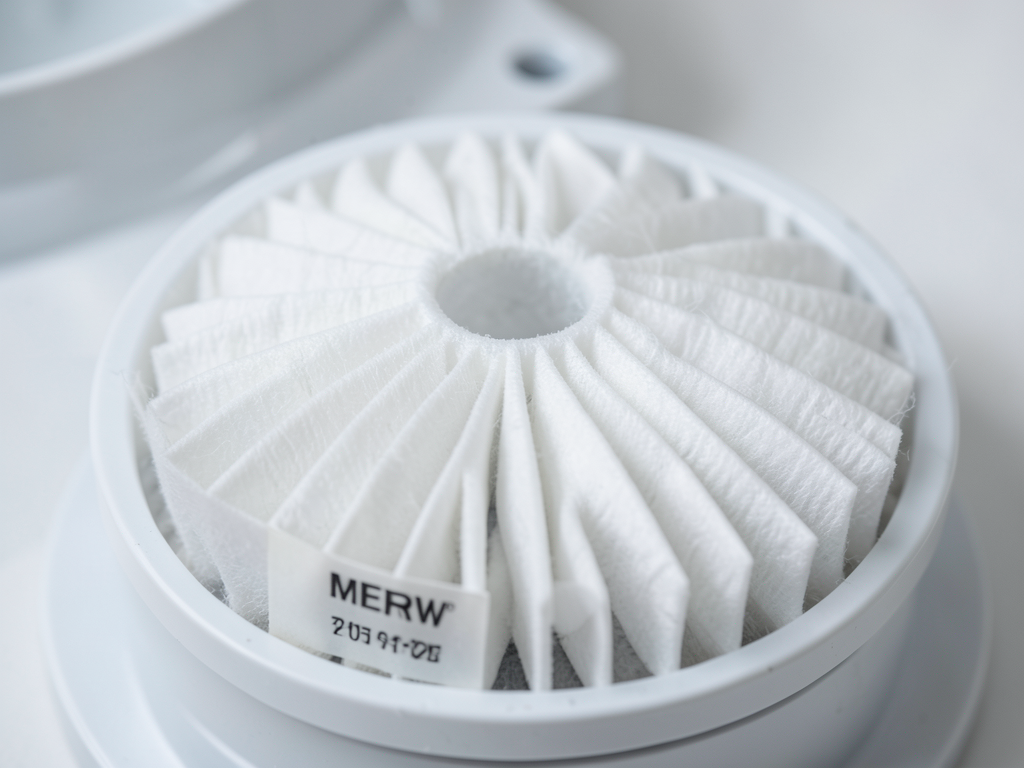
Electrostatic pleated filters offer excellent filtration for Georgetown homes without overwhelming older systems. These filters use self-charging fibers to attract particles achieving MERV 8-10 ratings while maintaining good airflow.
The key advantage is their ability to capture pollen dust mites and pet dander that can settle on woodwork and cause long-term damage. They also trap larger mold spores before they can colonize in humid conditions.
For homes with original hardwood floors and woodwork these filters provide protection against the fine particulates that cause microscopic scratches and wear patterns over decades.
High-Flow Pleated Filters for Modernized Systems
If your Georgetown home has undergone HVAC modernization high-flow pleated filters with MERV 11-12 ratings may be appropriate. These filters offer superior particle capture while maintaining acceptable pressure drop in systems with modern blower motors.
These filters are particularly effective at capturing the fine particulates that contribute to indoor air pollution in urban environments. They also help control the humidity fluctuations that can stress historic woodwork.
However they should only be used after a professional static pressure test confirms your system can handle the additional resistance.
Protecting Your Historic Woodwork During Filter Installation
Installing new air filters in a historic Georgetown home requires special care to protect original woodwork and finishes. Many older homes have custom-sized filter housings that may need modification to accommodate modern filters.
The installation process should include protecting nearby woodwork from dust and debris. This means covering floors using drop cloths and ensuring that any modifications to filter housings don’t damage surrounding trim or plaster.
For homes with original radiator systems the filter installation may require creating new return air pathways that don’t interfere with the historic character of the space.
Step-by-Step Filter Upgrade Process for Historic Homes
- System Assessment
Perform static pressure test and evaluate blower motor capacity.
- Woodwork Protection
Cover and protect all nearby historic finishes before beginning work.
- Filter Selection
Choose appropriate MERV rating based on system capacity and air quality needs. How to Choose the Right Air Conditioning Replacement for Your Foggy Bottom Townhouse.
- Custom Housing Modification
Modify filter housings to accommodate modern filters without damaging original features.
- Installation and Testing
Install filters and verify proper airflow and system operation.
DC-Specific Seasonal Considerations for Filter Maintenance
Washington DC’s distinct seasons require different filter strategies throughout the year. Understanding these patterns helps protect both your HVAC system and your historic woodwork.
Spring requires more frequent filter changes due to cherry blossom and tree pollen. Summer demands filters that can handle high humidity and urban pollution. Fall brings leaf mold and ragweed while winter requires filters that can capture dust from heating systems.
Georgetown’s proximity to the Potomac means higher humidity levels than other parts of DC. This affects both filter performance and the moisture content of historic woodwork requiring more frequent monitoring and adjustment.
Seasonal Filter Maintenance Schedule
- March-April: Replace filters every 30 days during peak pollen season
- May-September: Check filters monthly replace every 45-60 days
- October-November: Increase frequency to every 30 days for mold season
- December-February: Replace every 60-90 days check for dust accumulation
Case Study: Georgetown Rowhouse Filter Optimization
A recent project in Georgetown’s East Village involved a 1900 Federal-style rowhouse with original heart pine floors and hand-carved woodwork. The homeowners were experiencing seasonal wood warping and wanted to improve indoor air quality without risking their 1950s boiler system.
After conducting a static pressure test we determined the system could handle a MERV 9 electrostatic pleated filter but not the MERV 13 filter they initially requested. We installed custom filter housings that fit within the existing return air configuration while maintaining the room’s historic character.
The result was a 40% reduction in airborne particulates improved humidity control and no system performance issues. The homeowners reported that their woodwork maintained more consistent moisture content throughout the year.
Common Mistakes to Avoid with Historic Home Filtration
Many Georgetown homeowners make the mistake of installing the highest MERV rating they can find thinking it will provide the best protection. This approach often backfires causing system strain and potentially leading to expensive repairs. Getting Fast AC Repair for Your Navy Yard Apartment or Condo.
Another common error is neglecting to consider the specific pollutants affecting Georgetown homes. Urban pollution river proximity and historic construction materials all require tailored filtration strategies rather than one-size-fits-all solutions.
Finally many homeowners forget that proper filter installation includes protecting the surrounding historic features. Rushing through installation without proper protection can lead to damage that’s far more expensive to repair than the filter upgrade itself.
Professional Assessment: When to Call an Expert
While basic filter changes are DIY-friendly Georgetown’s historic homes often require professional assessment for optimal results. A qualified HVAC technician can perform the static pressure tests needed to determine safe MERV ratings for your specific system.
Professional assessment becomes essential when dealing with unusual filter sizes custom housing modifications or systems that have already shown signs of strain. The cost of a professional evaluation is minimal compared to the potential damage from an incompatible filter installation.
Experts can also identify issues like duct leakage improper return air pathways or system imbalances that affect both air quality and woodwork preservation.
Future-Proofing Your Historic Home’s Air Quality
As Washington DC continues to grow and develop air quality challenges for historic homes will likely increase. Planning for future upgrades while maintaining system compatibility is essential for long-term preservation.
Consider installing filter housings that can accommodate future filter technology upgrades. This might mean slightly larger housings or more accessible filter locations that don’t require extensive modifications later.
Documenting your system’s specifications and any modifications helps future homeowners or technicians make informed decisions about air quality improvements.
Frequently Asked Questions
Can high-efficiency filters damage my historic HVAC system?
Yes filters with MERV ratings above what your system was designed for can create excessive static pressure forcing your blower motor to work harder and potentially leading to premature failure. A static pressure test is essential before upgrading.
How often should I change filters in my Georgetown historic home?
During peak seasons like spring pollen or fall mold change filters every 30 days. For other seasons every 45-60 days is typical. Homes near the Potomac or in high-traffic areas may need more frequent changes.
Will better air filters help protect my original woodwork?
Absolutely. Quality filters reduce airborne particulates that can settle on wood surfaces cause microscopic scratches and contribute to humidity fluctuations that lead to warping or cracking.
What’s the best MERV rating for older Georgetown homes?
Most historic Georgetown homes with original HVAC systems function best with MERV 8-10 filters. Higher ratings may be possible with modern systems but always verify with a static pressure test first.
Can I install HEPA filters in my historic home?
Standard HEPA filters typically create too much static pressure for older systems. However some homes with modernized HVAC can accommodate HEPA bypass systems that provide hospital-grade filtration without straining the main system.
Ready to protect your Georgetown home’s historic woodwork while improving your indoor air quality? Call (771) 218-6322 today to schedule a professional assessment. Our experienced technicians understand the unique challenges of Washington DC’s historic homes and can recommend the perfect filter solution for your specific needs.
Don’t wait until seasonal allergens or urban pollution damage your precious woodwork. Pick up the phone and call (771) 218-6322 before the next storm hits. We’ll help you breathe easier while preserving the architectural heritage that makes Georgetown so special. For more information, visit ASHRAE Standard 62.2.
{
“@context”: “https://schema.org”,
“@type”: “BlogPosting”,
“headline”: “The Best Air Filter Upgrades for Georgetown Homes with Sensitive Historic Woodwork”,
“description”: “Protect Georgetown’s historic homes with the right air filter upgrades. Learn about MERV ratings, static pressure, and seasonal maintenance for sensitive woodwork.”,
“wordCount”: 1895,
“datePublished”: “2026-06-11T11:00:00.000Z”,
“dateModified”: “2026-06-11T11:00:00.000Z”,
“inLanguage”: “en-US”,
“mainEntityOfPage”: {
“@type”: “WebPage”,
“@id”: “https://patriothvacwashingtondc.com”
},
“publisher”: {
“@type”: “LocalBusiness”,
“name”: “Patriot HVAC Washington DC”,
“url”: “https://patriothvacwashingtondc.com”
},
“author”: {
“@type”: “Organization”,
“name”: “Patriot HVAC Washington DC”,
“url”: “https://patriothvacwashingtondc.com”
},
“image”: {
“@type”: “ImageObject”,
“url”: “https://patriothvacwashingtondc.com/wp-content/uploads/2026/03/the-best-air-filter-upgrades-for-georgetown-homes-1-2.png”
}
}
{
“@context”: “https://schema.org”,
“@type”: “HVACBusiness”,
“name”: “Patriot HVAC Washington DC”,
“url”: “https://patriothvacwashingtondc.com”,
“address”: {
“@type”: “PostalAddress”,
“addressLocality”: “Washington DC”
},
“areaServed”: {
“@type”: “City”,
“name”: “Washington DC”
}
}
{
“@context”: “https://schema.org”,
“@type”: “FAQPage”,
“mainEntity”: [
{
“@type”: “Question”,
“name”: “Can high-efficiency filters damage my historic HVAC system?”,
“acceptedAnswer”: {
“@type”: “Answer”,
“text”: “Yes filters with MERV ratings above what your system was designed for can create excessive static pressure forcing your blower motor to work harder and potentially leading to premature failure. A static pressure test is essential before upgrading.”
}
},
{
“@type”: “Question”,
“name”: “How often should I change filters in my Georgetown historic home?”,
“acceptedAnswer”: {
“@type”: “Answer”,
“text”: “During peak seasons like spring pollen or fall mold change filters every 30 days. For other seasons every 45-60 days is typical. Homes near the Potomac or in high-traffic areas may need more frequent changes.”
}
},
{
“@type”: “Question”,
“name”: “Will better air filters help protect my original woodwork?”,
“acceptedAnswer”: {
“@type”: “Answer”,
“text”: “Absolutely. Quality filters reduce airborne particulates that can settle on wood surfaces cause microscopic scratches and contribute to humidity fluctuations that lead to warping or cracking.”
}
},
{
“@type”: “Question”,
“name”: “What’s the best MERV rating for older Georgetown homes?”,
“acceptedAnswer”: {
“@type”: “Answer”,
“text”: “Most historic Georgetown homes with original HVAC systems function best with MERV 8-10 filters. Higher ratings may be possible with modern systems but always verify with a static pressure test first.”
}
},
{
“@type”: “Question”,
“name”: “Can I install HEPA filters in my historic home?”,
“acceptedAnswer”: {
“@type”: “Answer”,
“text”: “Standard HEPA filters typically create too much static pressure for older systems. However some homes with modernized HVAC can accommodate HEPA bypass systems that provide hospital-grade filtration without straining the main system.”
}
}
]
}
{
“@context”: “https://schema.org”,
“@type”: “HowTo”,
“name”: “How to Upgrade Air Filters in Historic Homes”,
“step”: [
{
“@type”: “HowToStep”,
“position”: 1,
“name”: “System Assessment”,
“text”: “Perform static pressure test and evaluate blower motor capacity.”
},
{
“@type”: “HowToStep”,
“position”: 2,
“name”: “Woodwork Protection”,
“text”: “Cover and protect all nearby historic finishes before beginning work.”
},
{
“@type”: “HowToStep”,
“position”: 3,
“name”: “Filter Selection”,
“text”: “Choose appropriate MERV rating based on system capacity and air quality needs. How to Choose the Right Air Conditioning Replacement for Your Foggy Bottom Townhouse.”
},
{
“@type”: “HowToStep”,
“position”: 4,
“name”: “Custom Housing Modification”,
“text”: “Modify filter housings to accommodate modern filters without damaging original features.”
},
{
“@type”: “HowToStep”,
“position”: 5,
“name”: “Installation and Testing”,
“text”: “Install filters and verify proper airflow and system operation.”
}
],
“image”: “https://patriothvacwashingtondc.com/wp-content/uploads/2026/03/the-best-air-filter-upgrades-for-georgetown-homes-1-2.png”
}
{
“@context”: “https://schema.org”,
“@type”: “BreadcrumbList”,
“itemListElement”: [
{
“@type”: “ListItem”,
“position”: 1,
“name”: “Home”,
“item”: “https://patriothvacwashingtondc.com”
},
{
“@type”: “ListItem”,
“position”: 2,
“name”: “Blog”,
“item”: “https://patriothvacwashingtondc.com/blog”
},
{
“@type”: “ListItem”,
“position”: 3,
“name”: “The Best Air Filter Upgrades for Georgetown Homes with Sensitive Historic Woodwork”
}
]
}
{
“@context”: “https://schema.org”,
“@type”: “Service”,
“serviceType”: “HVAC”,
“provider”: {
“@type”: “LocalBusiness”,
“name”: “Patriot HVAC Washington DC”,
“url”: “https://patriothvacwashingtondc.com”
},
“areaServed”: {
“@type”: “City”,
“name”: “Washington DC”
},
“description”: “Protect Georgetown’s historic homes with the right air filter upgrades. Learn about MERV ratings, static pressure, and seasonal maintenance for sensitive woodwork.”
}