
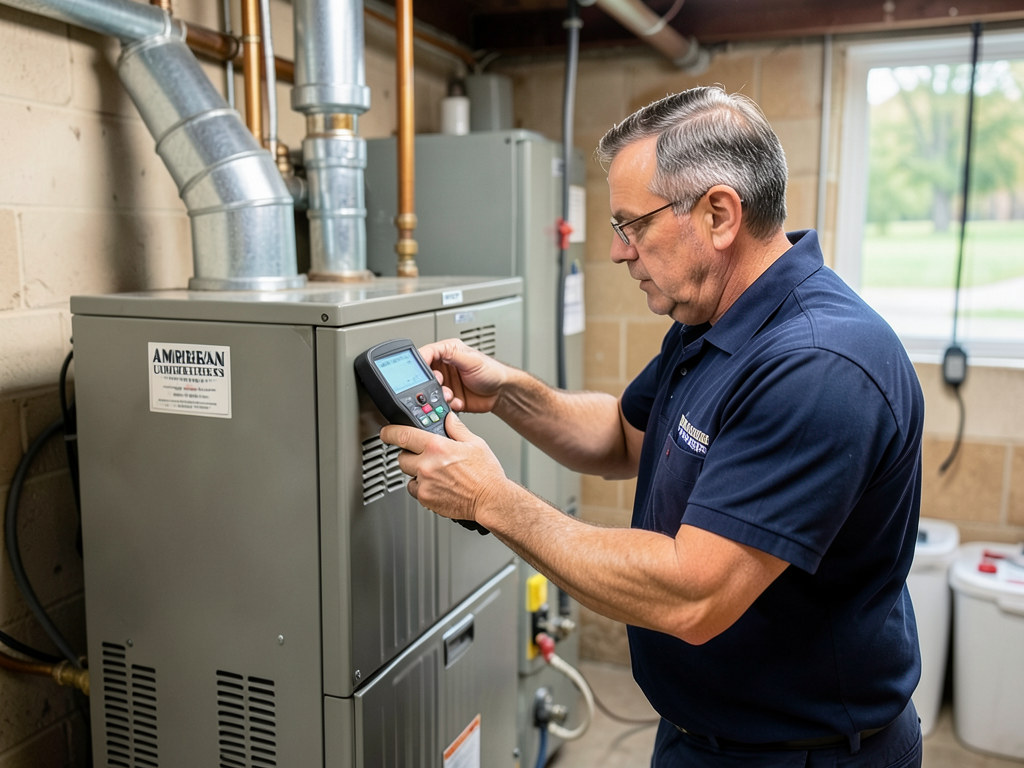
Why your American University Park home needs a carbon monoxide detector near the furnace
Carbon monoxide is an invisible odorless killer that claims hundreds of lives each year. In American University Park homes with aging furnaces the risk is real. This guide covers what you need to know to keep your family safe. Fast Furnace Repair Services for Families in Chevy Chase DC.
How carbon monoxide forms in your home
Carbon monoxide forms when fuels like natural gas oil or propane burn incompletely. In your furnace this happens when the heat exchanger cracks or the flue pipe gets blocked. The gas then leaks into your living space instead of venting outside.
Common symptoms of carbon monoxide poisoning
CO poisoning symptoms mimic the flu without fever. You might experience headache dizziness nausea confusion or weakness. If multiple people in your home feel sick at the same time and feel better after leaving the house that is a red flag. UL 2034 safety standards.
Why older AU Park homes are at higher risk
Many American University Park homes were built in the 1930s and 1940s with original heating systems still in place. These older furnaces have metal heat exchangers that can crack from years of expansion and contraction. The historic brick construction also means chimneys may lack proper liners increasing backdraft risk. The Best Heating and Cooling Solutions for Adams Morgan Condos.
DC building codes require CO detectors
According to the 2023 DC Construction Code every home with a fuel-burning appliance must have a CO detector on every level including the basement. Detectors must be installed within 15 feet of sleeping areas and near the furnace in basements or utility rooms. The code follows International Residential Code Section R315. DC Department of Consumer and Regulatory Affairs.
How to spot furnace problems before they become dangerous
Watch for these warning signs. A yellow or flickering burner flame instead of blue indicates incomplete combustion. Soot streaks around the furnace or rust on flue pipes are red flags. Moisture on windows or walls can signal backdrafting. If you hear unusual rumbling or smell an odd odor call a professional immediately.
Proper placement of carbon monoxide detectors
Place detectors on every level of your home. Near sleeping areas mount them at bed height since you are most vulnerable when asleep. In basements install one near the furnace but at least 15 feet away to avoid false alarms from startup emissions. Avoid corners or areas with dead air space.
Testing and maintaining your CO detectors
Test detectors monthly by pressing the test button. Replace batteries every six months when you change your clocks. Detectors lose sensitivity over time and should be replaced every five to seven years. Write the installation date on the back with a marker.
What to do if your CO alarm sounds
If the alarm sounds get everyone outside immediately. Do not waste time opening windows. Call 911 and Washington Gas at 844-880-7434 from outside your home. Do not reenter until emergency responders say it is safe. If anyone feels sick seek immediate medical attention.
Annual furnace maintenance prevents CO leaks
A professional tune up includes checking the heat exchanger for cracks testing combustion efficiency and inspecting the flue system. Technicians use a combustion analyzer to measure CO levels in the exhaust. They also check for proper draft and ensure all safety controls work correctly.
DC winter weather increases furnace stress
American University Park winters bring freezing temperatures and occasional polar vortex cold snaps. Your furnace runs longer and works harder. This increases the chance of metal fatigue in older units. Snow and ice can also block exterior vents creating dangerous backdraft conditions.
Choosing the right CO detector for your home
Look for UL 2034 listed detectors with digital readouts showing CO levels in parts per million. Some models include peak level memory to show the highest reading since the last reset. Smart detectors can send alerts to your phone if CO is detected while you are away.
Special considerations for AU Park historic homes
Historic district rules may limit where you can place exterior vent pipes. Some older homes have converted from coal to gas without updating the chimney liner. If your home has a brick chimney built before 1950 have it inspected for proper venting capacity before relying on it for a modern furnace.
Why professional installation matters
Improper furnace installation is a leading cause of CO problems. The unit must be sized correctly for your home. Vent pipes need the right slope and material. The heat exchanger must be positioned to allow proper air flow. A NATE certified technician follows all manufacturer specifications and local codes. How to Choose the Right Air Conditioning Replacement for Your Foggy Bottom Townhouse.
Emergency contacts for AU Park residents
Keep these numbers handy. For suspected CO emergencies call 911 then Washington Gas at 844-880-7434. For non emergency furnace issues call a licensed HVAC contractor. The DC Department of Consumer and Regulatory Affairs handles complaints about unlicensed contractors at 202-442-4400.
Peace of mind through prevention
Installing CO detectors and maintaining your furnace are simple steps that protect your family. In American University Park where historic charm meets modern living these precautions are especially important. Do not wait for symptoms to appear. Take action today.
Frequently Asked Questions
How often should I replace my carbon monoxide detector?
Replace CO detectors every five to seven years. Write the installation date on the back. If your detector has a digital readout and starts showing error codes replace it immediately.
Can I install a CO detector myself or do I need a professional?
You can install battery powered CO detectors yourself following the manufacturer instructions. Hardwired units require an electrician. For optimal placement and coverage consider having a professional assess your home.
What is the difference between a smoke detector and a CO detector?
Smoke detectors sense particles from combustion. CO detectors measure the actual carbon monoxide gas in the air. You need both types for complete home safety. Some combination units are available.
Call (771) 218-6322 today to schedule your inspection
Protect your American University Park home before the next cold snap hits. Our NATE certified technicians will inspect your furnace check for CO risks and ensure your system meets all DC safety codes. Do not wait until symptoms appear. Call (771) 218-6322 now to book your appointment.
Schedule your annual furnace checkup
Regular maintenance catches problems early. We offer comprehensive inspections including combustion analysis flue pipe checks and heat exchanger examination. Keep your family safe and your furnace running efficiently all winter long. Call (771) 218-6322 to schedule your annual service today.
{
“@context”: “https://schema.org”,
“@type”: “BlogPosting”,
“headline”: “Why your American University Park home needs a carbon monoxide detector near the furnace”,
“description”: “Protect your American University Park home from carbon monoxide poisoning. Learn DC safety codes, furnace warning signs, and when to call a professional.”,
“wordCount”: 1109,
“datePublished”: “2026-05-03T11:31:00.000Z”,
“dateModified”: “2026-05-03T11:31:00.000Z”,
“inLanguage”: “en-US”,
“mainEntityOfPage”: {
“@type”: “WebPage”,
“@id”: “https://patriothvacwashingtondc.com”
},
“publisher”: {
“@type”: “LocalBusiness”,
“name”: “Patriot HVAC Washington DC”,
“url”: “https://patriothvacwashingtondc.com”
},
“author”: {
“@type”: “Organization”,
“name”: “Patriot HVAC Washington DC”,
“url”: “https://patriothvacwashingtondc.com”
},
“image”: {
“@type”: “ImageObject”,
“url”: “https://patriothvacwashingtondc.com/wp-content/uploads/2026/03/why-your-american-university-park-home-needs-a-car-1.png”
}
}
{
“@context”: “https://schema.org”,
“@type”: “HVACBusiness”,
“name”: “Patriot HVAC Washington DC”,
“url”: “https://patriothvacwashingtondc.com”,
“address”: {
“@type”: “PostalAddress”,
“addressLocality”: “Washington DC”
},
“areaServed”: {
“@type”: “City”,
“name”: “Washington DC”
}
}
{
“@context”: “https://schema.org”,
“@type”: “FAQPage”,
“mainEntity”: [
{
“@type”: “Question”,
“name”: “How often should I replace my carbon monoxide detector?”,
“acceptedAnswer”: {
“@type”: “Answer”,
“text”: “Replace CO detectors every five to seven years. Write the installation date on the back. If your detector has a digital readout and starts showing error codes replace it immediately.”
}
},
{
“@type”: “Question”,
“name”: “Can I install a CO detector myself or do I need a professional?”,
“acceptedAnswer”: {
“@type”: “Answer”,
“text”: “You can install battery powered CO detectors yourself following the manufacturer instructions. Hardwired units require an electrician. For optimal placement and coverage consider having a professional assess your home.”
}
},
{
“@type”: “Question”,
“name”: “What is the difference between a smoke detector and a CO detector?”,
“acceptedAnswer”: {
“@type”: “Answer”,
“text”: “Smoke detectors sense particles from combustion. CO detectors measure the actual carbon monoxide gas in the air. You need both types for complete home safety. Some combination units are available.”
}
}
]
}
{
“@context”: “https://schema.org”,
“@type”: “BreadcrumbList”,
“itemListElement”: [
{
“@type”: “ListItem”,
“position”: 1,
“name”: “Home”,
“item”: “https://patriothvacwashingtondc.com”
},
{
“@type”: “ListItem”,
“position”: 2,
“name”: “Blog”,
“item”: “https://patriothvacwashingtondc.com/blog”
},
{
“@type”: “ListItem”,
“position”: 3,
“name”: “Why your American University Park home needs a carbon monoxide detector near the furnace”
}
]
}
{
“@context”: “https://schema.org”,
“@type”: “Service”,
“serviceType”: “HVAC”,
“provider”: {
“@type”: “LocalBusiness”,
“name”: “Patriot HVAC Washington DC”,
“url”: “https://patriothvacwashingtondc.com”
},
“areaServed”: {
“@type”: “City”,
“name”: “Washington DC”
},
“description”: “Protect your American University Park home from carbon monoxide poisoning. Learn DC safety codes, furnace warning signs, and when to call a professional.”
}