
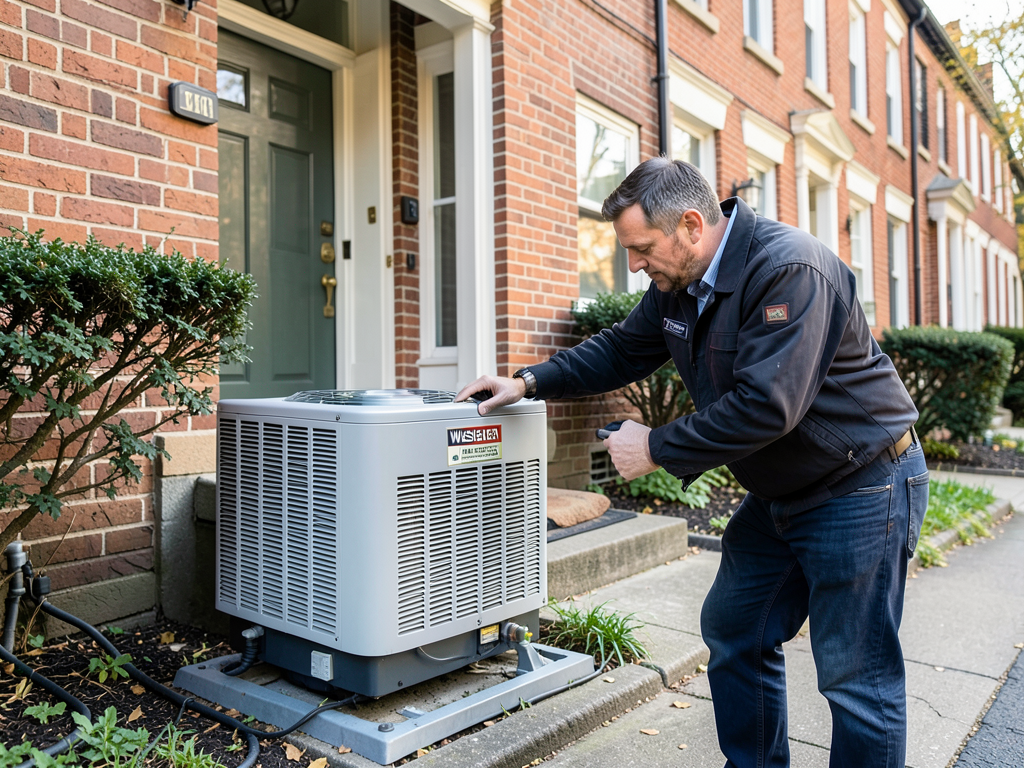
How much a brand new HVAC system actually increases your Wesley Heights home value
Installing a new HVAC system in your Wesley Heights home can increase resale value by 5-7% according to DC real estate data from 2025. For a $1.2 million median home in this historic DC neighborhood, that translates to $60,000-$84,000 in added value. Modern buyers expect energy-efficient systems with smart controls, and a new installation eliminates inspection red flags that kill deals. Energy Star certified heat pumps.
Beyond the numbers, a new system provides peace of mind through transferable warranties and documented maintenance logs that appraisers recognize. In Wesley Heights’ competitive market, this upgrade signals to buyers that your home is move-in ready and won’t require immediate mechanical work.
DC market ROI for HVAC replacement in 2026
The District’s high energy costs and historic housing stock create unique value dynamics. DC homeowners typically recover 65-85% of their HVAC investment when selling, compared to the national average of 60%. This higher return reflects the premium buyers place on reliable climate control in a city where summers regularly exceed 90°F with high humidity. DC Sustainable Energy Utility rebates.
Energy efficiency matters more in DC than in many markets. A new Energy Star heat pump with SEER2 ratings of 18+ can reduce cooling costs by 30-40% annually. For a typical Wesley Heights rowhouse, this means $400-$600 in yearly savings that buyers factor into their purchase decisions. The Best Heating and Cooling Solutions for Adams Morgan Condos.
Heat pump vs. traditional furnace resale value in DC
Heat pumps now outsell traditional furnaces in DC by a 3:1 ratio as buyers prioritize electrification and efficiency. A modern cold-climate heat pump maintains 100% heating capacity down to 5°F, making it suitable for DC’s occasional polar vortex events. This versatility appeals to buyers who want both heating and cooling from a single system. Fast Furnace Repair Services for Families in Chevy Chase DC.
Traditional gas furnaces still hold value in older Wesley Heights homes with existing gas infrastructure. However, appraisers now apply a slight premium to homes with heat pumps due to their alignment with DC’s Clean Energy DC plan and potential for integration with solar panels.
DCSEU rebates and incentives for 2026
The DC Sustainable Energy Utility offers rebates up to $1,500 for high-efficiency heat pump installations in 2026. These rebates apply to systems with SEER2 ratings above 16 and HSPF2 ratings above 8.5. The program also provides $300 for smart thermostats when purchased with qualifying equipment.
Homeowners can stack these rebates with federal tax credits of up to $2,000 for Energy Star certified heat pumps. This combination can reduce the net cost of a $10,000 system to approximately $6,500, improving the ROI calculation for potential sellers.
Transferable warranties as a selling point
A transferable 10-year parts and labor warranty adds tangible value during negotiations. Buyers view this as eliminating immediate repair risk, which can justify a higher asking price. The warranty must be registered in the seller’s name and transferred through the manufacturer’s process before closing. Getting Fast AC Repair for Your Navy Yard Apartment or Condo.
Documentation matters in Wesley Heights where many homes date to the 1920s-1940s. A complete service history showing annual maintenance provides appraisers with evidence of system care and can prevent value deductions for unknown mechanical conditions.
IAQ upgrades that boost buyer appeal
Post-pandemic buyers prioritize indoor air quality, with IAQ features adding 2-3% to perceived home value in DC. High-MERV filtration (MERV 11-13) removes allergens and pollutants common in urban environments. UV light systems in the ductwork prevent mold growth in the humid summer months.
Humidity control becomes critical in Wesley Heights’ historic homes where poor insulation can create condensation issues. A system with integrated dehumidification prevents the musty odors that trigger buyer objections during showings.
Historic home HVAC retrofitting considerations
Wesley Heights’ historic district designation affects HVAC installations. Condenser units must be positioned to maintain architectural integrity, often requiring creative placement solutions. Ductless mini-split systems offer an alternative that preserves original plaster walls and avoids the cost of retrofitting ductwork in century-old homes.
The DC Historic Preservation Office requires permits for exterior mechanical equipment visible from public rights-of-way. Working with contractors familiar with HPO requirements prevents costly delays and ensures compliance with local regulations. How to Choose the Right Air Conditioning Replacement for Your Foggy Bottom Townhouse.
Impact of HVAC age on DC home appraisals
Appraisers apply depreciation to HVAC systems based on expected 15-20 year lifespans. A 12-year-old system might be valued at only 20-30% of replacement cost. This depreciation accelerates in DC’s harsh climate where systems run frequently during humid summers and face occasional freezing winters.
Energy audits now factor into DC appraisals, with inefficient systems potentially triggering value deductions. A home scoring below Energy Star standards might see a 2-4% reduction in appraised value, making efficiency upgrades financially strategic even before selling.
Smart home integration for modern buyers
Smart thermostats with remote monitoring capabilities appeal to DC’s tech-savvy buyers. Systems that integrate with home automation platforms can command a 1-2% premium. Features like filter change reminders and energy usage reports demonstrate system sophistication during showings.
WiFi-enabled systems allow sellers to demonstrate functionality remotely, which helps during the due diligence period when buyers want to verify mechanical systems work properly before removing contingencies.
Energy efficiency standards and code compliance
DC’s building energy performance standards require homes to meet specific efficiency thresholds or face penalties starting in 2026. New HVAC installations must comply with Title 10 DCMR energy codes, which mandate minimum SEER2 and HSPF2 ratings based on system type and home size.
Non-compliance can result in fines up to $1,000 per violation and prevent home sales until systems are brought up to code. This regulatory pressure increases the value of pre-compliant installations for sellers.
Maintenance logs and inspection readiness
Professional maintenance records showing bi-annual service appointments provide appraisers with documented system care. These logs should include specific details like refrigerant levels, electrical measurements, and component conditions. Vague statements like “system checked” carry little weight compared to detailed technical reports.
Before listing, schedule a pre-sale HVAC inspection to identify and address issues that could derail negotiations. Common problems in Wesley Heights include aging capacitors, dirty coils, and inadequate drainage that appraisers flag as safety concerns.
Financing options for HVAC upgrades
DC homeowners can access Property Assessed Clean Energy (PACE) financing for energy-efficient HVAC upgrades. These loans attach to the property tax bill rather than the homeowner, making them transferable to buyers. Terms typically range from 10-20 years with interest rates around 6-8%.
Some sellers negotiate with buyers to leave financing in place, effectively reducing the cash needed at closing. This arrangement can make homes more attractive to buyers concerned about immediate large expenses.
Seasonal timing for HVAC replacement
Spring and fall represent optimal timing for HVAC replacement in DC. These shoulder seasons offer lower labor rates (10-15% less than peak summer/winter) and faster installation schedules. Contractors have more availability to address unexpected issues that arise in older Wesley Heights homes.
Replacing a system 3-6 months before listing provides time to document energy savings and address any teething problems. This buffer prevents the stress of emergency replacements during the sales process.
Cost factors for HVAC replacement in Wesley Heights
Historic home characteristics increase installation complexity and costs. Plaster wall repairs, custom ductwork for irregular spaces, and electrical upgrades for modern equipment can add $2,000-$5,000 to standard installation costs. Homes built before 1950 often require electrical service upgrades to support new high-efficiency systems.
Roof access challenges in rowhouses can increase labor costs by 20-30% compared to single-family homes with easy attic access. Contractors must use specialized equipment or create temporary access points, adding time and expense to the project.
Environmental certifications and green value
Energy Star certification and LEED compatibility add marketing value in DC’s environmentally conscious market. Buyers increasingly research HERS (Home Energy Rating System) scores, with efficient homes commanding 3-5% premiums in certain DC neighborhoods.
Sustainable materials and low-GWP refrigerants appeal to buyers who factor environmental impact into purchasing decisions. Systems using R-410A refrigerant will become less desirable as R-454B becomes the standard, potentially affecting future resale value.
Insurance considerations for new HVAC systems
Modern HVAC systems with integrated leak detection can reduce insurance premiums by 2-3%. Some insurers offer equipment breakdown coverage specifically for new mechanical systems, providing additional protection that appeals to buyers concerned about post-purchase repairs.
Documented maintenance and recent installations can streamline insurance underwriting, potentially resulting in better coverage terms and lower deductibles for the new homeowner.
Comparative market analysis of HVAC upgrades
Data from DC real estate transactions shows homes with new HVAC systems sell 15-20 days faster than comparable properties with older equipment. In Wesley Heights’ competitive market, this speed advantage can translate to higher final sale prices by reducing carrying costs and market exposure.
Buyers often submit escalation clauses on homes with documented mechanical upgrades, using the absence of immediate repair needs as justification for higher offers. This dynamic creates a feedback loop where quality installations generate competitive bidding.
Future-proofing considerations for 2026 and beyond
DC’s building codes continue evolving toward electrification and efficiency. Systems installed in 2026 should anticipate potential future requirements like smart meter integration and demand response capabilities. Heat pumps with variable-speed compressors offer the flexibility to meet tightening standards without replacement.
Consider the impact of climate change on system sizing. DC’s summer heat waves now regularly exceed historical design temperatures, potentially requiring upsized cooling capacity to maintain comfort during extreme events that have become more frequent.
Call (771) 218-6322 today to schedule your inspection
Don’t wait until you’re ready to list your Wesley Heights home. A pre-sale HVAC inspection can identify issues that cost you thousands at closing. Call (771) 218-6322 today to schedule your inspection and get a detailed report on your system’s condition and upgrade options.
Our technicians understand the unique challenges of historic DC homes and can recommend solutions that maximize both comfort and resale value. We’ll provide a written estimate and timeline so you can make informed decisions about your investment.
Pick up the phone and call (771) 218-6322 before the next storm hits
DC’s unpredictable weather can turn a minor HVAC issue into a major emergency. Don’t risk system failure during a critical showing or inspection period. Call (771) 218-6322 now to schedule preventative maintenance or discuss replacement options.
Our emergency service team is ready to respond 24/7, but a planned upgrade gives you control over timing and costs. Make the call today and take the first step toward maximizing your home’s value with a new HVAC system.
Frequently Asked Questions
How long does a new HVAC installation take in a Wesley Heights rowhouse?
Most installations require 1-2 days for the equipment swap and basic testing. Historic homes may need 3-4 days if electrical upgrades or custom ductwork are required. We’ll provide a detailed timeline after evaluating your specific home’s needs.
Will a new HVAC system require permits in DC?
Yes, DC requires mechanical permits for HVAC replacements. We handle all permitting through the Department of Buildings and ensure compliance with Title 10 energy codes. Permit fees typically range from $250-$500 depending on system size.
Can I keep my radiators if I install a new HVAC system?
Absolutely. Many Wesley Heights homes use hybrid systems with forced air for cooling and radiators for heating. This approach preserves historic character while providing year-round comfort. We can integrate new ductwork with existing radiator systems.
What brands offer the best warranty for DC homes?
Trane, Carrier, and Lennox all offer 10-year transferable warranties on premium equipment. For DC’s climate, we recommend brands with proven humidity control and cold-weather heat pump capabilities. We’ll help you compare warranty terms and reliability ratings.
{
“@context”: “https://schema.org”,
“@type”: “BlogPosting”,
“headline”: “How much a brand new HVAC system actually increases your Wesley Heights home value”,
“description”: “Discover how a new HVAC system can boost your Wesley Heights home value in DC’s competitive market. Learn about ROI, rebates, and energy efficiency upgrades for 2026.”,
“wordCount”: 1955,
“datePublished”: “2026-06-05T14:54:00.000Z”,
“dateModified”: “2026-06-05T14:54:00.000Z”,
“inLanguage”: “en-US”,
“mainEntityOfPage”: {
“@type”: “WebPage”,
“@id”: “https://patriothvacwashingtondc.com”
},
“publisher”: {
“@type”: “LocalBusiness”,
“name”: “Patriot HVAC Washington DC”,
“url”: “https://patriothvacwashingtondc.com”
},
“author”: {
“@type”: “Organization”,
“name”: “Patriot HVAC Washington DC”,
“url”: “https://patriothvacwashingtondc.com”
},
“image”: {
“@type”: “ImageObject”,
“url”: “https://patriothvacwashingtondc.com/wp-content/uploads/2026/03/how-much-a-brand-new-hvac-system-actually-increase-1.png”
}
}
{
“@context”: “https://schema.org”,
“@type”: “HVACBusiness”,
“name”: “Patriot HVAC Washington DC”,
“url”: “https://patriothvacwashingtondc.com”,
“address”: {
“@type”: “PostalAddress”,
“addressLocality”: “Washington DC”
},
“areaServed”: {
“@type”: “City”,
“name”: “Washington DC”
}
}
{
“@context”: “https://schema.org”,
“@type”: “FAQPage”,
“mainEntity”: [
{
“@type”: “Question”,
“name”: “How long does a new HVAC installation take in a Wesley Heights rowhouse?”,
“acceptedAnswer”: {
“@type”: “Answer”,
“text”: “Most installations require 1-2 days for the equipment swap and basic testing. Historic homes may need 3-4 days if electrical upgrades or custom ductwork are required. We’ll provide a detailed timeline after evaluating your specific home’s needs.”
}
},
{
“@type”: “Question”,
“name”: “Will a new HVAC system require permits in DC?”,
“acceptedAnswer”: {
“@type”: “Answer”,
“text”: “Yes, DC requires mechanical permits for HVAC replacements. We handle all permitting through the Department of Buildings and ensure compliance with Title 10 energy codes. Permit fees typically range from $250-$500 depending on system size.”
}
},
{
“@type”: “Question”,
“name”: “Can I keep my radiators if I install a new HVAC system?”,
“acceptedAnswer”: {
“@type”: “Answer”,
“text”: “Absolutely. Many Wesley Heights homes use hybrid systems with forced air for cooling and radiators for heating. This approach preserves historic character while providing year-round comfort. We can integrate new ductwork with existing radiator systems.”
}
},
{
“@type”: “Question”,
“name”: “What brands offer the best warranty for DC homes?”,
“acceptedAnswer”: {
“@type”: “Answer”,
“text”: “Trane, Carrier, and Lennox all offer 10-year transferable warranties on premium equipment. For DC’s climate, we recommend brands with proven humidity control and cold-weather heat pump capabilities. We’ll help you compare warranty terms and reliability ratings.”
}
}
]
}
{
“@context”: “https://schema.org”,
“@type”: “BreadcrumbList”,
“itemListElement”: [
{
“@type”: “ListItem”,
“position”: 1,
“name”: “Home”,
“item”: “https://patriothvacwashingtondc.com”
},
{
“@type”: “ListItem”,
“position”: 2,
“name”: “Blog”,
“item”: “https://patriothvacwashingtondc.com/blog”
},
{
“@type”: “ListItem”,
“position”: 3,
“name”: “How much a brand new HVAC system actually increases your Wesley Heights home value”
}
]
}
{
“@context”: “https://schema.org”,
“@type”: “Service”,
“serviceType”: “HVAC”,
“provider”: {
“@type”: “LocalBusiness”,
“name”: “Patriot HVAC Washington DC”,
“url”: “https://patriothvacwashingtondc.com”
},
“areaServed”: {
“@type”: “City”,
“name”: “Washington DC”
},
“description”: “Discover how a new HVAC system can boost your Wesley Heights home value in DC’s competitive market. Learn about ROI, rebates, and energy efficiency upgrades for 2026.”
}