
Integrating Your HVAC System with a Full Smart Home Setup in Brentwood
Smart home technology is transforming how Washington DC residents control comfort and energy use. In Brentwood’s mix of historic rowhouses and newer construction integrating your HVAC system with a full smart home setup means more than just adding a Wi-Fi thermostat. It requires understanding local building codes DCSEU rebate programs and the unique climate challenges of the Northeast corridor. DC Sustainable Energy Utility.
Smart HVAC integration gives you remote control energy reporting and automated scheduling that adapts to your daily routine. For Brentwood homeowners this means reducing energy waste during humid summers and sudden cold snaps while maintaining consistent indoor air quality. The key is choosing systems that communicate seamlessly with your existing infrastructure and qualifying for local incentives that make the upgrade affordable.
Compatible Smart Ecosystems for Your DC Home
Choosing the right smart platform determines how well your HVAC integrates with other home systems. Major ecosystems include Google Home Amazon Alexa and Apple HomeKit. Each supports different communication protocols like Matter Zigbee and Z-Wave which affect device compatibility. How to Choose the Right Air Conditioning Replacement for Your Foggy Bottom Townhouse.
Proprietary systems such as Carrier Infinity or Lennox iComfort offer deep integration with specific HVAC hardware but limit your choice of add-on devices. Universal platforms like Nest and Ecobee provide broader compatibility with third-party sensors and accessories. In Brentwood’s older homes wiring limitations often require professional assessment before installation.
Communication protocols matter because they determine how devices talk to each other. Matter the new unified standard promises cross-platform compatibility. Zigbee and Z-Wave operate on separate frequencies that reduce Wi-Fi congestion. Understanding these differences helps avoid integration headaches later. EPA Energy Star guidelines.
DC Energy Rebates and Smart Thermostat Incentives
Washington DC offers substantial incentives for smart HVAC upgrades through the DC Sustainable Energy Utility (DCSEU). Current programs provide rebates up to $125 for qualifying smart thermostats when installed by certified professionals. Pepco’s Energy Wise Rewards program offers additional credits for allowing controlled cycling during peak demand periods. Pepco Energy Programs.
Professional installation is crucial for rebate eligibility. DIY installations often void manufacturer warranties and disqualify you from utility incentives. Certified technicians ensure proper wiring especially in older Brentwood homes where outdated electrical systems may lack the necessary C-wire for smart thermostats.
The DCSEU also offers rebates for high-efficiency heat pumps and variable-speed systems that pair well with smart controls. These systems qualify for additional incentives when they meet SEER2 efficiency standards. Combining smart technology with efficient hardware maximizes both comfort and savings.
Our Integration Process
Professional smart HVAC integration follows a systematic approach. First we assess your existing system’s compatibility with smart technology. This includes checking wiring configurations evaluating your Wi-Fi signal strength and identifying any code compliance issues specific to Brentwood’s building regulations.
Step two involves selecting appropriate hardware based on your system type and integration goals. For heat pump systems we recommend thermostats with adaptive recovery and humidity control features. For traditional furnaces models with geofencing capabilities provide optimal comfort when you’re away. Fast Furnace Repair Services for Families in Chevy Chase DC.
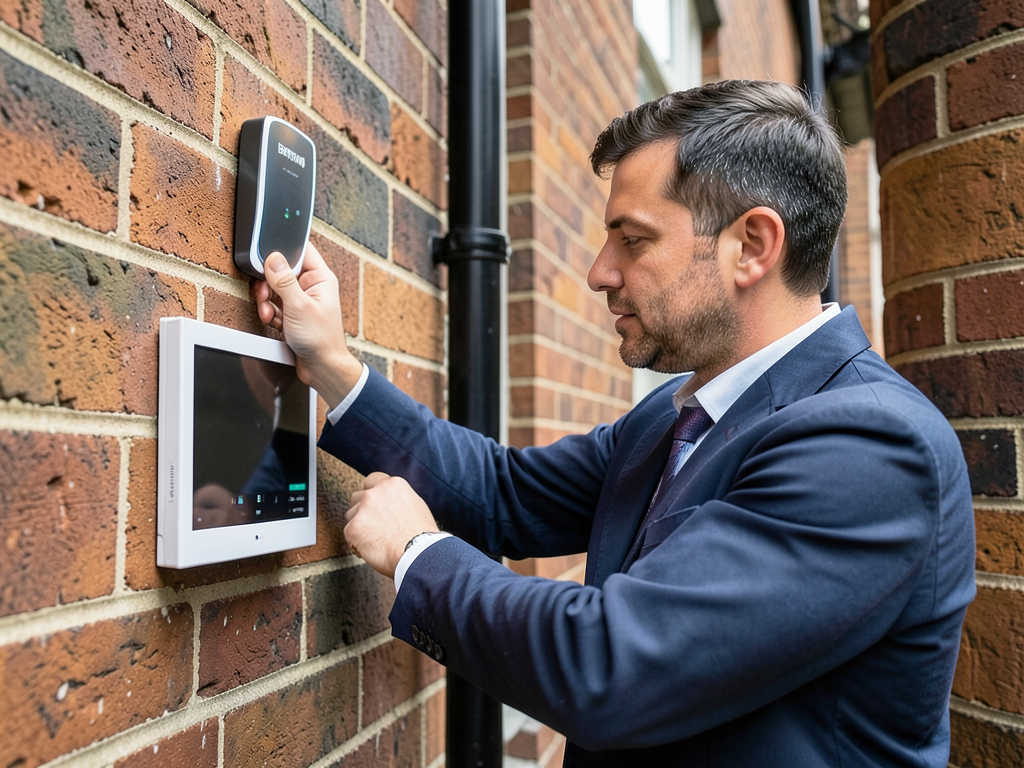
Installation includes proper mounting wiring connections and network configuration. We provision your device for secure network access and set up remote monitoring capabilities. User training covers basic operation troubleshooting and maintenance alerts that help prevent costly repairs. Getting Fast AC Repair for Your Navy Yard Apartment or Condo.
Data security is a priority during integration. We implement network segmentation to isolate smart devices from critical home systems and configure encryption protocols to protect your privacy. Regular software updates keep your system secure against emerging threats.
Benefits of a Connected HVAC System
Smart HVAC systems offer several advantages over traditional controls. Remote access allows you to adjust temperatures from anywhere using your smartphone. Energy reporting shows detailed usage patterns and identifies waste opportunities. Preventative maintenance alerts notify you when filters need replacement or when system performance degrades.
Geofencing automatically adjusts temperatures based on your location. When you leave Brentwood for work the system enters energy-saving mode. As you approach home it begins warming or cooling to your preferred temperature. This automation eliminates the need to remember to adjust settings manually. The Best Heating and Cooling Solutions for Adams Morgan Condos.
Integration with indoor air quality sensors provides another layer of control. Smart systems can activate ventilation when CO2 levels rise or increase filtration when pollen counts spike. For Brentwood’s humid climate humidity monitoring prevents mold growth while maintaining comfort.
Frequently Asked Questions
Does my older DC rowhome support smart HVAC?
Most older rowhomes can support smart HVAC with proper upgrades. Many lack the C-wire required for continuous power to smart thermostats. Professional installation can add this wiring or use alternative power solutions. Historic District homes may have additional restrictions on visible modifications.
What happens to my smart HVAC if the Wi-Fi goes down?
Smart HVAC systems retain basic functionality during Wi-Fi outages. Most continue operating on their last programmed settings. Remote access features become unavailable until connectivity restores. Battery backup in some models maintains scheduling and basic controls during short outages.
Can I integrate IAQ sensors into my smart home?
Yes. Indoor air quality sensors connect to most smart platforms and provide valuable data for HVAC control. These devices measure particulate matter VOCs humidity and CO2 levels. Smart systems use this data to optimize ventilation and filtration automatically.
Choosing the Right Smart Thermostat for Your System
Different HVAC systems require specific thermostat features. Heat pump systems need thermostats with auxiliary heat control and defrost cycle management. Multi-stage furnaces require models that can handle complex staging sequences. Zoning systems need thermostats compatible with zone controllers.
Modern smart thermostats offer features beyond basic temperature control. Learning algorithms adapt to your schedule automatically. Occupancy sensors detect when rooms are empty. Weather integration adjusts settings based on outdoor conditions. These features provide convenience while reducing energy consumption.
Compatibility extends beyond the thermostat itself. Smart vents can direct conditioned air to occupied rooms while reducing flow to unused spaces. This zoning capability improves comfort and efficiency in multi-story Brentwood homes where temperature differences between floors are common.
Installation Considerations for Brentwood Homes
Brentwood’s housing stock presents unique installation challenges. Many homes built before 1950 have outdated electrical systems that cannot support modern smart devices. Knob-and-tube wiring or undersized electrical panels may require upgrades before installation proceeds.
Historic preservation guidelines in some Brentwood areas restrict exterior modifications. This affects where outdoor smart components can be mounted and may require special permits. Professional installers familiar with local regulations can navigate these requirements efficiently.
Wireless signal strength varies significantly in older brick construction. Thick walls and metal ductwork can interfere with smart device communication. Professional site surveys identify optimal device placement and determine if signal boosters are necessary for reliable operation. Finding Reliable Emergency AC Repair in Capitol Hill DC During a Heatwave.
Maintenance and Troubleshooting
Smart HVAC systems require regular maintenance to function optimally. Software updates keep devices secure and add new features. Battery replacement in wireless sensors prevents unexpected failures. Filter monitoring ensures proper airflow and system efficiency.
Common issues include Wi-Fi connectivity problems sensor calibration drift and software glitches. Most smart platforms include diagnostic tools that identify problems before they affect comfort. Professional technicians can resolve complex issues that require hardware intervention.
Emergency backup procedures ensure your system continues operating during major failures. Manual override controls provide basic heating and cooling when smart features are unavailable. Understanding these procedures prevents uncomfortable situations during extended outages.
Cost Considerations and ROI
Smart HVAC integration costs vary based on system complexity and existing infrastructure. Basic smart thermostat installation starts around $300-500 including hardware and professional setup. Whole-home integration with multiple zones and IAQ sensors typically ranges from $2000-5000.
Energy savings provide the primary return on investment. Smart systems typically reduce HVAC energy consumption by 15-30% through optimized scheduling and efficient operation. In Washington DC’s climate these savings accumulate quickly given high seasonal energy demands.
Utility rebates and tax incentives can offset 20-50% of installation costs. DCSEU rebates Pepco incentives and federal tax credits for high-efficiency equipment combine to make smart integration more affordable. Professional installers help maximize available incentives through proper documentation and installation practices.
Future-Proofing Your Smart HVAC Investment
Technology continues evolving rapidly in the smart home space. Choosing platforms with strong developer support ensures long-term viability. Matter compatibility provides insurance against platform obsolescence. Open standards allow integration with emerging technologies as they become available.
Scalable systems accommodate future expansion. Starting with basic smart controls allows gradual addition of features like zoning IAQ monitoring or integration with renewable energy systems. Professional design ensures your initial investment supports future upgrades without requiring complete replacement.
Professional installation provides expertise that DIY approaches cannot match. Certified technicians understand local building codes rebate requirements and system integration challenges specific to Brentwood’s housing stock. This expertise prevents costly mistakes and ensures optimal system performance.
Getting Started with Smart HVAC Integration
The first step is scheduling a professional assessment of your current system. This evaluation identifies compatibility issues wiring requirements and potential code compliance concerns. It also provides accurate cost estimates and identifies available incentives.
During the assessment technicians evaluate your Wi-Fi network strength electrical system capacity and existing HVAC performance. They recommend specific hardware based on your system type integration goals and budget constraints. This personalized approach ensures optimal results.
Professional installation includes proper setup network configuration and user training. Technicians ensure all components communicate correctly and that rebate paperwork is completed accurately. They also provide maintenance guidance and establish service relationships for ongoing support.
Smart HVAC integration represents a significant upgrade to home comfort and efficiency. In Brentwood’s climate these systems provide year-round benefits while reducing energy costs and environmental impact. Professional installation ensures reliable operation and maximizes available incentives.
Ready to upgrade your Brentwood home with smart HVAC technology? Call (771) 218-6322 today to schedule your professional assessment. Our certified technicians understand local building requirements and can help you navigate available rebates to make your smart home upgrade affordable.
{
“@context”: “https://schema.org”,
“@type”: “BlogPosting”,
“headline”: “Integrating Your HVAC System with a Full Smart Home Setup in Brentwood”,
“description”: “Smart HVAC integration for Brentwood homes with local rebates, building codes, and energy-saving features tailored to Washington DC’s climate.”,
“wordCount”: 1676,
“datePublished”: “2026-05-18T15:32:00.000Z”,
“dateModified”: “2026-05-18T15:32:00.000Z”,
“inLanguage”: “en-US”,
“mainEntityOfPage”: {
“@type”: “WebPage”,
“@id”: “https://patriothvacwashingtondc.com”
},
“publisher”: {
“@type”: “LocalBusiness”,
“name”: “Patriot HVAC Washington DC”,
“url”: “https://patriothvacwashingtondc.com”
},
“author”: {
“@type”: “Organization”,
“name”: “Patriot HVAC Washington DC”,
“url”: “https://patriothvacwashingtondc.com”
},
“image”: {
“@type”: “ImageObject”,
“url”: “https://patriothvacwashingtondc.com/wp-content/uploads/2026/03/integrating-your-hvac-system-with-a-full-smart-hom-1.png”
}
}
{
“@context”: “https://schema.org”,
“@type”: “HVACBusiness”,
“name”: “Patriot HVAC Washington DC”,
“url”: “https://patriothvacwashingtondc.com”,
“address”: {
“@type”: “PostalAddress”,
“addressLocality”: “Washington DC”
},
“areaServed”: {
“@type”: “City”,
“name”: “Washington DC”
}
}
{
“@context”: “https://schema.org”,
“@type”: “FAQPage”,
“mainEntity”: [
{
“@type”: “Question”,
“name”: “Does my older DC rowhome support smart HVAC?”,
“acceptedAnswer”: {
“@type”: “Answer”,
“text”: “Most older rowhomes can support smart HVAC with proper upgrades. Many lack the C-wire required for continuous power to smart thermostats. Professional installation can add this wiring or use alternative power solutions. Historic District homes may have additional restrictions on visible modifications.”
}
},
{
“@type”: “Question”,
“name”: “What happens to my smart HVAC if the Wi-Fi goes down?”,
“acceptedAnswer”: {
“@type”: “Answer”,
“text”: “Smart HVAC systems retain basic functionality during Wi-Fi outages. Most continue operating on their last programmed settings. Remote access features become unavailable until connectivity restores. Battery backup in some models maintains scheduling and basic controls during short outages.”
}
},
{
“@type”: “Question”,
“name”: “Can I integrate IAQ sensors into my smart home?”,
“acceptedAnswer”: {
“@type”: “Answer”,
“text”: “Yes. Indoor air quality sensors connect to most smart platforms and provide valuable data for HVAC control. These devices measure particulate matter VOCs humidity and CO2 levels. Smart systems use this data to optimize ventilation and filtration automatically.”
}
}
]
}
{
“@context”: “https://schema.org”,
“@type”: “BreadcrumbList”,
“itemListElement”: [
{
“@type”: “ListItem”,
“position”: 1,
“name”: “Home”,
“item”: “https://patriothvacwashingtondc.com”
},
{
“@type”: “ListItem”,
“position”: 2,
“name”: “Blog”,
“item”: “https://patriothvacwashingtondc.com/blog”
},
{
“@type”: “ListItem”,
“position”: 3,
“name”: “Integrating Your HVAC System with a Full Smart Home Setup in Brentwood”
}
]
}
{
“@context”: “https://schema.org”,
“@type”: “Service”,
“serviceType”: “HVAC”,
“provider”: {
“@type”: “LocalBusiness”,
“name”: “Patriot HVAC Washington DC”,
“url”: “https://patriothvacwashingtondc.com”
},
“areaServed”: {
“@type”: “City”,
“name”: “Washington DC”
},
“description”: “Smart HVAC integration for Brentwood homes with local rebates, building codes, and energy-saving features tailored to Washington DC’s climate.”
}