
Understanding DC Heating Requirements and Your Rights as a Tenant in Pleasant Plains
Living in Pleasant Plains means dealing with DC’s unpredictable winter weather, where temperatures can swing from mild to freezing in a matter of hours. As a tenant, you have specific legal protections regarding heating during the official “heat season” from October 1 through May 1. Your landlord must maintain indoor temperatures of at least 68°F between 6:30 AM and 10:30 PM when outdoor temperatures fall below 60°F, and at least 63°F during nighttime hours. These requirements are established under DC Municipal Regulations Title 14, Chapter 4, Section 501 to ensure safe and healthy living conditions for all residents. DC Heating Season Requirements.
Understanding your rights is the first step to ensuring your home stays warm and comfortable throughout the winter months. Whether you’re renting a historic rowhouse near Howard University or a modern apartment in one of Pleasant Plains’ newer developments, this guide will walk you through everything you need to know about DC’s heating requirements, your legal protections, and what steps to take if your heating system fails. The Best Heating and Cooling Solutions for Adams Morgan Condos.
The DC ‘Heat Season’ Calendar and Temperature Requirements
DC law establishes a specific “heat season” that runs from October 1 through May 1 each year. During this period, landlords must provide adequate heating regardless of outdoor temperatures. The requirements are based on both time of day and outdoor temperature thresholds.
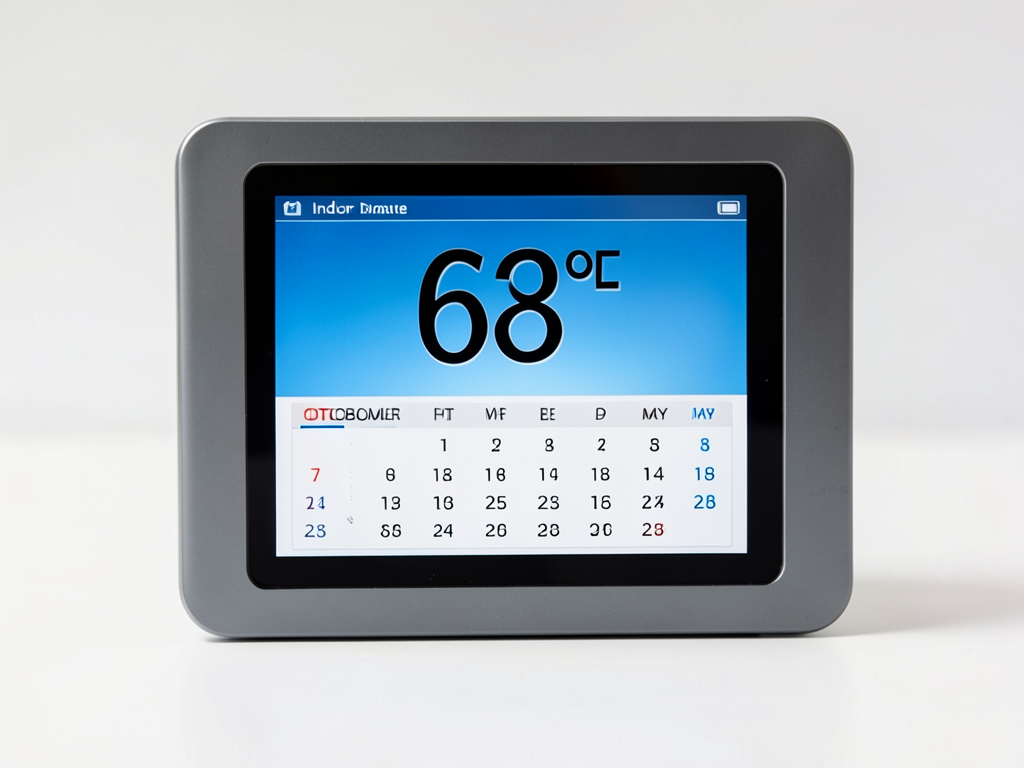
Between 6:30 AM and 10:30 PM, if the outdoor temperature drops below 60°F, indoor temperatures must be maintained at a minimum of 68°F. During nighttime hours from 10:30 PM to 6:30 AM, the minimum required indoor temperature is 63°F, regardless of outdoor conditions. These standards apply to all rental properties in Pleasant Plains and throughout the District of Columbia.
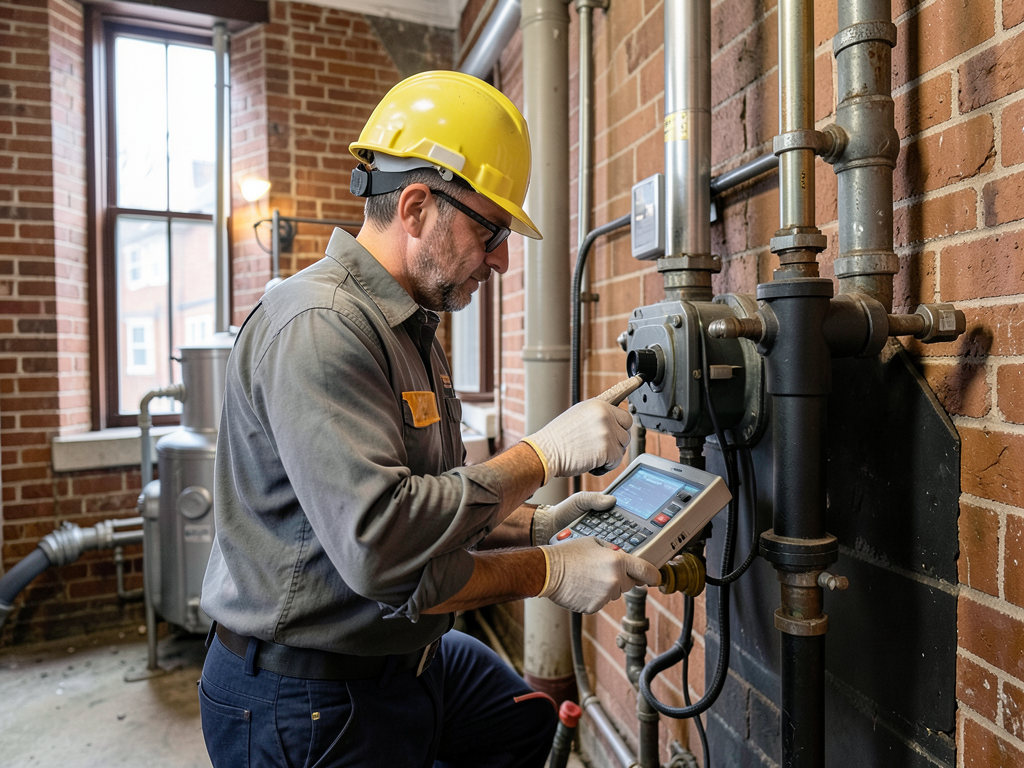
Understanding these requirements helps you determine whether your landlord is meeting their legal obligations. If your apartment consistently falls below these temperatures during the heat season, you have the right to file a formal complaint with the DC Department of Buildings. The law recognizes that inadequate heating can pose serious health risks, particularly for elderly residents, young children, and those with medical conditions. How to Choose the Right Air Conditioning Replacement for Your Foggy Bottom Townhouse.
Landlord Responsibilities and Maintenance Requirements
Under DC law, landlords have comprehensive responsibilities when it comes to heating systems. They must not only provide heat during the designated season but also ensure that heating equipment is properly maintained, repaired promptly when issues arise, and capable of meeting the minimum temperature requirements consistently. Getting Fast AC Repair for Your Navy Yard Apartment or Condo.
Landlords are required to conduct annual inspections of heating systems before the start of each heat season. This includes checking boilers, furnaces, radiators, and any other heating equipment to ensure they’re in good working condition. They must also respond to heating emergencies within 24 hours of notification. For Pleasant Plains residents living in older buildings, this often means maintaining aging boiler systems that require specialized knowledge and regular maintenance. Fast Furnace Repair Services for Families in Chevy Chase DC.
Common maintenance issues that landlords must address include: malfunctioning thermostats, broken radiators, leaking boiler systems, faulty pilot lights, and inadequate insulation that prevents heat distribution. If your heating system is making unusual noises, producing inconsistent heat, or failing to maintain the required temperatures, your landlord is legally obligated to investigate and repair the problem promptly.
How to Report a Heat Violation in DC
If your landlord fails to provide adequate heating during the heat season, you have several options for reporting the violation. The first step is always to notify your landlord in writing about the heating problem. Keep copies of all communications, including emails, text messages, or certified letters, as documentation of your attempts to resolve the issue.
If your landlord does not respond or fails to fix the problem within a reasonable timeframe, you can file a complaint with the DC Department of Buildings through the 311 system. You can call 311 directly, use the 311 mobile app, or submit an online complaint through the DC government website. When filing a complaint, be prepared to provide specific information including your address, the nature of the heating problem, when it occurs, and what steps you’ve already taken to notify your landlord.
The Department of Buildings will typically send an inspector to verify the complaint. If they find that your landlord is not meeting the heating requirements, they can issue violations and fines. In severe cases where the heating system is completely non-functional, the DOB may even order temporary relocation of tenants until repairs are completed. The Office of the Tenant Advocate can also provide free legal assistance and guidance throughout this process. Office of the Tenant Advocate.
Common HVAC Issues Affecting DC Properties
Pleasant Plains, like much of DC, features a mix of historic and modern buildings, each with unique heating challenges. Older rowhouses often have boiler-based radiator systems that can develop issues like air trapped in pipes, failing circulator pumps, or corroded heat exchangers. These systems require specialized knowledge to maintain and repair properly.
Modern apartments in Pleasant Plains may have forced-air furnaces or heat pumps that face different problems such as clogged air filters, malfunctioning thermostats, or issues with the electrical components. The high humidity levels common in DC can also affect HVAC systems, causing condensation problems and reducing efficiency.
Many heating failures occur due to lack of preventive maintenance. A simple annual tune-up can identify worn parts, clean dirty components, and ensure your system is ready for the winter season. Common warning signs that your heating system needs attention include unusual noises, inconsistent heating between rooms, higher than normal utility bills, and the system cycling on and off frequently.
Emergency HVAC Services for DC Landlords
When heating systems fail during the coldest months, landlords need reliable emergency services to restore heat quickly and maintain compliance with DC regulations. Emergency HVAC technicians must be available 24/7 to address urgent heating problems that could leave tenants without adequate warmth during freezing weather. Finding Reliable Emergency AC Repair in Capitol Hill DC During a Heatwave.
Professional emergency services include rapid diagnosis of heating system failures, temporary heating solutions if major repairs are needed, and complete system repairs or replacements when necessary. For landlords in Pleasant Plains, working with technicians who understand the specific challenges of DC’s housing stock is essential for getting repairs done right the first time.
Preventive maintenance contracts can help landlords avoid emergency situations by ensuring heating systems are inspected and serviced regularly. These contracts typically include seasonal tune-ups, priority service for emergencies, and discounted repair rates. For multi-unit buildings, having a reliable HVAC partner can mean the difference between minor inconveniences and major code violations.
Call (771) 218-6322 today to schedule your heating system inspection before the next cold snap hits Pleasant Plains. Don’t wait until your tenants are left in the cold to discover problems with your heating system.
Safety Guidelines for Temporary Heating Solutions
While waiting for repairs, tenants sometimes resort to space heaters for temporary warmth. If you must use a space heater, follow these safety guidelines: keep the heater at least three feet away from flammable materials, never leave it unattended, plug it directly into a wall outlet (not an extension cord), and choose a model with automatic shut-off features. Space heaters should be used as a temporary solution, not as a permanent replacement for proper heating systems.
Never use gas ovens, charcoal grills, or other combustion appliances for heating. These can produce deadly carbon monoxide and pose serious fire hazards. If you suspect a carbon monoxide leak, evacuate immediately and call 911. Consider purchasing carbon monoxide detectors if your home uses gas appliances, as required by DC law.
The Tenant Bill of Rights in DC
DC tenants have strong legal protections under the Tenant Bill of Rights. These include the right to a habitable living environment with adequate heating, the right to timely repairs when systems fail, and protection against retaliation for reporting code violations. Tenants cannot be evicted or have their rent increased as punishment for filing legitimate complaints about heating or other housing code violations.
The Tenant Bill of Rights also provides for rent escrow in certain situations. If your landlord fails to provide essential services like heat for an extended period, you may be able to withhold rent and place it in escrow until the problem is resolved. However, this process requires following specific legal procedures, so consulting with the Office of the Tenant Advocate or a housing attorney is recommended before taking this step.
DC law also requires landlords to provide written notice about emergency procedures, including how to report heating problems and what to do if the heating system fails completely. Make sure you have this information and understand the proper channels for reporting issues in your building.
Comparing DC Heat Laws to Neighboring Jurisdictions
DC’s heating requirements are among the most protective in the region. Montgomery County, Maryland requires indoor temperatures of at least 65°F during the day and 60°F at night, while Prince George’s County has similar standards. Arlington County, Virginia requires 68°F during the day and 65°F at night. DC’s 68°F/63°F standard provides the highest level of protection for tenants.
These differences matter for the many DC residents who work in neighboring jurisdictions but live in the District. Understanding your rights as a DC tenant is crucial, as the protections you enjoy at home may not extend to other areas. For property owners who own rental units across multiple jurisdictions, compliance with the strictest applicable standards is essential.
Frequently Asked Questions
What should I do if my apartment is too cold but I’m not sure if it’s below the legal minimum?
Purchase an inexpensive thermometer to monitor your indoor temperatures, particularly in the coldest parts of your apartment. Document the readings along with the date, time, and outdoor temperature. If you consistently record temperatures below the legal minimums during the heat season, notify your landlord in writing and keep copies of all communications.
How long does my landlord have to fix a heating problem?
For heating emergencies during the heat season, DC law requires landlords to respond within 24 hours of notification. This means a technician should be dispatched within one day to assess the problem. Complete repairs should be made as quickly as possible, though complex issues may take longer. If repairs will take more than a few days, your landlord should provide temporary heating solutions.
Can I withhold rent if my landlord doesn’t fix the heat?
Withholding rent in DC requires following specific legal procedures. You must first notify your landlord in writing about the heating problem and give them a reasonable opportunity to fix it. If they fail to respond, you can file a complaint with the Department of Buildings. Rent withholding through the escrow process is possible but requires careful documentation and often legal guidance to avoid eviction proceedings.
Does my landlord have to pay for my electricity if I use space heaters?
DC law does not automatically require landlords to pay for electricity used by space heaters. However, if the lack of central heating is due to the landlord’s failure to maintain the property, you may be able to recover those costs through small claims court or by deducting them from future rent payments. Keep detailed records of all expenses related to temporary heating solutions.
Pick up the phone and call (771) 218-6322 before the next storm hits. Our emergency HVAC technicians are standing by to restore heat to your Pleasant Plains property quickly and professionally.
{
“@context”: “https://schema.org”,
“@type”: “BlogPosting”,
“headline”: “Understanding DC Heating Requirements and Your Rights as a Tenant in Pleasant Plains”,
“description”: “Learn DC heat laws, tenant rights, and landlord obligations in Pleasant Plains. Know your rights during the October 1 – May 1 heat season and how to file complaints.”,
“wordCount”: 1944,
“datePublished”: “2026-05-12T10:18:00.000Z”,
“dateModified”: “2026-05-12T10:18:00.000Z”,
“inLanguage”: “en-US”,
“mainEntityOfPage”: {
“@type”: “WebPage”,
“@id”: “https://patriothvacwashingtondc.com”
},
“publisher”: {
“@type”: “LocalBusiness”,
“name”: “Patriot HVAC Washington DC”,
“url”: “https://patriothvacwashingtondc.com”
},
“author”: {
“@type”: “Organization”,
“name”: “Patriot HVAC Washington DC”,
“url”: “https://patriothvacwashingtondc.com”
},
“image”: {
“@type”: “ImageObject”,
“url”: “https://patriothvacwashingtondc.com/wp-content/uploads/2026/03/understanding-dc-heating-requirements-and-your-rig-1.png”
}
}
{
“@context”: “https://schema.org”,
“@type”: “HVACBusiness”,
“name”: “Patriot HVAC Washington DC”,
“url”: “https://patriothvacwashingtondc.com”,
“address”: {
“@type”: “PostalAddress”,
“addressLocality”: “Washington DC”
},
“areaServed”: {
“@type”: “City”,
“name”: “Washington DC”
}
}
{
“@context”: “https://schema.org”,
“@type”: “FAQPage”,
“mainEntity”: [
{
“@type”: “Question”,
“name”: “What should I do if my apartment is too cold but I’m not sure if it’s below the legal minimum?”,
“acceptedAnswer”: {
“@type”: “Answer”,
“text”: “Purchase an inexpensive thermometer to monitor your indoor temperatures, particularly in the coldest parts of your apartment. Document the readings along with the date, time, and outdoor temperature. If you consistently record temperatures below the legal minimums during the heat season, notify your landlord in writing and keep copies of all communications.”
}
},
{
“@type”: “Question”,
“name”: “How long does my landlord have to fix a heating problem?”,
“acceptedAnswer”: {
“@type”: “Answer”,
“text”: “For heating emergencies during the heat season, DC law requires landlords to respond within 24 hours of notification. This means a technician should be dispatched within one day to assess the problem. Complete repairs should be made as quickly as possible, though complex issues may take longer. If repairs will take more than a few days, your landlord should provide temporary heating solutions.”
}
},
{
“@type”: “Question”,
“name”: “Can I withhold rent if my landlord doesn’t fix the heat?”,
“acceptedAnswer”: {
“@type”: “Answer”,
“text”: “Withholding rent in DC requires following specific legal procedures. You must first notify your landlord in writing about the heating problem and give them a reasonable opportunity to fix it. If they fail to respond, you can file a complaint with the Department of Buildings. Rent withholding through the escrow process is possible but requires careful documentation and often legal guidance to avoid eviction proceedings.”
}
},
{
“@type”: “Question”,
“name”: “Does my landlord have to pay for my electricity if I use space heaters?”,
“acceptedAnswer”: {
“@type”: “Answer”,
“text”: “DC law does not automatically require landlords to pay for electricity used by space heaters. However, if the lack of central heating is due to the landlord’s failure to maintain the property, you may be able to recover those costs through small claims court or by deducting them from future rent payments. Keep detailed records of all expenses related to temporary heating solutions.”
}
}
]
}
{
“@context”: “https://schema.org”,
“@type”: “BreadcrumbList”,
“itemListElement”: [
{
“@type”: “ListItem”,
“position”: 1,
“name”: “Home”,
“item”: “https://patriothvacwashingtondc.com”
},
{
“@type”: “ListItem”,
“position”: 2,
“name”: “Blog”,
“item”: “https://patriothvacwashingtondc.com/blog”
},
{
“@type”: “ListItem”,
“position”: 3,
“name”: “Understanding DC Heating Requirements and Your Rights as a Tenant in Pleasant Plains”
}
]
}
{
“@context”: “https://schema.org”,
“@type”: “Service”,
“serviceType”: “HVAC”,
“provider”: {
“@type”: “LocalBusiness”,
“name”: “Patriot HVAC Washington DC”,
“url”: “https://patriothvacwashingtondc.com”
},
“areaServed”: {
“@type”: “City”,
“name”: “Washington DC”
},
“description”: “Learn DC heat laws, tenant rights, and landlord obligations in Pleasant Plains. Know your rights during the October 1 – May 1 heat season and how to file complaints.”
}