
The Pros and Cons of Solar-Ready HVAC Systems for Modern Fort Totten Developments
Fort Totten’s new developments are transforming DC’s Northeast corridor with modern architecture and energy-efficient designs. Solar-ready HVAC systems have become a popular choice for homeowners looking to reduce utility costs while preparing for future solar panel installations. These systems feature specialized internal components that allow direct connection to photovoltaic modules, offering potential energy savings but requiring careful consideration of DC’s humid climate and specific building requirements. DC Department of Energy & Environment.
How Solar-Ready HVAC Systems Work in Washington DC
Solar-ready HVAC units integrate directly with solar panels through specialized DC power inputs. Unlike traditional systems that convert solar energy through a separate inverter, these units accept direct current from photovoltaic modules. In Fort Totten’s climate, this direct integration can reduce cooling costs by 40-50% during peak summer months when humidity levels often exceed 70%. The Best Heating and Cooling Solutions for Adams Morgan Condos.
The technology relies on variable-speed compressors and advanced control boards that can handle fluctuating power inputs. During DC’s frequent summer thunderstorms, these systems automatically switch to grid power when solar generation drops, ensuring continuous operation without manual intervention.
Financial Considerations for Fort Totten Homeowners
Solar-ready HVAC systems qualify for the federal 25C tax credit, providing up to $2,000 in savings for qualifying equipment installed in 2026. DC residents can also access Solar Renewable Energy Credits (SRECs), which pay homeowners for every megawatt-hour their system produces. Current SREC prices in Washington DC range from $300 to $400 per credit. federal 25C tax credit.
The DC Sustainable Energy Utility (DCSEU) offers additional rebates for high-efficiency heat pumps, with current incentives covering up to $1,500 of installation costs. These programs make solar-ready systems more accessible for Fort Totten’s new developments, where many homes already meet energy efficiency standards.
Installation Requirements in Fort Totten Developments
Fort Totten’s modern developments typically feature south-facing roof orientations ideal for solar integration. However, DC’s Historic Preservation Office requires permits for any exterior modifications, even in newer neighborhoods. Roof space calculations must account for both HVAC equipment and future solar panel arrays, with minimum clearances of 18 inches required around all mechanical units.
Electrical panel capacity becomes critical when installing solar-ready systems. Most Fort Totten homes built after 2020 have 200-amp service panels, sufficient for hybrid HVAC integration. Older homes may require panel upgrades, adding $1,500 to $3,000 to installation costs.
Climate Performance in DC’s Humid Summers
Washington DC’s humidity creates unique challenges for solar-ready HVAC systems. The high moisture content in summer air requires enhanced dehumidification capabilities. Solar-ready units with two-stage compressors perform better than single-stage models, removing 15-20% more moisture from indoor air while using less energy.
During polar vortex events, which can push temperatures below 10°F, heat pump efficiency drops significantly. Solar-ready systems with auxiliary electric resistance heating maintain comfort but may see reduced solar contribution during these extreme cold periods.
Comparison: Solar-Ready vs. Traditional HVAC with Solar Panels
| Feature | Solar-Ready HVAC | Traditional HVAC + Solar |
|---|---|---|
| Initial Cost | $6,500 – $8,500 | $4,500 – $6,000 |
| Energy Efficiency | SEER2 18-21 | SEER2 16-18 |
| Solar Integration | Direct DC connection | AC inversion required |
| Installation Time | 1-2 days | 2-3 days |
| Maintenance Complexity | Moderate | Standard |
Permitting and Code Requirements in DC
The District of Columbia requires electrical permits for all solar-ready HVAC installations. The DC Department of Buildings processes permits within 10-15 business days for standard residential applications. Fort Totten developments must comply with the 2020 DC Energy Conservation Code, which mandates minimum SEER2 ratings of 15 for new installations.
Net metering agreements with Pepco allow excess solar energy to flow back to the grid, providing bill credits. Current net metering rates in DC pay homeowners the full retail rate for excess generation, making solar-ready systems more economical for high-consumption households.
Maintenance Considerations for Urban Environments
Fort Totten’s urban setting creates specific maintenance challenges. Air quality in DC’s Northeast corridor contains higher particulate matter levels, requiring more frequent filter changes every 30-45 days instead of the standard 60-90 day intervals. Condenser coils in solar-ready systems need quarterly cleaning to maintain optimal heat exchange efficiency.
The vibration from variable-speed compressors can loosen electrical connections over time. Annual maintenance should include torque checks on all terminal connections and inspection of DC power wiring for signs of degradation from UV exposure or rodent damage.
Long-Term Value and Resale Considerations
Homes with solar-ready HVAC systems in Fort Totten command 3-5% higher resale values compared to similar properties with traditional systems. Energy efficiency ratings and documented utility savings become selling points in DC’s competitive real estate market. Buyers increasingly prioritize homes with pre-installed infrastructure for future solar expansion.
The 25-year lifespan of modern solar-ready systems aligns well with typical homeownership periods in DC, where residents often stay 7-10 years before upgrading or relocating. Warranty coverage typically includes 10 years on compressors and 5 years on electronics, providing protection against early component failures.
Common Installation Challenges in Fort Totten
Space constraints in rowhouse developments adjacent to Fort Totten create installation challenges. Narrow utility closets may require specialized mounting brackets or modified equipment configurations. Some developments have HOA restrictions on exterior equipment placement, necessitating interior installation with proper ventilation.
DC’s building codes require minimum noise levels for outdoor units, with many solar-ready systems operating at 55-60 decibels. This meets but sometimes approaches the threshold for noise ordinance compliance in dense urban areas.
Making the Right Choice for Your Fort Totten Home
Solar-ready HVAC systems offer compelling benefits for Fort Totten developments, including energy independence, reduced utility costs, and future-proofing for solar expansion. However, the higher initial investment and specific maintenance requirements may not suit every homeowner’s needs or budget.
Consider your home’s orientation, roof condition, and expected occupancy duration when evaluating these systems. Homes with south-facing roofs and plans to stay 5+ years typically see the best return on investment.
Frequently Asked Questions
Do solar-ready HVAC systems work during power outages?
Standard solar-ready systems require grid power for operation. However, when paired with battery storage like Tesla Powerwall, select models can operate during outages. The system automatically switches to battery power when grid electricity fails, maintaining heating and cooling capabilities.
How long does installation take in Fort Totten developments?
Installation typically requires 1-2 days for the HVAC system and 2-3 additional days if solar panels are added simultaneously. Permit processing adds 10-15 business days to the timeline. Most Fort Totten developments can complete the entire process within 3-4 weeks from initial consultation.
Are there specific brands recommended for DC’s climate?
Lennox SunSource, Carrier Greenspeed, and Mitsubishi Electric offer models specifically designed for humid climates. These brands provide enhanced dehumidification features and corrosion-resistant components suited for DC’s coastal-influenced weather patterns. Local contractors familiar with these systems can provide specific model recommendations based on your home’s requirements.
- Initial Assessment
Schedule a home evaluation to assess electrical capacity, roof orientation, and cooling needs. A qualified technician will measure your space and review utility bills to determine appropriate system sizing.
- Permit Acquisition
Submit permit applications to the DC Department of Buildings. This process includes structural engineering reviews for roof-mounted equipment and electrical inspections for solar integration.
- Equipment Installation
Install the indoor air handler, outdoor condenser, and any required ductwork modifications. This phase typically takes 1-2 days for a standard residential installation.
- Solar Integration
Connect the system to solar panels if included in your project. This involves mounting panels, running DC wiring, and programming the control system for solar optimization.
- Testing and Commissioning
Verify system performance through comprehensive testing, including airflow measurements, refrigerant charge verification, and solar power output validation. The technician will demonstrate system operation and provide maintenance guidance.
Ready to Upgrade Your Fort Totten Home?
Solar-ready HVAC systems represent a significant investment in your home’s comfort and efficiency. The combination of federal tax credits, local rebates, and long-term energy savings makes these systems increasingly attractive for Fort Totten developments.
Call (771) 218-6322 today to schedule your free consultation. Our technicians understand the specific requirements for Fort Totten homes and can help you navigate the selection, permitting, and installation process. Don’t wait until summer heat waves hit DC’s Northeast corridor.
Pick up the phone and call (771) 218-6322 before the next storm hits. We’ll help you determine if solar-ready HVAC is the right choice for your Fort Totten development home. How to Choose the Right Air Conditioning Replacement for Your Foggy Bottom Townhouse.

Diagram showing how a solar-ready HVAC system integrates with photovoltaic panels and battery storage in a typical Fort Totten rowhouse configuration.
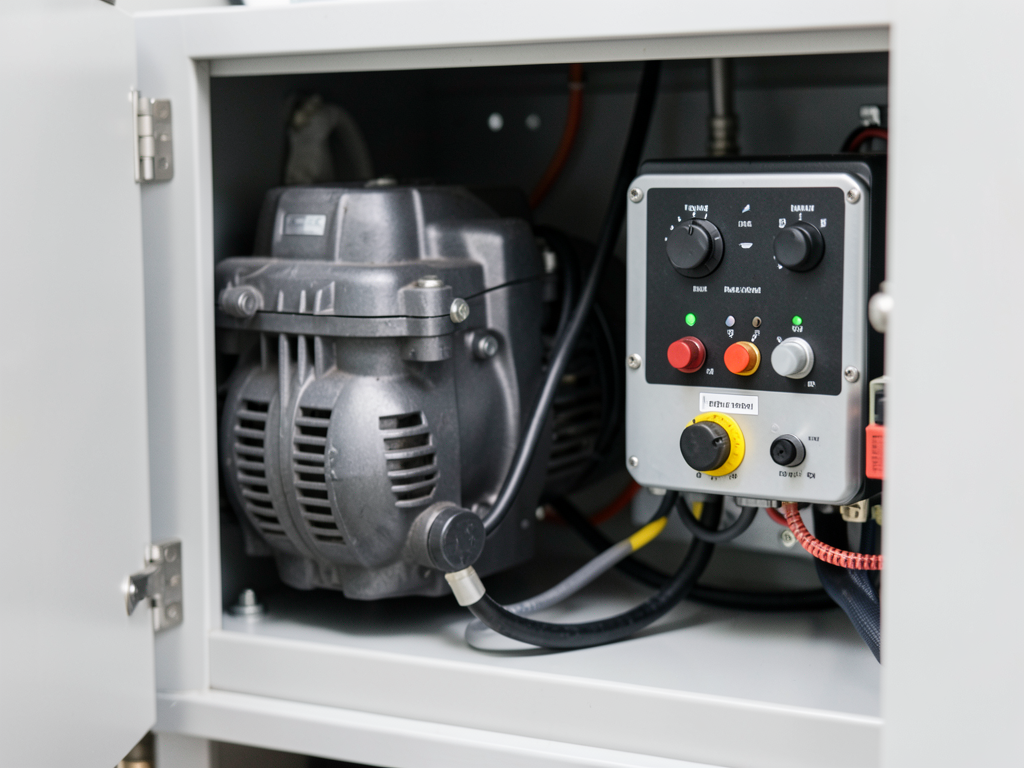
Technician installing a variable-speed compressor in a compact utility closet, demonstrating proper mounting techniques for narrow Fort Totten spaces.
Roof-mounted solar-ready condenser unit with proper clearance around the perimeter, showing optimal placement for DC’s humid climate conditions.
{
“@context”: “https://schema.org”,
“@type”: “BlogPosting”,
“headline”: “The Pros and Cons of Solar-Ready HVAC Systems for Modern Fort Totten Developments”,
“description”: “Explore solar-ready HVAC systems for Fort Totten developments. Learn benefits, costs, and installation requirements in DC’s humid climate. Call (771) 218-6322 for expert advice.”,
“wordCount”: 1449,
“datePublished”: “2026-04-09T09:20:00.000Z”,
“dateModified”: “2026-04-09T09:20:00.000Z”,
“inLanguage”: “en-US”,
“mainEntityOfPage”: {
“@type”: “WebPage”,
“@id”: “https://patriothvacwashingtondc.com”
},
“publisher”: {
“@type”: “LocalBusiness”,
“name”: “Patriot HVAC Washington DC”,
“url”: “https://patriothvacwashingtondc.com”
},
“author”: {
“@type”: “Organization”,
“name”: “Patriot HVAC Washington DC”,
“url”: “https://patriothvacwashingtondc.com”
},
“image”: {
“@type”: “ImageObject”,
“url”: “https://patriothvacwashingtondc.com/wp-content/uploads/2026/03/the-pros-and-cons-of-solar-ready-hvac-systems-for-1.png”
}
}
{
“@context”: “https://schema.org”,
“@type”: “HVACBusiness”,
“name”: “Patriot HVAC Washington DC”,
“url”: “https://patriothvacwashingtondc.com”,
“address”: {
“@type”: “PostalAddress”,
“addressLocality”: “Washington DC”
},
“areaServed”: {
“@type”: “City”,
“name”: “Washington DC”
}
}
{
“@context”: “https://schema.org”,
“@type”: “FAQPage”,
“mainEntity”: [
{
“@type”: “Question”,
“name”: “Do solar-ready HVAC systems work during power outages?”,
“acceptedAnswer”: {
“@type”: “Answer”,
“text”: “Standard solar-ready systems require grid power for operation. However, when paired with battery storage like Tesla Powerwall, select models can operate during outages. The system automatically switches to battery power when grid electricity fails, maintaining heating and cooling capabilities.”
}
},
{
“@type”: “Question”,
“name”: “How long does installation take in Fort Totten developments?”,
“acceptedAnswer”: {
“@type”: “Answer”,
“text”: “Installation typically requires 1-2 days for the HVAC system and 2-3 additional days if solar panels are added simultaneously. Permit processing adds 10-15 business days to the timeline. Most Fort Totten developments can complete the entire process within 3-4 weeks from initial consultation.”
}
},
{
“@type”: “Question”,
“name”: “Are there specific brands recommended for DC’s climate?”,
“acceptedAnswer”: {
“@type”: “Answer”,
“text”: “Lennox SunSource, Carrier Greenspeed, and Mitsubishi Electric offer models specifically designed for humid climates. These brands provide enhanced dehumidification features and corrosion-resistant components suited for DC’s coastal-influenced weather patterns. Local contractors familiar with these systems can provide specific model recommendations based on your home’s requirements.”
}
},
{
“@type”: “Question”,
“name”: “Ready to Upgrade Your Fort Totten Home?”,
“acceptedAnswer”: {
“@type”: “Answer”,
“text”: “Solar-ready HVAC systems represent a significant investment in your home’s comfort and efficiency. The combination of federal tax credits, local rebates, and long-term energy savings makes these systems increasingly attractive for Fort Totten developments.”
}
}
]
}
{
“@context”: “https://schema.org”,
“@type”: “HowTo”,
“name”: “Steps to Install Solar-Ready HVAC”,
“step”: [
{
“@type”: “HowToStep”,
“position”: 1,
“name”: “Initial Assessment”,
“text”: “Schedule a home evaluation to assess electrical capacity, roof orientation, and cooling needs. A qualified technician will measure your space and review utility bills to determine appropriate system sizing.”
},
{
“@type”: “HowToStep”,
“position”: 2,
“name”: “Permit Acquisition”,
“text”: “Submit permit applications to the DC Department of Buildings. This process includes structural engineering reviews for roof-mounted equipment and electrical inspections for solar integration.”
},
{
“@type”: “HowToStep”,
“position”: 3,
“name”: “Equipment Installation”,
“text”: “Install the indoor air handler, outdoor condenser, and any required ductwork modifications. This phase typically takes 1-2 days for a standard residential installation.”
},
{
“@type”: “HowToStep”,
“position”: 4,
“name”: “Solar Integration”,
“text”: “Connect the system to solar panels if included in your project. This involves mounting panels, running DC wiring, and programming the control system for solar optimization.”
},
{
“@type”: “HowToStep”,
“position”: 5,
“name”: “Testing and Commissioning”,
“text”: “Verify system performance through comprehensive testing, including airflow measurements, refrigerant charge verification, and solar power output validation. The technician will demonstrate system operation and provide maintenance guidance.”
}
],
“image”: “https://patriothvacwashingtondc.com/wp-content/uploads/2026/03/the-pros-and-cons-of-solar-ready-hvac-systems-for-1.png”
}
{
“@context”: “https://schema.org”,
“@type”: “BreadcrumbList”,
“itemListElement”: [
{
“@type”: “ListItem”,
“position”: 1,
“name”: “Home”,
“item”: “https://patriothvacwashingtondc.com”
},
{
“@type”: “ListItem”,
“position”: 2,
“name”: “Blog”,
“item”: “https://patriothvacwashingtondc.com/blog”
},
{
“@type”: “ListItem”,
“position”: 3,
“name”: “The Pros and Cons of Solar-Ready HVAC Systems for Modern Fort Totten Developments”
}
]
}
{
“@context”: “https://schema.org”,
“@type”: “Service”,
“serviceType”: “HVAC”,
“provider”: {
“@type”: “LocalBusiness”,
“name”: “Patriot HVAC Washington DC”,
“url”: “https://patriothvacwashingtondc.com”
},
“areaServed”: {
“@type”: “City”,
“name”: “Washington DC”
},
“description”: “Explore solar-ready HVAC systems for Fort Totten developments. Learn benefits, costs, and installation requirements in DC’s humid climate. Call (771) 218-6322 for expert advice.”
}