
Where to Put Your New AC Unit When You Have a Tiny Kingman Park Backyard
Finding the right spot for a new air conditioner in a Kingman Park rowhome is tricky. The neighborhood’s narrow lots and historic building codes limit outdoor options. Most Kingman Park homes have just 15 to 20 feet of backyard space. That leaves little room for a standard condenser without blocking access or violating DC zoning rules. DC Municipal Regulations.
The first step is to check your property’s setbacks. DC Municipal Regulations require at least 2 feet from side property lines and 5 feet from rear lines for mechanical equipment. Historic Kingman Park homes also fall under DC Historic Preservation Office (HPO) guidelines. Any visible condenser may need HPO approval if it alters the home’s exterior appearance. DC Municipal Regulations Section 10-B.
Condenser placement also affects system efficiency. Units need 24 inches of clearance on all sides for airflow. Placing a condenser too close to a wall or fence can reduce cooling capacity by up to 15 percent. In tight Kingman Park yards, that means careful planning to balance code compliance with performance. The Best Heating and Cooling Solutions for Adams Morgan Condos.
Small-Space AC Solutions That Fit Kingman Park Homes
When backyard space is limited, the type of AC system matters as much as the location. Standard split systems with large outdoor condensers often do not fit. That is why many Kingman Park homeowners choose compact alternatives. How to Choose the Right Air Conditioning Replacement for Your Foggy Bottom Townhouse.
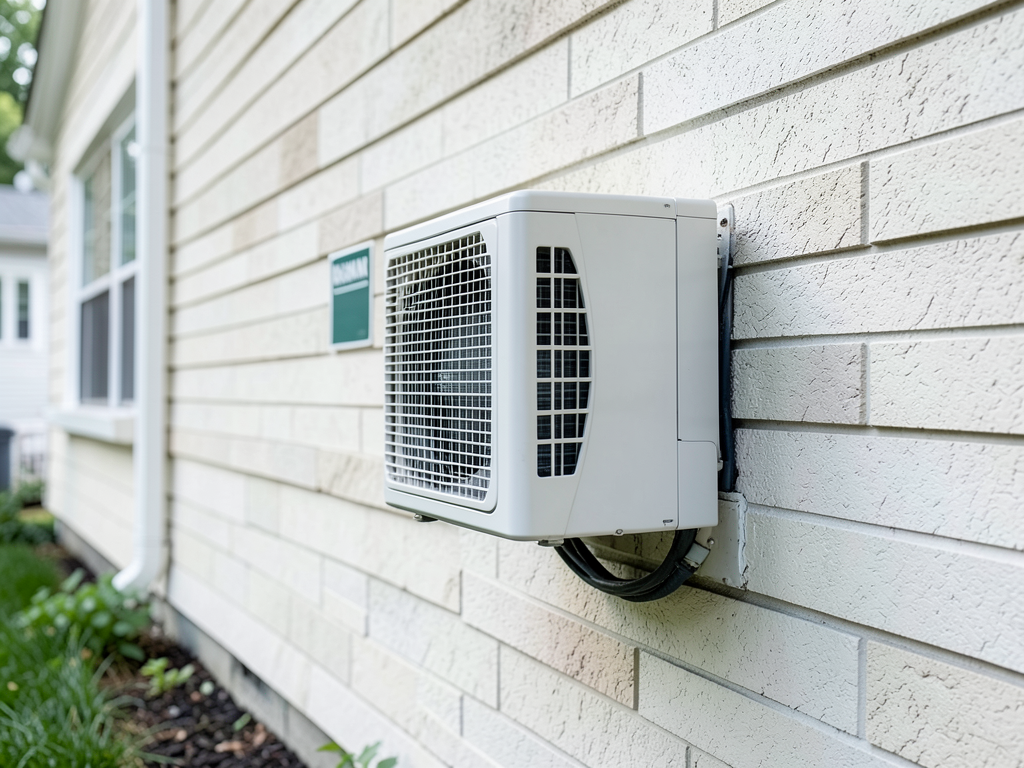
Ductless mini-split systems are a popular choice. The outdoor unit is much smaller than a traditional condenser—often just 28 by 11 inches. It can mount on a sidewall or sit on a small pad near the house. The indoor units mount high on walls or ceilings, freeing up floor space. Mini-splits also allow cooling separate zones, so you do not have to cool the entire home at once.. Read more about How to stop outdoor AC noise from ruining your Burleith patio nights.
High-velocity HVAC systems like Unico or SpacePak are another option. These use small, flexible ducts that fit inside walls and ceilings without major renovation. The outdoor unit is compact and can go on a roof or small side yard. High-velocity systems work well in older homes where traditional ductwork would be too invasive.. Read more about Moving your outdoor AC unit during a backyard redesign in Manor Park.
Vertical packaged units can work if you have a side yard or alley access. These tall, narrow units take up less ground area than a standard condenser. Some Kingman Park alleys are just 6 feet wide, so even a vertical unit must fit carefully between the home and the alley edge.
PTAC (Packaged Terminal Air Conditioner) units are worth considering for very small spaces. These self-contained units fit through an exterior wall and do not need an outdoor condenser at all. They are common in hotels and apartments but can work in rowhomes if wall space is available.. Read more about Creative ways to hide your outdoor AC unit in a Colonial Village backyard.
DC Permitting and HOA Considerations
Installing an AC condenser in Kingman Park is not just about finding space. You need the right permits. DC requires a building permit for any new HVAC equipment. The permit process includes submitting a site plan showing the unit’s location and compliance with setback rules. DC noise ordinances.
If your home is in a historic district, you also need HPO approval. The HPO reviews how the condenser will look from the street. They may require screening, a specific color, or placement out of public view. Getting HPO approval can take 2 to 4 weeks, so plan ahead. Getting Fast AC Repair for Your Navy Yard Apartment or Condo.
Some Kingman Park blocks have active homeowners associations (HOAs). HOA rules can be stricter than city codes. They may limit noise levels, require specific screening, or restrict condenser placement to certain areas. Always check HOA bylaws before finalizing your plan.
Condenser noise is another factor. DC noise ordinances limit equipment sound to 50 decibels at the property line during the day. A standard condenser can run 60 to 70 decibels. If your unit is close to a neighbor’s window, you may need a quieter model or additional sound barriers.
Load Calculation and System Sizing
Before choosing a location, you need to know what size system you need. An undersized unit will not cool your home. An oversized unit will short cycle, wasting energy and wearing out faster. Short Cycling.
A Manual J load calculation determines the right size. It factors in your home’s square footage, insulation, window types, and local climate. In Kingman Park, summer humidity makes proper sizing even more important. A system that is too small will run constantly and still leave you uncomfortable.
SEER2 ratings measure efficiency. In 2026, new AC units must meet minimum SEER2 standards. Higher SEER2 means lower energy bills but also a higher upfront cost. For small rowhomes, a 16 to 18 SEER2 unit often provides the best balance of efficiency and price.
Multi-zone systems let you cool different areas independently. This is useful in Kingman Park homes where the front bedroom may get more sun than the back. With a multi-zone mini-split, you can set different temperatures for each zone, saving energy and improving comfort.
Installation Process and Timeline
Once you have chosen a system and location, the installation process begins. Here is what to expect:
- Site Assessment
A technician measures your space, checks setbacks, and reviews HPO/HOA rules. They also perform a Manual J calculation.
- Permit Application
The contractor submits building permit paperwork and, if needed, HPO application. This step takes 1 to 3 weeks.
- Equipment Delivery
Once permits are approved, the new unit and accessories are ordered. Delivery can take 1 to 2 weeks.
- Installation Day
Technicians mount the indoor unit(s), run refrigerant lines, and place the outdoor condenser. This usually takes 1 day.
- Testing and Inspection
The system is tested for leaks, airflow, and thermostat operation. A final inspection may be required by DC.
- Cleanup and Walkthrough
Technicians remove debris, show you how to use the system, and answer questions.
Most Kingman Park installations take 3 to 6 weeks from start to finish, depending on permit timing and equipment availability.
Cost Factors and Rebates
AC installation costs in Kingman Park vary based on system type and home layout. A basic condenser swap might start around $3,500. A full ductless mini-split system with multiple indoor units can run $6,000 to $12,000.
High-velocity systems are often the most expensive, starting around $12,000, but they avoid the need for major ductwork. PTAC units are cheaper upfront, around $2,000 to $4,000, but may have higher operating costs.
DC offers rebates for high-efficiency systems through the DC Sustainable Energy Utility (DCSEU). You can get up to $300 back for qualifying central AC or mini-split systems. Federal tax credits may also apply for ENERGY STAR certified equipment.
Maintenance costs are lower for newer systems. A well-installed mini-split needs only annual cleaning and filter changes. Older systems may need frequent repairs, which can add up over time. Fast Furnace Repair Services for Families in Chevy Chase DC.
Common Mistakes to Avoid
Many Kingman Park homeowners make the same errors when installing a new AC. Here are the most common:
- Ignoring setbacks
Placing a condenser too close to the property line can lead to fines or forced relocation.
- Skipping permits
Installing without permits can void warranties and cause issues when selling your home.
- Choosing the wrong size
An oversized unit will short cycle, wasting energy and reducing comfort.
- Blocking airflow
Poor clearance around the condenser reduces efficiency and can cause early failure.
- Overlooking noise
A loud unit near a neighbor’s window can lead to complaints and forced removal.
Working with a local HVAC contractor who knows Kingman Park rules can help you avoid these pitfalls.
Case Study: Small Backyard, Big Results
A Kingman Park homeowner on C Street NE had only 10 feet of backyard space. They needed cooling but had no room for a standard condenser. After checking HPO guidelines, they chose a ductless mini-split with a slim outdoor unit mounted on the side wall. The indoor cassette went in the living room ceiling. The system cools the entire first floor quietly and efficiently. Total installation took 4 weeks, including permits. The homeowner reports 30 percent lower energy bills compared to their old window units.
This example shows that even the smallest Kingman Park yards can handle modern cooling with the right approach.
Call for a Free Site Assessment
Do not guess where to put your new AC. A professional site assessment ensures you get the right system in the right place. We will check your yard dimensions, review DC codes, and help you choose the best cooling solution for your Kingman Park home.
Call (771) 218-6322 today to schedule your free consultation. We will measure your space, explain your options, and give you a clear plan before any work begins. Beat the summer heat with a system that fits your home and your life.
Frequently Asked Questions
Do I need a permit to install a new AC condenser in Kingman Park?
Yes. DC requires a building permit for any new HVAC equipment. If your home is in a historic district, you also need HPO approval. The process can take several weeks, so plan ahead.
How much space do I need around the condenser?
DC code requires at least 2 feet from side property lines and 5 feet from rear lines. For proper airflow, leave 24 inches of clearance on all sides of the unit. Less clearance can reduce efficiency by up to 15 percent.
Can I put the condenser on my roof instead of the ground?
Yes, if your roof structure can support the weight and you have safe roof access. Roof-mounted units free up yard space and may be less visible from the street. A professional assessment is needed to check structural and code requirements.
How long does installation take from start to finish?
Most Kingman Park installations take 3 to 6 weeks total. This includes site assessment, permit processing, equipment delivery, and installation. Actual work on-site is usually completed in one day.
What if my HOA has stricter rules than the city?
HOA rules can be more restrictive than DC codes. Some require specific condenser locations, screening, or noise limits. Always check your HOA bylaws before finalizing your plan to avoid costly changes later.
You may also find this helpful. Should I repair or replace my aging AC unit in Kingman Park?.
You may also find this helpful. Meeting Friendship Heights Noise Rules with the Quietest New AC Units on the Market.
{
“@context”: “https://schema.org”,
“@type”: “BlogPosting”,
“headline”: “Where to Put Your New AC Unit When You Have a Tiny Kingman Park Backyard”,
“description”: “Find the best AC placement for your small Kingman Park backyard. Learn DC codes, HOA rules, and compact cooling options that fit historic rowhomes.”,
“wordCount”: 1716,
“datePublished”: “2026-04-05T09:28:00.000Z”,
“dateModified”: “2026-04-05T09:28:00.000Z”,
“inLanguage”: “en-US”,
“mainEntityOfPage”: {
“@type”: “WebPage”,
“@id”: “https://patriothvacwashingtondc.com”
},
“publisher”: {
“@type”: “LocalBusiness”,
“name”: “Patriot HVAC Washington DC”,
“url”: “https://patriothvacwashingtondc.com”
},
“author”: {
“@type”: “Organization”,
“name”: “Patriot HVAC Washington DC”,
“url”: “https://patriothvacwashingtondc.com”
},
“image”: {
“@type”: “ImageObject”,
“url”: “https://patriothvacwashingtondc.com/wp-content/uploads/2026/03/where-to-put-your-new-ac-unit-when-you-have-a-tiny-1.png”
}
}
{
“@context”: “https://schema.org”,
“@type”: “HVACBusiness”,
“name”: “Patriot HVAC Washington DC”,
“url”: “https://patriothvacwashingtondc.com”,
“address”: {
“@type”: “PostalAddress”,
“addressLocality”: “Washington DC”
},
“areaServed”: {
“@type”: “City”,
“name”: “Washington DC”
}
}
{
“@context”: “https://schema.org”,
“@type”: “FAQPage”,
“mainEntity”: [
{
“@type”: “Question”,
“name”: “Do I need a permit to install a new AC condenser in Kingman Park?”,
“acceptedAnswer”: {
“@type”: “Answer”,
“text”: “Yes. DC requires a building permit for any new HVAC equipment. If your home is in a historic district, you also need HPO approval. The process can take several weeks, so plan ahead.”
}
},
{
“@type”: “Question”,
“name”: “How much space do I need around the condenser?”,
“acceptedAnswer”: {
“@type”: “Answer”,
“text”: “DC code requires at least 2 feet from side property lines and 5 feet from rear lines. For proper airflow, leave 24 inches of clearance on all sides of the unit. Less clearance can reduce efficiency by up to 15 percent.”
}
},
{
“@type”: “Question”,
“name”: “Can I put the condenser on my roof instead of the ground?”,
“acceptedAnswer”: {
“@type”: “Answer”,
“text”: “Yes, if your roof structure can support the weight and you have safe roof access. Roof-mounted units free up yard space and may be less visible from the street. A professional assessment is needed to check structural and code requirements.”
}
},
{
“@type”: “Question”,
“name”: “How long does installation take from start to finish?”,
“acceptedAnswer”: {
“@type”: “Answer”,
“text”: “Most Kingman Park installations take 3 to 6 weeks total. This includes site assessment, permit processing, equipment delivery, and installation. Actual work on-site is usually completed in one day.”
}
},
{
“@type”: “Question”,
“name”: “What if my HOA has stricter rules than the city?”,
“acceptedAnswer”: {
“@type”: “Answer”,
“text”: “HOA rules can be more restrictive than DC codes. Some require specific condenser locations, screening, or noise limits. Always check your HOA bylaws before finalizing your plan to avoid costly changes later.”
}
}
]
}
{
“@context”: “https://schema.org”,
“@type”: “HowTo”,
“name”: “How to Install a New AC in a Small Kingman Park Home”,
“step”: [
{
“@type”: “HowToStep”,
“position”: 1,
“name”: “Site Assessment”,
“text”: “A technician measures your space, checks setbacks, and reviews HPO/HOA rules. They also perform a Manual J calculation.”
},
{
“@type”: “HowToStep”,
“position”: 2,
“name”: “Permit Application”,
“text”: “The contractor submits building permit paperwork and, if needed, HPO application. This step takes 1 to 3 weeks.”
},
{
“@type”: “HowToStep”,
“position”: 3,
“name”: “Equipment Delivery”,
“text”: “Once permits are approved, the new unit and accessories are ordered. Delivery can take 1 to 2 weeks.”
},
{
“@type”: “HowToStep”,
“position”: 4,
“name”: “Installation Day”,
“text”: “Technicians mount the indoor unit(s), run refrigerant lines, and place the outdoor condenser. This usually takes 1 day.”
},
{
“@type”: “HowToStep”,
“position”: 5,
“name”: “Testing and Inspection”,
“text”: “The system is tested for leaks, airflow, and thermostat operation. A final inspection may be required by DC.”
},
{
“@type”: “HowToStep”,
“position”: 6,
“name”: “Cleanup and Walkthrough”,
“text”: “Technicians remove debris, show you how to use the system, and answer questions.”
}
],
“image”: “https://patriothvacwashingtondc.com/wp-content/uploads/2026/03/where-to-put-your-new-ac-unit-when-you-have-a-tiny-1.png”
}
{
“@context”: “https://schema.org”,
“@type”: “BreadcrumbList”,
“itemListElement”: [
{
“@type”: “ListItem”,
“position”: 1,
“name”: “Home”,
“item”: “https://patriothvacwashingtondc.com”
},
{
“@type”: “ListItem”,
“position”: 2,
“name”: “Blog”,
“item”: “https://patriothvacwashingtondc.com/blog”
},
{
“@type”: “ListItem”,
“position”: 3,
“name”: “Where to Put Your New AC Unit When You Have a Tiny Kingman Park Backyard”
}
]
}
{
“@context”: “https://schema.org”,
“@type”: “Service”,
“serviceType”: “HVAC”,
“provider”: {
“@type”: “LocalBusiness”,
“name”: “Patriot HVAC Washington DC”,
“url”: “https://patriothvacwashingtondc.com”
},
“areaServed”: {
“@type”: “City”,
“name”: “Washington DC”
},
“description”: “Find the best AC placement for your small Kingman Park backyard. Learn DC codes, HOA rules, and compact cooling options that fit historic rowhomes.”
}