
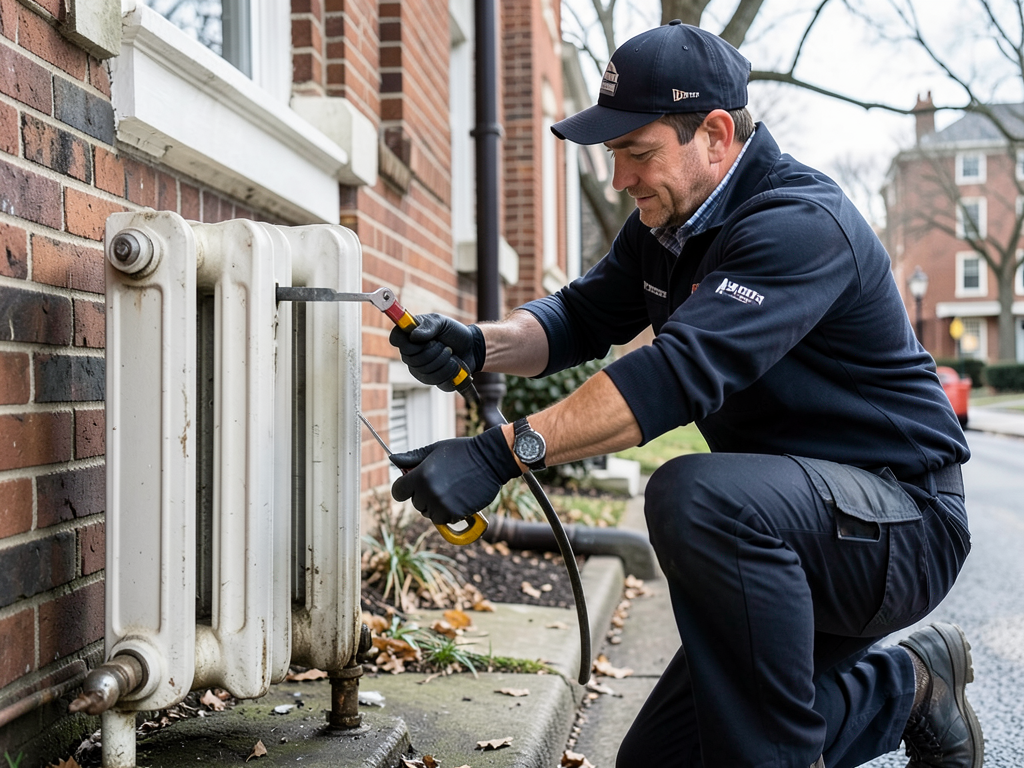
Getting Your Dupont Circle Radiators Ready for a DC Winter
Washington DC winters can drop below freezing with little warning and your radiator system needs to be ready. In Dupont Circle many historic row houses still rely on steam or hot water boilers that were installed decades ago. These systems work well when maintained but can fail quickly under cold stress leaving you without heat on the coldest nights. This guide covers how to check your system now so you stay warm when temperatures plummet. Boiler Services.
Understanding Your Dupont Circle Boiler System
Most older Dupont Circle homes use one of two radiator systems. Steam boilers heat water until it becomes vapor then push that steam through pipes to radiators. Hot water boilers circulate heated water through a closed loop. Steam systems are more common in pre-1940s construction and require slightly different maintenance than hot water systems.
Steam systems operate at higher temperatures and pressures. You will hear hissing sounds from air vents on radiators as steam pushes air out. Hot water systems run quieter with a gentle flow sound. Both need annual service but steam boilers require more frequent pressure checks and vent cleaning.
Common Radiator Problems in Historic DC Row Houses
Uneven heating is the most frequent complaint in multi-story Dupont Circle homes. Steam rises so upper floors may get more heat than lower levels. This happens when radiator valves are not balanced or when pipes have settled over time. Hot water systems can have similar issues if the circulator pump is weak or if air pockets block flow. The Best Heating and Cooling Solutions for Adams Morgan Condos.
Banging or knocking sounds often mean trapped air or water hammer in steam pipes. This occurs when steam condenses too quickly or when pipes shift slightly in their mounts. If you hear loud bangs when the system starts your boiler may need immediate service.
Leaks around radiators usually indicate worn valve packing or corroded pipe joints. In older homes the original fittings may be brass which can develop hairline cracks over decades. Even small leaks waste energy and can cause water damage to floors and walls.
Essential Pre-Winter Maintenance Steps
Start by checking your boiler pressure. Steam systems typically run at 2-5 psi while hot water systems operate at 12-15 psi. If pressure is too low your system may not heat properly. If pressure is too high you risk dangerous overpressure conditions.
Inspect all visible pipes for corrosion or damage. Look for white powdery deposits which indicate slow leaks. Check the area around your boiler for water stains or rust. These signs suggest developing problems that need professional attention.
Test your carbon monoxide detectors and smoke alarms. Gas boilers produce carbon monoxide and a blocked flue or cracked heat exchanger can create a dangerous situation. Replace batteries and test each device before heating season begins.
Radiator Bleeding and Balancing
Air trapped in radiators reduces heating efficiency. For hot water systems use a radiator key to open the bleed valve at the top of each unit. Hold a cup under the valve and open it until water flows steadily then close it. Do this when the system is cool.
Steam radiators have air vents rather than bleed valves. These small devices should hiss when steam enters then close when steam reaches them. If vents are clogged with mineral deposits they need replacement. Clean vents with vinegar or replace them if they stick.
Balancing involves adjusting radiator valves to distribute heat evenly. Start with radiators farthest from the boiler and open their valves fully. Work toward the boiler reducing flow to closer radiators. This ensures all rooms receive adequate heat.
Expansion Tank Maintenance
Hot water boiler systems include an expansion tank that absorbs pressure changes as water heats and cools. The tank contains air separated from water by a rubber diaphragm. Over time the diaphragm can fail causing the tank to fill with water. EPA Carbon Monoxide Safety.
Check the expansion tank by tapping it. A properly functioning tank sounds hollow at the top and solid at the bottom. If it sounds solid throughout the diaphragm has likely failed. A failed tank causes pressure relief valves to leak and can damage your boiler.
Steam systems use a different type of expansion device called a Hartford loop. This prevents water from leaving the boiler if a leak develops. Steam systems require less expansion tank maintenance but still need annual inspection.
Thermostat Calibration and Zoning
Older thermostats can lose calibration causing temperature swings. Test yours by placing a separate thermometer near it and comparing readings. If your thermostat is off by more than a degree replace it with a programmable or smart model.
Many Dupont Circle homes have single-zone heating even though they have multiple floors. This means all radiators get the same water temperature regardless of which floor needs heat. Consider adding thermostatic radiator valves which automatically adjust flow based on room temperature.
Smart thermostats can learn your schedule and adjust temperatures automatically. Some models work with radiator systems through external sensors. These devices can reduce energy use by up to 15% while maintaining comfort.
Emergency Shutdown Procedures
Know how to shut off your boiler in an emergency. Locate the main gas valve usually near the gas meter or the electrical disconnect switch for electric boilers. Mark these clearly and ensure all household members know their locations.
If your boiler develops a leak shut it off immediately. Water damage can be extensive and electrical hazards develop quickly when water contacts wiring. Place buckets under leaks to catch water and call for emergency service.
Strange odors require immediate attention. A rotten egg smell indicates a gas leak. A burning smell could mean electrical problems or overheating. Turn off the system and call for help right away. How to Choose the Right Air Conditioning Replacement for Your Foggy Bottom Townhouse.
Energy Efficiency Improvements
Older radiator systems often waste energy through poor insulation and air leaks. Check around windows and doors for drafts. Seal gaps with weatherstripping or caulk. Add insulation to walls if possible especially in homes built before modern insulation standards.
Reflector panels behind radiators can direct more heat into rooms rather than losing it through exterior walls. These simple metal sheets install easily and improve efficiency in older buildings with poor wall insulation.
Consider upgrading to a high-efficiency condensing boiler if your current unit is over 20 years old. These units capture heat that would otherwise escape through the flue. While expensive upfront they can reduce heating costs by 30% or more.
DC Building Code Requirements
Washington DC follows the International Mechanical Code with local amendments. Boiler installations require permits from the Department of Buildings. All gas-fired equipment must meet current efficiency standards and include proper venting and combustion air supply. International Mechanical Code.
Carbon monoxide detectors are mandatory in all DC homes with combustion appliances. Detectors must be installed on every level and near sleeping areas. Test them monthly and replace units every 5-7 years.
Annual inspections are recommended for all boiler systems. While not legally required they are often required by insurance companies and are essential for older equipment. A qualified technician will check safety controls pressure relief valves and combustion efficiency.
Professional Service vs DIY Maintenance
Basic tasks like bleeding radiators and checking pressure you can handle yourself. However internal boiler components require professional service. The heat exchanger combustion chamber and safety controls need specialized tools and training to inspect properly.
Professional technicians also check for gas leaks test combustion emissions and verify proper venting. These tasks involve combustion analysis and require equipment most homeowners do not own. Annual professional service catches problems before they become emergencies.
If your system is over 15 years old consider a comprehensive inspection before each heating season. Older equipment fails more frequently and catching problems early prevents costly emergency repairs. Getting Fast AC Repair for Your Navy Yard Apartment or Condo.
When to Call for Emergency Service
Certain situations require immediate professional help. No heat during freezing weather risks frozen pipes and water damage. Water leaking from your boiler or pipes can cause structural damage and electrical hazards. Strange noises like loud banging or whistling indicate serious problems.
Gas odors always require immediate evacuation and emergency service. Do not try to locate the leak yourself. Strange burning smells could indicate electrical problems or overheating components. Yellow flames instead of blue in gas burners suggest incomplete combustion and carbon monoxide risk.
Pressure relief valves that constantly drip need immediate attention. These valves protect against dangerous overpressure but should not release water during normal operation. Constant dripping indicates system problems that could lead to boiler failure.
Local Service Considerations for Dupont Circle
Dupont Circle homes often have unique heating challenges due to their age and construction. Many buildings have plaster walls which can hide pipe deterioration. Some homes have converted from coal to gas but retained original piping which may be undersized for modern boilers.
Historic preservation rules can affect heating upgrades. Exterior modifications like new flue penetrations may require approval from the Historic Preservation Office. Interior changes are generally easier but still require permits for major work.
Local contractors familiar with Dupont Circle understand these constraints. They know which buildings have cast iron radiators versus newer convectors. They understand the specific challenges of heating Victorian row houses with high ceilings and large windows.
Preparing for Winter Storms
DC winter storms can cause power outages that affect boiler operation. If you have an electric ignition system your boiler will not work without power. Consider a small generator to power your heating system during outages.
Keep your thermostat at least 55 degrees when away for extended periods. This prevents frozen pipes even if the power fails. Open cabinet doors under sinks on exterior walls to allow warm air circulation around plumbing.
Stock up on basic supplies before winter. Keep extra blankets available. Have a battery-powered carbon monoxide detector as backup. Know how to manually open radiator valves if thermostatic controls fail during a power outage.
Cost Considerations for Repairs and Upgrades
Minor repairs like valve replacement or vent cleaning typically cost $150-300. Major repairs such as heat exchanger replacement run $800-1500. Full system replacement for a typical row house costs $5000-12000 depending on boiler size and efficiency rating. Fast Furnace Repair Services for Families in Chevy Chase DC.
Emergency service calls after hours or on weekends cost 1.5-2 times standard rates. Many companies charge $150-250 just for the emergency visit plus parts and labor. Annual maintenance contracts often include one or two visits per year at reduced rates.
Energy efficiency upgrades may qualify for rebates through local utilities or federal tax credits. High-efficiency boilers installed before the end of the current tax year may qualify for up to 30% of installation costs as a credit.
Frequently Asked Questions
How often should I bleed my radiators?
Hot water radiators should be bled once at the start of each heating season or whenever you notice cold spots. Steam radiators rarely need bleeding since air vents automatically release air. If steam radiators stay cold check the air vents first.
Why is my boiler pressure dropping?
Pressure drops usually indicate small leaks in the system. Check all visible joints and valves for moisture. If you cannot find leaks the problem may be internal like a faulty pressure relief valve or a leak in the heat exchanger. These require professional repair.
Can I paint my radiators?
Yes but use high-heat paint designed for radiators. Standard paint can crack and peel from heat exposure. Metallic or silver colors work best since they reflect heat. Do not paint over air vents or control valves.
How long should my boiler last?
Well-maintained boilers typically last 15-30 years. Steam boilers often last longer than hot water units since they operate at lower pressures. Regular maintenance and timely repairs extend service life. Units over 20 years old should be evaluated for replacement before failure occurs.
What temperature should I set my thermostat?
Most people find 68-72 degrees comfortable when home and awake. Lower to 60-65 degrees at night or when away to save energy. Each degree lower can reduce heating costs by 1-3%. Smart thermostats can automate these adjustments.
- Turn Off System
Shut off your boiler and let the system cool completely. Hot water under pressure can cause burns.
- Locate Bleed Valve
Find the small square or slotted valve at the top of each radiator. You will need a radiator key or flathead screwdriver.
- Open Valve Slowly
Place a cup under the valve and turn counterclockwise. You will hear air escaping followed by water.
- Close When Water Flows
Once water flows steadily without sputtering close the valve firmly. Do not overtighten.
- Check Pressure
Verify your boiler pressure is in the correct range 12-15 psi for most hot water systems.
Take Action Before the Cold Hits
Your radiator system works hard during DC winters. A few hours of preparation now can prevent days without heat when temperatures drop. Check pressure bleed radiators and inspect for leaks this weekend. If you find problems or just want peace of mind call for professional service.
Call (771) 218-6322 today to schedule your pre-winter boiler inspection. Our technicians know Dupont Circle homes and can spot problems before they leave you in the cold. Do not wait until the first freeze to discover your system needs help.
Pick up the phone and call (771) 218-6322 before the next storm hits. We offer same-day service for urgent issues and can help you prepare your system for whatever winter brings. Your comfort and safety matter and we are ready to help.
{
“@context”: “https://schema.org”,
“@type”: “BlogPosting”,
“headline”: “Getting Your Dupont Circle Radiators Ready for a DC Winter”,
“description”: “Learn how to prepare your Dupont Circle radiator system for DC’s harsh winters. Get expert tips on steam vs. hot water boilers, bleeding radiators, and preventing common heating failures.”,
“wordCount”: 2274,
“datePublished”: “2026-02-15T09:09:00.000Z”,
“dateModified”: “2026-02-15T09:09:00.000Z”,
“inLanguage”: “en-US”,
“mainEntityOfPage”: {
“@type”: “WebPage”,
“@id”: “https://patriothvacwashingtondc.com”
},
“publisher”: {
“@type”: “LocalBusiness”,
“name”: “Patriot HVAC Washington DC”,
“url”: “https://patriothvacwashingtondc.com”
},
“author”: {
“@type”: “Organization”,
“name”: “Patriot HVAC Washington DC”,
“url”: “https://patriothvacwashingtondc.com”
},
“image”: {
“@type”: “ImageObject”,
“url”: “https://patriothvacwashingtondc.com/wp-content/uploads/2026/03/getting-your-dupont-circle-radiators-ready-for-a-d-1.png”
}
}
{
“@context”: “https://schema.org”,
“@type”: “HVACBusiness”,
“name”: “Patriot HVAC Washington DC”,
“url”: “https://patriothvacwashingtondc.com”,
“address”: {
“@type”: “PostalAddress”,
“addressLocality”: “Washington DC”
},
“areaServed”: {
“@type”: “City”,
“name”: “Washington DC”
}
}
{
“@context”: “https://schema.org”,
“@type”: “FAQPage”,
“mainEntity”: [
{
“@type”: “Question”,
“name”: “How often should I bleed my radiators?”,
“acceptedAnswer”: {
“@type”: “Answer”,
“text”: “Hot water radiators should be bled once at the start of each heating season or whenever you notice cold spots. Steam radiators rarely need bleeding since air vents automatically release air. If steam radiators stay cold check the air vents first.”
}
},
{
“@type”: “Question”,
“name”: “Why is my boiler pressure dropping?”,
“acceptedAnswer”: {
“@type”: “Answer”,
“text”: “Pressure drops usually indicate small leaks in the system. Check all visible joints and valves for moisture. If you cannot find leaks the problem may be internal like a faulty pressure relief valve or a leak in the heat exchanger. These require professional repair.”
}
},
{
“@type”: “Question”,
“name”: “Can I paint my radiators?”,
“acceptedAnswer”: {
“@type”: “Answer”,
“text”: “Yes but use high-heat paint designed for radiators. Standard paint can crack and peel from heat exposure. Metallic or silver colors work best since they reflect heat. Do not paint over air vents or control valves.”
}
},
{
“@type”: “Question”,
“name”: “How long should my boiler last?”,
“acceptedAnswer”: {
“@type”: “Answer”,
“text”: “Well-maintained boilers typically last 15-30 years. Steam boilers often last longer than hot water units since they operate at lower pressures. Regular maintenance and timely repairs extend service life. Units over 20 years old should be evaluated for replacement before failure occurs.”
}
},
{
“@type”: “Question”,
“name”: “What temperature should I set my thermostat?”,
“acceptedAnswer”: {
“@type”: “Answer”,
“text”: “Most people find 68-72 degrees comfortable when home and awake. Lower to 60-65 degrees at night or when away to save energy. Each degree lower can reduce heating costs by 1-3%. Smart thermostats can automate these adjustments.”
}
}
]
}
{
“@context”: “https://schema.org”,
“@type”: “HowTo”,
“name”: “How to Bleed a Hot Water Radiator”,
“step”: [
{
“@type”: “HowToStep”,
“position”: 1,
“name”: “Turn Off System”,
“text”: “Shut off your boiler and let the system cool completely. Hot water under pressure can cause burns.”
},
{
“@type”: “HowToStep”,
“position”: 2,
“name”: “Locate Bleed Valve”,
“text”: “Find the small square or slotted valve at the top of each radiator. You will need a radiator key or flathead screwdriver.”
},
{
“@type”: “HowToStep”,
“position”: 3,
“name”: “Open Valve Slowly”,
“text”: “Place a cup under the valve and turn counterclockwise. You will hear air escaping followed by water.”
},
{
“@type”: “HowToStep”,
“position”: 4,
“name”: “Close When Water Flows”,
“text”: “Once water flows steadily without sputtering close the valve firmly. Do not overtighten.”
},
{
“@type”: “HowToStep”,
“position”: 5,
“name”: “Check Pressure”,
“text”: “Verify your boiler pressure is in the correct range 12-15 psi for most hot water systems.”
}
],
“image”: “https://patriothvacwashingtondc.com/wp-content/uploads/2026/03/getting-your-dupont-circle-radiators-ready-for-a-d-1.png”
}
{
“@context”: “https://schema.org”,
“@type”: “BreadcrumbList”,
“itemListElement”: [
{
“@type”: “ListItem”,
“position”: 1,
“name”: “Home”,
“item”: “https://patriothvacwashingtondc.com”
},
{
“@type”: “ListItem”,
“position”: 2,
“name”: “Blog”,
“item”: “https://patriothvacwashingtondc.com/blog”
},
{
“@type”: “ListItem”,
“position”: 3,
“name”: “Getting Your Dupont Circle Radiators Ready for a DC Winter”
}
]
}
{
“@context”: “https://schema.org”,
“@type”: “Service”,
“serviceType”: “HVAC”,
“provider”: {
“@type”: “LocalBusiness”,
“name”: “Patriot HVAC Washington DC”,
“url”: “https://patriothvacwashingtondc.com”
},
“areaServed”: {
“@type”: “City”,
“name”: “Washington DC”
},
“description”: “Learn how to prepare your Dupont Circle radiator system for DC’s harsh winters. Get expert tips on steam vs. hot water boilers, bleeding radiators, and preventing common heating failures.”
}