
Indoor Air Quality Solutions to Combat Pollen and Smog in NoMa
Living in NoMa means enjoying urban convenience but dealing with higher levels of air pollution from traffic on North Capitol Street and construction dust from the neighborhood’s rapid development. Your indoor air can be two to five times more polluted than outdoor air according to the EPA, making professional air quality solutions essential for NoMa residents. EPA Indoor Air Quality information.
Professional indoor air quality systems remove microscopic pollutants that standard HVAC filters miss. These systems work continuously to capture pollen from Rock Creek Park, filter diesel soot from commuter traffic, and eliminate volatile organic compounds from new construction materials common in NoMa’s modern buildings.
The right air purification system can reduce airborne particles by up to 99.97% while operating silently through your existing ductwork. This means cleaner air in every room without the noise and maintenance of portable units that only clean one space at a time. How to Choose the Right Air Conditioning Replacement for Your Foggy Bottom Townhouse.
Why NoMa Homes Need Advanced Air Purification
NoMa’s location between major transportation corridors creates unique air quality challenges. The neighborhood sits near the convergence of I-395, North Capitol Street, and the Metro’s Red Line, creating a concentration of vehicle emissions and construction-related particulates.
Modern NoMa buildings often feature energy-efficient construction that seals tightly to reduce heating and cooling costs. While this improves energy efficiency, it also traps indoor pollutants, creating a need for mechanical ventilation and air purification systems. The Best Heating and Cooling Solutions for Adams Morgan Condos.
The area’s mix of new high-rises and converted industrial spaces means dealing with different air quality issues. New construction materials off-gas VOCs while older buildings may harbor mold spores or dust from renovation work.
NoMa’s proximity to green spaces like the Metropolitan Branch Trail and nearby parks introduces seasonal pollen that can trigger allergies and respiratory issues. Professional air quality systems address these multiple pollution sources simultaneously.
Comparing Air Purification Technologies for DC Homes
Understanding the differences between air purification technologies helps you choose the right system for your NoMa home. Each technology targets specific pollutants and works best in combination with others.
| Technology | Best For | Maintenance | DC Climate Suitability |
|---|---|---|---|
| HEPA Filtration | Pollen, dust, pet dander | Annual replacement | Excellent year-round |
| UV-C Light | Bacteria, viruses, mold | Annual bulb replacement | Critical for humid summers |
| Electronic Air Cleaner | Smoke, fine particulates | Washed every 3-6 months | Ideal for urban pollution |
| Activated Carbon | VOCs, odors, chemicals | Annual replacement | Essential for new construction |
Whole-Home HEPA Filtration Systems
High-efficiency particulate air (HEPA) filters capture particles as small as 0.3 microns with 99.97% efficiency. This includes pollen, mold spores, pet dander, and dust mites that trigger allergies and asthma.
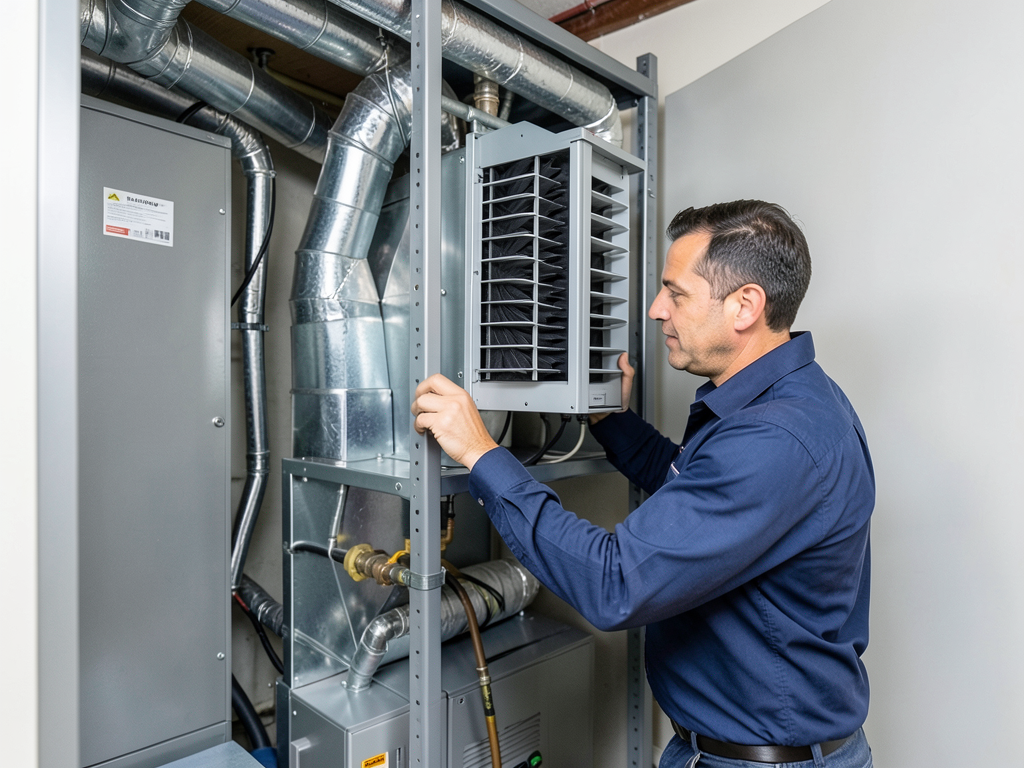
Whole-home HEPA systems integrate with your existing HVAC equipment to filter all air passing through your ducts. Unlike portable units that only clean one room, these systems provide comprehensive coverage for your entire NoMa home.
Professional installation ensures proper airflow and prevents strain on your HVAC system. The filters require specific housing and may need ductwork modifications to maintain optimal system performance.
UV-C Germicidal Light Purification
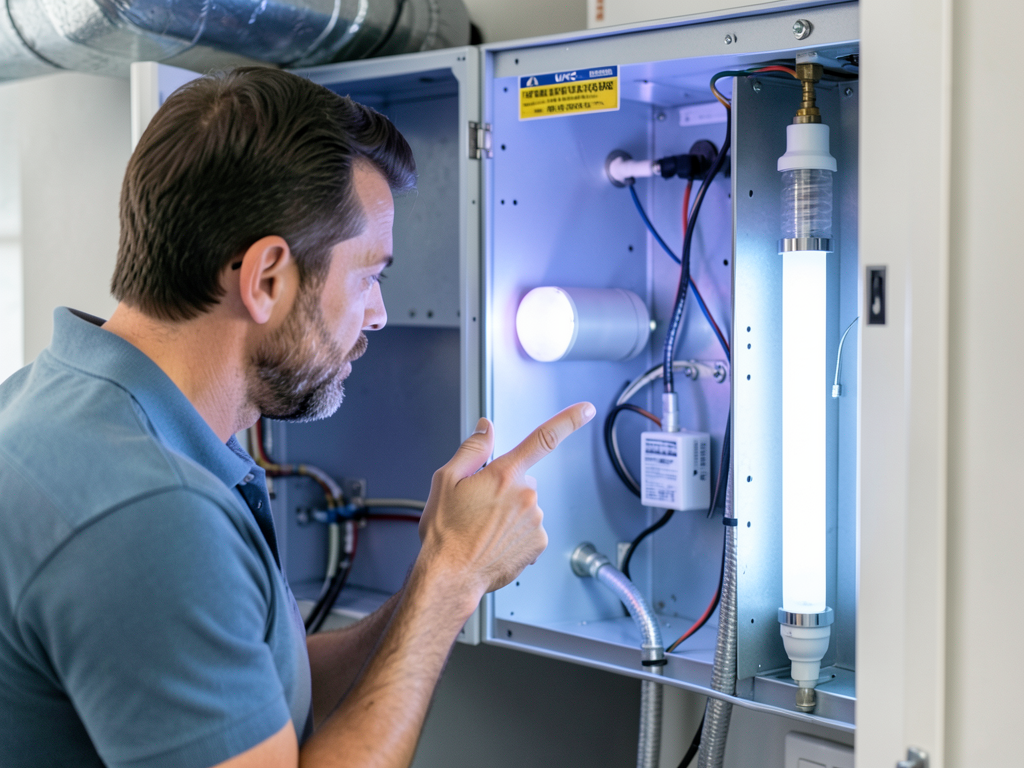
Ultraviolet-C light at 254 nanometers disrupts the DNA of microorganisms, preventing them from reproducing. This technology eliminates bacteria, viruses, and mold spores that pass through your HVAC system.
UV-C lights install inside your air handler or ductwork where they treat air continuously as it circulates. The lights operate silently and use minimal electricity while providing constant protection against biological contaminants.
In NoMa’s humid climate, UV-C systems prevent mold growth inside air handlers and ductwork where moisture can accumulate. This reduces musty odors and prevents mold spores from spreading through your home.
Electronic Air Cleaners and Ionizers
Electronic air cleaners use electrically charged plates to attract and capture airborne particles. These systems excel at removing smoke, fine dust, and other particulates that mechanical filters might miss.
Unlike HEPA filters that require replacement, electronic air cleaners feature washable collection plates that you clean every few months. This reduces long-term maintenance costs while providing continuous air cleaning.
Advanced electronic systems can also produce negative ions that cause particles to clump together and fall out of the air, reducing the load on your HVAC filter.
DC Building Code Requirements for Air Quality Systems
Washington DC follows the International Mechanical Code with local amendments that affect air quality system installation. The DC Construction Code requires proper ventilation rates and air filtration for all residential HVAC systems. DC Construction Code requirements.
According to DC Municipal Regulations 12-14, mechanical ventilation systems must provide at least 0.35 air changes per hour or 15 cubic feet per minute of fresh air per occupant, whichever is greater.
The District’s Green Building Act requires energy recovery ventilators in new construction, which can integrate with air purification systems to provide both fresh air and filtration without sacrificing energy efficiency.
Professional installation ensures your system meets all local code requirements while providing optimal air cleaning performance for your NoMa home.
Installation Process for NoMa Properties
Professional air quality system installation follows a systematic process to ensure optimal performance and code compliance. Each step addresses the specific challenges of NoMa’s building stock and climate conditions.
- Initial Assessment
Technicians evaluate your existing HVAC system, ductwork configuration, and specific air quality concerns. They measure airflow, check filter compatibility, and identify potential installation challenges unique to your NoMa property.
- System Selection
Based on the assessment, technicians recommend the appropriate combination of technologies. High-rise condos might need compact systems while rowhouses can accommodate larger HEPA units with UV-C integration.
- Ductwork Modifications
Many installations require minor ductwork modifications to accommodate new filters or UV-C lights. This might include adding bypass dampers or creating access panels for maintenance.
- System Integration
The new air quality equipment connects to your existing HVAC system. This includes wiring controls, installing sensors, and ensuring proper communication between all components.
- Calibration and Testing
Technicians verify airflow rates, check filter seals, and test UV-C light intensity. They ensure the system operates within manufacturer specifications and meets local code requirements.
Maintenance Requirements for Optimal Performance
Regular maintenance keeps your air quality system operating at peak efficiency. The specific schedule depends on your system type, local air quality conditions, and household factors like pets or allergies.
HEPA filters typically require replacement every 6-12 months in NoMa homes. Homes near construction sites or with multiple pets might need more frequent changes to maintain optimal airflow.
UV-C bulbs lose effectiveness over time and should be replaced annually, even if they still produce visible light. The bulbs continue to operate but produce insufficient UV intensity to kill microorganisms effectively.
Electronic air cleaners need cleaning every 3-6 months. The collection plates accumulate particles that reduce efficiency, and regular cleaning maintains optimal performance.
Professional maintenance includes checking all electrical connections, verifying UV-C light intensity, and testing airflow rates to ensure your system continues protecting your indoor air quality.
Cost Factors and Investment Considerations
Air quality system costs vary based on home size, system complexity, and installation requirements. Understanding these factors helps you budget appropriately for your NoMa property.
Whole-home systems typically range from $1,500 to $4,000 installed, depending on the technologies selected and installation complexity. Smaller condos might be on the lower end while larger rowhouses or new construction could require more extensive systems.
Additional costs may include ductwork modifications, electrical upgrades, or smart thermostat integration for advanced control options. These enhancements improve system performance but add to the initial investment.
Energy consumption varies by system type. HEPA filters may slightly reduce HVAC efficiency due to increased air resistance, while UV-C lights use minimal electricity comparable to a standard light bulb.
Many NoMa residents find the health benefits and improved comfort justify the investment, especially for households with allergies, asthma, or respiratory sensitivities.
Energy Efficiency and Operating Costs
Modern air quality systems are designed to work efficiently with your existing HVAC equipment. Proper selection and installation minimize energy impact while maximizing air cleaning performance.
High-quality HEPA filters may increase your HVAC fan’s energy consumption by 5-10% due to increased air resistance. However, this is often offset by improved system efficiency from cleaner coils and heat exchangers.
UV-C systems use minimal electricity, typically costing less than $5 per month to operate. The energy savings from preventing mold growth and maintaining clean coils often exceeds the operating cost.
Electronic air cleaners have no ongoing energy costs beyond the minimal power needed for the electronic charging system. The washable filters eliminate replacement costs while providing effective air cleaning.
Smart controls can optimize system operation, running air cleaning cycles only when needed based on occupancy, outdoor air quality, or allergy season conditions.
Health Benefits and Quality of Life Improvements
Professional air quality systems provide measurable health benefits that improve daily life for NoMa residents. The reduction in airborne pollutants creates a healthier indoor environment year-round.
Allergy sufferers typically experience fewer symptoms when indoor air is properly filtered. HEPA systems capture pollen, dust mites, and pet dander that trigger allergic reactions, allowing better sleep and increased daytime comfort.
People with asthma or other respiratory conditions often breathe easier with reduced airborne irritants. UV-C systems eliminate mold spores and bacteria that can trigger asthma attacks or respiratory infections.
Better air quality improves sleep quality by reducing nighttime congestion and breathing difficulties. Many users report waking more refreshed and experiencing fewer morning allergy symptoms.
Reduced exposure to VOCs from new construction materials, cleaning products, and furnishings can decrease headaches, eye irritation, and other chemical sensitivity symptoms common in modern buildings.
Smart Home Integration Options
Modern air quality systems integrate with smart home technology for enhanced control and monitoring. These features provide convenience while optimizing system performance and energy efficiency.
Wi-Fi enabled controls allow you to monitor air quality, adjust settings, and receive maintenance alerts from your smartphone. You can check filter status or turn on enhanced cleaning modes before guests arrive.
Integration with smart thermostats enables automatic adjustments based on occupancy, outdoor air quality, or specific times of day. The system can increase filtration during high pollen counts or when you’re away from home.
Air quality sensors provide real-time feedback on pollutant levels, allowing the system to respond automatically to changing conditions. This ensures optimal air cleaning without manual adjustments.
Voice control through smart speakers lets you adjust settings hands-free, while integration with home automation systems can coordinate air cleaning with other comfort functions.
Frequently Asked Questions
How long does air quality system installation take?
Most installations complete in 4-8 hours depending on system complexity and any required ductwork modifications. Simple filter upgrades might take just 2 hours while comprehensive systems with UV-C integration could require a full day.
Will an air purifier make my HVAC system louder?
Properly installed systems should not increase noise levels. In fact, cleaner coils and heat exchangers often allow your HVAC system to operate more quietly by reducing the workload on fans and compressors.
Can I install an air quality system in my condo?
Yes, many systems are designed specifically for condo applications. Compact HEPA units, UV-C lights, and electronic air cleaners can fit in small mechanical closets while providing whole-home air cleaning.
How do I know if my system is working properly?
Many systems include air quality indicators or smartphone apps that show real-time performance. You might also notice reduced dust accumulation, fewer allergy symptoms, and better overall air freshness as signs of proper operation.
Are air quality systems worth the investment in NoMa?
Given NoMa’s urban location and mix of new and older buildings, air quality systems provide significant benefits. The health improvements, better sleep, and reduced allergy symptoms often justify the investment for most residents.
Get Professional Air Quality Assessment Today
Your NoMa home deserves clean, healthy air. Professional air quality assessment identifies the specific pollutants affecting your indoor environment and recommends the right combination of technologies for your needs.
Don’t wait for allergy season or construction dust to affect your health. Call (771) 218-6322 today to schedule your comprehensive air quality evaluation. Our technicians understand NoMa’s unique air quality challenges and can recommend solutions that work with your existing HVAC system.
You may also find this helpful. Dehumidification Strategies for Glover Park Basement Units.
Pick up the phone and call (771) 218-6322 before the next high pollen count or construction project impacts your indoor air. Clean air is just one call away, and your family deserves to breathe easier in your NoMa home.
{
“@context”: “https://schema.org”,
“@type”: “BlogPosting”,
“headline”: “Indoor Air Quality Solutions to Combat Pollen and Smog in NoMa”,
“description”: “Breathe cleaner air in NoMa with expert HVAC solutions. Combat pollen, smog, and allergens using HEPA filtration, UV-C purification, and whole-home air quality systems.”,
“wordCount”: 2051,
“datePublished”: “2026-03-20T11:32:00.000Z”,
“dateModified”: “2026-03-20T11:32:00.000Z”,
“inLanguage”: “en-US”,
“mainEntityOfPage”: {
“@type”: “WebPage”,
“@id”: “https://patriothvacwashingtondc.com”
},
“publisher”: {
“@type”: “LocalBusiness”,
“name”: “Patriot HVAC Washington DC”,
“url”: “https://patriothvacwashingtondc.com”
},
“author”: {
“@type”: “Organization”,
“name”: “Patriot HVAC Washington DC”,
“url”: “https://patriothvacwashingtondc.com”
},
“image”: {
“@type”: “ImageObject”,
“url”: “https://patriothvacwashingtondc.com/wp-content/uploads/2026/03/indoor-air-quality-solutions-to-combat-pollen-and-1.png”
}
}
{
“@context”: “https://schema.org”,
“@type”: “HVACBusiness”,
“name”: “Patriot HVAC Washington DC”,
“url”: “https://patriothvacwashingtondc.com”,
“address”: {
“@type”: “PostalAddress”,
“addressLocality”: “Washington DC”
},
“areaServed”: {
“@type”: “City”,
“name”: “Washington DC”
}
}
{
“@context”: “https://schema.org”,
“@type”: “FAQPage”,
“mainEntity”: [
{
“@type”: “Question”,
“name”: “How long does air quality system installation take?”,
“acceptedAnswer”: {
“@type”: “Answer”,
“text”: “Most installations complete in 4-8 hours depending on system complexity and any required ductwork modifications. Simple filter upgrades might take just 2 hours while comprehensive systems with UV-C integration could require a full day.”
}
},
{
“@type”: “Question”,
“name”: “Will an air purifier make my HVAC system louder?”,
“acceptedAnswer”: {
“@type”: “Answer”,
“text”: “Properly installed systems should not increase noise levels. In fact, cleaner coils and heat exchangers often allow your HVAC system to operate more quietly by reducing the workload on fans and compressors.”
}
},
{
“@type”: “Question”,
“name”: “Can I install an air quality system in my condo?”,
“acceptedAnswer”: {
“@type”: “Answer”,
“text”: “Yes, many systems are designed specifically for condo applications. Compact HEPA units, UV-C lights, and electronic air cleaners can fit in small mechanical closets while providing whole-home air cleaning.”
}
},
{
“@type”: “Question”,
“name”: “How do I know if my system is working properly?”,
“acceptedAnswer”: {
“@type”: “Answer”,
“text”: “Many systems include air quality indicators or smartphone apps that show real-time performance. You might also notice reduced dust accumulation, fewer allergy symptoms, and better overall air freshness as signs of proper operation.”
}
},
{
“@type”: “Question”,
“name”: “Are air quality systems worth the investment in NoMa?”,
“acceptedAnswer”: {
“@type”: “Answer”,
“text”: “Given NoMa’s urban location and mix of new and older buildings, air quality systems provide significant benefits. The health improvements, better sleep, and reduced allergy symptoms often justify the investment for most residents.”
}
}
]
}
{
“@context”: “https://schema.org”,
“@type”: “HowTo”,
“name”: “Professional Air Quality Installation Process”,
“step”: [
{
“@type”: “HowToStep”,
“position”: 1,
“name”: “Initial Assessment”,
“text”: “Technicians evaluate your existing HVAC system, ductwork configuration, and specific air quality concerns. They measure airflow, check filter compatibility, and identify potential installation challenges unique to your NoMa property.”
},
{
“@type”: “HowToStep”,
“position”: 2,
“name”: “System Selection”,
“text”: “Based on the assessment, technicians recommend the appropriate combination of technologies. High-rise condos might need compact systems while rowhouses can accommodate larger HEPA units with UV-C integration.”
},
{
“@type”: “HowToStep”,
“position”: 3,
“name”: “Ductwork Modifications”,
“text”: “Many installations require minor ductwork modifications to accommodate new filters or UV-C lights. This might include adding bypass dampers or creating access panels for maintenance.”
},
{
“@type”: “HowToStep”,
“position”: 4,
“name”: “System Integration”,
“text”: “The new air quality equipment connects to your existing HVAC system. This includes wiring controls, installing sensors, and ensuring proper communication between all components.”
},
{
“@type”: “HowToStep”,
“position”: 5,
“name”: “Calibration and Testing”,
“text”: “Technicians verify airflow rates, check filter seals, and test UV-C light intensity. They ensure the system operates within manufacturer specifications and meets local code requirements.”
}
],
“image”: “https://patriothvacwashingtondc.com/wp-content/uploads/2026/03/indoor-air-quality-solutions-to-combat-pollen-and-1.png”
}
{
“@context”: “https://schema.org”,
“@type”: “BreadcrumbList”,
“itemListElement”: [
{
“@type”: “ListItem”,
“position”: 1,
“name”: “Home”,
“item”: “https://patriothvacwashingtondc.com”
},
{
“@type”: “ListItem”,
“position”: 2,
“name”: “Blog”,
“item”: “https://patriothvacwashingtondc.com/blog”
},
{
“@type”: “ListItem”,
“position”: 3,
“name”: “Indoor Air Quality Solutions to Combat Pollen and Smog in NoMa”
}
]
}
{
“@context”: “https://schema.org”,
“@type”: “Service”,
“serviceType”: “HVAC”,
“provider”: {
“@type”: “LocalBusiness”,
“name”: “Patriot HVAC Washington DC”,
“url”: “https://patriothvacwashingtondc.com”
},
“areaServed”: {
“@type”: “City”,
“name”: “Washington DC”
},
“description”: “Breathe cleaner air in NoMa with expert HVAC solutions. Combat pollen, smog, and allergens using HEPA filtration, UV-C purification, and whole-home air quality systems.”
}