Menu

Emergency Boiler Repair in Washington, D.C. – Technicians Dispatched in Under 60 Minutes

When your boiler fails during a winter freeze or weekend cold snap, our certified technicians arrive fast to restore heat and prevent pipe damage across Capitol Hill, Georgetown, and every D.C. neighborhood.

Slider Image 1
Slider Image 2
Slider Image 3
Slider Image 4
Slider Image 5
Slider Image 7
Slider Image 8
Slider Image 9
Slider Image 10
Slider Image 11

Why Boiler Failures Hit Hard in D.C.'s Winter Climate

When your boiler dies at 2 a.m. and the temperature drops below freezing, you are not facing a minor inconvenience. You are facing frozen pipes, water damage, and a home that becomes uninhabitable within hours. Washington, D.C. winters bring unpredictable freezes, and the city's aging housing stock in neighborhoods like Shaw, Logan Circle, and Capitol Hill often relies on boiler systems installed decades ago. These older systems fail without warning, especially during cold snaps when demand peaks and stress on components multiplies.

A failed boiler does not just stop producing heat. It triggers a chain reaction. Water in your radiators can freeze and crack. Pressure relief valves can fail. Expansion tanks can rupture. If you live in a historic rowhouse with original cast iron radiators, a single night without heat can cause tens of thousands in damage. The longer you wait, the worse it gets.

You need 24 hour boiler repair, not a callback on Monday morning. You need a technician who knows the difference between a faulty circulator pump and a broken aquastat. You need urgent boiler fix solutions that stop the damage now, not next week. Every hour without heat increases your risk. If you are searching for same day boiler repair or 24/7 boiler service, you are already behind. The clock is ticking, and professional emergency boiler breakdown response is the only thing standing between you and a disaster.

Why Boiler Failures Hit Hard in D.C.'s Winter Climate
How We Diagnose and Repair Boiler Failures Fast

How We Diagnose and Repair Boiler Failures Fast

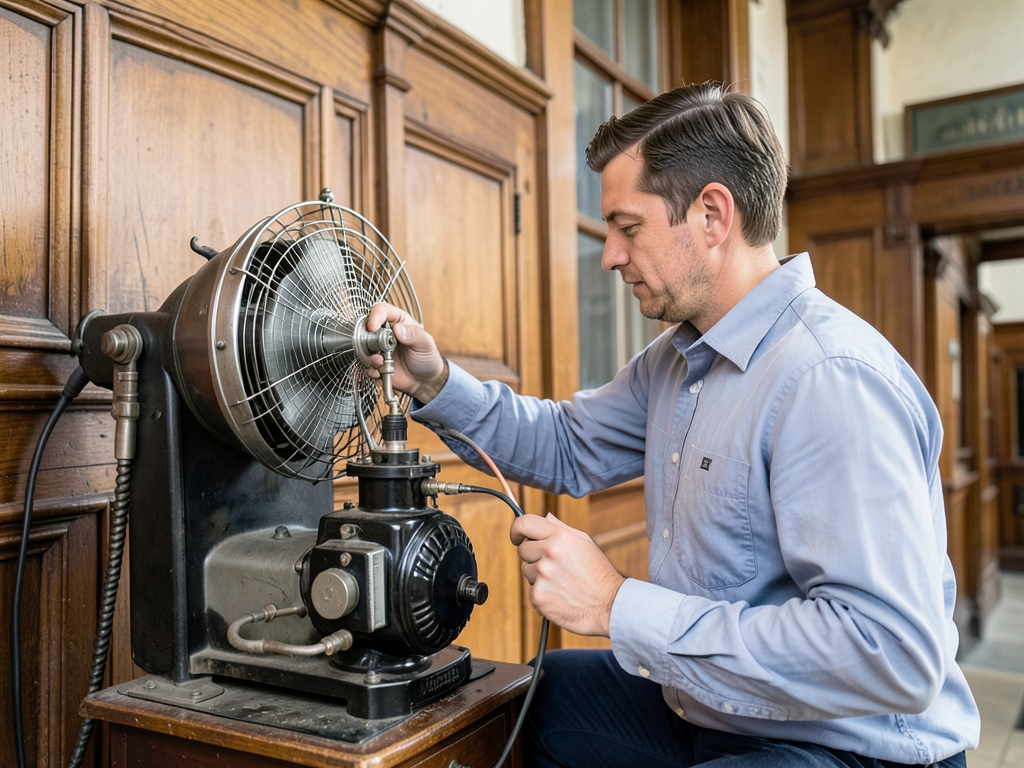
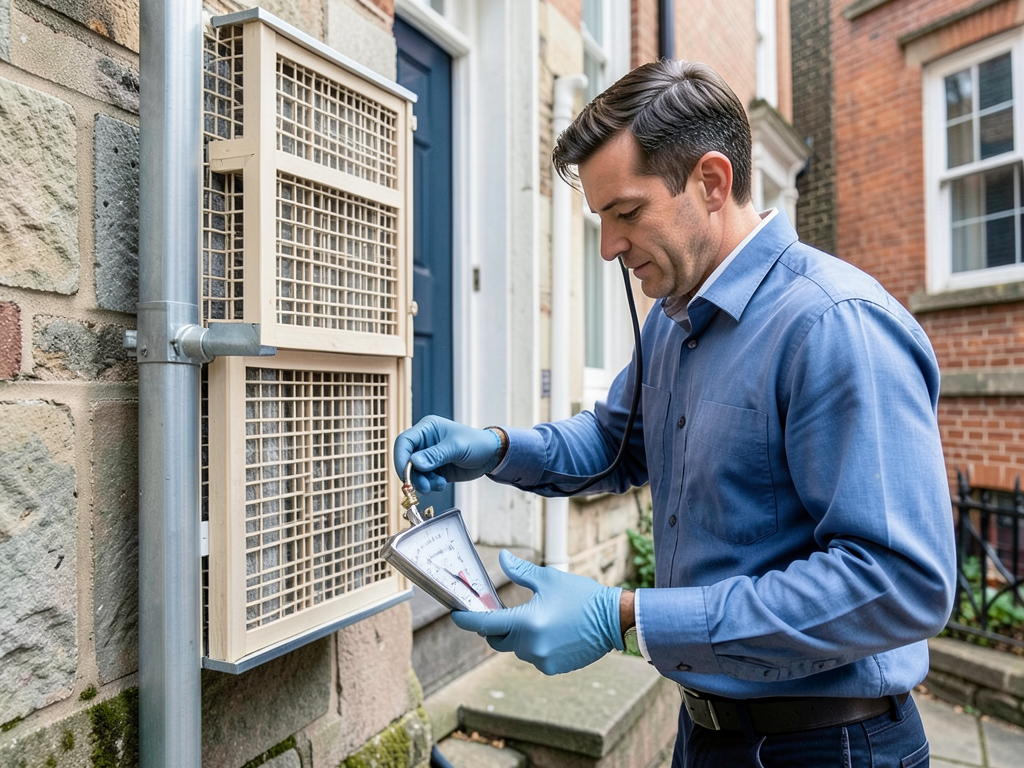
We do not guess. We arrive with diagnostic tools that pinpoint failures in minutes. Our technicians carry thermal imaging cameras, combustion analyzers, and pressure testing equipment. We check ignition systems, gas valves, flame sensors, and circulator pumps. If your boiler is leaking, we trace the source to the heat exchanger, pressure relief valve, or a corroded pipe joint. If it is failing to ignite, we test the flame sensor, pilot assembly, and gas supply line. If the system is cycling on and off, we measure pressure differentials and check the aquastat and limit controls.

Most emergency boiler breakdowns fall into predictable categories. Ignition failures happen when flame sensors corrode or gas valves stick. No heat complaints often trace to failed circulator pumps or air-locked radiators. Pressure drops point to leaks in the heat exchanger or expansion tank. We have seen every failure mode in D.C.'s mix of older oil-fired units and newer gas condensing boilers.

We carry common replacement parts on every truck. Circulator pumps, expansion tanks, pressure relief valves, flame sensors, and aquastats. If your boiler needs a part we do not stock, we source it same-day from local suppliers. We do not leave you without heat while waiting on a shipment. In cases where a boiler is beyond economical repair, we provide temporary heating solutions and lay out replacement options. You get heat restored first, then we talk long-term fixes. Speed matters, but so does doing the job right.

What Happens When You Call for Emergency Boiler Service

Emergency Boiler Repair in Washington, D.C. – Technicians Dispatched in Under 60 Minutes
01

Immediate Dispatch and Arrival

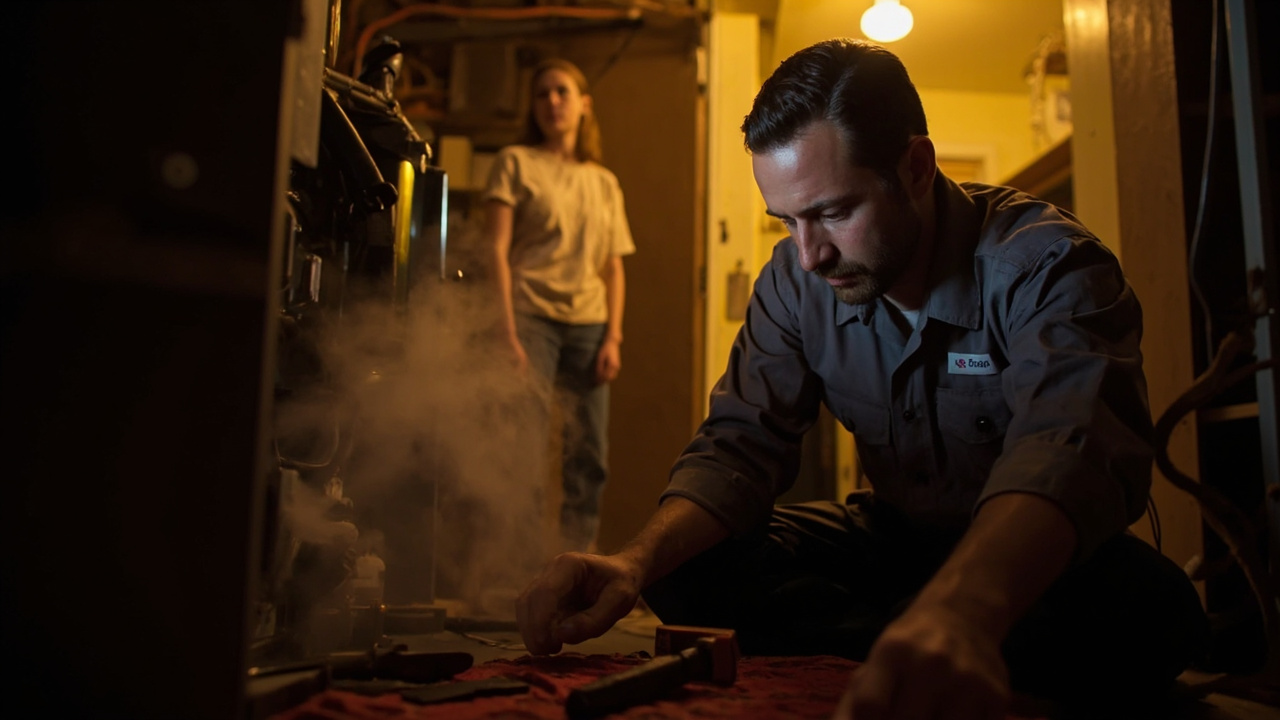
You call our emergency line at (771) 218-6322, and we dispatch a certified technician immediately. We do not schedule you for tomorrow. We send someone now. Most calls get a technician on-site within 60 minutes, even during overnight hours or weekends. You receive a call when the technician is en route with an estimated arrival time. We prioritize complete heat loss cases first.
02

On-Site Diagnosis and Repair

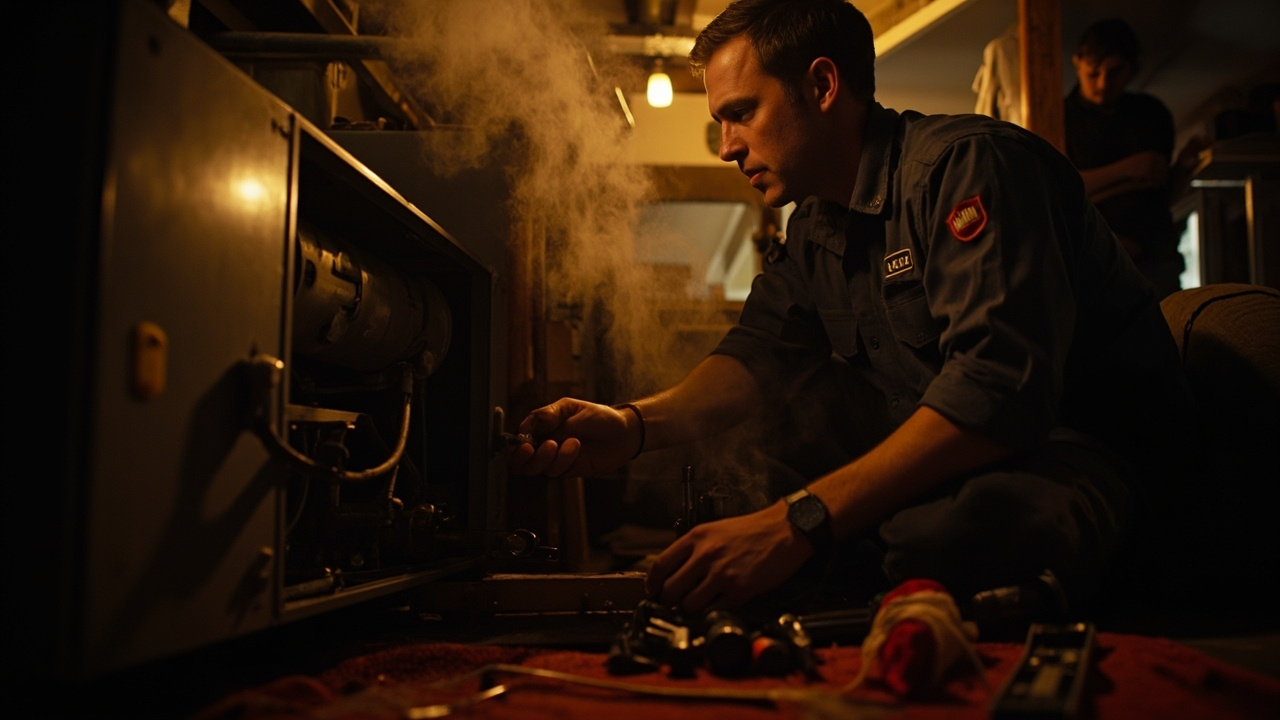
The technician inspects your boiler, tests components, and identifies the failure. You get a clear explanation of what broke, why it happened, and what it takes to fix it. If the repair is straightforward, we complete it immediately using parts from our truck. If the issue requires a specialized part or system replacement, we discuss temporary heating options and next steps. You are never left guessing.
03

System Testing and Verification

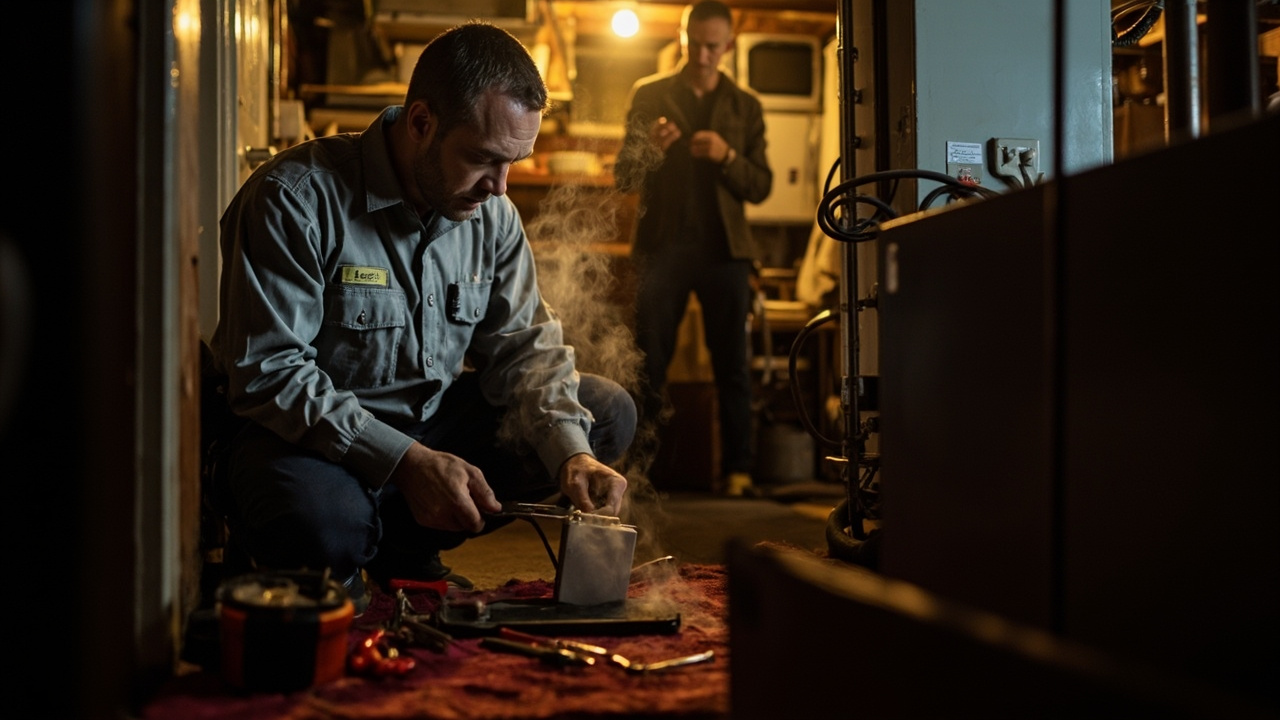
After repairs, we test the boiler through multiple heating cycles. We verify proper ignition, check operating pressure, and confirm even heat distribution to all zones. We inspect for leaks, measure combustion efficiency, and ensure safety controls function correctly. You watch the system run before we leave. We do not call it done until your home is heating properly and you have confidence the system is stable.

Why D.C. Homeowners Trust Us When Heat Fails

Washington, D.C. has one of the oldest housing stocks on the East Coast. Rowhouses in Dupont Circle, Capitol Hill, and Shaw were built between 1890 and 1940, and many still run original cast iron boilers or early oil-to-gas conversions. These systems require technicians who understand legacy equipment, not just modern condensing boilers. We have worked on every boiler brand and fuel type in this city. Weil-McLain, Burnham, Peerless, Buderus, and Viessmann. Oil, gas, and even a few remaining coal conversions.

We also understand D.C.'s building codes and Historic Preservation Review Board requirements. If you live in a historic district, certain repairs and replacements require permits and adherence to preservation standards. We navigate these regulations daily. We know which upgrades require DCRA permits and which fall under routine maintenance. We handle the paperwork so you do not have to fight with inspectors or preservation officers.

Our technicians are not subcontractors. They are employees who undergo continuous training on both old and new systems. We do not send a different person every time. You get familiar faces who know your system and your home. We have repaired boilers in Georgetown townhouses, Adams Morgan condos, and single-family homes in Brookland. We understand the mix of radiator systems, radiant floors, and baseboard heating that makes up D.C.'s residential heating landscape. When your heat fails, you need someone who has seen it before and knows exactly how to fix it.

What to Expect During an Emergency Boiler Repair Call

Response Time and Availability

We answer emergency calls 24 hours a day, 365 days a year. You are not leaving a voicemail at 3 a.m. You are speaking to a dispatcher who sends a technician immediately. Most emergency boiler repairs in Washington, D.C. get a technician on-site within one hour. During extreme weather events or city-wide cold snaps, response times may extend slightly, but we prioritize total heat loss over partial failures. If you have no heat and temperatures are dropping, you move to the front of the queue. We do not make you wait until business hours.

Diagnostic Process and Transparency

When the technician arrives, they perform a full system diagnostic. This includes checking the thermostat, inspecting the boiler for error codes, testing the ignition system, measuring gas or oil pressure, and evaluating the circulator pump and zone valves. You receive a plain-language explanation of what failed and what it takes to fix it. We do not upsell unnecessary repairs. If your boiler is beyond economical repair, we tell you. If it just needs a $90 flame sensor, we replace it and get you back online. You get honest assessments, not scare tactics.

Quality of Repairs and Parts

We use OEM or equivalent-grade replacement parts. You do not get bargain-bin components that fail in six months. Circulator pumps are Taco or Grundfos. Expansion tanks are Amtrol. Pressure relief valves meet ASME standards. If your boiler requires a proprietary part, we source it from authorized distributors, not third-party resellers. Every repair is tested through multiple heating cycles before we leave. You see the system run. You confirm heat is reaching every radiator or zone. We do not call the job complete until you are confident the system is stable and reliable.

Follow-Up and Maintenance Options

After an emergency repair, we schedule a follow-up inspection within two weeks. This ensures the repair is holding and the system is operating efficiently. If the emergency revealed underlying issues like sediment buildup, corrosion, or poor combustion efficiency, we outline a maintenance plan to prevent future breakdowns. Many D.C. homeowners sign up for annual boiler tune-ups after an emergency repair. These inspections catch small problems before they become midnight emergencies. We check combustion efficiency, clean burners, test safety controls, and flush sediment. Preventive maintenance extends boiler life and reduces the chance you will need another urgent boiler fix.

Frequently Asked Questions

You Have Questions,
We Have Answers

What is classed as an emergency repair for a boiler? +

A boiler emergency includes complete loss of heat during freezing temperatures, gas leaks, water flooding from the unit, or total system failure. In Washington, D.C., where winter lows frequently drop below 30 degrees, a non-functioning boiler threatens frozen pipes and occupant safety. Carbon monoxide odors, strange hissing sounds, or visible flames escaping the combustion chamber also qualify as urgent. If your home or building has no backup heat source and temperatures are falling, you need immediate repair to prevent property damage and health risks.

How much does a boiler call out cost? +

Emergency boiler service calls in Washington, D.C. typically include diagnostic fees ranging based on time of day and urgency. After-hours calls, weekends, and holidays cost more due to technician availability. The initial callout covers travel, inspection, and diagnosis. If you approve repairs, many contractors credit the diagnostic fee toward total labor costs. Given the high humidity and older building stock throughout Capitol Hill and Georgetown, boiler issues often require immediate attention. Always confirm pricing upfront and ask if diagnostic fees apply to repair work.

What qualifies as a boiler emergency? +

A boiler emergency means immediate danger or total loss of essential heating. Gas odors signal potential leaks requiring instant evacuation and utility shutoff. Complete heating failure during subfreezing weather risks frozen pipes, especially in Washington, D.C.'s row houses with exposed piping. Water pouring from pressure relief valves, loud banging noises, or error codes indicating lockout conditions also qualify. If your system fails overnight when temperatures drop into the teens, you face property damage within hours. Any situation threatening safety or rapid structural harm demands emergency response.

Who do you call for a boiler issue? +

Call a licensed HVAC contractor who specializes in boiler systems and offers 24/7 emergency service. Do not call general handymen for gas-fired equipment. In Washington, D.C., technicians must understand local building codes and older heating systems common in historic neighborhoods. If you smell gas, contact Washington Gas emergency services immediately before calling a contractor. For non-gas emergencies like frozen pipes or electrical failures, a qualified boiler technician can diagnose and repair the issue. Keep your regular service provider's emergency number accessible year-round.

What qualifies as an emergency repair? +

An emergency repair addresses immediate threats to safety, property, or essential services. For boilers, this includes gas leaks, complete heating loss in freezing conditions, or water damage from failed components. In Washington, D.C., where many buildings rely solely on hydronic heating, a failed circulator pump or cracked heat exchanger during January cold snaps qualifies as urgent. Repairs that can wait until morning or standard business hours are not emergencies. The key factor is imminent risk of harm or significant property damage within hours.

What is the average cost for boiler repair? +

Boiler repair costs vary widely based on failed components and labor complexity. Simple fixes like replacing a circulator pump or pressure valve cost less than heat exchanger or control board replacements. Emergency service fees apply for after-hours work. Washington, D.C.'s mix of older cast iron boilers and newer condensing units means repair complexity differs greatly. Age and system type significantly impact costs. Obtain multiple diagnostic opinions for expensive repairs. Regular maintenance reduces emergency failures and extends equipment life, preventing costly breakdowns during peak heating season.

Is it cheaper to repair or replace a boiler? +

If your boiler is under 10 years old and the repair costs less than half of replacement, repair makes financial sense. For units over 15 years old with recurring issues, replacement often proves more economical long-term. Washington, D.C.'s energy costs favor high-efficiency condensing boilers that reduce utility bills. If your cast iron boiler needs major component replacement, calculate annual fuel savings from a new system. Emergency failures during winter may force repair to restore immediate heat, but plan replacement during spring when contractors offer better pricing and availability.

Does insurance cover a broken boiler? +

Homeowners insurance typically does not cover boiler failures from normal wear and age-related breakdowns. However, if a sudden mechanical failure causes water damage to floors, walls, or contents, the resulting property damage may be covered under your policy. Review your specific coverage limits and deductibles. Some policies offer equipment breakdown endorsements that cover mechanical failures. In Washington, D.C., where many row houses share walls, document all damage immediately. Service contracts or home warranties sometimes cover boiler repairs, but read exclusions carefully before assuming coverage.

How long does a boiler repair usually take? +

Simple boiler repairs take one to three hours, including diagnosis and parts replacement. Circulator pumps, pressure valves, or ignition components fall into this timeframe. Complex repairs involving control boards, heat exchangers, or full zone valve replacements may require four to eight hours. Parts availability affects timelines. In Washington, D.C., technicians often stock common components for older systems prevalent in historic districts. Emergency repairs during peak winter demand may take longer due to service call volume. Complete system replacements require one to three days depending on configuration and building access.

What is the $5000 rule? +

The $5,000 rule suggests replacing equipment when repair costs exceed half the replacement price and the unit has exceeded half its expected lifespan. For a boiler with a 20-year life expectancy, if you face a $3,000 repair at year 12, replacement makes better financial sense. This calculation factors in efficiency gains from new equipment. In Washington, D.C., where heating costs run high from November through March, older boilers waste fuel compared to modern condensing units. Add projected energy savings to replacement benefits when making repair-versus-replace decisions.

Why D.C.'s Aging Infrastructure Makes Emergency Boiler Service Critical

Washington, D.C. has one of the highest concentrations of pre-World War II housing in the country. Rowhouses in Capitol Hill, Shaw, and Dupont Circle were built between 1880 and 1940, and many still run boilers installed in the 1970s or earlier. These systems were built to last, but they are now operating decades past their intended lifespan. Cold snaps push these aging boilers to failure, especially when homeowners have deferred maintenance. The city's mix of oil and gas systems adds complexity. Oil-fired boilers require annual nozzle replacements and combustion chamber inspections. Gas boilers need flame sensor cleaning and heat exchanger evaluations. When these systems fail in winter, they fail hard, and emergency boiler breakdown response becomes the only option.

D.C. building codes and Historic Preservation Board rules add layers to boiler repairs that do not exist in newer suburbs. If you live in a historic district, certain boiler replacements require HPRB approval. Even emergency repairs can trigger permit requirements if the work involves venting changes or fuel conversions. We work with DCRA inspectors regularly and understand what repairs fall under routine maintenance versus what requires permits. This local knowledge keeps you compliant and avoids delays. When you need 24/7 boiler service, you need a contractor who knows D.C.'s regulatory environment, not just how to fix boilers.
HVAC Services in The Washington DC Area

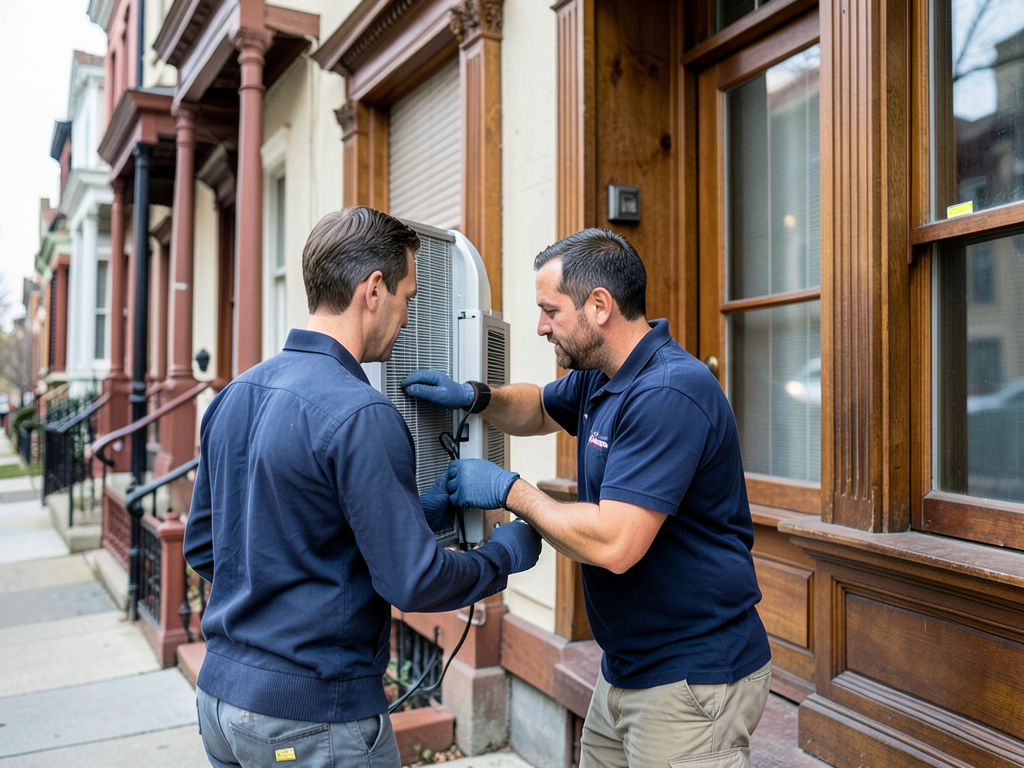
Easily locate Patriot HVAC and explore our service area on the map below. We are strategically positioned to provide prompt and efficient heating, ventilation, and air conditioning services across Washington D.C. and its neighboring communities. Whether you're seeking a quick repair or a new installation, our team is ready to serve your comfort needs.

Address:
Patriot HVAC Washington DC, 20 F St NW, Washington, DC, 20001

Additional Services We Offer

Our news updates

Latest Articles & News from The Blogs

The Best Air Filter Upgrades for Georgetown Homes with Sensitive Historic Woodwork Georgetown's Federal-style rowhouses and Victorian homes need special…

The Best Air Filter Upgrades for Georgetown Homes with Sensitive Historic Woodwork

The Best Air Filter Upgrades for Georgetown Homes with Sensitive Historic Woodwork Georgetown's Federal-style rowhouses and Victorian homes need special…

The Best Air Filter Upgrades for Georgetown Homes with Sensitive Historic Woodwork

The Best Air Filter Upgrades for Georgetown Homes with Sensitive Historic Woodwork Georgetown's historic rowhouses and Federal-style homes face a…

The Best Air Filter Upgrades for Georgetown Homes with Sensitive Historic Woodwork

The Best Air Filter Upgrades for Georgetown Homes with Sensitive Historic Woodwork Georgetown's historic rowhouses and Federal-style homes feature exquisite…

Contact Us

If your boiler is making strange noises, leaking, or struggling to maintain heat, call us now at (771) 218-6322. We diagnose problems before they become emergencies. If you are already without heat, we dispatch a technician immediately.