

Washington D.C. server rooms support federal contractors, legal discovery systems, lobbying databases, and association membership platforms that cannot tolerate interruption. The concentration of government-adjacent businesses means cyber insurance requirements are stricter, audit trails must be comprehensive, and environmental controls need documentation that satisfies federal IT security frameworks. FISMA compliance, DFARS requirements, and GSA schedule obligations often mandate specific cooling redundancy and monitoring capabilities. A standard commercial system will not pass third-party audits or satisfy underwriter requirements. Server room cooling in this region must meet standards that most cities never consider.
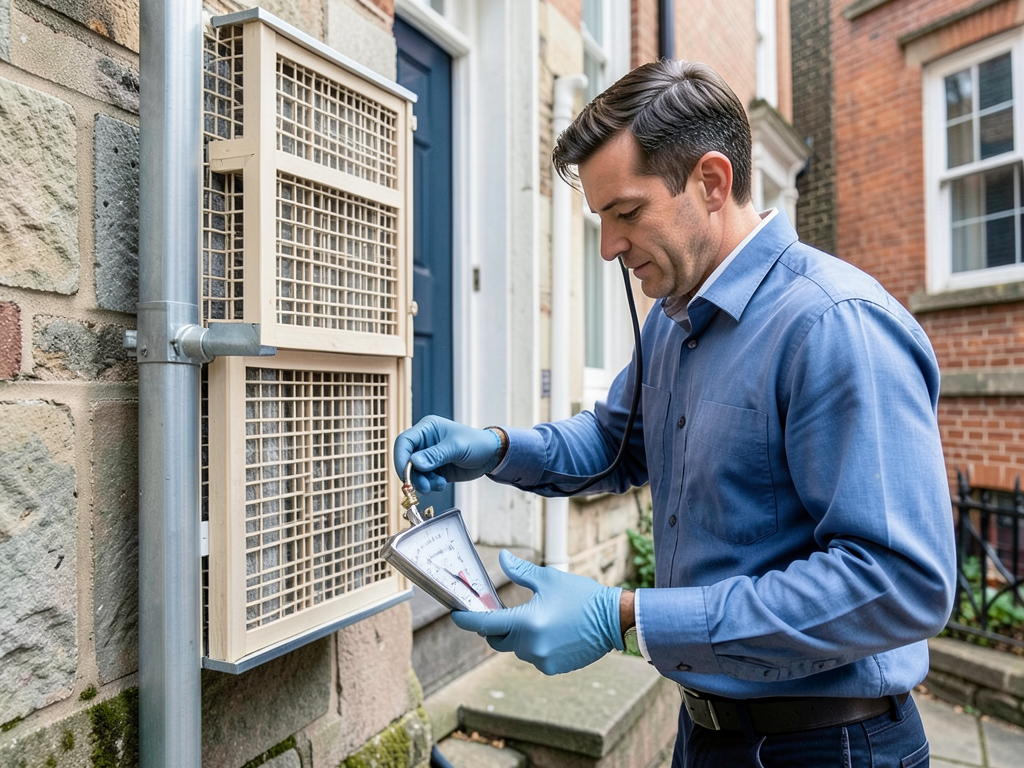
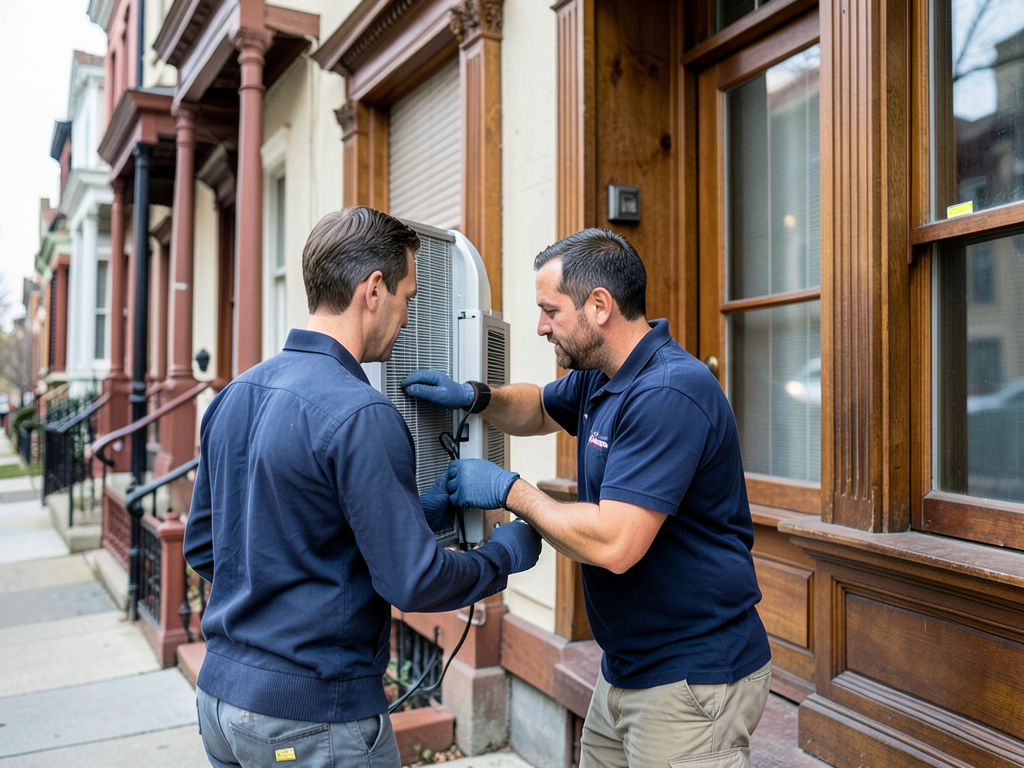
Buildings in D.C. range from modern LEED-certified construction in Navy Yard to 1920s-era structures near Dupont Circle with steam heat and limited electrical capacity. Cooling solutions must adapt to these constraints while still delivering enterprise-grade performance. Historic preservation rules in neighborhoods like Capitol Hill restrict exterior equipment placement and require creative solutions for condenser locations. We navigate these challenges regularly and know which approaches satisfy both building codes and landmark commissions. Local expertise means understanding that a cooling system designed for Tysons Corner may not work in a K Street office, even though the server loads are identical.