
Five Questions You Must Ask Before Hiring an HVAC Contractor in Washington DC
Choosing the right HVAC contractor in Washington DC is not just about finding the lowest price. The District’s unique building codes, historic architecture, and humid subtropical climate create specific challenges that only experienced local professionals can navigate. Before you sign any contract, ask these five critical questions to protect your investment and ensure your system performs efficiently for years to come. DC Department of Buildings Contractor Search.
Question 1: Are You Properly Licensed and Insured in the District?
Washington DC requires HVAC contractors to hold specific licenses through the Department of Buildings. A Master Mechanic license is mandatory for any work involving heating, ventilation, air conditioning, or refrigeration systems. This is different from a general contractor’s license and proves the technician has passed rigorous exams and maintains continuing education. The Best Heating and Cooling Solutions for Adams Morgan Condos.
Beyond licensing, verify that the contractor carries both general liability insurance and workers’ compensation coverage. Without these protections, you could be financially responsible if someone is injured on your property or if your home is damaged during installation.
Red Flag: Any contractor who hesitates to provide license numbers or insurance certificates should be avoided immediately.
Question 2: What Industry Certifications Do Your Technicians Hold?
Certifications demonstrate a commitment to professional standards beyond minimum licensing requirements. The North American Technician Excellence (NATE) certification is the gold standard in the HVAC industry. NATE-certified technicians must pass specialized exams in areas like air conditioning, heat pumps, gas furnaces, and air distribution. Fast Furnace Repair Services for Families in Chevy Chase DC.
Additionally, look for membership in the Air Conditioning Contractors of America (ACCA). ACCA members must adhere to a code of ethics and stay current with industry best practices. For energy efficiency work, EPA Section 608 certification is mandatory for handling refrigerants under federal law. Energy Star Heat Pump Information.
Diagnostic Tip: Ask to see current certification cards. Expired certifications indicate the contractor may not be keeping up with evolving technology and safety standards.
Question 3: Will You Perform a Manual J Load Calculation Before Quoting?
Manual J is the industry standard for calculating heating and cooling loads in residential buildings. This detailed analysis considers your home’s square footage, insulation levels, window types, orientation, and even the number of occupants. Without this calculation, contractors are essentially guessing at system size.
An oversized system cycles on and off too frequently, reducing efficiency and comfort while increasing wear on components. An undersized system runs constantly, driving up energy bills and never maintaining comfortable temperatures. In Washington DC’s climate, where summer humidity often exceeds 70%, proper sizing is critical for both comfort and energy efficiency.
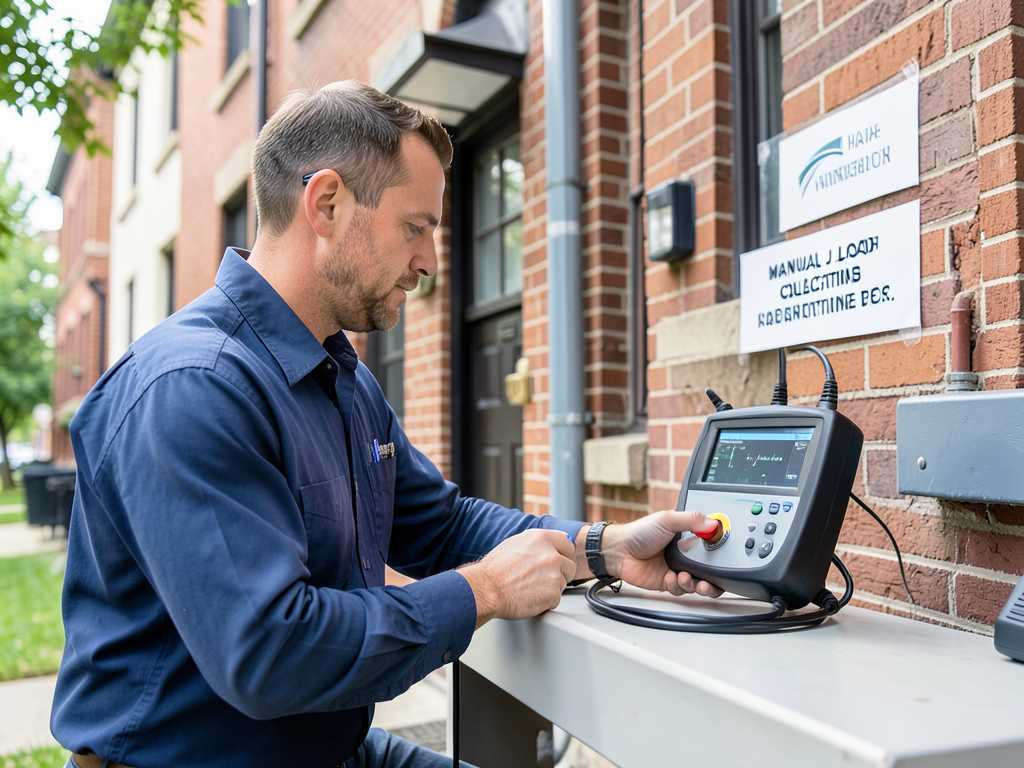
The Screwdriver Test: A qualified contractor will use a digital manometer to check static pressure in your existing ductwork before recommending system changes. This diagnostic tool reveals whether your ducts can handle the airflow requirements of a new system.
Question 4: What Local Rebates and Incentives Are Available?
Washington DC offers several energy efficiency programs that can significantly reduce the cost of HVAC upgrades. The DC Sustainable Energy Utility (DCSEU) provides rebates for high-efficiency equipment installations. Current programs offer up to $500 for heat pump installations and additional incentives for smart thermostats and proper duct sealing.
The federal government also provides tax credits under the Inflation Reduction Act for qualifying high-efficiency HVAC equipment. Heat pumps installed in 2026 may qualify for up to $2,000 in tax credits, while ENERGY STAR certified central air conditioners can receive credits of up to $600.
Pepco and Washington Gas often partner with DCSEU on additional rebate programs. A knowledgeable contractor should be able to identify all available incentives and handle the paperwork on your behalf.
Question 5: Can You Provide a Detailed Written Estimate with Fixed Pricing?
A professional HVAC contractor should provide a comprehensive written estimate that includes all costs: equipment, labor, permits, and any necessary modifications to existing systems. The estimate should specify whether the price is fixed or if it could increase based on unforeseen conditions.. Read more about The hidden costs of ignoring a leaky furnace in your Brightwood manor.
In Washington DC, certain permits are required for HVAC work. The Department of Buildings mandates permits for new installations, major replacements, and any work involving gas lines or electrical modifications. Your contractor should handle permit acquisition and ensure all work passes inspection.
Contract Clarity: The estimate should include warranty information, payment terms, and a timeline for completion. Avoid contractors who provide verbal quotes or refuse to put details in writing.
Additional Warning Signs to Watch For
Beyond the five core questions, several warning signs indicate you should look elsewhere for your HVAC needs. Contractors who offer cash discounts to avoid taxes are operating illegally and may not be properly licensed. Those who pressure you to make immediate decisions or who disparage competitors without cause often have something to hide.
Be wary of contractors who recommend system replacement without thoroughly evaluating your existing equipment. Many HVAC issues can be repaired, and a reputable contractor will provide honest assessments rather than pushing for the most expensive option. Getting Fast AC Repair for Your Navy Yard Apartment or Condo.
Golden Nugget: In Washington DC’s humid subtropical climate (Köppen classification Cfa), systems need higher SEER2 ratings than in drier climates to handle the moisture load effectively. A minimum SEER2 rating of 16 is recommended for the District.
Understanding DC’s Unique HVAC Challenges
Washington DC’s building stock presents specific challenges for HVAC contractors. Historic rowhouses in Capitol Hill and Georgetown often have limited space for modern equipment and may require specialized installation techniques to preserve architectural integrity. Many older buildings have radiator systems that need careful conversion to forced air or heat pump systems.
The city’s high water table and clay soil can affect basement installations and may require additional moisture management. Urban power grid fluctuations during summer peak loads mean surge protection is particularly important for protecting expensive HVAC equipment.
Local Code Requirement: DC Municipal Regulations (DCMR) Title 12E, Chapter 21 requires all new HVAC installations to meet specific ventilation standards, including mechanical fresh air intake for most residential applications.
Making Your Final Decision
After asking these five questions and checking for warning signs, you should have a clear picture of each contractor’s qualifications. The best choice combines proper licensing, industry certifications, thorough evaluation processes, knowledge of local incentives, and transparent pricing.
Remember that the cheapest option is rarely the best value in HVAC work. A properly sized, professionally installed system will provide better comfort, lower energy bills, and fewer repairs over its lifetime. In Washington DC’s demanding climate, cutting corners on installation quality can lead to expensive problems within just a few years.
Call (771) 218-6322 today to schedule your professional HVAC evaluation. Our NATE-certified technicians will perform a complete Manual J load calculation, identify all available rebates, and provide a fixed-price written estimate for your consideration.
Frequently Asked Questions
How long does a typical HVAC installation take in Washington DC?
Most residential installations require one to three days, depending on the complexity of the job. Historic homes or those requiring extensive ductwork modifications may take longer. Your contractor should provide a specific timeline in the written estimate.
What maintenance is required for HVAC systems in DC’s climate?
Annual maintenance is essential in Washington DC’s humid climate. This includes cleaning coils, checking refrigerant levels, inspecting electrical connections, and cleaning or replacing filters. Bi-annual maintenance (spring and fall) is recommended for heat pump systems.
Can I keep my existing ductwork when upgrading my HVAC system?
Existing ductwork can often be reused, but it must be properly sized for the new system. A Manual D calculation will determine if modifications are needed. In some cases, especially in older homes, new ductwork may be necessary for optimal performance.
What’s the average lifespan of an HVAC system in Washington DC?
With proper maintenance, air conditioners typically last 12-15 years, while furnaces can last 15-20 years. Heat pumps, which run year-round, may need replacement after 10-12 years. The humid climate and urban pollution can reduce these lifespans if maintenance is neglected.
Are there any special considerations for rowhouse HVAC installations?
Yes. Rowhouses often have limited exterior space for equipment, may have shared chimneys that require special venting considerations, and frequently need creative solutions for ductwork routing through historic walls. Contractors experienced with DC rowhouses understand these constraints.
{
“@context”: “https://schema.org”,
“@type”: “BlogPosting”,
“headline”: “Five Questions You Must Ask Before Hiring an HVAC Contractor in Washington DC”,
“description”: “Don’t risk your comfort or your wallet. Learn the 5 critical questions to ask before hiring an HVAC contractor in Washington DC, including licensing, certifications, and local rebates.”,
“wordCount”: 1390,
“datePublished”: “2026-04-14T14:11:00.000Z”,
“dateModified”: “2026-04-14T14:11:00.000Z”,
“inLanguage”: “en-US”,
“mainEntityOfPage”: {
“@type”: “WebPage”,
“@id”: “https://patriothvacwashingtondc.com”
},
“publisher”: {
“@type”: “LocalBusiness”,
“name”: “Patriot HVAC Washington DC”,
“url”: “https://patriothvacwashingtondc.com”
},
“author”: {
“@type”: “Organization”,
“name”: “Patriot HVAC Washington DC”,
“url”: “https://patriothvacwashingtondc.com”
},
“image”: {
“@type”: “ImageObject”,
“url”: “https://patriothvacwashingtondc.com/wp-content/uploads/2026/03/five-questions-you-must-ask-before-hiring-an-hvac-1.png”
}
}
{
“@context”: “https://schema.org”,
“@type”: “HVACBusiness”,
“name”: “Patriot HVAC Washington DC”,
“url”: “https://patriothvacwashingtondc.com”,
“address”: {
“@type”: “PostalAddress”,
“addressLocality”: “Washington DC”
},
“areaServed”: {
“@type”: “City”,
“name”: “Washington DC”
}
}
{
“@context”: “https://schema.org”,
“@type”: “FAQPage”,
“mainEntity”: [
{
“@type”: “Question”,
“name”: “Question 1: Are You Properly Licensed and Insured in the District?”,
“acceptedAnswer”: {
“@type”: “Answer”,
“text”: “Washington DC requires HVAC contractors to hold specific licenses through the Department of Buildings. A Master Mechanic license is mandatory for any work involving heating, ventilation, air conditioning, or refrigeration systems. This is different from a general contractor’s license and proves the technician has passed rigorous exams and maintains continuing education. The Best Heating and Cooling Solutions for Adams Morgan Condos.”
}
},
{
“@type”: “Question”,
“name”: “Question 2: What Industry Certifications Do Your Technicians Hold?”,
“acceptedAnswer”: {
“@type”: “Answer”,
“text”: “Certifications demonstrate a commitment to professional standards beyond minimum licensing requirements. The North American Technician Excellence (NATE) certification is the gold standard in the HVAC industry. NATE-certified technicians must pass specialized exams in areas like air conditioning, heat pumps, gas furnaces, and air distribution. Fast Furnace Repair Services for Families in Chevy Chase DC.”
}
},
{
“@type”: “Question”,
“name”: “Question 3: Will You Perform a Manual J Load Calculation Before Quoting?”,
“acceptedAnswer”: {
“@type”: “Answer”,
“text”: “Manual J is the industry standard for calculating heating and cooling loads in residential buildings. This detailed analysis considers your home’s square footage, insulation levels, window types, orientation, and even the number of occupants. Without this calculation, contractors are essentially guessing at system size.”
}
},
{
“@type”: “Question”,
“name”: “Question 4: What Local Rebates and Incentives Are Available?”,
“acceptedAnswer”: {
“@type”: “Answer”,
“text”: “Washington DC offers several energy efficiency programs that can significantly reduce the cost of HVAC upgrades. The DC Sustainable Energy Utility (DCSEU) provides rebates for high-efficiency equipment installations. Current programs offer up to $500 for heat pump installations and additional incentives for smart thermostats and proper duct sealing.”
}
},
{
“@type”: “Question”,
“name”: “Question 5: Can You Provide a Detailed Written Estimate with Fixed Pricing?”,
“acceptedAnswer”: {
“@type”: “Answer”,
“text”: “A professional HVAC contractor should provide a comprehensive written estimate that includes all costs: equipment, labor, permits, and any necessary modifications to existing systems. The estimate should specify whether the price is fixed or if it could increase based on unforeseen conditions.”
}
},
{
“@type”: “Question”,
“name”: “How long does a typical HVAC installation take in Washington DC?”,
“acceptedAnswer”: {
“@type”: “Answer”,
“text”: “Most residential installations require one to three days, depending on the complexity of the job. Historic homes or those requiring extensive ductwork modifications may take longer. Your contractor should provide a specific timeline in the written estimate.”
}
},
{
“@type”: “Question”,
“name”: “What maintenance is required for HVAC systems in DC’s climate?”,
“acceptedAnswer”: {
“@type”: “Answer”,
“text”: “Annual maintenance is essential in Washington DC’s humid climate. This includes cleaning coils, checking refrigerant levels, inspecting electrical connections, and cleaning or replacing filters. Bi-annual maintenance (spring and fall) is recommended for heat pump systems.”
}
},
{
“@type”: “Question”,
“name”: “Can I keep my existing ductwork when upgrading my HVAC system?”,
“acceptedAnswer”: {
“@type”: “Answer”,
“text”: “Existing ductwork can often be reused, but it must be properly sized for the new system. A Manual D calculation will determine if modifications are needed. In some cases, especially in older homes, new ductwork may be necessary for optimal performance.”
}
},
{
“@type”: “Question”,
“name”: “What’s the average lifespan of an HVAC system in Washington DC?”,
“acceptedAnswer”: {
“@type”: “Answer”,
“text”: “With proper maintenance, air conditioners typically last 12-15 years, while furnaces can last 15-20 years. Heat pumps, which run year-round, may need replacement after 10-12 years. The humid climate and urban pollution can reduce these lifespans if maintenance is neglected.”
}
},
{
“@type”: “Question”,
“name”: “Are there any special considerations for rowhouse HVAC installations?”,
“acceptedAnswer”: {
“@type”: “Answer”,
“text”: “Yes. Rowhouses often have limited exterior space for equipment, may have shared chimneys that require special venting considerations, and frequently need creative solutions for ductwork routing through historic walls. Contractors experienced with DC rowhouses understand these constraints.”
}
}
]
}
{
“@context”: “https://schema.org”,
“@type”: “BreadcrumbList”,
“itemListElement”: [
{
“@type”: “ListItem”,
“position”: 1,
“name”: “Home”,
“item”: “https://patriothvacwashingtondc.com”
},
{
“@type”: “ListItem”,
“position”: 2,
“name”: “Blog”,
“item”: “https://patriothvacwashingtondc.com/blog”
},
{
“@type”: “ListItem”,
“position”: 3,
“name”: “Five Questions You Must Ask Before Hiring an HVAC Contractor in Washington DC”
}
]
}
{
“@context”: “https://schema.org”,
“@type”: “Service”,
“serviceType”: “HVAC”,
“provider”: {
“@type”: “LocalBusiness”,
“name”: “Patriot HVAC Washington DC”,
“url”: “https://patriothvacwashingtondc.com”
},
“areaServed”: {
“@type”: “City”,
“name”: “Washington DC”
},
“description”: “Don’t risk your comfort or your wallet. Learn the 5 critical questions to ask before hiring an HVAC contractor in Washington DC, including licensing, certifications, and local rebates.”
}