


Frederick sits in the mid-Atlantic transition zone where humid summers slam into cold, damp winters. July temperatures push past 90 degrees with suffocating humidity that makes heat indices spike to 105. Your air conditioner runs nonstop, cycling refrigerant through coils that collect moisture and breed mold in the muggy air. Winter brings freezing rain, ice storms, and temperatures that drop below 20 degrees. Furnaces and heat pumps work overtime against wind chill that seeps through older brick row homes and drafty Colonial-style houses common in downtown Frederick and surrounding neighborhoods.
The Monocacy and Potomac river valleys create microclimates that trap moisture and fog, especially in low-lying areas near Carroll Creek and around Baker Park. This constant humidity accelerates corrosion on outdoor condensing units and ductwork. Clay soil throughout Frederick County holds water poorly, causing foundations to shift and crack duct systems buried in crawlspaces. When your HVAC system fails here, it's not just uncomfortable. High humidity breeds mold within 48 hours. Freezing temperatures can burst pipes. You need repair service that understands these regional challenges and responds before a breakdown turns into property damage.
Patriot HVAC Washington DC built its reputation on straight talk and fast response across the greater Frederick metro. We don't play games with diagnostic fees or push unnecessary replacements. Our technicians carry decades of combined experience working on every system type found in Frederick homes, from ancient oil furnaces in Golden Mile row houses to modern variable-speed heat pumps in Urbana subdivisions. We know the quirks of these systems because we service them every day.
When you call our dispatch line, you talk to a real person who logs your address and problem immediately. We prioritize emergency calls and route the nearest available technician to your location. Most Frederick residents get same-day service, even during peak summer and winter demand. Our trucks stock the parts that fail most often in this climate, which means we complete 80% of repairs on the first visit without waiting for special orders.
We explain what failed, why it failed, and what it costs to fix before touching a single bolt. You get written estimates with parts and labor broken out clearly. If your system is old and repair costs approach replacement value, we tell you. We present options and let you decide what makes sense for your budget and timeline. No pressure, no hidden fees, no marking up parts to pad the bill.
Our warranty backs every repair with parts and labor coverage that protects your investment. We return for follow-up checks at no charge if something doesn't perform as expected. Frederick homeowners call us back because we do the job right the first time and stand behind our work without excuses.

When your system fails, we dispatch technicians within hours, not days. Most Frederick calls get same-day service, even during heat waves and cold snaps. Our GPS-tracked trucks reach you fast, and we arrive with the tools and parts to fix most problems on the spot.

You get written estimates before any repair work begins. We break down parts and labor clearly, explain what failed and why, and present your options without pressure. No diagnostic fee traps, no surprise charges, no inflated parts markup to boost our profit.
Our team holds manufacturer certifications for every major brand sold in Frederick. We attend ongoing training on refrigerant handling, heat pump diagnostics, and modern control systems. This expertise means accurate diagnosis the first time and repairs that last beyond the warranty period.
We understand how mid-Atlantic humidity, river valley fog, and clay soil affect HVAC performance in Frederick neighborhoods. Our technicians account for these factors when diagnosing problems and recommending solutions that hold up in local conditions year after year.
Patriot HVAC Washington DC handles every aspect of residential climate control across Frederick, from emergency breakdowns to planned system upgrades. Our service range covers air conditioning repair, furnace troubleshooting, heat pump diagnostics, duct system evaluation, and indoor air quality improvements. We work on all fuel types including natural gas, propane, oil, and electric systems. Whether you live in a 1920s brick Colonial near downtown, a 1970s split-level in West Frederick, or a new construction home in Urbana, we service the equipment keeping your family comfortable.
Our technicians diagnose central air systems, ductless mini-splits, packaged rooftop units, and geothermal heat pumps. We repair failed compressors, clean clogged condensate drains, replace worn blower motors, and fix refrigerant leaks. We test thermostats, calibrate control boards, and track down electrical faults that cause intermittent shutdowns. Every service call includes a system performance check to catch small problems before they cause major failures. We organize our work into three core categories that address the distinct needs of Frederick homeowners at different stages of equipment lifecycle and emergency urgency.
When your air conditioner stops cooling during a heat wave or your furnace quits on a freezing night, we respond immediately. Our emergency service prioritizes system failures that threaten health, safety, or property. We diagnose compressor failures, refrigerant leaks, ignition problems, blower motor burnouts, and control board malfunctions. Most emergency repairs complete within hours because our trucks carry common replacement parts for every major brand. We work nights, weekends, and holidays to restore your climate control fast.
Regular maintenance extends equipment life and prevents emergency failures. Our tune-up service includes coil cleaning, refrigerant charge verification, electrical connection inspection, condensate drain flushing, and blower wheel cleaning. We test capacitors, measure airflow, check safety controls, and lubricate moving parts. Frederick's humid climate accelerates wear on outdoor units and breeds mold in ductwork. Scheduled maintenance catches these problems early and keeps your system running efficiently through peak summer and winter demand.
When your system reaches 15 years or repair costs exceed half the replacement value, we help you evaluate new equipment options. We perform load calculations specific to your home's size, insulation, and window configuration. We explain efficiency ratings, compare operating costs, and match equipment capacity to Frederick climate demands. Our installation teams pull permits, follow manufacturer specifications, pressure-test refrigerant lines, and verify airflow before final commissioning. Every installation includes startup documentation and warranty registration.
Frederick's climate and housing stock create predictable HVAC failures that we diagnose and repair every week. Mid-Atlantic humidity corrodes outdoor components and breeds mold in ductwork. Clay soil shifts foundations and cracks buried ducts. Older homes near downtown Frederick have undersized ductwork that never delivers adequate airflow. New construction in Urbana and Ballenger Creek sometimes uses cheap equipment that fails early. River valley fog near the Monocacy accelerates rust on condensing units.
We see the same problems repeat across neighborhoods because environmental factors and construction patterns don't change. Compressors fail during July heat waves when units run continuously against 95-degree outdoor temperatures. Ignitors crack during January cold snaps when furnaces cycle frequently. Condensate drains clog with algae growth in humid summer months. Understanding these patterns helps us diagnose problems faster and stock the right parts for quick repairs. Here are the four most common failures we address in Frederick homes.
Humidity and road salt corrode outdoor coil fins and refrigerant tubing. Small leaks cause gradual performance loss, ice buildup on indoor coils, and compressor damage. We pressure-test systems, locate leaks with electronic detectors, repair or replace damaged coils, and recharge to manufacturer specifications. Ignoring refrigerant loss destroys compressors and turns a simple repair into expensive replacement.
Air conditioners remove humidity from indoor air and drain water through plastic pipes. Algae and mold grow in these drains during Frederick's humid summers, causing blockages that overflow and damage ceilings. We clear drains with pressurized flush equipment, treat lines with algaecide tablets, and install overflow switches that shut down systems before water damage occurs.
Outdoor units use capacitors to start compressors and fan motors. These components fail frequently in extreme heat and cold. Symptoms include humming sounds, failure to start, or intermittent operation. We test capacitors with multimeters, replace failed units immediately, and check contactors for pitting and wear. This simple repair prevents compressor damage and restores cooling within minutes.
Gas furnaces develop cracks in heat exchangers after 15 to 20 years of thermal cycling. Cracks allow combustion gases to mix with circulating air, creating carbon monoxide hazards. We inspect heat exchangers with cameras during maintenance calls, test for combustion gas spillage, and recommend immediate replacement when cracks appear. This is a safety issue that requires urgent attention.
Working with Patriot HVAC Washington DC follows a clear process designed to minimize stress during equipment failures. From your first call to final payment, we communicate clearly and deliver on our commitments. You won't chase us for updates or wait days wondering when help arrives. Our dispatch system tracks technician locations in real time and updates you with arrival windows. Our pricing structure eliminates surprise charges and hidden fees. Our work quality meets manufacturer standards and local code requirements.
Frederick homeowners tell us they appreciate straight answers about whether to repair or replace aging equipment. We don't push unnecessary services or create false urgency. If your 12-year-old air conditioner needs a $300 repair and has five good years left, we fix it. If your 18-year-old furnace with a cracked heat exchanger poses safety risks, we tell you honestly that replacement is the right call. Here's what happens when you contact us for HVAC service.
When you call our main line, you speak to a dispatcher who logs your problem and address immediately. We ask about symptoms, system age, and urgency level. Emergency calls without heat or air conditioning get priority routing to the nearest available technician. We provide arrival time estimates and send text updates when the technician is on the way. You'll receive the technician's name and photo before arrival so you know who to expect at your door.
Our technicians arrive with diagnostic equipment and fully stocked trucks. We test electrical components, measure refrigerant pressures, inspect safety controls, and identify the root cause of failure. Once we pinpoint the problem, we explain what failed and why it happened. You receive a written estimate with parts and labor costs broken out clearly. We present repair options and answer questions before starting any work. No pressure, no diagnostic fee traps, just honest assessment of what your system needs.
After you approve the estimate, we complete repairs using manufacturer-specified parts and procedures. We test system operation thoroughly before leaving your home. You receive warranty documentation covering parts and labor for the work performed. We follow up within a week to confirm your system performs as expected. If anything doesn't work right, we return at no charge to make it right. Our goal is complete satisfaction and reliable climate control.
We structure every service call around transparency and speed. From diagnosis to completion, you understand what's happening and what it costs. No mystery charges, no extended timelines, no confusion about next steps.
Our technician arrives with testing equipment and inspects your system thoroughly. We check electrical connections, measure refrigerant pressures, test capacitors and contactors, inspect heat exchangers, and evaluate airflow. We identify the failed component and explain what caused the breakdown. You see the problem firsthand through photos or direct inspection. This diagnosis takes 20 to 45 minutes depending on system complexity and failure type.
After you approve the written estimate, we begin repairs immediately. Most service calls complete within two hours because our trucks stock common replacement parts. We follow manufacturer procedures for refrigerant handling, electrical connections, and component installation. Complex repairs requiring specialty parts may need a follow-up visit once we receive ordered components. We keep you informed about timelines and never leave you wondering about next steps.
Before leaving your home, we test system operation through complete heating or cooling cycles. We verify proper refrigerant charge, airflow, and safety control function. You receive warranty documentation and maintenance recommendations to prevent future problems. We contact you within a week to confirm your system performs reliably. If you notice any issues after we leave, you call us back at no charge for follow-up service.
Professional HVAC work in Frederick follows strict technical standards established by equipment manufacturers, EPA regulations, and local building codes. These requirements exist to protect your safety, ensure system efficiency, and prevent premature equipment failure. Patriot HVAC Washington DC technicians hold EPA Section 608 certification for refrigerant handling, which means we follow federal protocols for refrigerant recovery, evacuation, and charging. We never vent refrigerants to atmosphere, and we document refrigerant quantities on every service ticket as required by law.
Frederick County requires permits for HVAC system replacements and major modifications. We pull permits before installation work begins and coordinate inspections with county code officials. Inspectors verify proper equipment sizing, adequate combustion air supply, correct venting for gas appliances, proper refrigerant line installation, and compliant electrical connections. These inspections protect you from substandard work that creates safety hazards or voids manufacturer warranties.
Load calculations determine correct equipment size for your home. We follow ACCA Manual J protocol, which accounts for square footage, insulation levels, window area, orientation, and local climate data. Oversized equipment costs more, cycles frequently, and fails to control humidity. Undersized equipment runs constantly and never achieves comfort. Proper sizing ensures efficient operation and maximum equipment life.
Refrigerant charging requires precise measurement of superheat and subcooling values. We use calibrated gauges and temperature probes to verify charge accuracy within manufacturer specifications. Incorrect refrigerant charge reduces efficiency by 20% or more, increases operating costs, and damages compressors. This technical precision separates professional service from amateur guesswork. We document charge readings on every service ticket for future reference and warranty compliance.
Federal law requires Section 608 certification for anyone who handles refrigerants in residential systems. This certification proves competency in refrigerant recovery, system evacuation, leak detection, and proper charging procedures. Uncertified technicians cannot legally purchase refrigerants or service air conditioning systems. We maintain current certifications for our entire team and document refrigerant handling on every service call as EPA regulations require.
Repair costs depend on failed component type, refrigerant requirements, labor complexity, and parts availability. Simple repairs like capacitor replacement cost less than compressor replacement or refrigerant leak repair. Emergency service during nights and weekends carries premium rates because technicians work outside normal hours. Older systems may require discontinued parts that cost more to source. We provide detailed estimates before starting work so you make informed decisions.
Most emergency repairs complete within two to three hours because we stock common parts on service trucks. Complex diagnostics on intermittent problems may require multiple visits to replicate failures. System replacements take one to two days depending on equipment type and installation complexity. Ductwork modifications add time to installation schedules. We communicate timelines clearly during the estimate phase and update you if circumstances change during the work.
Frederick County requires permits for system replacements, gas line modifications, and major ductwork changes. We handle permit applications, coordinate inspection schedules, and ensure all work meets code requirements. Inspectors verify proper venting, adequate combustion air, correct refrigerant line installation, and compliant electrical connections. Permitted work protects your investment and maintains compliance with local regulations that affect home resale value.
This video explains common HVAC failures in Frederick homes and how to get fast repair service. Topics include refrigerant leaks, condensate drain clogs, capacitor failures, and heat exchanger cracks. Learn why Frederick's humid climate and clay soil create unique HVAC challenges, what warning signs predict equipment failure, and how to choose between repair and replacement. Patriot HVAC Washington DC provides same-day emergency service across Frederick with upfront pricing and warranty-backed repairs.
Patriot HVAC Washington DC serves the entire Frederick metro area, from historic downtown districts to new developments spreading west toward the Catoctin Mountains. We dispatch technicians daily to homes in downtown Frederick's brick row houses near Carroll Creek Park, where aging HVAC systems struggle with undersized ductwork and limited equipment access. These older homes often need creative solutions for modern air conditioning installations and upgraded heating systems.
The Golden Mile commercial corridor and surrounding residential neighborhoods see frequent service calls for split-level homes built in the 1960s and 1970s. These properties typically have basement furnaces and attic air handlers that develop duct leakage and airflow problems over time. We service heat pumps and gas furnaces throughout this central Frederick area, often replacing equipment that's reached the end of its 15 to 20 year service life.
West Frederick neighborhoods toward Ballenger Creek and English Mews include newer construction with modern HVAC systems, but builder-grade equipment quality varies widely. We perform warranty repairs and maintenance service on these systems, catching problems early before they void manufacturer coverage. The clay soil common throughout this area causes foundation settling that cracks ductwork and refrigerant lines, requiring periodic inspection and repair.
North Frederick areas near Fort Detrick and Hood College feature a mix of historic homes and mid-century construction. We service oil furnaces still common in older properties while helping homeowners transition to natural gas or heat pump systems. The proximity to the Monocacy River creates higher humidity levels that accelerate outdoor unit corrosion and condensate drain problems.
South toward Urbana, Monrovia, and Ijamsville, rapid residential development has created demand for new system installations and service on recently installed equipment. We work with homeowners in developments like Urbana Town Center and Lake Linganore communities, addressing issues with improperly sized equipment and poor installation quality from volume builders. These newer homes benefit from preventive maintenance that extends equipment life and maintains efficiency.
East Frederick areas near the Monocacy National Battlefield and Brunswick include rural properties with propane heating systems and homes dependent on well water for evaporative cooling systems. We service all fuel types and understand the unique challenges of maintaining HVAC systems in less densely developed areas where emergency service response requires longer travel times.
The $5000 rule helps you decide between repair or replacement. If your system is over 10 years old, multiply its age by the repair cost. If the total exceeds $5000, replace the unit. For example, a 15-year-old system needing a $400 repair equals $6000, suggesting replacement makes more financial sense. Frederick homeowners face humid summers and cold winters, which strain aging equipment. A newer system improves efficiency and reliability while reducing monthly energy bills. This rule provides a practical guideline, but your technician should evaluate your specific situation and equipment condition.
HVAC job costs vary widely based on scope. Simple repairs like thermostat replacement or capacitor fixes run $150 to $400. Refrigerant recharge typically costs $300 to $600. Ductwork sealing ranges from $500 to $2000. Full system replacement for Frederick homes averages $5000 to $12000, depending on unit size, efficiency rating, and installation complexity. Older homes in historic Frederick neighborhoods often require additional ductwork modifications. Maintenance visits cost $100 to $200 annually. Get multiple quotes and verify the contractor includes permit costs and proper load calculations for accurate sizing.
Maryland HVAC system costs range from $5500 to $13000 installed. Frederick area pricing reflects moderate Maryland labor rates and local permit requirements. Central air conditioning units cost $4000 to $8000. Heat pumps run $6000 to $11000. Gas furnaces range from $3500 to $7000. System size matters. A 2.5-ton unit suits smaller homes, while 4-ton systems handle larger properties. Efficiency ratings impact price. Higher SEER ratings cost more upfront but lower monthly bills. Maryland rebates through utility companies can offset costs. Installation complexity in older Frederick homes may increase total expense.
The $5000 rule helps you decide between repair or replacement. If your system is over 10 years old, multiply its age by the repair cost. If the total exceeds $5000, replace the unit. For example, a 15-year-old system needing a $400 repair equals $6000, suggesting replacement makes more financial sense. Frederick homeowners face humid summers and cold winters, which strain aging equipment. A newer system improves efficiency and reliability while reducing monthly energy bills. This rule provides a practical guideline, but your technician should evaluate your specific situation and equipment condition.
HVAC job costs vary widely based on scope. Simple repairs like thermostat replacement or capacitor fixes run $150 to $400. Refrigerant recharge typically costs $300 to $600. Ductwork sealing ranges from $500 to $2000. Full system replacement for Frederick homes averages $5000 to $12000, depending on unit size, efficiency rating, and installation complexity. Older homes in historic Frederick neighborhoods often require additional ductwork modifications. Maintenance visits cost $100 to $200 annually. Get multiple quotes and verify the contractor includes permit costs and proper load calculations for accurate sizing.
Maryland HVAC system costs range from $5500 to $13000 installed. Frederick area pricing reflects moderate Maryland labor rates and local permit requirements. Central air conditioning units cost $4000 to $8000. Heat pumps run $6000 to $11000. Gas furnaces range from $3500 to $7000. System size matters. A 2.5-ton unit suits smaller homes, while 4-ton systems handle larger properties. Efficiency ratings impact price. Higher SEER ratings cost more upfront but lower monthly bills. Maryland rebates through utility companies can offset costs. Installation complexity in older Frederick homes may increase total expense.
Average HVAC systems cost $5000 to $10000 installed. This includes a 14-16 SEER air conditioner or heat pump with an air handler or furnace. Basic builder-grade systems start around $4500. Mid-range units with better warranties and efficiency run $7000 to $9000. Premium systems with variable-speed technology and smart thermostats reach $12000 or more. Frederick homes typically need 2.5 to 4-ton systems. Installation accounts for 30 to 40 percent of total cost. Factors include ductwork condition, electrical upgrades, and local code compliance. Quality installation matters as much as equipment brand.
Yes, under specific conditions. The Inflation Reduction Act extends tax credits through 2032. Energy-efficient heat pumps qualify for up to $2000 credit. Central air conditioners meeting 16 SEER2 or higher qualify for credits. Furnaces reaching 97 percent AFUE or better are eligible. You must own your Frederick home and install qualifying equipment. Keep manufacturer certification statements and receipts. Consult a tax professional for your specific situation. Maryland may offer additional state rebates. These incentives make upgrading to efficient systems more affordable. Credits apply the year you install and place equipment in service.
The 3-minute rule prevents compressor damage during short-cycling. After your air conditioner shuts off, wait at least 3 minutes before restarting. This allows refrigerant pressure to equalize throughout the system. Restarting too quickly forces the compressor to work against high pressure, causing strain and potential failure. Modern thermostats include built-in delay features. Frederick humidity and temperature swings can tempt homeowners to constantly adjust settings. Avoid rapidly cycling your system on and off. If your unit short-cycles without manual intervention, call a technician immediately. Short-cycling signals serious problems requiring professional diagnosis.
HVAC for a 1200 square foot house in Frederick typically costs $4500 to $8000 installed. This size usually requires a 2 to 2.5-ton system. Single-story ranch homes may need less capacity than multi-story layouts. Insulation quality, window age, and ceiling height affect sizing requirements. Frederick area humidity increases cooling loads during summer months. Split systems combining an outdoor condenser with indoor air handler work well for this size. Ductwork replacement adds $2000 to $4000. Higher efficiency units cost more upfront but reduce monthly bills. Proper load calculations ensure correct sizing and optimal performance.
HVAC systems last 15 to 20 years with proper maintenance. Air conditioners typically run 15 to 18 years. Gas furnaces reach 18 to 22 years. Heat pumps average 12 to 15 years because they work year-round. Frederick climate extremes stress equipment. High summer humidity and winter freezing cycles reduce lifespan without regular service. Annual maintenance extends equipment life significantly. Change filters monthly. Coastal moisture from the Chesapeake Bay area affects metal components. Units installed in the 1990s or early 2000s are overdue for replacement. Efficiency drops as equipment ages, increasing energy costs even before complete failure.
Most common HVAC repairs include capacitor replacement, refrigerant leaks, thermostat malfunctions, and dirty coils. Capacitors fail frequently, costing $150 to $400 to replace. Refrigerant leaks require finding the source, sealing it, and recharging the system. Clogged condensate drains cause water damage and shutdowns. Blower motor failures happen in older systems. Ignition problems affect gas furnaces during Frederick winters. Contactor failures prevent outdoor units from starting. Dirty evaporator coils reduce efficiency and freeze up. Many repairs stem from poor maintenance. Annual service catches problems early, preventing expensive emergency calls and extending equipment life.
Installing AC in a 2000 square foot house costs $5500 to $11000 in Frederick. This size requires a 3 to 4-ton system depending on insulation, windows, and layout. Two-story homes need careful ductwork design for even cooling. If no ducts exist, adding them costs $4000 to $8000 extra. Mini-split systems offer ductless alternatives at similar pricing. Frederick building permits add $150 to $300. Electrical panel upgrades for older homes increase costs. Higher SEER ratings improve efficiency but raise upfront expense. Installation takes 1 to 3 days. Proper load calculations prevent oversizing, which wastes money and reduces comfort.
Average HVAC systems cost $5000 to $10000 installed. This includes a 14-16 SEER air conditioner or heat pump with an air handler or furnace. Basic builder-grade systems start around $4500. Mid-range units with better warranties and efficiency run $7000 to $9000. Premium systems with variable-speed technology and smart thermostats reach $12000 or more. Frederick homes typically need 2.5 to 4-ton systems. Installation accounts for 30 to 40 percent of total cost. Factors include ductwork condition, electrical upgrades, and local code compliance. Quality installation matters as much as equipment brand.
Yes, under specific conditions. The Inflation Reduction Act extends tax credits through 2032. Energy-efficient heat pumps qualify for up to $2000 credit. Central air conditioners meeting 16 SEER2 or higher qualify for credits. Furnaces reaching 97 percent AFUE or better are eligible. You must own your Frederick home and install qualifying equipment. Keep manufacturer certification statements and receipts. Consult a tax professional for your specific situation. Maryland may offer additional state rebates. These incentives make upgrading to efficient systems more affordable. Credits apply the year you install and place equipment in service.
The 3-minute rule prevents compressor damage during short-cycling. After your air conditioner shuts off, wait at least 3 minutes before restarting. This allows refrigerant pressure to equalize throughout the system. Restarting too quickly forces the compressor to work against high pressure, causing strain and potential failure. Modern thermostats include built-in delay features. Frederick humidity and temperature swings can tempt homeowners to constantly adjust settings. Avoid rapidly cycling your system on and off. If your unit short-cycles without manual intervention, call a technician immediately. Short-cycling signals serious problems requiring professional diagnosis.
HVAC for a 1200 square foot house in Frederick typically costs $4500 to $8000 installed. This size usually requires a 2 to 2.5-ton system. Single-story ranch homes may need less capacity than multi-story layouts. Insulation quality, window age, and ceiling height affect sizing requirements. Frederick area humidity increases cooling loads during summer months. Split systems combining an outdoor condenser with indoor air handler work well for this size. Ductwork replacement adds $2000 to $4000. Higher efficiency units cost more upfront but reduce monthly bills. Proper load calculations ensure correct sizing and optimal performance.
HVAC systems last 15 to 20 years with proper maintenance. Air conditioners typically run 15 to 18 years. Gas furnaces reach 18 to 22 years. Heat pumps average 12 to 15 years because they work year-round. Frederick climate extremes stress equipment. High summer humidity and winter freezing cycles reduce lifespan without regular service. Annual maintenance extends equipment life significantly. Change filters monthly. Coastal moisture from the Chesapeake Bay area affects metal components. Units installed in the 1990s or early 2000s are overdue for replacement. Efficiency drops as equipment ages, increasing energy costs even before complete failure.
Most common HVAC repairs include capacitor replacement, refrigerant leaks, thermostat malfunctions, and dirty coils. Capacitors fail frequently, costing $150 to $400 to replace. Refrigerant leaks require finding the source, sealing it, and recharging the system. Clogged condensate drains cause water damage and shutdowns. Blower motor failures happen in older systems. Ignition problems affect gas furnaces during Frederick winters. Contactor failures prevent outdoor units from starting. Dirty evaporator coils reduce efficiency and freeze up. Many repairs stem from poor maintenance. Annual service catches problems early, preventing expensive emergency calls and extending equipment life.
Installing AC in a 2000 square foot house costs $5500 to $11000 in Frederick. This size requires a 3 to 4-ton system depending on insulation, windows, and layout. Two-story homes need careful ductwork design for even cooling. If no ducts exist, adding them costs $4000 to $8000 extra. Mini-split systems offer ductless alternatives at similar pricing. Frederick building permits add $150 to $300. Electrical panel upgrades for older homes increase costs. Higher SEER ratings improve efficiency but raise upfront expense. Installation takes 1 to 3 days. Proper load calculations prevent oversizing, which wastes money and reduces comfort.
Easily locate Patriot HVAC and explore our service area on the map below. We are strategically positioned to provide prompt and efficient heating, ventilation, and air conditioning services across Washington D.C. and its neighboring communities. Whether you're seeking a quick repair or a new installation, our team is ready to serve your comfort needs.
Address:
Frederick, DC, 21701
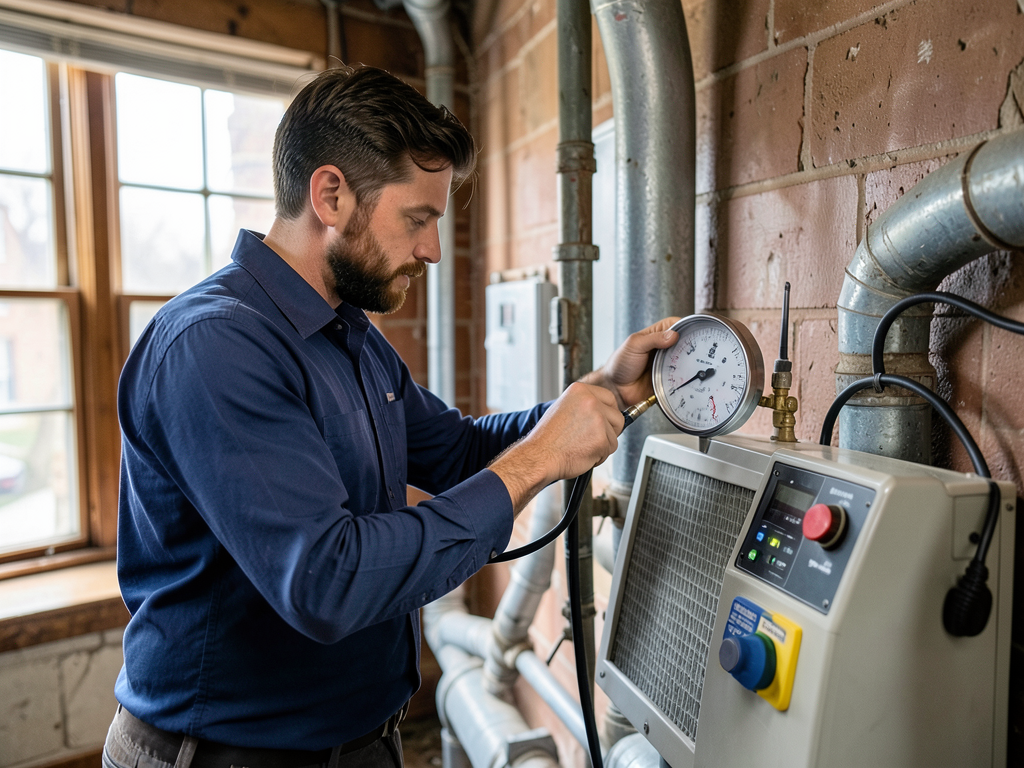
The Best Air Filter Upgrades for Georgetown Homes with Sensitive Historic Woodwork Georgetown's historic rowhouses feature irreplaceable wood trim, original hardwood floors, and intricate millwork that requires careful climate control. Standard air filters often create…
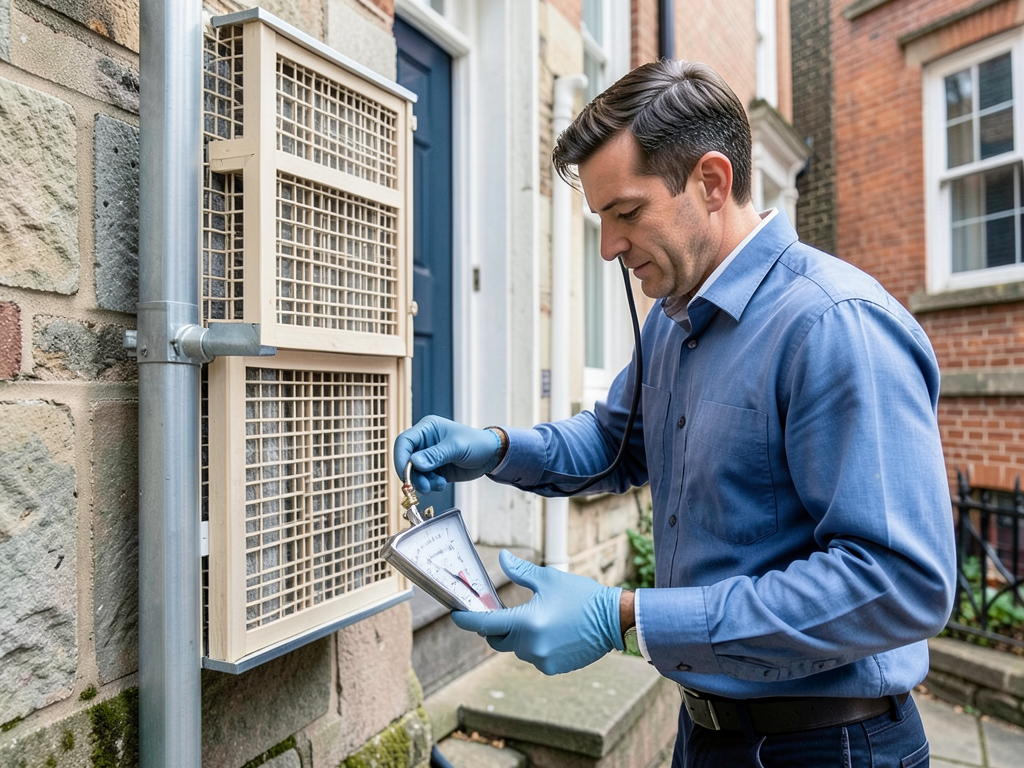
The Best Air Filter Upgrades for Georgetown Homes with Sensitive Historic Woodwork Georgetown's Federal-style rowhouses…
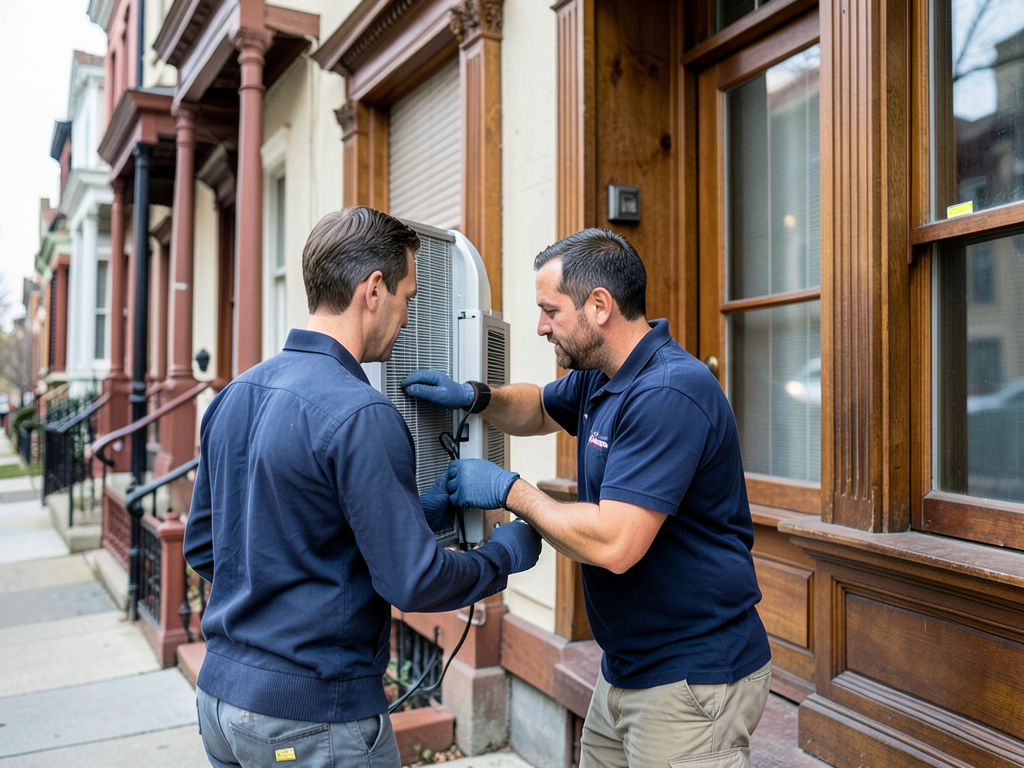
The Best Air Filter Upgrades for Georgetown Homes with Sensitive Historic Woodwork Georgetown's historic rowhouses…
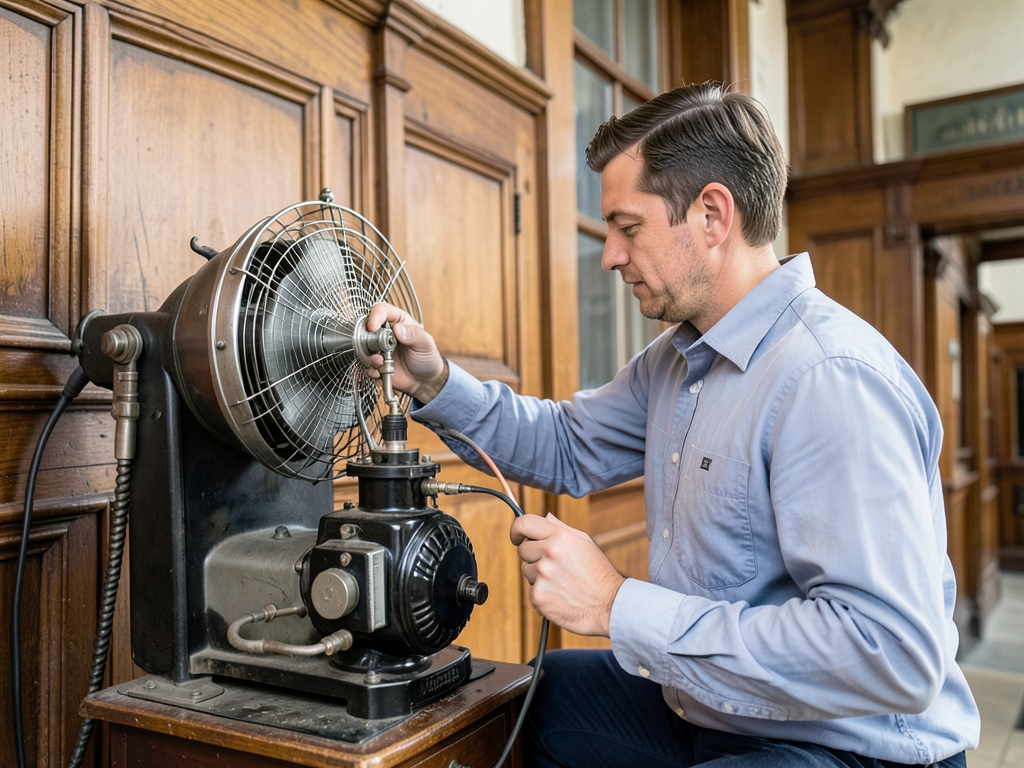
The Best Air Filter Upgrades for Georgetown Homes with Sensitive Historic Woodwork Georgetown's historic rowhouses…
Your comfort matters. Call Patriot HVAC Washington DC at (771) 218-6322 for same-day emergency service or scheduled maintenance. Our technicians are ready to diagnose your problem, provide upfront pricing, and restore reliable climate control to your Frederick home.