
Why your new Hillcrest home addition is always five degrees too hot
Your Hillcrest home addition feels like a different climate zone because your existing HVAC system was never designed to handle the extra load. Most homeowners discover this problem after construction is complete when the contractor is long gone. The issue isn’t your imagination – it’s a fundamental mismatch between your system’s capacity and the new space’s heating demands. The Best Heating and Cooling Solutions for Adams Morgan Condos.
Washington DC’s climate creates unique challenges for home additions. Our humid summers and cold winters mean your addition needs both robust heating and cooling capabilities. When your main system struggles to keep up, you’re left with uncomfortable temperature swings that make the space practically unusable during extreme weather. DC Department of Buildings mechanical permit requirements.
The solution starts with understanding why this happens. Most Hillcrest homes were built decades ago with HVAC systems sized for the original footprint. When you add 300-500 square feet of living space, you’re essentially asking a system designed for three bedrooms to heat four or five. This is where professional HVAC assessment becomes critical.
Common reasons your addition runs hot or cold
The most frequent culprit is inadequate ductwork. Your existing ducts were sized for a specific airflow volume. Adding new vents without properly calculating the increased demand creates bottlenecks. Air pressure drops, and some rooms get too much while others get too little.
Another major issue is poor insulation. Hillcrest’s historic homes often have minimal wall insulation. When you add a new space, builders sometimes cut corners on thermal barriers to save costs. This means your addition loses heat in winter and gains it in summer faster than the rest of your home.
Finally, there’s the thermostat location problem. Your main thermostat sits in the original part of your house. It has no idea what’s happening in the addition. By the time the main area reaches the set temperature, your addition might still be five degrees off target.
Professional HVAC solutions for Hillcrest additions
The first step is a comprehensive load calculation. This isn’t guesswork – it’s a precise measurement of your addition’s heating and cooling requirements based on square footage, ceiling height, window area, and insulation levels. Without this data, any solution is just a shot in the dark.
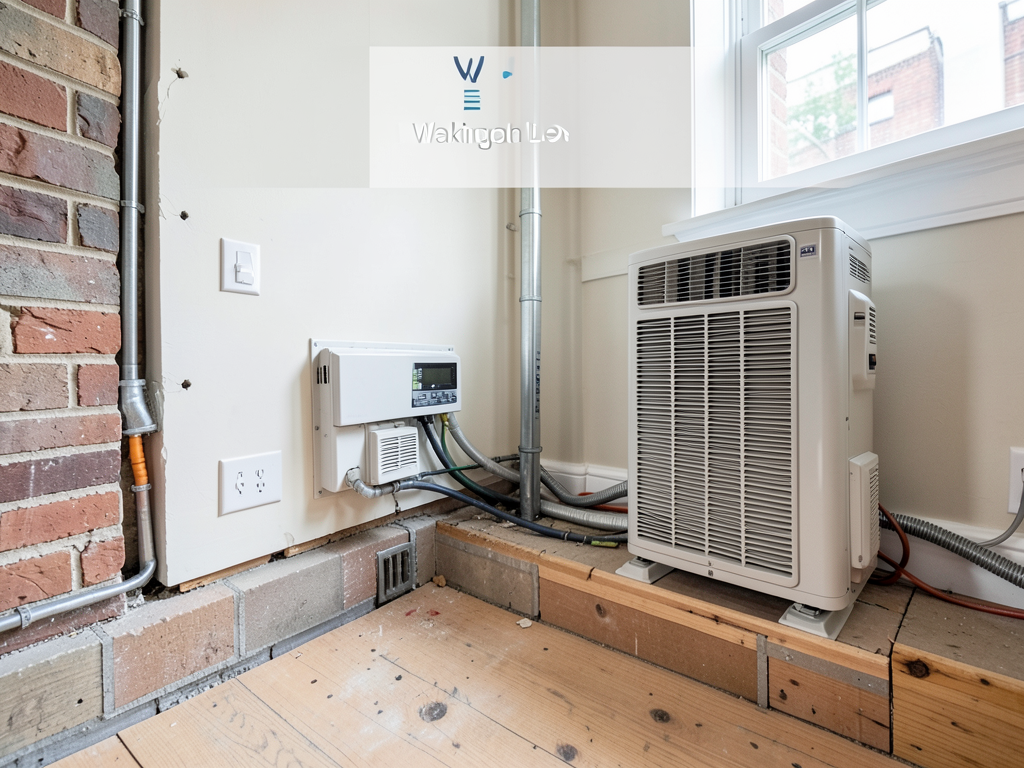
For many Hillcrest homeowners, a ductless mini-split system offers the best solution. These units provide zoned heating and cooling without the need for extensive ductwork modifications. They’re particularly effective in additions because you can control the temperature independently from your main system.
If you prefer to integrate with your existing system, extending the ductwork might work. However, this requires careful balancing and often a system upgrade. Your air handler might need replacement to handle the increased airflow demands.
Radiant floor heating is another excellent option for Hillcrest additions, especially if you’re dealing with cold tile or hardwood floors. While more expensive upfront, radiant systems provide consistent, comfortable heat that eliminates cold spots entirely.
DC building codes and permit requirements
Washington DC has specific requirements for HVAC modifications in home additions. The Department of Buildings requires a mechanical permit for any system changes that affect capacity or distribution. This includes new duct runs, additional units, or significant modifications to existing equipment.
The DC Energy Conservation Code mandates minimum insulation levels for new construction and additions. For Hillcrest’s historic district, there are additional preservation considerations. Exterior condenser units must meet specific setback requirements and cannot be visible from the street in many cases. Energy Star heat pump efficiency standards.
According to the 2023 DC Green Building Code, all new HVAC equipment must meet minimum efficiency standards. Heat pumps installed after January 2023 must have a minimum Seasonal Energy Efficiency Ratio (SEER2) of 15 and Heating Seasonal Performance Factor (HSPF2) of 8.5.

Energy efficiency and cost considerations
Modern high-efficiency heat pumps can reduce your energy bills by 30-50% compared to older systems. In Hillcrest’s climate, where heating and cooling demands are significant year-round, this translates to substantial savings over the system’s lifetime.
The DC Sustainable Energy Utility offers rebates for qualifying high-efficiency equipment. Current programs provide up to $500 for heat pump installations that meet specific efficiency criteria. These rebates can significantly offset the initial investment cost.
Federal tax credits under the Inflation Reduction Act provide additional savings. Homeowners can claim 30% of the installation cost for qualifying heat pumps, up to $2,000. This applies to both the equipment and installation labor.
When comparing options, consider the total cost of ownership. A cheaper solution that doesn’t adequately heat your addition will cost more in the long run through higher energy bills and potential system repairs. Getting Fast AC Repair for Your Navy Yard Apartment or Condo.
DIY troubleshooting steps
Before calling a professional, check a few basic things. Make sure all vents in your addition are fully open and not blocked by furniture. Clean or replace your air filters – dirty filters restrict airflow and reduce system efficiency.
Check your thermostat batteries and settings. Sometimes the solution is as simple as adjusting the fan setting from “auto” to “on” for more consistent airflow. Also verify that your addition’s vents aren’t closed or partially obstructed.
Listen for unusual noises from your HVAC system. Rattling, banging, or whistling sounds often indicate airflow restrictions or mechanical problems. These symptoms suggest it’s time for professional diagnosis rather than continued DIY attempts.
If your addition has its own thermostat, try adjusting it independently from the main system. This can help isolate whether the problem is with the equipment or the distribution system.
When to call a professional
Call an HVAC professional if your addition consistently runs 5+ degrees different from the rest of your home. This temperature differential indicates a systemic problem that DIY fixes won’t resolve.
Also contact a professional if you notice your system running constantly without reaching the desired temperature. This suggests your equipment is undersized for the total load, including your new addition.
Strange odors, especially burning smells or musty odors, require immediate professional attention. These can indicate electrical problems, mold growth, or other serious issues that affect both comfort and safety.
Finally, if your energy bills have spiked since adding the new space, it’s time for a professional assessment. Your system might be working overtime to compensate for the increased demand.
Long-term solutions for comfortable additions
The most reliable solution for persistent temperature problems is often a dedicated HVAC system for your addition. This eliminates the compromise of trying to make one system serve two very different spaces.
Consider the addition’s primary use when selecting equipment. A home office might prioritize consistent temperatures and good air filtration. A sunroom might need enhanced dehumidification capabilities. A guest suite might benefit from zoned temperature control.
Smart thermostats can help manage temperature differences by learning usage patterns and adjusting automatically. Some models can even monitor temperature in multiple zones and optimize airflow accordingly.
Regular maintenance is crucial for any HVAC system, but especially for one managing multiple zones. Annual professional tune-ups can identify small problems before they become major comfort issues. Replacing an Aging Furnace in Your Chevy Chase Home.
Choosing the right HVAC contractor
Look for contractors with specific experience in DC home additions. The unique challenges of our historic housing stock and strict building codes require specialized knowledge that general HVAC companies might lack.
Verify that your contractor pulls the necessary permits and understands DC’s building requirements. Unpermitted work can cause problems when you sell your home and might not meet current efficiency standards.
Ask about warranty coverage and what it includes. A good contractor will offer both equipment and labor warranties, giving you protection against future problems.
Get multiple quotes, but don’t automatically choose the lowest price. The cheapest option might not address your specific needs and could cost more in the long run through higher energy bills and repairs. Fast Furnace Repair Services for Families in Chevy Chase DC.
Financing your HVAC upgrade
Many homeowners delay HVAC improvements due to cost concerns. However, financing options can make upgrades more affordable. Some contractors offer payment plans, and there are specialized home improvement loans available.
Consider the energy savings when evaluating costs. A high-efficiency system that costs $2,000 more might save $500 per year in energy costs. That’s a four-year payback period – after that, you’re saving money every month.
Utility companies often offer rebates for energy-efficient upgrades. Check with Pepco and Washington Gas for current incentive programs. These can reduce your out-of-pocket costs significantly.
Some contractors partner with financing companies to offer low-interest loans for HVAC projects. These can spread the cost over several years, making the monthly payments manageable while you enjoy immediate comfort improvements.
Frequently Asked Questions
Can I just add more vents to my existing system?
Adding vents without proper load calculations often makes the problem worse. Your system needs to be balanced for the increased airflow demand. Without professional assessment, you might create pressure imbalances that affect the entire house.
How long does a typical HVAC addition project take?
Most projects take 1-3 days for equipment installation, plus additional time for permits and inspections. Complex ductwork modifications might extend this timeline. Your contractor should provide a specific schedule based on your home’s unique requirements.
Will a new system increase my home’s value?
A properly sized, efficient HVAC system can increase your home’s value and appeal to buyers. Energy-efficient features are increasingly important to homebuyers, especially in DC’s competitive market where utility costs are high.
What’s the most energy-efficient option for a Hillcrest addition?
Ductless mini-split heat pumps typically offer the best efficiency for additions. They eliminate duct losses, provide zoned control, and can achieve SEER2 ratings above 20. For many homeowners, the energy savings offset the higher initial cost within 3-5 years.
Do I need a permit for HVAC work in my addition?
Yes, DC requires mechanical permits for most HVAC modifications. This includes new equipment installation, major ductwork changes, and system capacity upgrades. Your contractor should handle permit acquisition as part of the project.
Call (771) 218-6322 today to schedule your inspection. Our Hillcrest HVAC specialists will assess your addition’s specific needs and recommend the most effective solution for your home and budget.
Don’t wait for another uncomfortable season. Pick up the phone and call (771) 218-6322 before the next storm hits. Your family deserves consistent comfort throughout your entire home, not just the original structure.
{
“@context”: “https://schema.org”,
“@type”: “BlogPosting”,
“headline”: “Why your new Hillcrest home addition is always five degrees too hot”,
“description”: “Struggling with uneven heating in your Hillcrest home addition? Learn why your new space stays cold and how to fix it with DC-specific HVAC solutions.”,
“wordCount”: 1740,
“datePublished”: “2026-05-25T10:39:00.000Z”,
“dateModified”: “2026-05-25T10:39:00.000Z”,
“inLanguage”: “en-US”,
“mainEntityOfPage”: {
“@type”: “WebPage”,
“@id”: “https://patriothvacwashingtondc.com”
},
“publisher”: {
“@type”: “LocalBusiness”,
“name”: “Patriot HVAC Washington DC”,
“url”: “https://patriothvacwashingtondc.com”
},
“author”: {
“@type”: “Organization”,
“name”: “Patriot HVAC Washington DC”,
“url”: “https://patriothvacwashingtondc.com”
},
“image”: {
“@type”: “ImageObject”,
“url”: “https://patriothvacwashingtondc.com/wp-content/uploads/2026/03/why-your-new-hillcrest-home-addition-is-always-fiv-1.png”
}
}
{
“@context”: “https://schema.org”,
“@type”: “HVACBusiness”,
“name”: “Patriot HVAC Washington DC”,
“url”: “https://patriothvacwashingtondc.com”,
“address”: {
“@type”: “PostalAddress”,
“addressLocality”: “Washington DC”
},
“areaServed”: {
“@type”: “City”,
“name”: “Washington DC”
}
}
{
“@context”: “https://schema.org”,
“@type”: “FAQPage”,
“mainEntity”: [
{
“@type”: “Question”,
“name”: “Can I just add more vents to my existing system?”,
“acceptedAnswer”: {
“@type”: “Answer”,
“text”: “Adding vents without proper load calculations often makes the problem worse. Your system needs to be balanced for the increased airflow demand. Without professional assessment, you might create pressure imbalances that affect the entire house.”
}
},
{
“@type”: “Question”,
“name”: “How long does a typical HVAC addition project take?”,
“acceptedAnswer”: {
“@type”: “Answer”,
“text”: “Most projects take 1-3 days for equipment installation, plus additional time for permits and inspections. Complex ductwork modifications might extend this timeline. Your contractor should provide a specific schedule based on your home’s unique requirements.”
}
},
{
“@type”: “Question”,
“name”: “Will a new system increase my home’s value?”,
“acceptedAnswer”: {
“@type”: “Answer”,
“text”: “A properly sized, efficient HVAC system can increase your home’s value and appeal to buyers. Energy-efficient features are increasingly important to homebuyers, especially in DC’s competitive market where utility costs are high.”
}
},
{
“@type”: “Question”,
“name”: “What’s the most energy-efficient option for a Hillcrest addition?”,
“acceptedAnswer”: {
“@type”: “Answer”,
“text”: “Ductless mini-split heat pumps typically offer the best efficiency for additions. They eliminate duct losses, provide zoned control, and can achieve SEER2 ratings above 20. For many homeowners, the energy savings offset the higher initial cost within 3-5 years.”
}
},
{
“@type”: “Question”,
“name”: “Do I need a permit for HVAC work in my addition?”,
“acceptedAnswer”: {
“@type”: “Answer”,
“text”: “Yes, DC requires mechanical permits for most HVAC modifications. This includes new equipment installation, major ductwork changes, and system capacity upgrades. Your contractor should handle permit acquisition as part of the project.”
}
}
]
}
{
“@context”: “https://schema.org”,
“@type”: “BreadcrumbList”,
“itemListElement”: [
{
“@type”: “ListItem”,
“position”: 1,
“name”: “Home”,
“item”: “https://patriothvacwashingtondc.com”
},
{
“@type”: “ListItem”,
“position”: 2,
“name”: “Blog”,
“item”: “https://patriothvacwashingtondc.com/blog”
},
{
“@type”: “ListItem”,
“position”: 3,
“name”: “Why your new Hillcrest home addition is always five degrees too hot”
}
]
}
{
“@context”: “https://schema.org”,
“@type”: “Service”,
“serviceType”: “HVAC”,
“provider”: {
“@type”: “LocalBusiness”,
“name”: “Patriot HVAC Washington DC”,
“url”: “https://patriothvacwashingtondc.com”
},
“areaServed”: {
“@type”: “City”,
“name”: “Washington DC”
},
“description”: “Struggling with uneven heating in your Hillcrest home addition? Learn why your new space stays cold and how to fix it with DC-specific HVAC solutions.”
}