
Why your American University Park home needs a carbon monoxide detector near the furnace
Carbon monoxide is an invisible threat that can build up in your American University Park home without warning. This odorless colorless gas comes from incomplete combustion in your furnace and can reach dangerous levels before you notice any symptoms. Every home with a gas furnace needs working CO detectors placed correctly to protect your family. Fast Furnace Repair Services for Families in Chevy Chase DC.
American University Park homes often have older HVAC systems installed decades ago. These aging furnaces develop problems that newer systems rarely experience. The University Park neighborhood’s mix of historic and mid-century homes means many furnaces operate past their expected lifespan increasing the risk of CO leaks.
How carbon monoxide forms in your furnace
Your furnace burns natural gas to create heat. Under perfect conditions this combustion produces mostly carbon dioxide and water vapor. When something goes wrong incomplete combustion creates carbon monoxide instead.
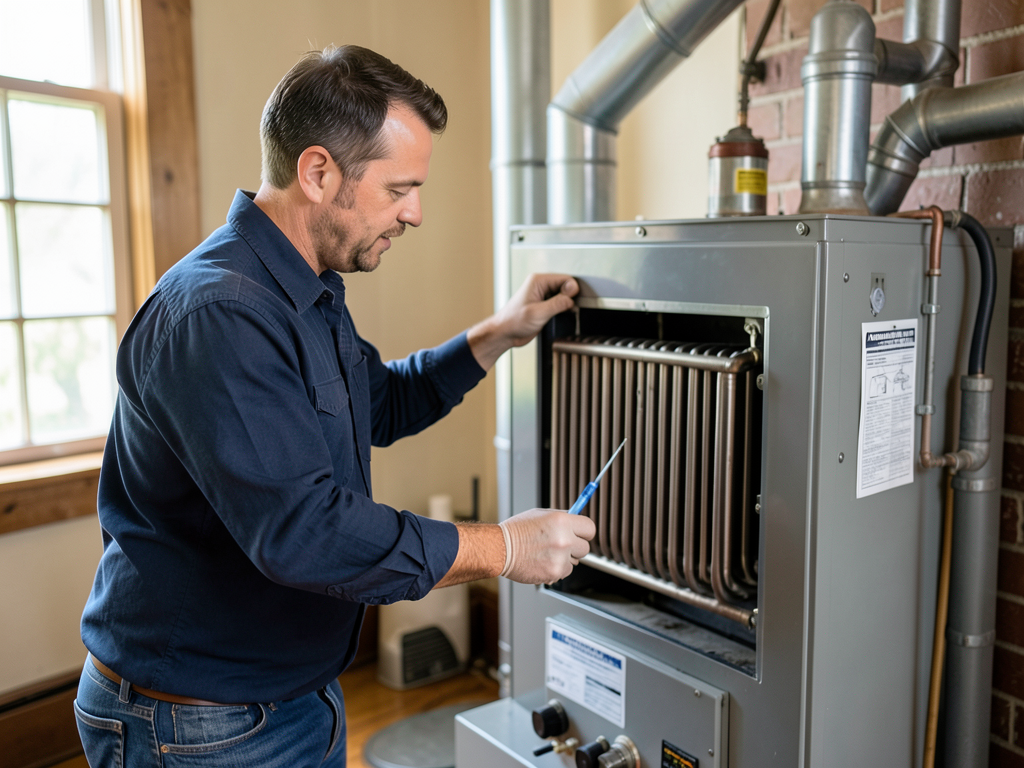
The most common source is a cracked heat exchanger. This metal component separates the combustion chamber from your breathing air. Over time the constant heating and cooling causes metal fatigue. Small cracks form allowing CO to escape into your home’s air supply. The Best Heating and Cooling Solutions for Adams Morgan Condos.
Older homes in the AU Park area often have gravity-fed furnaces or outdated venting systems. These lack the safety features built into modern equipment. The University Park Civic Association has documented cases where historic home renovations inadvertently created ventilation problems that trap CO inside.
DC building codes require CO detectors
The District of Columbia Building Code mandates carbon monoxide detectors in all homes with fuel-burning appliances. DCRA regulation 12D requires detectors on every level of your home including the basement where most furnaces are located. DC Building Code.
DC code specifies detectors must be installed within 15 feet of any bedroom door. For American University Park homes with basement furnaces this often means placing detectors at the top of basement stairs and in hallways outside sleeping areas.
Washington Gas recommends annual furnace inspections to check for CO-producing problems. Their safety guidelines align with DC Fire and EMS protocols for CO emergencies. The agency responds to hundreds of CO calls each year in the District many from aging heating systems. Washington Gas safety guidelines.
Symptoms of carbon monoxide poisoning
CO poisoning symptoms mimic the flu without fever. Headaches dizziness nausea and confusion are early warning signs. As exposure continues symptoms worsen to include chest pain vomiting and loss of coordination.
American University Park residents often mistake these symptoms for seasonal allergies or winter viruses. The neighborhood’s older homes with poor ventilation can trap CO allowing symptoms to develop gradually over hours or days.
Young children and elderly family members are most vulnerable. CO affects them faster than healthy adults. Pets often show symptoms first acting lethargic or disoriented before humans notice anything wrong.
Where to place carbon monoxide detectors
Place CO detectors on every level of your home. Near sleeping areas is most critical since CO poisoning often occurs at night when furnaces run continuously.
For basement furnaces common in American University Park homes install one detector at the top of basement stairs. This catches CO before it spreads through your home. Additional detectors should be placed in hallways outside bedrooms and on upper floors.
Don’t install detectors directly above fuel-burning appliances. They need to be 15-20 feet away to avoid false alarms from normal operation. Also avoid placing them near windows doors or humid areas like bathrooms.
Testing and maintaining your CO detectors
Test CO detectors monthly by pressing the test button. Replace batteries every six months when you change your clocks for daylight saving time. Most detectors need replacement every 5-7 years as sensors degrade.
American University Park’s older homes often have multiple heating zones. Each zone needs its own detector. A detector near your living room won’t help if CO builds up in a bedroom wing with a separate heating system.
Washington Gas offers free CO safety checks for customers. Their technicians use combustion analyzers to measure CO levels in your home and furnace. This testing goes beyond what standard detectors can do.
Annual furnace maintenance prevents CO problems
Professional furnace maintenance includes checking for CO-producing issues. Technicians examine the heat exchanger for cracks test combustion efficiency and verify proper venting.
American University Park homes often need specialized maintenance. Many have historic radiators or steam systems that require different expertise than modern forced-air furnaces. The neighborhood’s mix of home styles means no single maintenance approach works for every house.
Look for yellow flames instead of blue in your furnace. This indicates incomplete combustion and potential CO production. Soot buildup around your furnace or moisture on windows can also signal combustion problems.
What to do if your CO detector alarms
If your CO detector sounds evacuate immediately. Get everyone outside to fresh air. Don’t waste time opening windows or searching for the source.
Call 911 from outside your home. DC Fire and EMS has specialized equipment to measure CO levels and identify the source. Don’t re-enter your home until emergency responders declare it safe.
After the emergency have your furnace inspected by a qualified technician before using it again. The problem that caused CO production needs repair before your heating system can operate safely. Getting Fast AC Repair for Your Navy Yard Apartment or Condo.
Choosing the right CO detector
UL 2034 certified detectors provide the best protection. These meet Underwriters Laboratories standards for accuracy and reliability. Avoid cheap detectors that may not alarm at dangerous CO levels.
Digital display models show CO levels in parts per million. This helps you identify problems before they become emergencies. Peak level memory records the highest CO concentration detected useful for diagnosing intermittent issues.
Hardwired detectors with battery backup offer the most reliable protection. They work during power outages when you might need heating most. Combination smoke and CO detectors save space but separate units provide better coverage. Finding Reliable Emergency AC Repair in Capitol Hill DC During a Heatwave.
Special considerations for historic homes
American University Park’s historic homes present unique CO risks. Many have converted from coal to gas without updating the entire system. Original chimneys may not properly vent modern furnaces.
Older homes often have negative air pressure from exhaust fans or clothes dryers. This can pull CO back into your home through vents designed to carry it outside. The University Park Civic Association recommends pressure testing for homes with chronic CO issues.
Historic preservation guidelines may restrict exterior modifications needed for proper venting. Work with contractors who understand both CO safety and historic preservation requirements.
Professional CO testing services
Combustion analysis goes beyond basic detector testing. Technicians use electronic analyzers to measure CO levels in flue gases and room air. This identifies problems before they create dangerous conditions.
National Comfort Institute certified technicians receive specialized training in CO detection and prevention. They understand how building construction ventilation and appliance operation interact to create CO risks. National Comfort Institute certification.
American University Park homes benefit from technicians familiar with the neighborhood’s specific housing stock. Different home styles require different testing approaches and safety solutions.
Winter preparation checklist
Before heating season starts test all CO detectors and replace batteries. Schedule professional furnace maintenance to check for CO-producing problems.
Clear vents and flues of any obstructions. Leaves bird nests or snow can block proper venting. Ensure your furnace has adequate combustion air supply.
American University Park’s winter storms can cause power outages. Consider battery-powered CO detectors as backup since gas furnaces need electricity to operate safely.
Frequently Asked Questions
How many carbon monoxide detectors do I need in my American University Park home?
You need at least one CO detector on every level of your home including the basement. DC code requires detectors within 15 feet of bedroom doors. Homes with multiple heating zones may need additional detectors.
What’s the difference between a smoke detector and a carbon monoxide detector?
Smoke detectors sense airborne particles from fires. CO detectors measure specific gas concentrations. While combination units exist dedicated CO detectors provide better protection since they’re optimized for detecting this particular threat.
How often should I replace my carbon monoxide detector?
Replace CO detectors every 5-7 years even if they appear to work. Sensors degrade over time and may not alarm at dangerous CO levels. Check the manufacture date on your detector to know when replacement is due.
Can I install a carbon monoxide detector myself?
Yes you can install battery-powered CO detectors yourself following manufacturer instructions. For hardwired units you’ll need an electrician. Professional installation ensures proper placement and may be required for some building permits.
Call (771) 218-6322 today to schedule your furnace safety inspection
Don’t wait for your CO detector to sound an alarm. American University Park homes need annual furnace inspections to prevent carbon monoxide problems before they start. Our NCI-certified technicians understand the unique challenges of your neighborhood’s historic and mid-century homes.
Call (771) 218-6322 today to schedule your furnace safety inspection. We’ll check for cracked heat exchangers verify proper venting and test CO levels throughout your home. Your family’s safety is worth a quick phone call.
Pick up the phone and call (771) 218-6322 before the next cold snap hits. A safe furnace means a warm worry-free winter for your American University Park home.
{
“@context”: “https://schema.org”,
“@type”: “BlogPosting”,
“headline”: “Why your American University Park home needs a carbon monoxide detector near the furnace”,
“description”: “Protect your American University Park home from carbon monoxide with proper detector placement near your furnace. Learn DC code requirements and safety tips.”,
“wordCount”: 1569,
“datePublished”: “2026-05-03T11:31:00.000Z”,
“dateModified”: “2026-05-03T11:31:00.000Z”,
“inLanguage”: “en-US”,
“mainEntityOfPage”: {
“@type”: “WebPage”,
“@id”: “https://patriothvacwashingtondc.com”
},
“publisher”: {
“@type”: “LocalBusiness”,
“name”: “Patriot HVAC Washington DC”,
“url”: “https://patriothvacwashingtondc.com”
},
“author”: {
“@type”: “Organization”,
“name”: “Patriot HVAC Washington DC”,
“url”: “https://patriothvacwashingtondc.com”
},
“image”: {
“@type”: “ImageObject”,
“url”: “https://patriothvacwashingtondc.com/wp-content/uploads/2026/03/why-your-american-university-park-home-needs-a-car-1-4.png”
}
}
{
“@context”: “https://schema.org”,
“@type”: “HVACBusiness”,
“name”: “Patriot HVAC Washington DC”,
“url”: “https://patriothvacwashingtondc.com”,
“address”: {
“@type”: “PostalAddress”,
“addressLocality”: “Washington DC”
},
“areaServed”: {
“@type”: “City”,
“name”: “Washington DC”
}
}
{
“@context”: “https://schema.org”,
“@type”: “FAQPage”,
“mainEntity”: [
{
“@type”: “Question”,
“name”: “How many carbon monoxide detectors do I need in my American University Park home?”,
“acceptedAnswer”: {
“@type”: “Answer”,
“text”: “You need at least one CO detector on every level of your home including the basement. DC code requires detectors within 15 feet of bedroom doors. Homes with multiple heating zones may need additional detectors.”
}
},
{
“@type”: “Question”,
“name”: “What’s the difference between a smoke detector and a carbon monoxide detector?”,
“acceptedAnswer”: {
“@type”: “Answer”,
“text”: “Smoke detectors sense airborne particles from fires. CO detectors measure specific gas concentrations. While combination units exist dedicated CO detectors provide better protection since they’re optimized for detecting this particular threat.”
}
},
{
“@type”: “Question”,
“name”: “How often should I replace my carbon monoxide detector?”,
“acceptedAnswer”: {
“@type”: “Answer”,
“text”: “Replace CO detectors every 5-7 years even if they appear to work. Sensors degrade over time and may not alarm at dangerous CO levels. Check the manufacture date on your detector to know when replacement is due.”
}
},
{
“@type”: “Question”,
“name”: “Can I install a carbon monoxide detector myself?”,
“acceptedAnswer”: {
“@type”: “Answer”,
“text”: “Yes you can install battery-powered CO detectors yourself following manufacturer instructions. For hardwired units you’ll need an electrician. Professional installation ensures proper placement and may be required for some building permits.”
}
}
]
}
{
“@context”: “https://schema.org”,
“@type”: “BreadcrumbList”,
“itemListElement”: [
{
“@type”: “ListItem”,
“position”: 1,
“name”: “Home”,
“item”: “https://patriothvacwashingtondc.com”
},
{
“@type”: “ListItem”,
“position”: 2,
“name”: “Blog”,
“item”: “https://patriothvacwashingtondc.com/blog”
},
{
“@type”: “ListItem”,
“position”: 3,
“name”: “Why your American University Park home needs a carbon monoxide detector near the furnace”
}
]
}
{
“@context”: “https://schema.org”,
“@type”: “Service”,
“serviceType”: “HVAC”,
“provider”: {
“@type”: “LocalBusiness”,
“name”: “Patriot HVAC Washington DC”,
“url”: “https://patriothvacwashingtondc.com”
},
“areaServed”: {
“@type”: “City”,
“name”: “Washington DC”
},
“description”: “Protect your American University Park home from carbon monoxide with proper detector placement near your furnace. Learn DC code requirements and safety tips.”
}