
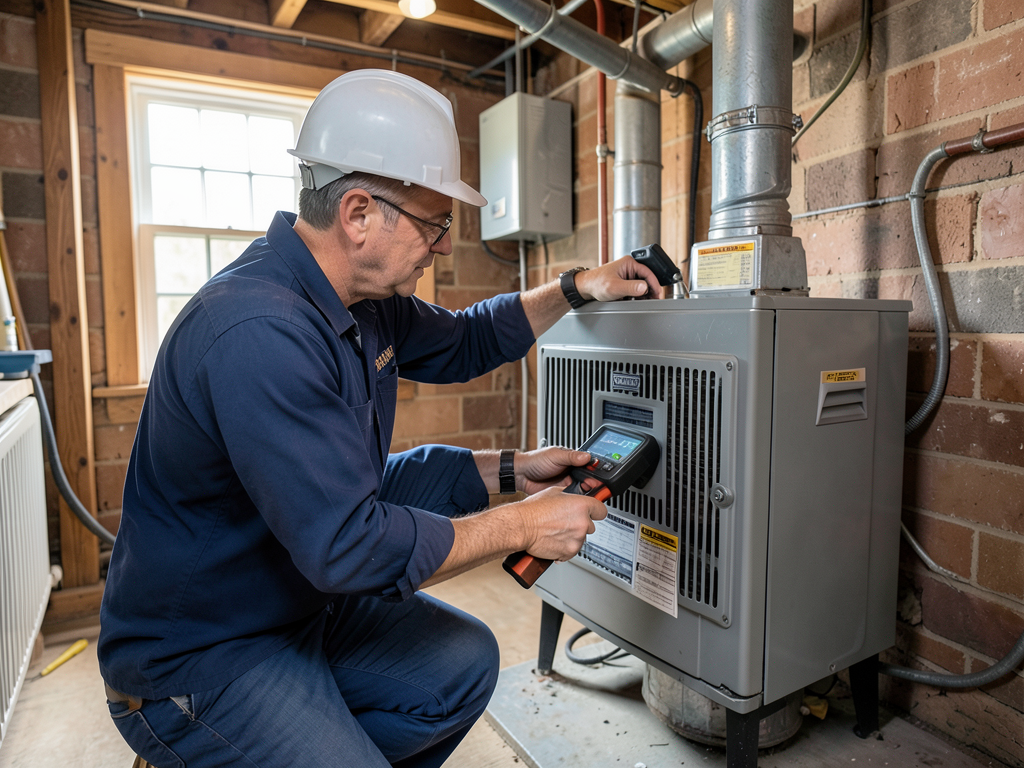
Why your American University Park home needs a carbon monoxide detector near the furnace
Every winter, thousands of DC-area homes face hidden dangers from carbon monoxide leaks. Your furnace burns fuel to heat your home, but when something goes wrong, it can produce deadly carbon monoxide gas. In American University Park’s older homes, aging heating systems and tight building envelopes create perfect conditions for CO buildup. DC Department of Energy and Environment.
Carbon monoxide is odorless, colorless, and kills silently. The CDC reports that over 400 Americans die from unintentional CO poisoning each year, with thousands more hospitalized. In DC’s historic rowhouses and older single-family homes, the risk is especially high due to aging heating equipment and complex venting systems. CDC Carbon Monoxide Information.
You need working carbon monoxide detectors on every level of your home, especially near sleeping areas and your furnace. DC building codes require CO alarms in all homes with fuel-burning appliances. But having detectors is just the first step. Understanding how your furnace works, recognizing warning signs, and knowing what to do during an emergency can save your family’s life. Fast Furnace Repair Services for Families in Chevy Chase DC.
American University Park’s mix of early 20th-century homes and modern renovations means your furnace might be decades old. Older heat exchangers crack over time, flues get blocked by debris, and improper venting becomes a silent killer. Don’t wait until symptoms appear. Take action now to protect your home.
Common symptoms of carbon monoxide poisoning
Carbon monoxide poisoning mimics many common illnesses, making it particularly dangerous. The symptoms often appear gradually, leading people to dismiss them as the flu or simple fatigue. Here’s what to watch for:
- Headache that worsens when you’re home and improves when you leave
- Dizziness or lightheadedness, especially when standing up
- Nausea or vomiting without other digestive symptoms
- Confusion or difficulty thinking clearly
- Weakness or fatigue that doesn’t improve with rest
- Chest pain or shortness of breath
- Blurred vision or seeing spots
The key warning sign is that symptoms improve when you leave the house and return when you come back inside. Multiple family members experiencing similar symptoms at the same time is another red flag. Pets often show symptoms first since they’re smaller and more sensitive to CO.
If you experience these symptoms and suspect CO poisoning, get outside immediately and call 911. Don’t wait to see if symptoms improve. Carbon monoxide prevents your blood from carrying oxygen, and exposure can cause permanent damage or death within minutes.
How your furnace produces carbon monoxide
Your furnace creates heat through combustion, burning natural gas or propane with oxygen from the air. This process should produce mostly carbon dioxide and water vapor, but several problems can cause incomplete combustion and carbon monoxide production.
The heat exchanger is the heart of your furnace. This metal chamber separates the combustion process from your home’s air. Over time, especially in American University Park’s older homes, heat exchangers develop cracks from metal fatigue. Temperature swings from DC’s humid summers and freezing winters cause expansion and contraction that weakens metal over decades.
When a heat exchanger cracks, combustion gases leak into your home’s air supply. The problem often starts small but worsens over time. You might not notice until CO levels become dangerous. A cracked heat exchanger can produce CO levels of 200-400 parts per million, well above the 70 ppm threshold for dangerous exposure.
Improper venting is another common issue in DC’s historic homes. Many American University Park houses have chimneys that were designed for older, less efficient furnaces. Modern high-efficiency furnaces produce cooler exhaust gases that don’t rise as quickly through old chimneys. This can cause backdrafting, where exhaust gases flow back into your home instead of venting outside.
Blocked flues from bird nests, leaves, or debris also prevent proper venting. Even a partial blockage can cause dangerous CO buildup. The problem is worse in homes near Rock Creek Park or other wooded areas where wildlife is common.
Prevention strategies and DC building codes
DC building codes require carbon monoxide detectors on every level of your home, including the basement. The District of Columbia Municipal Regulations (DCMR) Title 12E, Chapter 12 specifically mandates CO alarms in all dwelling units with fuel-burning appliances or attached garages. Detectors must be installed outside each separate sleeping area and on every level of the home.
Washington Gas recommends testing your CO detectors monthly and replacing batteries twice yearly. Most CO detectors last 5-7 years, after which their sensors degrade. Look for the manufacture date on the back of your detector. If it’s older than seven years, replace it immediately.
Annual furnace maintenance is your best defense against CO leaks. A professional technician should inspect your system before each heating season. During a maintenance visit, they’ll check for: The Best Heating and Cooling Solutions for Adams Morgan Condos.
- Cracks in the heat exchanger using specialized inspection cameras
- Proper burner operation and flame characteristics
- Vent pipe integrity and connections
- Carbon monoxide levels in the flue and around the furnace
- Air filter condition and airflow restrictions
DC’s humid climate creates additional challenges for furnace safety. High humidity can cause condensation in vent pipes, leading to corrosion and eventual leaks. The temperature swings between summer and winter cause metal components to expand and contract, accelerating wear on heat exchangers and other parts.
American University Park’s older homes often have plaster walls and limited insulation. This means your furnace works harder to maintain comfortable temperatures, putting more stress on the system. Combined with the area’s clay soil that can cause foundation shifts, your heating equipment faces unique challenges that newer homes don’t experience.
Warning signs that require immediate attention
Your furnace often gives warning signs before a major CO leak occurs. Learning to recognize these signs can prevent dangerous situations. Watch for:
Yellow or flickering burner flames indicate incomplete combustion. Gas burners should produce steady blue flames. Yellow flames suggest your furnace isn’t getting enough oxygen or has a venting problem.
Soot or rust around the furnace indicates combustion problems. Soot buildup suggests your furnace is producing more carbon than it should, which often correlates with CO production.
Excessive moisture on windows or walls near the furnace can indicate backdrafting. When exhaust gases cool too quickly, they release moisture that condenses on nearby surfaces.
Strange noises from your furnace like rattling, popping, or whistling might indicate heat exchanger problems. These sounds often occur as metal components expand and contract unevenly due to cracks or damage.
Frequent pilot light outages in older furnaces suggest venting issues. If your pilot light keeps going out, it might be due to backdrafting that’s blowing out the flame.
Carbon monoxide detector alarms should never be ignored. If your CO detector sounds, evacuate immediately and call 911. Don’t assume it’s a false alarm. Even low-level CO exposure can cause long-term health effects.
Immediate actions during a suspected CO leak
If you suspect a carbon monoxide leak, every second counts. Follow these steps immediately:
- Get everyone outside to fresh air immediately. Don’t waste time gathering belongings.
- Call 911 from outside your home or a neighbor’s house. Tell them you suspect carbon monoxide poisoning.
- Open windows and doors as you leave to ventilate the home.
- Turn off your furnace at the thermostat if you can do so safely.
- Call Washington Gas emergency line at 844-880-5325 to report a potential gas leak.
- Don’t re-enter your home until emergency responders declare it safe.
- Have your furnace inspected by a qualified HVAC technician before using it again.
Never ignore CO detector alarms or symptoms of poisoning. The gas can incapacitate you before you realize the danger. Children, elderly people, and those with respiratory conditions are especially vulnerable and may show symptoms first.
Keep emergency numbers posted near your phone or saved in your cell phone. Include your HVAC company, Washington Gas, and local emergency services. In American University Park, response times can be affected by traffic on Wisconsin Avenue or neighborhood street parking, so having numbers ready saves precious minutes. Boiler Services.
When to call a professional HVAC technician
Some furnace issues require immediate professional attention. Call a qualified HVAC technician if you notice:
Age concerns: Furnaces over 15-20 years old are more likely to have heat exchanger cracks or other CO-producing problems. If your system is this old, schedule a comprehensive safety inspection before the heating season begins.
Installation problems: If your furnace was installed more than 10 years ago or you’ve recently moved into an older home, improper venting or incorrect installation could create CO hazards. A professional inspection can identify these issues.
Performance changes: If your furnace runs longer, heats less effectively, or cycles on and off more frequently, it might have developing problems that could lead to CO production.
Visible damage: Cracks in the furnace cabinet, rust on vent pipes, or water around the base of your furnace indicate problems that need professional evaluation.
High energy bills: A sudden increase in heating costs might indicate your furnace is working inefficiently due to combustion problems or venting issues.
Look for technicians certified by North American Technician Excellence (NATE) and experienced with older DC-area homes. American University Park’s historic homes require specialized knowledge of older heating systems, plaster walls, and unique venting challenges.
Professional technicians use combustion analyzers to measure CO levels in flue gases and around the furnace. They also perform pressure tests and visual inspections using specialized cameras to check heat exchangers for cracks that aren’t visible to the naked eye.
DC-specific safety considerations
American University Park’s historic housing stock creates unique safety challenges. Many homes were built before modern building codes existed, and previous renovations might not meet current safety standards. Here’s what makes our neighborhood different:
Older chimney systems: Many American University Park homes have masonry chimneys designed for coal or oil furnaces. These chimneys often aren’t properly sized for modern gas furnaces, leading to drafting problems and CO backdrafting.
Plaster wall construction: Unlike modern drywall, plaster walls can hide CO leaks and make it harder to detect problems early. The dense material doesn’t transmit sounds that might indicate furnace problems.
Limited utility access: Some older homes have furnaces in tight basement spaces with poor ventilation. This makes CO buildup more dangerous and complicates emergency access for technicians.
Historic district regulations: If your home is in a historic district, exterior modifications like new vent pipes might require special permits. Work with contractors familiar with DC’s Historic Preservation Office requirements.
Power outage vulnerability: During winter storms, power outages can affect furnace operation. Some older systems don’t have battery backups for thermostats or CO detectors, leaving you vulnerable when you need heat most.
The DC Department of Energy and Environment (DOEE) offers resources for improving home energy efficiency, but safety should always come first. Don’t let energy-saving upgrades compromise your furnace’s venting or combustion air supply.
Cost factors and investment protection
Carbon monoxide safety requires ongoing investment, but it’s far less expensive than dealing with CO poisoning or a catastrophic furnace failure. Here’s what to expect:
| Service/Item | Typical Cost Range | Frequency | Importance |
|---|---|---|---|
| CO Detector (quality unit) | $30-80 per detector | Replace every 5-7 years | Critical |
| Professional Furnace Inspection | $100-200 | Annually before heating season | Essential |
| Heat Exchanger Replacement | $1,000-3,000 | As needed (15-25 year lifespan) | Major |
| Complete Furnace Replacement | $3,000-7,000 | Every 15-25 years | Major |
| Vent Pipe Repair/Replacement | $300-1,000 | As needed | High |
The cost of a CO detector is minimal compared to potential medical bills or the priceless value of your family’s safety. Many fire departments in DC offer free CO detectors to residents who can’t afford them. Contact your local fire station to ask about available programs.
Consider a maintenance plan with a trusted HVAC company. These plans often include annual inspections, priority service, and discounts on repairs. The peace of mind and early problem detection typically pay for themselves within a few years. Getting Fast AC Repair for Your Navy Yard Apartment or Condo.
Creating a family safety plan
Carbon monoxide safety requires preparation beyond just installing detectors. Create a family emergency plan that includes:
- Meeting location outside your home where everyone should gather if alarms sound
- Emergency contact numbers posted near phones and saved in cell phones
- Regular family drills so everyone knows what alarm sounds mean and how to respond
- Plans for pets, including carriers or leashes near exits
- Special considerations for elderly family members or those with mobility issues
Test your CO detectors monthly and teach children what the alarm sounds like and what to do when they hear it. Make sure everyone knows to get outside immediately and not to look for the source of the problem.
Keep your furnace area clear of storage items and flammable materials. Many CO incidents occur because blocked airflow causes incomplete combustion or prevents proper venting. Maintain at least three feet of clearance around your furnace.
Consider smart CO detectors that connect to your smartphone. These devices can alert you to problems even when you’re away from home, which is especially valuable for American University Park residents who might be commuting to downtown DC or traveling frequently.
Conclusion
Carbon monoxide safety isn’t optional for American University Park homeowners. Our historic homes, aging heating systems, and DC’s climate create unique risks that require proactive attention. The cost of prevention is minimal compared to the potential consequences of CO poisoning.
Take action today. Test your CO detectors, schedule a furnace inspection, and create a family emergency plan. Don’t wait until symptoms appear or an alarm sounds. By then, it might be too late.
Remember that carbon monoxide is called the silent killer for a reason. It gives no warning, produces no smell, and can incapacitate you before you realize something is wrong. Your best defense is preparation, prevention, and professional maintenance.
Protect your home and family with the same care you use for other aspects of your life. Just as you wouldn’t drive without seatbelts or neglect smoke detectors, don’t overlook carbon monoxide safety. The peace of mind is worth every effort.
Frequently Asked Questions
How many carbon monoxide detectors do I need in my American University Park home?
DC building codes require CO detectors on every level of your home, including the basement. You should have one outside each sleeping area and additional detectors near fuel-burning appliances. For most American University Park homes, this means 3-5 detectors total.
What’s the difference between carbon monoxide and natural gas leaks?
Natural gas has a distinctive rotten egg smell added for safety, while carbon monoxide is odorless and colorless. Natural gas leaks often create hissing sounds and can cause immediate physical symptoms. CO leaks produce gradual symptoms and require CO detectors for detection. Both are emergencies requiring evacuation.
How often should I replace my furnace to prevent CO leaks?
Most furnaces last 15-25 years, but heat exchangers often fail earlier. If your furnace is over 15 years old, have it inspected annually for cracks. Consider replacement if repairs exceed 30% of a new system’s cost or if your unit shows signs of significant wear.
Can I install carbon monoxide detectors myself, or do I need a professional?
You can install battery-powered CO detectors yourself following manufacturer instructions. However, hardwired detectors and those connected to alarm systems should be installed by licensed electricians. Professional installation ensures proper placement and functionality, especially important in American University Park’s older homes with unique layouts.
What should I do if my carbon monoxide detector goes off in the middle of the night?
Immediately evacuate everyone from the home, including pets. Call 911 from outside or a neighbor’s house. Don’t re-enter until emergency responders declare it safe. Keep emergency numbers and your evacuation plan visible and practiced so you can respond quickly even when half-asleep.
Call (771) 218-6322 today to schedule your furnace inspection before the next cold snap hits American University Park. Don’t wait until it’s too late to protect your family from carbon monoxide dangers. Our certified technicians understand the unique challenges of DC’s historic homes and will ensure your system is safe and efficient for the heating season ahead.
Pick up the phone and call (771) 218-6322 before the next storm hits. Your family’s safety can’t wait, and neither should you. We’re here to help American University Park homeowners stay warm and safe all winter long.
{
“@context”: “https://schema.org”,
“@type”: “BlogPosting”,
“headline”: “Why your American University Park home needs a carbon monoxide detector near the furnace”,
“description”: “Protect your American University Park home from carbon monoxide leaks with proper furnace safety. Learn DC-specific requirements, warning signs, and when to call Patriot HVAC.”,
“wordCount”: 2720,
“datePublished”: “2026-05-03T11:31:00.000Z”,
“dateModified”: “2026-05-03T11:31:00.000Z”,
“inLanguage”: “en-US”,
“mainEntityOfPage”: {
“@type”: “WebPage”,
“@id”: “https://patriothvacwashingtondc.com”
},
“publisher”: {
“@type”: “LocalBusiness”,
“name”: “Patriot HVAC Washington DC”,
“url”: “https://patriothvacwashingtondc.com”
},
“author”: {
“@type”: “Organization”,
“name”: “Patriot HVAC Washington DC”,
“url”: “https://patriothvacwashingtondc.com”
},
“image”: {
“@type”: “ImageObject”,
“url”: “https://patriothvacwashingtondc.com/wp-content/uploads/2026/03/why-your-american-university-park-home-needs-a-car-1-2.png”
}
}
{
“@context”: “https://schema.org”,
“@type”: “HVACBusiness”,
“name”: “Patriot HVAC Washington DC”,
“url”: “https://patriothvacwashingtondc.com”,
“address”: {
“@type”: “PostalAddress”,
“addressLocality”: “Washington DC”
},
“areaServed”: {
“@type”: “City”,
“name”: “Washington DC”
}
}
{
“@context”: “https://schema.org”,
“@type”: “FAQPage”,
“mainEntity”: [
{
“@type”: “Question”,
“name”: “How many carbon monoxide detectors do I need in my American University Park home?”,
“acceptedAnswer”: {
“@type”: “Answer”,
“text”: “DC building codes require CO detectors on every level of your home, including the basement. You should have one outside each sleeping area and additional detectors near fuel-burning appliances. For most American University Park homes, this means 3-5 detectors total.”
}
},
{
“@type”: “Question”,
“name”: “What’s the difference between carbon monoxide and natural gas leaks?”,
“acceptedAnswer”: {
“@type”: “Answer”,
“text”: “Natural gas has a distinctive rotten egg smell added for safety, while carbon monoxide is odorless and colorless. Natural gas leaks often create hissing sounds and can cause immediate physical symptoms. CO leaks produce gradual symptoms and require CO detectors for detection. Both are emergencies requiring evacuation.”
}
},
{
“@type”: “Question”,
“name”: “How often should I replace my furnace to prevent CO leaks?”,
“acceptedAnswer”: {
“@type”: “Answer”,
“text”: “Most furnaces last 15-25 years, but heat exchangers often fail earlier. If your furnace is over 15 years old, have it inspected annually for cracks. Consider replacement if repairs exceed 30% of a new system’s cost or if your unit shows signs of significant wear.”
}
},
{
“@type”: “Question”,
“name”: “What should I do if my carbon monoxide detector goes off in the middle of the night?”,
“acceptedAnswer”: {
“@type”: “Answer”,
“text”: “Immediately evacuate everyone from the home, including pets. Call 911 from outside or a neighbor’s house. Don’t re-enter until emergency responders declare it safe. Keep emergency numbers and your evacuation plan visible and practiced so you can respond quickly even when half-asleep.”
}
}
]
}
{
“@context”: “https://schema.org”,
“@type”: “BreadcrumbList”,
“itemListElement”: [
{
“@type”: “ListItem”,
“position”: 1,
“name”: “Home”,
“item”: “https://patriothvacwashingtondc.com”
},
{
“@type”: “ListItem”,
“position”: 2,
“name”: “Blog”,
“item”: “https://patriothvacwashingtondc.com/blog”
},
{
“@type”: “ListItem”,
“position”: 3,
“name”: “Why your American University Park home needs a carbon monoxide detector near the furnace”
}
]
}
{
“@context”: “https://schema.org”,
“@type”: “Service”,
“serviceType”: “HVAC”,
“provider”: {
“@type”: “LocalBusiness”,
“name”: “Patriot HVAC Washington DC”,
“url”: “https://patriothvacwashingtondc.com”
},
“areaServed”: {
“@type”: “City”,
“name”: “Washington DC”
},
“description”: “Protect your American University Park home from carbon monoxide leaks with proper furnace safety. Learn DC-specific requirements, warning signs, and when to call Patriot HVAC.”
}