
Why your American University Park home needs a carbon monoxide detector near the furnace
Carbon monoxide is an invisible colorless and odorless gas that can kill within minutes. Homes in American University Park with older furnaces or poorly vented heating systems face real risks during DC winters. Every homeowner needs to understand the warning signs and take immediate steps to protect their family. DC Department of Consumer and Regulatory Affairs.
Washington DC building codes require CO detectors on every level of a home including the basement. The DC Department of Consumer and Regulatory Affairs mandates that detectors be installed within 15 feet of sleeping areas and near fuel-burning appliances like furnaces. These rules exist because CO poisoning is preventable with the right equipment and awareness. Washington Gas safety information.
Call (771) 218-6322 today to schedule your furnace inspection before the next cold snap hits American University Park. Fast Furnace Repair Services for Families in Chevy Chase DC.
Common symptoms of carbon monoxide poisoning
CO symptoms mimic the flu but without fever. Victims experience headaches dizziness nausea weakness confusion and chest pain. Symptoms worsen with continued exposure and can lead to unconsciousness or death. Children elderly people and those with heart conditions face higher risks.
Unlike flu symptoms CO poisoning affects everyone in the home at once. If multiple family members feel sick when the furnace runs but feel better outside the house this signals a possible CO leak. Pets also show signs first since they are smaller and more sensitive.
Washington Gas recommends immediate evacuation if you suspect CO. Call 911 and the gas company from outside your home. Do not open windows or turn on lights since electrical sparks can ignite gas leaks.
How your furnace produces carbon monoxide
Furnaces burn natural gas or oil to create heat. Complete combustion produces carbon dioxide and water vapor. Incomplete combustion from dirty burners cracked heat exchangers or blocked vents creates carbon monoxide instead.
Older homes in AU Park often have aging furnace systems with worn parts. A cracked heat exchanger allows CO to mix with heated air and circulate through ductwork. Blocked chimneys or flue pipes force exhaust back into living spaces instead of venting outside.
DC rowhouses built before 1950 may lack proper venting upgrades. Original brick chimneys deteriorate over decades creating gaps where exhaust seeps into walls. Modern high-efficiency furnaces require specific venting materials that older homes may not have.
Prevention strategies and DC building codes
DC law requires CO detectors on every level including basements and within 15 feet of sleeping areas. Detectors must carry UL 2034 certification and have battery backup. Homeowners must replace detectors every 5 to 7 years according to manufacturer guidelines.
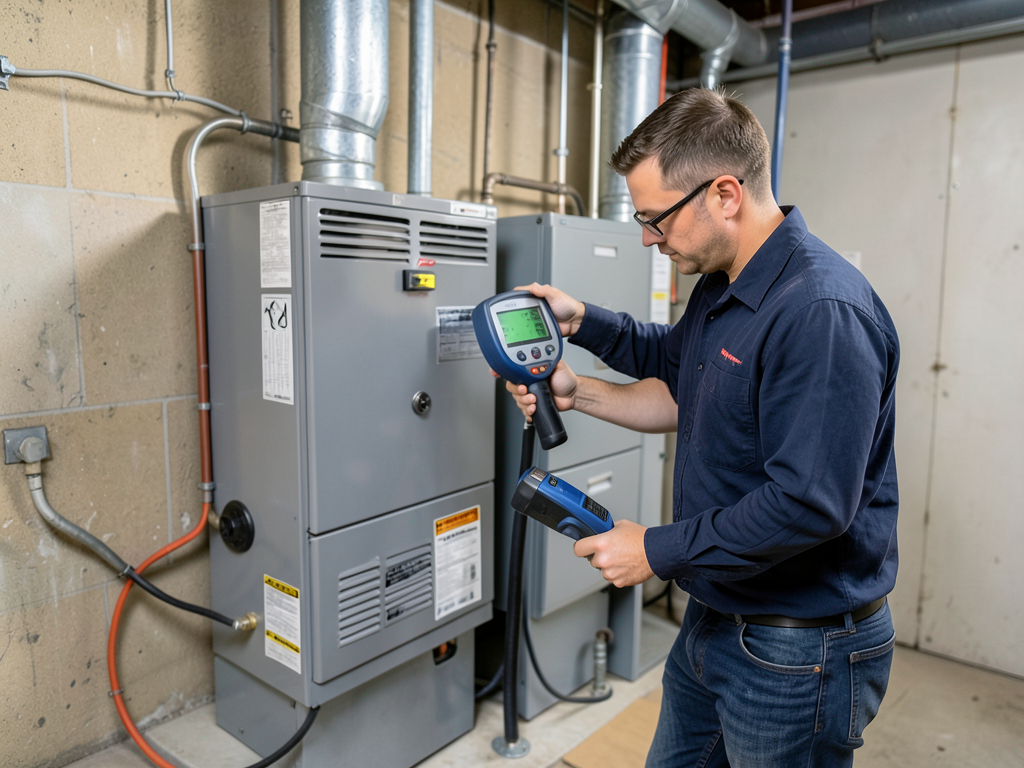
Annual furnace maintenance prevents most CO problems. Technicians check heat exchangers for cracks test combustion efficiency and verify proper venting. They also inspect burners for dirt buildup and ensure flue pipes remain clear.
DC residents should test CO detectors monthly and replace batteries twice yearly. Many set reminders during daylight saving time changes. Detectors chirp when batteries run low so never ignore these warnings.
Washington Gas offers free CO safety checks for customers. Their technicians use combustion analyzers to measure CO levels and inspect venting systems. This service helps identify problems before they become emergencies.
Warning signs your furnace may be producing carbon monoxide
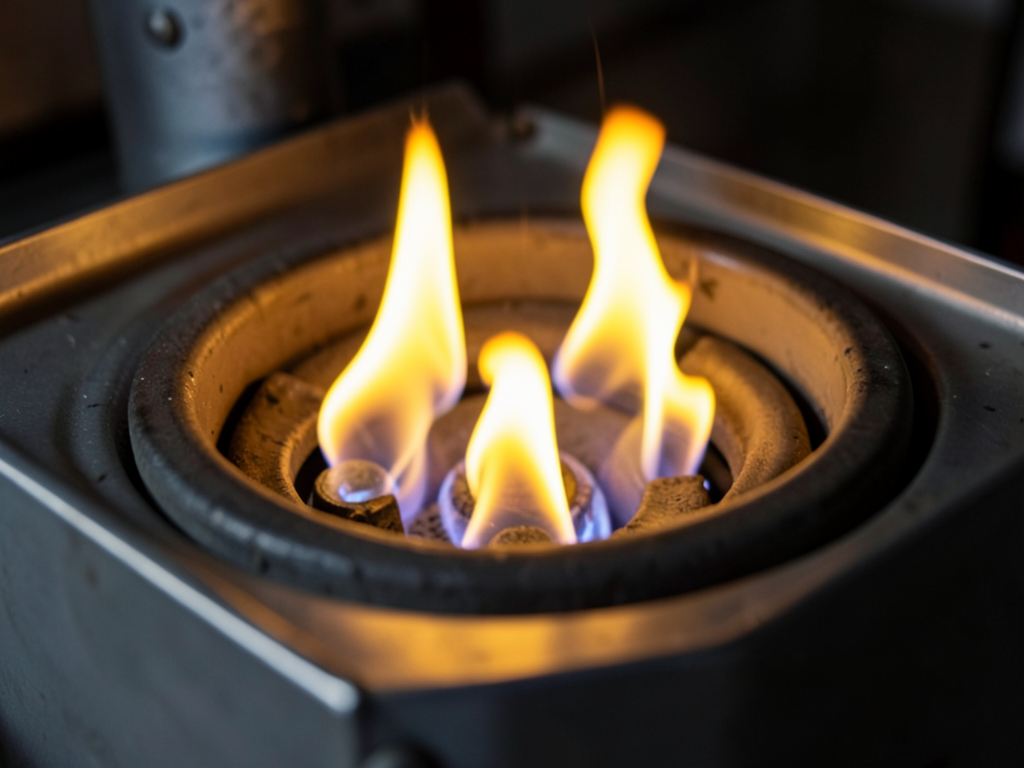
Yellow or flickering burner flames indicate incomplete combustion. Healthy gas burners produce steady blue flames. Soot buildup around the furnace or on walls near vents suggests exhaust problems. Excessive moisture on windows or walls can signal backdrafting where exhaust enters living spaces.
Strange odors from vents often mean something is burning inside the furnace. While CO itself has no smell other combustion byproducts create distinctive odors. A rotten egg smell indicates a natural gas leak which requires immediate evacuation.
Uneven heating throughout the home may mean the furnace cannot burn fuel efficiently. Rooms far from the furnace stay cold while nearby rooms become too warm. This imbalance strains the system and increases CO production risk. The Best Heating and Cooling Solutions for Adams Morgan Condos.
DC-specific challenges for AU Park homes
American University Park features many mid-century homes with original heating systems. These houses often have brick chimneys that settle over time creating gaps in mortar joints. Cold DC winters cause repeated freeze-thaw cycles that worsen these gaps each year.
Many AU Park homes sit on clay soil that expands and contracts with moisture changes. This movement stresses foundation walls and chimney structures. Small cracks in heat exchangers grow larger each heating season under this stress.
Power outages during winter storms affect furnace operation. Electric ignition systems fail without power while gas still flows. This creates dangerous conditions where gas accumulates without proper combustion. Backup generators must be properly vented to avoid creating CO inside attached garages.
DC building inspectors cite Section R315 of the International Residential Code requiring CO alarms in all sleeping areas of homes with fuel-burning appliances. This code applies to all DC rowhouses and single-family homes regardless of age.
When to call a professional HVAC technician
Call immediately if your CO detector sounds or if anyone shows poisoning symptoms. Do not investigate yourself. Evacuate and call 911 then contact a qualified HVAC contractor.
Schedule professional inspection if you notice yellow flames soot buildup or strange odors from vents. These signs indicate combustion problems that require expert diagnosis. Technicians use combustion analyzers to measure CO output and verify safe operation.
Annual maintenance prevents most emergencies. Spring and fall inspections catch problems before heating season demands peak performance. Technicians clean burners check heat exchangers and test safety controls.
DC residents should verify HVAC contractor credentials. Look for NATE certification and proper DC licensing. Qualified technicians understand local building codes and can recommend code-compliant upgrades for older homes.
Carbon monoxide safety checklist for American University Park homeowners
- Install UL 2034 certified CO detectors on every level
- Test detectors monthly and replace batteries twice yearly
- Schedule annual furnace maintenance with a licensed HVAC contractor
- Never use gas ovens or portable generators indoors
- Keep furnace area clear of stored items and debris
- Install and maintain working smoke detectors throughout the home
- Know the symptoms of CO poisoning and emergency procedures
Remember that CO detectors have limited lifespans. Replace units every 5 to 7 years even if they still test functional. Technology improves over time and newer models offer better protection.
Washington Gas recommends keeping emergency numbers posted near phones. Include 911 Washington Gas emergency line and your HVAC contractor contact. Make sure all family members know these numbers.
Frequently Asked Questions
How many CO detectors does my AU Park home need?
DC law requires at least one detector on every level including basements. Install additional units near sleeping areas and within 15 feet of fuel-burning appliances for maximum protection.
What causes carbon monoxide in homes?
CO forms when fuel burns incompletely due to dirty burners cracked heat exchangers blocked vents or insufficient oxygen. Gas furnaces water heaters and fireplaces all produce CO during normal operation when properly vented.
How often should I replace my CO detector?
Replace CO detectors every 5 to 7 years according to manufacturer guidelines. Even if the unit still tests functional the sensors degrade over time and may not detect dangerous CO levels.
Can I test my furnace for CO myself?
Only qualified HVAC technicians should test furnaces for CO using specialized combustion analyzers. These tools measure exact CO levels and verify safe operation. DIY testing is dangerous and unreliable. Finding Reliable Emergency AC Repair in Capitol Hill DC During a Heatwave.
What should I do if my CO detector goes off?
Evacuate immediately and call 911 from outside. Do not investigate the source yourself. CO can incapacitate people within minutes. Wait for emergency responders to clear your home before re-entering.
Call (771) 218-6322 today to schedule your furnace inspection and keep your American University Park family safe this winter. Our NATE-certified technicians understand DC building codes and can identify potential CO hazards before they become emergencies.
{
“@context”: “https://schema.org”,
“@type”: “BlogPosting”,
“headline”: “Why your American University Park home needs a carbon monoxide detector near the furnace”,
“description”: “Protect your AU Park family from carbon monoxide leaks. Learn DC safety codes, furnace warning signs, and when to call Patriot HVAC at (771) 218-6322.”,
“wordCount”: 1336,
“datePublished”: “2026-05-03T11:31:00.000Z”,
“dateModified”: “2026-05-03T11:31:00.000Z”,
“inLanguage”: “en-US”,
“mainEntityOfPage”: {
“@type”: “WebPage”,
“@id”: “https://patriothvacwashingtondc.com”
},
“publisher”: {
“@type”: “LocalBusiness”,
“name”: “Patriot HVAC Washington DC”,
“url”: “https://patriothvacwashingtondc.com”
},
“author”: {
“@type”: “Organization”,
“name”: “Patriot HVAC Washington DC”,
“url”: “https://patriothvacwashingtondc.com”
},
“image”: {
“@type”: “ImageObject”,
“url”: “https://patriothvacwashingtondc.com/wp-content/uploads/2026/03/why-your-american-university-park-home-needs-a-car-1-1.png”
}
}
{
“@context”: “https://schema.org”,
“@type”: “HVACBusiness”,
“name”: “Patriot HVAC Washington DC”,
“url”: “https://patriothvacwashingtondc.com”,
“address”: {
“@type”: “PostalAddress”,
“addressLocality”: “Washington DC”
},
“areaServed”: {
“@type”: “City”,
“name”: “Washington DC”
}
}
{
“@context”: “https://schema.org”,
“@type”: “FAQPage”,
“mainEntity”: [
{
“@type”: “Question”,
“name”: “How many CO detectors does my AU Park home need?”,
“acceptedAnswer”: {
“@type”: “Answer”,
“text”: “DC law requires at least one detector on every level including basements. Install additional units near sleeping areas and within 15 feet of fuel-burning appliances for maximum protection.”
}
},
{
“@type”: “Question”,
“name”: “What causes carbon monoxide in homes?”,
“acceptedAnswer”: {
“@type”: “Answer”,
“text”: “CO forms when fuel burns incompletely due to dirty burners cracked heat exchangers blocked vents or insufficient oxygen. Gas furnaces water heaters and fireplaces all produce CO during normal operation when properly vented.”
}
},
{
“@type”: “Question”,
“name”: “How often should I replace my CO detector?”,
“acceptedAnswer”: {
“@type”: “Answer”,
“text”: “Replace CO detectors every 5 to 7 years according to manufacturer guidelines. Even if the unit still tests functional the sensors degrade over time and may not detect dangerous CO levels.”
}
},
{
“@type”: “Question”,
“name”: “Can I test my furnace for CO myself?”,
“acceptedAnswer”: {
“@type”: “Answer”,
“text”: “Only qualified HVAC technicians should test furnaces for CO using specialized combustion analyzers. These tools measure exact CO levels and verify safe operation. DIY testing is dangerous and unreliable. Finding Reliable Emergency AC Repair in Capitol Hill DC During a Heatwave.”
}
},
{
“@type”: “Question”,
“name”: “What should I do if my CO detector goes off?”,
“acceptedAnswer”: {
“@type”: “Answer”,
“text”: “Evacuate immediately and call 911 from outside. Do not investigate the source yourself. CO can incapacitate people within minutes. Wait for emergency responders to clear your home before re-entering.”
}
}
]
}
{
“@context”: “https://schema.org”,
“@type”: “BreadcrumbList”,
“itemListElement”: [
{
“@type”: “ListItem”,
“position”: 1,
“name”: “Home”,
“item”: “https://patriothvacwashingtondc.com”
},
{
“@type”: “ListItem”,
“position”: 2,
“name”: “Blog”,
“item”: “https://patriothvacwashingtondc.com/blog”
},
{
“@type”: “ListItem”,
“position”: 3,
“name”: “Why your American University Park home needs a carbon monoxide detector near the furnace”
}
]
}
{
“@context”: “https://schema.org”,
“@type”: “Service”,
“serviceType”: “HVAC”,
“provider”: {
“@type”: “LocalBusiness”,
“name”: “Patriot HVAC Washington DC”,
“url”: “https://patriothvacwashingtondc.com”
},
“areaServed”: {
“@type”: “City”,
“name”: “Washington DC”
},
“description”: “Protect your AU Park family from carbon monoxide leaks. Learn DC safety codes, furnace warning signs, and when to call Patriot HVAC at (771) 218-6322.”
}