
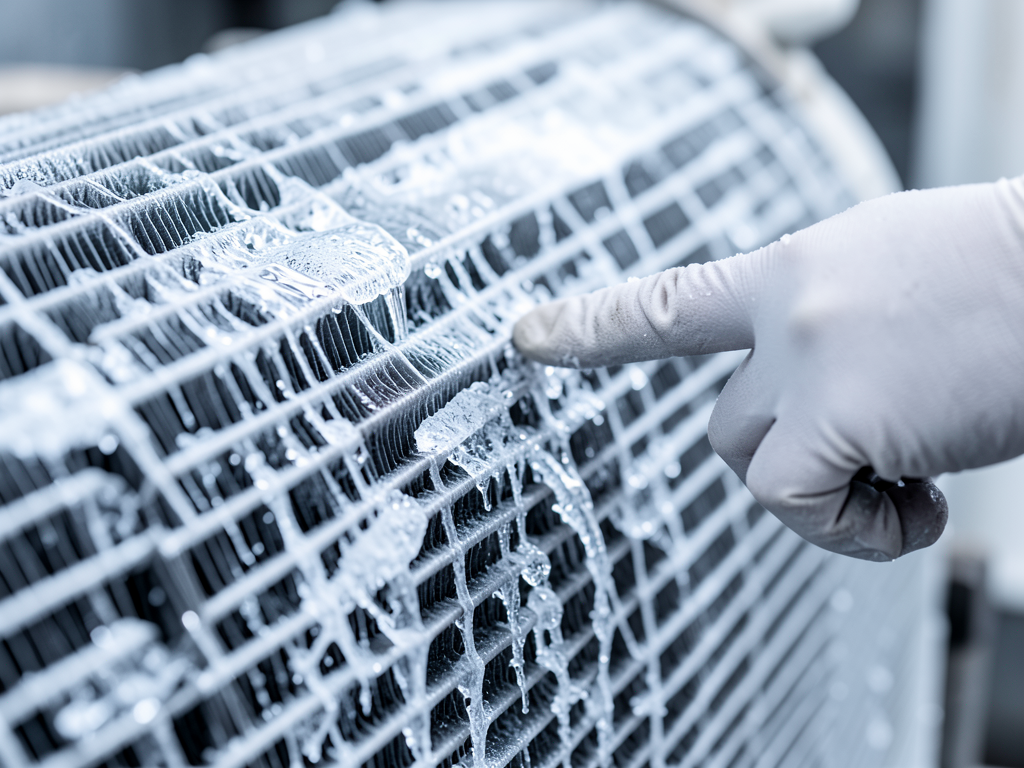
Why your AC is literally covered in ice during a Riggs Park heatwave
Your air conditioner should never look like a freezer. If you see frost or ice on the indoor unit or copper lines in your Riggs Park home during a 90-degree summer day, something is seriously wrong. This is not normal. Ice forms when the evaporator coil gets too cold, and that usually means airflow is blocked or refrigerant is low. Left unchecked, it can destroy your compressor and flood your floor when it melts. Here’s what’s happening and how to fix it before it gets worse.
Immediate action: What to do right now
Turn off the cooling mode immediately. Set your thermostat to “fan only” or completely off. This stops the refrigerant cycle and lets the ice melt safely. Do not try to chip away the ice—you could damage the fragile coil fins. Place towels around the indoor unit to catch water. The thawing process can take 2 to 4 hours depending on how thick the ice is. Once it’s fully melted, check your air filter. If it’s dirty, replace it. Then turn the system back on and watch for ice to return within 30 minutes. If it does, you need a licensed technician. The Best Heating and Cooling Solutions for Adams Morgan Condos.
Common causes of frozen coils in DC homes
Most frozen coils in Riggs Park homes trace back to one of two problems: restricted airflow or low refrigerant. Airflow issues are the most common. A clogged air filter, closed vents, or collapsed ductwork can starve the coil of warm air. Without enough heat transfer, the refrigerant temperature drops below freezing and moisture on the coil turns to ice. Refrigerant leaks are the other major cause. If the system is low on R-410A or R-22, the pressure drops and the coil temperature plummets. Other causes include a failed blower motor, dirty coil, or a stuck expansion valve. In older Riggs Park rowhouses with narrow utility closets, poor duct design often makes airflow problems worse.
How DC humidity impacts your evaporator coil
Washington DC’s humid subtropical climate means dew points often sit in the 70s during summer. That moisture-laden air passes over your cold evaporator coil and condenses. In a healthy system, that water drains away. But if airflow is restricted or refrigerant is low, the coil temperature drops below the dew point and that moisture freezes. The cycle accelerates: more ice builds up, less heat transfers, and the coil gets colder. DC’s high humidity also means the coil runs colder for longer periods, increasing the risk of freeze-ups compared to drier climates. Homes near Rock Creek Park or in low-lying Riggs Park areas with poor drainage can also experience higher indoor humidity, compounding the problem.
DIY vs. professional repair
You can safely check and replace your air filter, open all supply and return vents, and clear any visible debris from around the outdoor unit. These steps take less than 10 minutes and might solve the problem. But if ice returns after these fixes, the issue is mechanical or chemical. Only a licensed HVAC technician can legally check refrigerant pressure, test for leaks with electronic detectors, or clean the evaporator coil without damaging it. Attempting to recharge refrigerant yourself is dangerous and violates EPA regulations under Section 608 of the Clean Air Act. If you hear hissing sounds, smell chemicals, or see oil stains near the coil, call a pro immediately.
Preventing future freezes
Annual maintenance is the best defense. A technician will measure superheat and subcooling, test capacitor performance, and clean the coil with a non-acid foaming cleaner. Replace your air filter every 30 to 60 days during cooling season. Use a filter with a MERV rating between 8 and 11—higher ratings can restrict airflow in older systems. Keep all vents open and unblocked by furniture. If your home has a zoning system, make sure dampers are balanced. In Riggs Park’s older housing stock, consider a duct inspection every few years to catch collapsed flex duct or disconnected runs before they cause freeze-ups.. Read more about Managing the Annual Transition from Steam Heat to Window Units in Your Park View Rental.
Frequently asked questions
How long does it take to defrost a frozen AC coil?
Most frozen coils thaw in 2 to 4 hours once the system is turned off. Thick ice may take longer. Running the fan-only mode can speed the process by circulating warmer air across the coil.
Can I run my AC while the coil is frozen?
No. Running a frozen system risks liquid refrigerant flooding back to the compressor, causing catastrophic failure. Turn it off immediately and let it thaw completely.
What is the average repair cost in Washington DC?
Simple fixes like replacing a filter or cleaning a coil range from $150 to $350. Refrigerant recharge or leak repair can cost $400 to $1,200 depending on the severity and refrigerant type. Compressor replacement may exceed $2,500. Getting Fast AC Repair for Your Navy Yard Apartment or Condo.
Call (771) 218-6322 today to schedule your inspection
Don’t let a frozen coil turn into a flooded floor or a dead compressor. Call (771) 218-6322 to schedule a same-day inspection in Riggs Park or anywhere in DC. Our NATE-certified technicians carry the tools and EPA 608 certification to diagnose and repair the problem correctly the first time. We’ll check refrigerant levels, test airflow, and clean your coil so you can stay cool when the next heatwave hits. Fast Furnace Repair Services for Families in Chevy Chase DC.
Additional resources
For more on refrigerant handling regulations, visit the EPA’s Section 608 page. To understand how DC’s climate affects HVAC performance, see the National Weather Service DC climate data.
{
“@context”: “https://schema.org”,
“@type”: “BlogPosting”,
“headline”: “Why your AC is literally covered in ice during a Riggs Park heatwave”,
“description”: “Ice on your AC during a DC heatwave signals serious problems. Learn why Riggs Park homes freeze up and how to fix it before costly damage occurs.”,
“wordCount”: 941,
“datePublished”: “2026-05-11T12:35:00.000Z”,
“dateModified”: “2026-05-11T12:35:00.000Z”,
“inLanguage”: “en-US”,
“mainEntityOfPage”: {
“@type”: “WebPage”,
“@id”: “https://patriothvacwashingtondc.com”
},
“publisher”: {
“@type”: “LocalBusiness”,
“name”: “Patriot HVAC Washington DC”,
“url”: “https://patriothvacwashingtondc.com”
},
“author”: {
“@type”: “Organization”,
“name”: “Patriot HVAC Washington DC”,
“url”: “https://patriothvacwashingtondc.com”
},
“image”: {
“@type”: “ImageObject”,
“url”: “https://patriothvacwashingtondc.com/wp-content/uploads/2026/03/why-your-ac-is-literally-covered-in-ice-during-a-r-1.png”
}
}
{
“@context”: “https://schema.org”,
“@type”: “HVACBusiness”,
“name”: “Patriot HVAC Washington DC”,
“url”: “https://patriothvacwashingtondc.com”,
“address”: {
“@type”: “PostalAddress”,
“addressLocality”: “Washington DC”
},
“areaServed”: {
“@type”: “City”,
“name”: “Washington DC”
}
}
{
“@context”: “https://schema.org”,
“@type”: “FAQPage”,
“mainEntity”: [
{
“@type”: “Question”,
“name”: “How long does it take to defrost a frozen AC coil?”,
“acceptedAnswer”: {
“@type”: “Answer”,
“text”: “Most frozen coils thaw in 2 to 4 hours once the system is turned off. Thick ice may take longer. Running the fan-only mode can speed the process by circulating warmer air across the coil.”
}
},
{
“@type”: “Question”,
“name”: “Can I run my AC while the coil is frozen?”,
“acceptedAnswer”: {
“@type”: “Answer”,
“text”: “No. Running a frozen system risks liquid refrigerant flooding back to the compressor, causing catastrophic failure. Turn it off immediately and let it thaw completely.”
}
},
{
“@type”: “Question”,
“name”: “What is the average repair cost in Washington DC?”,
“acceptedAnswer”: {
“@type”: “Answer”,
“text”: “Simple fixes like replacing a filter or cleaning a coil range from $150 to $350. Refrigerant recharge or leak repair can cost $400 to $1,200 depending on the severity and refrigerant type. Compressor replacement may exceed $2,500. Getting Fast AC Repair for Your Navy Yard Apartment or Condo.”
}
}
]
}
{
“@context”: “https://schema.org”,
“@type”: “BreadcrumbList”,
“itemListElement”: [
{
“@type”: “ListItem”,
“position”: 1,
“name”: “Home”,
“item”: “https://patriothvacwashingtondc.com”
},
{
“@type”: “ListItem”,
“position”: 2,
“name”: “Blog”,
“item”: “https://patriothvacwashingtondc.com/blog”
},
{
“@type”: “ListItem”,
“position”: 3,
“name”: “Why your AC is literally covered in ice during a Riggs Park heatwave”
}
]
}
{
“@context”: “https://schema.org”,
“@type”: “Service”,
“serviceType”: “HVAC”,
“provider”: {
“@type”: “LocalBusiness”,
“name”: “Patriot HVAC Washington DC”,
“url”: “https://patriothvacwashingtondc.com”
},
“areaServed”: {
“@type”: “City”,
“name”: “Washington DC”
},
“description”: “Ice on your AC during a DC heatwave signals serious problems. Learn why Riggs Park homes freeze up and how to fix it before costly damage occurs.”
}