
Why Every Petworth Row Home Should Consider a Heat Pump Conversion
Petworth row homes built between the 1920s and 1950s were designed for a different climate. With summer humidity often exceeding 80% and winter lows occasionally dropping into the teens, these homes need heating and cooling systems that handle extreme seasonal swings. A heat pump conversion offers Petworth homeowners a single solution that cuts energy costs by up to 30% while qualifying for DCSEU rebates and federal tax credits in 2026.
Traditional gas furnaces and window AC units struggle in DC’s mixed-humid climate. Heat pumps move heat rather than generate it, delivering 2-4 times more energy than they consume. For a typical 1,500-square-foot Petworth row house, this means consistent comfort without the temperature swings that plague older systems.
Why Petworth Homeowners are Switching to Heat Pumps
Petworth’s historic housing stock presents unique HVAC challenges. Many homes have narrow crawl spaces, limited outdoor areas for condenser placement, and aging ductwork that leaks conditioned air. Heat pumps solve these problems through flexible installation options and zoning capabilities.
DC’s Department of Energy and Environment reports that residential buildings account for nearly 40% of the city’s greenhouse gas emissions. Heat pumps reduce emissions by up to 50% compared to gas furnaces, helping Petworth residents meet DC’s climate goals while lowering utility bills. EPA heat pump resources.
Energy Star-certified heat pumps achieve seasonal energy efficiency ratios (SEER2) of 18 or higher and heating seasonal performance factors (HSPF2) of 10 or above. These ratings translate to real savings in Petworth’s climate, where cooling season runs from May through October.
Our Specialized Installation Process for DC Row Houses
Installing heat pumps in Petworth row homes requires expertise with historic building constraints. Our process begins with a Manual J load calculation to determine exact heating and cooling requirements based on your home’s square footage, insulation levels, and window orientation.
We handle DC Department of Buildings permitting for all installations, ensuring compliance with Title 24 energy efficiency standards and Historic Preservation Office guidelines for exterior condenser placement. Most Petworth projects complete in 2-3 days with minimal disruption to your daily routine.
For homes with existing ductwork, we install high-efficiency air source heat pumps that integrate seamlessly with your current system. For ductless options, Mitsubishi Electric and Daikin mini-split systems offer whisper-quiet operation and individual room control perfect for Petworth’s multi-level layouts.
Available DCSEU Rebates and Federal Tax Credits for Petworth Residents
DC Sustainable Energy Utility offers rebates up to $2,000 for high-efficiency heat pump installations in 2026. These rebates apply to both air source and ground source systems meeting minimum SEER2 and HSPF2 requirements.
The federal Inflation Reduction Act provides a 30% tax credit (up to $2,000) for qualifying heat pump installations through 2032. Combined with DCSEU rebates, Petworth homeowners can recover 40-50% of their installation costs within the first year.
Additional incentives include Potomac Electric Power Company (PEPCO) rebates for customers who participate in demand response programs. These programs pay you to allow slight thermostat adjustments during peak demand periods, potentially earning $50-100 annually.
| Incentive Program | Maximum Benefit | Eligibility Requirements |
|---|---|---|
| DCSEU Rebate | $2,000 | SEER2 ≥18, HSPF2 ≥10 |
| Federal Tax Credit | $2,000 | Energy Star certified |
| PEPCO Demand Response | $50-100/year | Smart thermostat required |
Ducted vs. Ductless Mini-Splits: Which is Right for Your NW DC Home?
Ducted heat pumps work best for Petworth homes with existing ductwork in good condition. These systems provide whole-house heating and cooling through your current vents, maintaining the home’s original appearance while delivering modern efficiency.
Ductless mini-splits offer superior zoning control and eliminate energy losses from leaky ducts. Each indoor unit operates independently, allowing you to heat or cool only occupied rooms. This flexibility particularly benefits Petworth’s narrow floor plans where different levels have varying temperature needs.
Installation costs for ductless systems run $4,500-7,000 for a typical Petworth row house, while ducted conversions range from $8,000-12,000. The higher upfront cost for ducted systems often pays off through improved comfort and energy savings in homes with adequate ductwork.
- Home Assessment
Our technicians evaluate your home’s insulation, ductwork condition, and electrical capacity to recommend the optimal system type.
- Load Calculation
We perform Manual J calculations to determine exact heating and cooling requirements for your specific home.
- System Design
Based on assessment results, we design a system that maximizes efficiency while respecting your home’s historic character.
- Permit Acquisition
We handle all DC Department of Buildings permits and coordinate with Historic Preservation Office if needed.
Climate Considerations for Petworth Heat Pump Performance
Petworth experiences approximately 115 days annually above 80°F and 25 days below freezing. Modern cold-climate heat pumps maintain 100% heating capacity down to 5°F, with many models continuing operation at -15°F. This performance exceeds typical DC winter conditions.
Summer humidity in Petworth often reaches 85-90%, challenging conventional AC systems. Heat pumps with variable-speed compressors and advanced dehumidification cycles maintain comfortable indoor humidity levels between 45-55%, preventing mold growth common in older row houses.
Rock Creek Park’s proximity creates localized weather patterns affecting Petworth. Homes near the park experience slightly cooler summer temperatures but may require additional heating capacity due to increased shade and wind exposure during winter months.
Energy Savings and Return on Investment
Petworth homeowners switching from gas furnaces and window AC units typically save $500-800 annually on utility bills. Heat pumps achieve these savings through higher efficiency ratings and the ability to heat and cool with a single system.
The payback period for heat pump installation ranges from 5-7 years when factoring in energy savings and available incentives. After this period, homeowners enjoy reduced utility costs while maintaining superior comfort levels compared to conventional systems.
Energy consumption data from DCSEU shows heat pump installations reduce annual electricity usage by 15-25% compared to traditional electric resistance heating, even accounting for cooling season operation.
| System Type | Annual Energy Cost | Annual CO2 Emissions |
|---|---|---|
| Gas Furnace + Window AC | $1,800-2,200 | 8-10 tons |
| Electric Resistance + Central AC | $2,000-2,500 | 6-8 tons |
| Heat Pump System | $1,200-1,500 | 3-4 tons |
Maintenance and Longevity
Heat pumps require annual maintenance similar to conventional HVAC systems but with some key differences. Filter changes every 1-3 months, coil cleaning, and refrigerant level checks ensure optimal performance throughout Petworth’s extended cooling season. Air Duct Cleaning.
Modern heat pumps typically last 15-20 years with proper maintenance, slightly longer than conventional AC units due to fewer on/off cycles from variable-speed operation. The compressor, being the most critical component, often carries 10-12 year warranties from manufacturers like Carrier and Trane.
DC’s humid climate necessitates regular condensate drain cleaning to prevent algae growth and water damage. Our maintenance plans include quarterly inspections during the first year to identify potential issues before they cause system failures.
Environmental Impact and Sustainability
Heat pumps contribute to DC’s goal of carbon neutrality by 2050. Each installation prevents approximately 3-5 tons of CO2 emissions annually compared to gas heating, equivalent to removing one car from the road for a year.
DC’s electrical grid continues transitioning to renewable sources, with solar and wind projected to supply 50% of electricity by 2030. Heat pumps become increasingly clean over their lifespan as the grid decarbonizes, unlike gas furnaces which maintain constant emissions.
The EPA estimates that widespread heat pump adoption could reduce national building emissions by 38% by 2050, making individual choices in Petworth part of a larger climate solution.
Common Concerns Addressed
Noise levels concern many Petworth homeowners about outdoor units. Modern heat pumps operate at 50-60 decibels, comparable to normal conversation, with many models featuring sound-dampening technology that reduces noise by 30% compared to older units.
Aesthetic concerns about outdoor units are addressed through compact designs and strategic placement options. Condensers can be installed on rear patios, mounted on exterior walls, or placed in landscaped areas to minimize visual impact on historic facades.
Electrical capacity limitations in older Petworth homes are common but manageable. Most heat pump installations require 240-volt circuits, and our technicians assess your electrical panel capacity during the initial consultation to recommend any necessary upgrades.
Financing Options for Petworth Residents
DC Green Bank offers low-interest loans up to $25,000 for energy efficiency improvements, including heat pump installations. These loans feature terms up to 10 years with interest rates below 5%, making heat pump conversion affordable for most Petworth homeowners.
Several local credit unions partner with HVAC contractors to provide promotional financing with deferred interest for 12-18 months. These programs allow you to spread installation costs while benefiting from immediate energy savings.
Property Assessed Clean Energy (PACE) programs, while not yet available in DC, are being considered for future implementation. These programs would allow you to finance improvements through property tax assessments, transferring the loan obligation to new owners if you sell your home.
Getting Started with Your Heat Pump Conversion
The first step is scheduling a comprehensive home energy assessment. Our technicians evaluate your home’s current HVAC system, insulation levels, and energy usage patterns to recommend the most cost-effective heat pump solution for your specific needs.
We provide detailed proposals outlining system specifications, installation timelines, and projected energy savings. Our proposals include all applicable rebates and tax credits, giving you a clear picture of your net investment and expected return.
Most Petworth heat pump installations complete within one week from contract signing to final inspection. We handle all permitting, inspections, and utility coordination, ensuring a smooth transition to your new high-efficiency system.
Frequently Asked Questions
How long does a heat pump installation take in a Petworth row house?
Most installations complete in 2-3 days for ductless systems and 3-4 days for ducted conversions. This includes removal of existing equipment, installation of new components, and final system testing and calibration.
Will a heat pump work during Petworth’s coldest winter days?
Yes. Modern cold-climate heat pumps maintain 100% heating capacity down to 5°F and continue operating at reduced capacity below that temperature. DC’s climate rarely experiences sustained temperatures below 5°F, making heat pumps reliable year-round. Finding Reliable Emergency AC Repair in Capitol Hill DC During a Heatwave.
Do I need to replace my electrical panel for a heat pump?
Most Petworth homes have adequate electrical service for heat pump installation. However, older homes may require panel upgrades to accommodate the additional 240-volt circuit. We assess this during our initial consultation at no charge.
How much can I save on my utility bills?
Homeowners typically save $500-800 annually when switching from gas furnaces and window AC units. Savings vary based on your home’s insulation, thermostat settings, and current system efficiency.
Are heat pumps noisy?
Modern heat pumps operate at 50-60 decibels, similar to normal conversation. Many models include sound-dampening features that reduce noise levels by up to 30% compared to older units.
What maintenance do heat pumps require?
Heat pumps need annual professional maintenance including coil cleaning, refrigerant level checks, and electrical component inspection. Homeowners should change filters every 1-3 months depending on system type and household conditions.
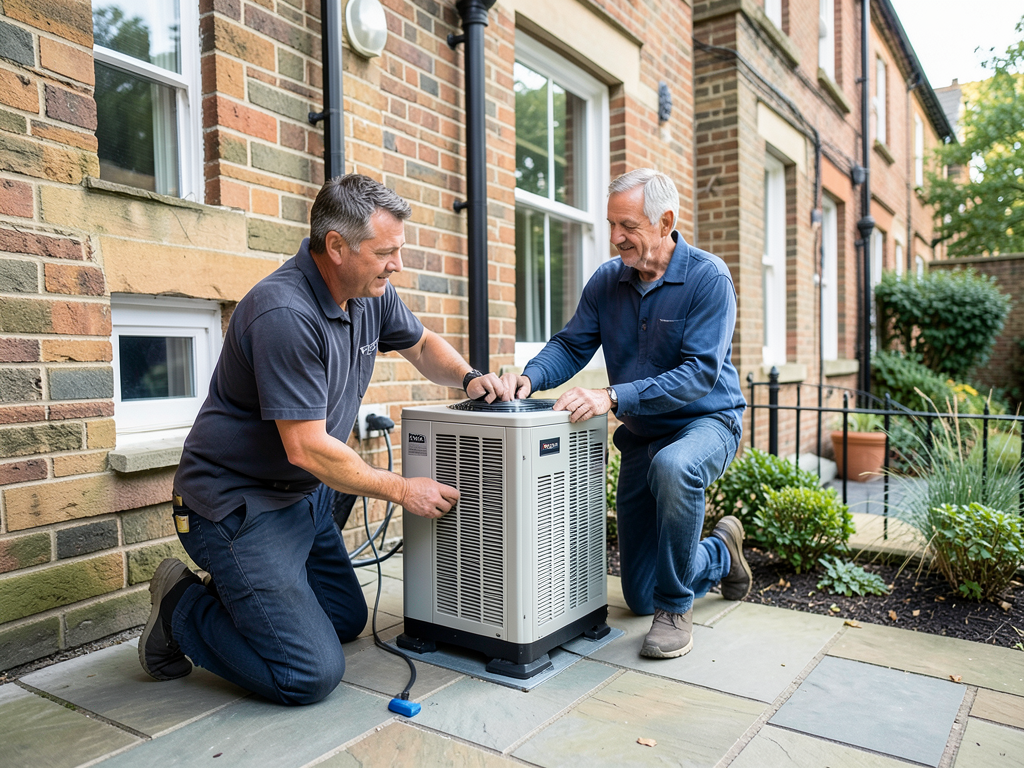
Diagram showing how a heat pump transfers heat between indoor and outdoor coils using refrigerant cycles, with Petworth row house layout for reference.
Photo of a compact heat pump condenser installed on a Petworth row house rear patio, demonstrating minimal visual impact on historic architecture.
Technician performing a Manual J load calculation on a Petworth row house, measuring insulation and window specifications for accurate system sizing.
Ready to upgrade your Petworth home with a heat pump system? Call (771) 218-6322 today to schedule your free consultation and learn about current rebates available for Northwest DC residents.
Don’t wait until your old system fails during the next heat wave or polar vortex. Pick up the phone and call (771) 218-6322 before the next storm hits to ensure your home stays comfortable year-round. For more information, visit Energy.gov heat pump guide.
{
“@context”: “https://schema.org”,
“@type”: “BlogPosting”,
“headline”: “Why Every Petworth Row Home Should Consider a Heat Pump Conversion”,
“description”: “Discover why Petworth row homes are ideal for heat pump conversion. Learn about DCSEU rebates, federal tax credits, and energy savings for Northwest DC homeowners.”,
“wordCount”: 1956,
“datePublished”: “2026-02-21T12:04:00.000Z”,
“dateModified”: “2026-02-21T12:04:00.000Z”,
“inLanguage”: “en-US”,
“mainEntityOfPage”: {
“@type”: “WebPage”,
“@id”: “https://patriothvacwashingtondc.com”
},
“publisher”: {
“@type”: “LocalBusiness”,
“name”: “Patriot HVAC Washington DC”,
“url”: “https://patriothvacwashingtondc.com”
},
“author”: {
“@type”: “Organization”,
“name”: “Patriot HVAC Washington DC”,
“url”: “https://patriothvacwashingtondc.com”
},
“image”: {
“@type”: “ImageObject”,
“url”: “https://patriothvacwashingtondc.com/wp-content/uploads/2026/03/why-every-petworth-row-home-should-consider-a-heat-1-1.png”
}
}
{
“@context”: “https://schema.org”,
“@type”: “HVACBusiness”,
“name”: “Patriot HVAC Washington DC”,
“url”: “https://patriothvacwashingtondc.com”,
“address”: {
“@type”: “PostalAddress”,
“addressLocality”: “Washington DC”
},
“areaServed”: {
“@type”: “City”,
“name”: “Washington DC”
}
}
{
“@context”: “https://schema.org”,
“@type”: “FAQPage”,
“mainEntity”: [
{
“@type”: “Question”,
“name”: “Ducted vs. Ductless Mini-Splits: Which is Right for Your NW DC Home?”,
“acceptedAnswer”: {
“@type”: “Answer”,
“text”: “Ducted heat pumps work best for Petworth homes with existing ductwork in good condition. These systems provide whole-house heating and cooling through your current vents, maintaining the home’s original appearance while delivering modern efficiency.”
}
},
{
“@type”: “Question”,
“name”: “How long does a heat pump installation take in a Petworth row house?”,
“acceptedAnswer”: {
“@type”: “Answer”,
“text”: “Most installations complete in 2-3 days for ductless systems and 3-4 days for ducted conversions. This includes removal of existing equipment, installation of new components, and final system testing and calibration.”
}
},
{
“@type”: “Question”,
“name”: “Will a heat pump work during Petworth’s coldest winter days?”,
“acceptedAnswer”: {
“@type”: “Answer”,
“text”: “Yes. Modern cold-climate heat pumps maintain 100% heating capacity down to 5°F and continue operating at reduced capacity below that temperature. DC’s climate rarely experiences sustained temperatures below 5°F, making heat pumps reliable year-round. Finding Reliable Emergency AC Repair in Capitol Hill DC During a Heatwave.”
}
},
{
“@type”: “Question”,
“name”: “Do I need to replace my electrical panel for a heat pump?”,
“acceptedAnswer”: {
“@type”: “Answer”,
“text”: “Most Petworth homes have adequate electrical service for heat pump installation. However, older homes may require panel upgrades to accommodate the additional 240-volt circuit. We assess this during our initial consultation at no charge.”
}
},
{
“@type”: “Question”,
“name”: “How much can I save on my utility bills?”,
“acceptedAnswer”: {
“@type”: “Answer”,
“text”: “Homeowners typically save $500-800 annually when switching from gas furnaces and window AC units. Savings vary based on your home’s insulation, thermostat settings, and current system efficiency.”
}
},
{
“@type”: “Question”,
“name”: “Are heat pumps noisy?”,
“acceptedAnswer”: {
“@type”: “Answer”,
“text”: “Modern heat pumps operate at 50-60 decibels, similar to normal conversation. Many models include sound-dampening features that reduce noise levels by up to 30% compared to older units.”
}
},
{
“@type”: “Question”,
“name”: “What maintenance do heat pumps require?”,
“acceptedAnswer”: {
“@type”: “Answer”,
“text”: “Heat pumps need annual professional maintenance including coil cleaning, refrigerant level checks, and electrical component inspection. Homeowners should change filters every 1-3 months depending on system type and household conditions.”
}
}
]
}
{
“@context”: “https://schema.org”,
“@type”: “HowTo”,
“name”: “Heat Pump Selection Process”,
“step”: [
{
“@type”: “HowToStep”,
“position”: 1,
“name”: “Home Assessment”,
“text”: “Our technicians evaluate your home’s insulation, ductwork condition, and electrical capacity to recommend the optimal system type.”
},
{
“@type”: “HowToStep”,
“position”: 2,
“name”: “Load Calculation”,
“text”: “We perform Manual J calculations to determine exact heating and cooling requirements for your specific home.”
},
{
“@type”: “HowToStep”,
“position”: 3,
“name”: “System Design”,
“text”: “Based on assessment results, we design a system that maximizes efficiency while respecting your home’s historic character.”
},
{
“@type”: “HowToStep”,
“position”: 4,
“name”: “Permit Acquisition”,
“text”: “We handle all DC Department of Buildings permits and coordinate with Historic Preservation Office if needed.”
}
],
“image”: “https://patriothvacwashingtondc.com/wp-content/uploads/2026/03/why-every-petworth-row-home-should-consider-a-heat-1-1.png”
}
{
“@context”: “https://schema.org”,
“@type”: “BreadcrumbList”,
“itemListElement”: [
{
“@type”: “ListItem”,
“position”: 1,
“name”: “Home”,
“item”: “https://patriothvacwashingtondc.com”
},
{
“@type”: “ListItem”,
“position”: 2,
“name”: “Blog”,
“item”: “https://patriothvacwashingtondc.com/blog”
},
{
“@type”: “ListItem”,
“position”: 3,
“name”: “Why Every Petworth Row Home Should Consider a Heat Pump Conversion”
}
]
}
{
“@context”: “https://schema.org”,
“@type”: “Service”,
“serviceType”: “HVAC”,
“provider”: {
“@type”: “LocalBusiness”,
“name”: “Patriot HVAC Washington DC”,
“url”: “https://patriothvacwashingtondc.com”
},
“areaServed”: {
“@type”: “City”,
“name”: “Washington DC”
},
“description”: “Discover why Petworth row homes are ideal for heat pump conversion. Learn about DCSEU rebates, federal tax credits, and energy savings for Northwest DC homeowners.”
}