
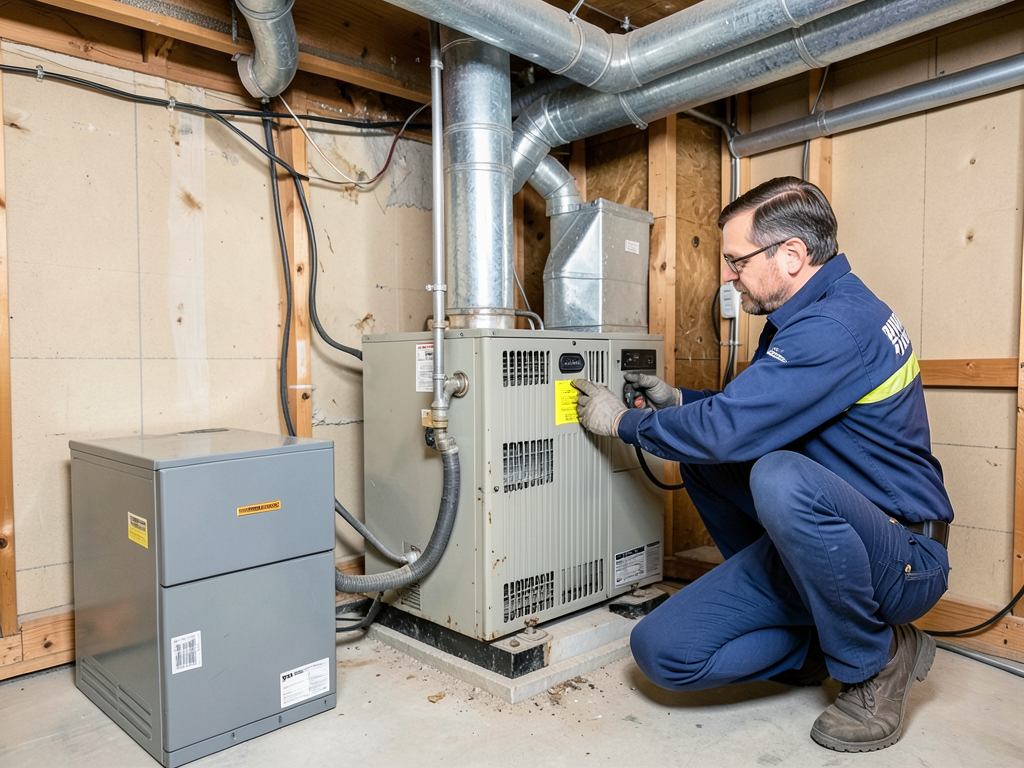
Switching from oil to electric heat in Benning Ridge (What to expect)
Converting from oil to electric heat in Benning Ridge involves removing your old oil tank upgrading your electrical panel and installing a high-efficiency heat pump system. The process typically takes 3-5 days and costs between $12,000-$25,000 after DCSEU rebates and federal tax credits. You will eliminate oil deliveries reduce your carbon footprint by up to 75% and enjoy consistent heating without the smell or mess of oil heat. DC Clean Energy Plan.
Why Benning Ridge homeowners are making the switch
Benning Ridge homes built between the 1940s and 1970s often rely on aging oil furnaces that cost $2,500-$4,000 annually to operate. Rising heating oil prices and the smell of oil fumes in basements drive many homeowners to consider electric alternatives. The neighborhood’s mix of single-family homes and older rowhouses makes it ideal for heat pump conversions especially since many properties already have ductwork from previous central air installations. The Best Heating and Cooling Solutions for Adams Morgan Condos.
Local utility data shows Benning Ridge residents pay 45% more per heating season compared to homes using modern electric heat pumps. The area’s clay soil and high water table also create unique challenges for oil tank removal making professional assessment critical before starting any conversion project.
Financial incentives available in Washington DC
The DC Sustainable Energy Utility offers rebates up to $2,000 for whole-home heat pump conversions while the federal 25C tax credit covers 30% of installation costs up to $2,000 annually. These incentives can reduce your out-of-pocket expenses by $3,000-$4,000 on a typical conversion.. Read more about What the New SEER2 Energy Ratings Mean for Your Benning Heights Utility Bills.
Additional savings come from the Inflation Reduction Act which provides point-of-sale discounts for low-income households switching from oil to electric heat. Benning Ridge residents with household incomes below 80% of the area median can qualify for up to $8,000 in direct rebates through the High-Efficiency Electric Home Rebate Act.
Utility companies also offer time-of-use rates that can save you 15-20% on heating costs by running your heat pump during off-peak hours. These programs require a smart thermostat but pay for themselves within the first year through reduced electricity bills.. Read more about The hidden costs of ignoring a leaky furnace in your Brightwood manor.
The conversion process step by step
- Initial Assessment
A certified HVAC technician evaluates your current system oil tank location electrical capacity and home insulation. This determines whether you need a 100-amp or 200-amp electrical service upgrade.
- Oil Tank Removal
DC Department of Energy and Environment regulations require licensed contractors to remove underground or basement oil tanks. The process includes soil testing for contamination and proper disposal of residual oil. EPA oil tank regulations.
- Electrical Panel Upgrade
Most oil-to-electric conversions require upgrading from 100-amp to 200-amp service to handle the heat pump’s electrical load. This involves coordination with Pepco and obtaining electrical permits from the DC Department of Buildings.
- Heat Pump Installation
Technicians install either a central air-source heat pump or ductless mini-split system based on your home’s configuration. The process includes new refrigerant lines condensate drains and smart thermostat integration.
- Final Inspection and Commissioning
DC building inspectors verify the installation meets mechanical codes. Technicians test system performance calibrate controls and demonstrate operation to homeowners.
Choosing between central and ductless systems
Central heat pumps work best for Benning Ridge homes that already have forced-air ductwork from previous central air conditioning installations. These systems provide whole-home heating and cooling through existing vents and registers making them ideal for larger single-family homes.
Ductless mini-split systems offer flexibility for rowhouses and homes without existing ductwork. Each indoor unit heats and cools specific zones independently allowing you to control temperatures room by room. This approach works well for Benning Ridge’s older housing stock where adding ductwork would be prohibitively expensive.
Heat pump efficiency is measured by SEER2 ratings for cooling and HSPF2 ratings for heating. Current federal standards require minimum SEER2 of 14 and HSPF2 of 7.5 but high-efficiency models achieve SEER2 ratings above 20 and HSPF2 ratings above 10 significantly reducing operating costs.
Cost breakdown and ROI calculations
| Component | Typical Cost Range | Notes |
|---|---|---|
| Heat Pump System | $6,000-$12,000 | Depends on size and efficiency rating |
| Oil Tank Removal | $1,000-$3,000 | Underground tanks cost more to remove |
| Electrical Upgrade | $2,000-$4,000 | 100-amp to 200-amp conversion |
| Permits and Inspections | $500-$1,000 | DC building permits required |
| Total Before Incentives | $9,500-$20,000 | Average conversion cost |
| Net Cost After Rebates | $5,500-$16,000 | Based on available incentives |
Annual operating costs for heat pumps in Benning Ridge average $800-$1,200 compared to $2,500-$4,000 for oil heat. This represents savings of $1,300-$2,800 per year meaning most conversions pay for themselves within 4-6 years through energy savings alone.
Heat pump systems typically last 15-20 years with proper maintenance while oil furnaces in the area average 12-15 years due to the corrosive nature of heating oil. The longer lifespan and lower maintenance requirements of heat pumps add to the long-term financial benefits. Fast Furnace Repair Services for Families in Chevy Chase DC.
DC building codes and permit requirements
The DC Department of Buildings requires mechanical permits for all HVAC system replacements including oil-to-electric conversions. Applications must include Manual J load calculations proving the heat pump is properly sized for your home’s heating and cooling needs.
Oil tank abandonment must follow DC Department of Energy and Environment regulations which require soil testing before and after removal. Any contamination found must be remediated according to EPA standards before final approval is granted.
Electrical upgrades must comply with the 2017 National Electrical Code as adopted by DC including proper grounding overcurrent protection and dedicated circuits for the heat pump compressor and air handler. Pepco must approve all service upgrades before power can be restored.
Performance in Washington DC’s climate
Washington DC experiences humid summers and cold winters making heat pump performance critical for year-round comfort. Modern cold-climate heat pumps operate efficiently down to 5°F maintaining 80% of their rated heating capacity even during polar vortex events.
Benning Ridge’s location near the Anacostia River creates microclimates that can be 3-5 degrees cooler than downtown DC during winter nights. Heat pumps with variable-speed compressors automatically adjust to maintain consistent temperatures without the temperature swings common with single-stage oil furnaces.
During summer heat pumps provide superior dehumidification compared to traditional air conditioning. This is particularly important in Benning Ridge’s older homes where poor insulation and air sealing can lead to high indoor humidity levels and associated mold growth.
Maintenance and long-term considerations
Heat pumps require annual professional maintenance including refrigerant level checks coil cleaning and electrical connection inspections. These services cost $150-$300 annually compared to $300-$500 for oil furnace maintenance which includes nozzle replacement and combustion analysis. Boiler Services.
Filter replacement is the most frequent homeowner task required every 1-3 months depending on usage and indoor air quality. High-efficiency pleated filters improve air quality but may restrict airflow if not changed regularly.
Heat pump systems have fewer moving parts than oil furnaces reducing the likelihood of mechanical failures. The compressor is the most expensive component to replace typically costing $1,500-$2,500 but most systems include 10-year warranties on major components.
Environmental impact and sustainability
Switching from oil to electric heat eliminates on-site fossil fuel combustion removing the source of carbon monoxide nitrogen oxides and particulate matter from your home. This improves indoor air quality and reduces your household’s direct carbon emissions by 75% or more.
Washington DC’s electric grid is becoming increasingly renewable with the Clean Energy DC plan requiring 100% renewable electricity by 2032. This means your heat pump’s carbon footprint will continue to decrease over time without any additional investment on your part.
Heat pumps also eliminate the risk of oil spills and soil contamination that can occur with aging underground tanks. DC’s high water table makes oil contamination particularly problematic as it can spread quickly through groundwater and affect multiple properties.
Common challenges and how to avoid them
Electrical capacity limitations are the most frequent obstacle to oil-to-electric conversions. Many Benning Ridge homes built before 1980 have 100-amp service that cannot support a heat pump system. Planning for an electrical upgrade during the initial assessment prevents delays and unexpected costs.
Oil tank removal can uncover soil contamination that requires remediation. Budget an additional $2,000-$5,000 for potential cleanup costs and work with contractors who have experience handling contaminated soil in urban environments.
Improper sizing is another common issue that leads to comfort problems and higher energy bills. Always insist on Manual J calculations that account for your home’s specific insulation levels window types and air infiltration rates rather than relying on rule-of-thumb estimates.
Frequently Asked Questions
How long does an oil-to-electric conversion take?
The complete conversion process typically requires 3-5 days including oil tank removal electrical upgrades and heat pump installation. Weather and permit approval times can extend the timeline to 2-3 weeks total.
Will I need to replace my ductwork?
Most existing ductwork can accommodate heat pumps without modification. However undersized ducts or those with excessive leaks may need repair or replacement to ensure proper airflow and efficiency. Getting Fast AC Repair for Your Navy Yard Apartment or Condo.
Are heat pumps noisy?
Modern heat pumps operate at 50-70 decibels similar to a refrigerator or normal conversation. Outdoor units are typically installed 10-15 feet from living areas to minimize noise impact.
What happens during power outages?
Heat pumps require electricity to operate so they will not function during outages. Many homeowners install backup generators or keep a small space heater available for emergency heating during extended outages.
Can I keep my oil system as backup?
Yes dual-fuel systems combining heat pumps with oil furnaces are available. The heat pump handles most heating needs while the oil system activates only during extreme cold when heat pump efficiency drops.
How do I know if my electrical panel needs upgrading?
A professional assessment will determine your electrical capacity needs. Homes with 100-amp service or older fuse boxes almost always require upgrades to support heat pump systems.
Making your decision
Oil-to-electric conversion in Benning Ridge represents a significant investment but offers substantial long-term benefits including lower operating costs improved comfort and reduced environmental impact. The combination of available rebates and the area’s aging oil infrastructure makes now an ideal time to consider the switch.
Start by scheduling a professional assessment to evaluate your home’s specific needs and constraints. This evaluation will identify any potential obstacles and provide accurate cost estimates for your particular situation.
Call (771) 218-6322 today to schedule your free oil-to-electric conversion assessment. Our certified technicians will evaluate your current system explain your options and help you take advantage of all available incentives to make your conversion as affordable as possible. For more information, visit Energy.gov heat pump guide.
You may also find this helpful. Comparing the top three heat pump brands for Washington DC winters.
You may also find this helpful. Understanding the Difference Between HVAC Manufacturer Warranties and Local DC Service Labor Guarantees.
{
“@context”: “https://schema.org”,
“@type”: “BlogPosting”,
“headline”: “Switching from oil to electric heat in Benning Ridge (What to expect)”,
“description”: “Convert your Benning Ridge home from oil to electric heat with rebates up to $8,000. Learn costs, timelines, and local incentives for heat pump installation.”,
“wordCount”: 1762,
“datePublished”: “2026-04-06T08:32:00.000Z”,
“dateModified”: “2026-04-06T08:32:00.000Z”,
“inLanguage”: “en-US”,
“mainEntityOfPage”: {
“@type”: “WebPage”,
“@id”: “https://patriothvacwashingtondc.com”
},
“publisher”: {
“@type”: “LocalBusiness”,
“name”: “Patriot HVAC Washington DC”,
“url”: “https://patriothvacwashingtondc.com”
},
“author”: {
“@type”: “Organization”,
“name”: “Patriot HVAC Washington DC”,
“url”: “https://patriothvacwashingtondc.com”
},
“image”: {
“@type”: “ImageObject”,
“url”: “https://patriothvacwashingtondc.com/wp-content/uploads/2026/03/switching-from-oil-to-electric-heat-in-benning-rid-1.png”
}
}
{
“@context”: “https://schema.org”,
“@type”: “HVACBusiness”,
“name”: “Patriot HVAC Washington DC”,
“url”: “https://patriothvacwashingtondc.com”,
“address”: {
“@type”: “PostalAddress”,
“addressLocality”: “Washington DC”
},
“areaServed”: {
“@type”: “City”,
“name”: “Washington DC”
}
}
{
“@context”: “https://schema.org”,
“@type”: “FAQPage”,
“mainEntity”: [
{
“@type”: “Question”,
“name”: “How long does an oil-to-electric conversion take?”,
“acceptedAnswer”: {
“@type”: “Answer”,
“text”: “The complete conversion process typically requires 3-5 days including oil tank removal electrical upgrades and heat pump installation. Weather and permit approval times can extend the timeline to 2-3 weeks total.”
}
},
{
“@type”: “Question”,
“name”: “Will I need to replace my ductwork?”,
“acceptedAnswer”: {
“@type”: “Answer”,
“text”: “Most existing ductwork can accommodate heat pumps without modification. However undersized ducts or those with excessive leaks may need repair or replacement to ensure proper airflow and efficiency. Getting Fast AC Repair for Your Navy Yard Apartment or Condo.”
}
},
{
“@type”: “Question”,
“name”: “Are heat pumps noisy?”,
“acceptedAnswer”: {
“@type”: “Answer”,
“text”: “Modern heat pumps operate at 50-70 decibels similar to a refrigerator or normal conversation. Outdoor units are typically installed 10-15 feet from living areas to minimize noise impact.”
}
},
{
“@type”: “Question”,
“name”: “What happens during power outages?”,
“acceptedAnswer”: {
“@type”: “Answer”,
“text”: “Heat pumps require electricity to operate so they will not function during outages. Many homeowners install backup generators or keep a small space heater available for emergency heating during extended outages.”
}
},
{
“@type”: “Question”,
“name”: “Can I keep my oil system as backup?”,
“acceptedAnswer”: {
“@type”: “Answer”,
“text”: “Yes dual-fuel systems combining heat pumps with oil furnaces are available. The heat pump handles most heating needs while the oil system activates only during extreme cold when heat pump efficiency drops.”
}
},
{
“@type”: “Question”,
“name”: “How do I know if my electrical panel needs upgrading?”,
“acceptedAnswer”: {
“@type”: “Answer”,
“text”: “A professional assessment will determine your electrical capacity needs. Homes with 100-amp service or older fuse boxes almost always require upgrades to support heat pump systems.”
}
}
]
}
{
“@context”: “https://schema.org”,
“@type”: “HowTo”,
“name”: “Oil to Electric Heat Conversion Process”,
“step”: [
{
“@type”: “HowToStep”,
“position”: 1,
“name”: “Initial Assessment”,
“text”: “A certified HVAC technician evaluates your current system oil tank location electrical capacity and home insulation. This determines whether you need a 100-amp or 200-amp electrical service upgrade.”
},
{
“@type”: “HowToStep”,
“position”: 2,
“name”: “Oil Tank Removal”,
“text”: “DC Department of Energy and Environment regulations require licensed contractors to remove underground or basement oil tanks. The process includes soil testing for contamination and proper disposal of residual oil. EPA oil tank regulations.”
},
{
“@type”: “HowToStep”,
“position”: 3,
“name”: “Electrical Panel Upgrade”,
“text”: “Most oil-to-electric conversions require upgrading from 100-amp to 200-amp service to handle the heat pump’s electrical load. This involves coordination with Pepco and obtaining electrical permits from the DC Department of Buildings.”
},
{
“@type”: “HowToStep”,
“position”: 4,
“name”: “Heat Pump Installation”,
“text”: “Technicians install either a central air-source heat pump or ductless mini-split system based on your home’s configuration. The process includes new refrigerant lines condensate drains and smart thermostat integration.”
},
{
“@type”: “HowToStep”,
“position”: 5,
“name”: “Final Inspection and Commissioning”,
“text”: “DC building inspectors verify the installation meets mechanical codes. Technicians test system performance calibrate controls and demonstrate operation to homeowners.”
}
],
“image”: “https://patriothvacwashingtondc.com/wp-content/uploads/2026/03/switching-from-oil-to-electric-heat-in-benning-rid-1.png”
}
{
“@context”: “https://schema.org”,
“@type”: “BreadcrumbList”,
“itemListElement”: [
{
“@type”: “ListItem”,
“position”: 1,
“name”: “Home”,
“item”: “https://patriothvacwashingtondc.com”
},
{
“@type”: “ListItem”,
“position”: 2,
“name”: “Blog”,
“item”: “https://patriothvacwashingtondc.com/blog”
},
{
“@type”: “ListItem”,
“position”: 3,
“name”: “Switching from oil to electric heat in Benning Ridge (What to expect)”
}
]
}
{
“@context”: “https://schema.org”,
“@type”: “Service”,
“serviceType”: “HVAC”,
“provider”: {
“@type”: “LocalBusiness”,
“name”: “Patriot HVAC Washington DC”,
“url”: “https://patriothvacwashingtondc.com”
},
“areaServed”: {
“@type”: “City”,
“name”: “Washington DC”
},
“description”: “Convert your Benning Ridge home from oil to electric heat with rebates up to $8,000. Learn costs, timelines, and local incentives for heat pump installation.”
}