
Road Dust and Traffic Exhaust Are Invading Your Indoor Air
If you live near the New York Avenue corridor in Washington DC you already know traffic never stops. What you might not realize is how much of that road dust and vehicle exhaust seeps into your rowhome every single day. Vehicle emissions contain fine particles and gases that slip through cracks around doors windows and even your HVAC system. These pollutants build up inside creating a health risk for your family. The good news is you can take control of your indoor air quality with the right filtration and ventilation strategies. DC Department of Energy and Environment air quality data.
Understanding the Pollutants That Enter Your Home
Traffic-related air pollution contains several harmful substances. PM2.5 refers to particulate matter smaller than 2.5 microns that can pass through standard residential air filters. Nitrogen dioxide NO2 irritates airways and worsens asthma. Carbon monoxide CO reduces oxygen in the blood. Volatile organic compounds VOCs from fuel and brake dust can cause headaches and long-term health effects. Homes near high-traffic corridors like New York Avenue experience higher concentrations of these pollutants because they enter through infiltration and mechanical ventilation systems.
How Traffic Pollution Penetrates DC Buildings
Buildings exchange air with the outdoors constantly. Infiltration happens through gaps in walls doors and windows. Natural ventilation occurs when you open windows near busy streets. Mechanical ventilation through your HVAC system can either help or hurt depending on your filter quality. Standard 1-inch fiberglass filters capture less than 10% of PM2.5 particles. Without proper filtration your system can actually distribute pollutants throughout your home. Homes near the New York Avenue corridor face constant exposure because of the volume of traffic and the urban canyon effect that traps emissions near street level.
Health Implications for Residents Near Major Corridors
Living near heavy traffic increases exposure to pollutants linked to respiratory problems cardiovascular disease and even cognitive effects. Children elderly individuals and people with existing conditions face higher risks. The DC Department of Energy and Environment tracks air quality and shows elevated PM2.5 levels near major corridors. Homes in areas like Ivy City and Trinidad near New York Avenue often record AQI readings in the moderate to unhealthy range during rush hours. Long-term exposure can lead to chronic inflammation and reduced lung function especially in children whose lungs are still developing. EPA research on particulate matter health effects.
HVAC Solutions: Your Defense Against Traffic Pollution
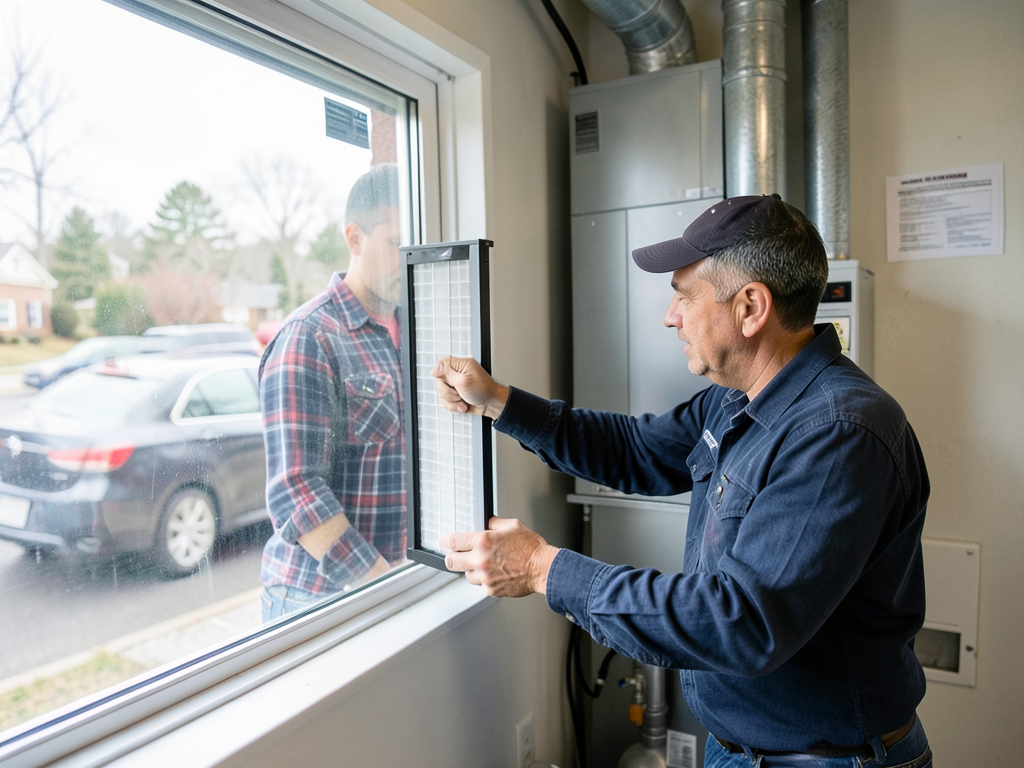
Your HVAC system can be your first line of defense against traffic pollution. MERV 13 filters capture 90% of particles in the 1.0 to 3.0 micron range including most traffic-related PM2.5. HEPA bypass systems add hospital-grade filtration without restricting airflow in older systems. Energy recovery ventilators ERVs bring in fresh air while exhausting stale indoor air and filtering out pollutants. Carbon activated filters absorb gases and odors from vehicle exhaust. Electronic air cleaners use electrostatic attraction to trap particles as small as 0.1 microns. These solutions work together to create a cleaner indoor environment even when outdoor air quality is poor.
Actionable Steps for DC Homeowners
You can start protecting your indoor air today. First check your current air filter. If it is a standard 1-inch fiberglass filter replace it with a MERV 13 pleated filter. Seal gaps around windows doors and electrical outlets to reduce infiltration. Schedule a professional HVAC inspection to ensure your system is operating efficiently and your ducts are clean. Monitor the Air Quality Index through the EPA AirNow app and adjust ventilation when outdoor air is unhealthy. Consider installing an ERV if your home lacks mechanical ventilation. These steps reduce your exposure to traffic pollutants and improve overall indoor air quality.
Comparing Air Filter Options for Traffic Pollution
| Filter Type | Particle Capture Efficiency | Best For | Maintenance |
|---|---|---|---|
| Standard Fiberglass | Less than 10% of PM2.5 | Basic dust control | Monthly replacement |
| MERV 13 Pleated | 90% of 1.0-3.0 micron particles | Traffic pollution and allergens | Every 3 months |
| HEPA Bypass | 99.97% of 0.3 micron particles | Maximum particle removal | Annually with pre-filter changes |
Ventilation Strategies for Urban Rowhomes
- Seal Air Leaks
Inspect and seal gaps around windows doors and utility penetrations using caulk or weatherstripping.
- Upgrade Your Filter
Replace standard filters with MERV 13 pleated filters to capture fine particles from traffic exhaust.
- Install Mechanical Ventilation
Add an ERV or HRV system to control fresh air intake and filter incoming air.
- Maintain Your HVAC System
Schedule annual maintenance to ensure efficient operation and clean ducts.
Local Air Quality Trends Near New York Avenue
Data from the District Department of Energy and Environment shows that PM2.5 levels near New York Avenue frequently exceed the national standard especially during morning and evening rush hours. The corridor runs through neighborhoods like Ivy City Trinidad and Brentwood where rowhomes built in the early 1900s have aging building envelopes that allow more infiltration. Construction along the corridor has added temporary dust sources. These factors combine to create a persistent indoor air quality challenge for residents. Monitoring local AQI and adjusting your home’s ventilation strategy based on real-time data can significantly reduce your exposure. Replacing an Aging Furnace in Your Chevy Chase Home.
Protecting Your Family From Traffic-Related Health Risks
Children breathe more air per pound of body weight than adults making them more vulnerable to air pollution. Long-term exposure to traffic emissions near your home can affect lung development and increase asthma risk. Using high-efficiency air filtration and proper ventilation creates a protective barrier inside your home. Regular HVAC maintenance ensures your system removes pollutants instead of redistributing them. If you notice increased dust musty odors or worsening allergy symptoms your indoor air quality may need attention. These signs indicate your home could benefit from an indoor air quality assessment and system upgrades.
Frequently Asked Questions
How do I know if traffic pollution is affecting my indoor air?
Signs include visible dust accumulation near windows increased allergy symptoms and musty odors. You can also check local AQI data to see if outdoor pollution levels are high near your home.
Can I use a portable air purifier instead of upgrading my HVAC system?
Portable units help in specific rooms but cannot filter air throughout your entire home. Upgrading your HVAC system with MERV 13 filters and possibly adding an ERV provides whole-home protection.
How often should I replace my air filter if I live near a busy road?
Check your filter monthly. In high-traffic areas you may need to replace it every 1 to 2 months instead of the standard 3 months to maintain efficiency.
Will sealing my home make indoor air worse?
Sealing reduces infiltration of outdoor pollutants but you must also ensure proper mechanical ventilation to maintain healthy indoor air quality.
Take Control of Your Indoor Air Quality Today
Living near New York Avenue means dealing with constant traffic pollution but you do not have to let it control your indoor environment. Upgrading your air filtration sealing your home and adding mechanical ventilation can dramatically reduce your exposure to harmful pollutants. These improvements protect your family’s health and create a more comfortable living space. Do not wait until air quality complaints become health problems. Call (771) 218-6322 today to schedule your indoor air quality assessment and take the first step toward cleaner healthier air inside your rowhome.
{
“@context”: “https://schema.org”,
“@type”: “BlogPosting”,
“headline”: “Reducing Road Dust and Traffic Pollution Inside Your Rowhome Near the New York Avenue Corridor”,
“description”: “Combat traffic pollution in your DC rowhome near New York Avenue. Learn how road dust and exhaust infiltrate homes and the HVAC solutions that protect your indoor air.”,
“wordCount”: 1211,
“datePublished”: “2026-05-27T09:21:00.000Z”,
“dateModified”: “2026-05-27T09:21:00.000Z”,
“inLanguage”: “en-US”,
“mainEntityOfPage”: {
“@type”: “WebPage”,
“@id”: “https://patriothvacwashingtondc.com”
},
“publisher”: {
“@type”: “LocalBusiness”,
“name”: “Patriot HVAC Washington DC”,
“url”: “https://patriothvacwashingtondc.com”
},
“author”: {
“@type”: “Organization”,
“name”: “Patriot HVAC Washington DC”,
“url”: “https://patriothvacwashingtondc.com”
},
“image”: {
“@type”: “ImageObject”,
“url”: “https://patriothvacwashingtondc.com/wp-content/uploads/2026/03/reducing-road-dust-and-traffic-pollution-inside-yo-1.png”
}
}
{
“@context”: “https://schema.org”,
“@type”: “HVACBusiness”,
“name”: “Patriot HVAC Washington DC”,
“url”: “https://patriothvacwashingtondc.com”,
“address”: {
“@type”: “PostalAddress”,
“addressLocality”: “Washington DC”
},
“areaServed”: {
“@type”: “City”,
“name”: “Washington DC”
}
}
{
“@context”: “https://schema.org”,
“@type”: “FAQPage”,
“mainEntity”: [
{
“@type”: “Question”,
“name”: “How do I know if traffic pollution is affecting my indoor air?”,
“acceptedAnswer”: {
“@type”: “Answer”,
“text”: “Signs include visible dust accumulation near windows increased allergy symptoms and musty odors. You can also check local AQI data to see if outdoor pollution levels are high near your home.”
}
},
{
“@type”: “Question”,
“name”: “Can I use a portable air purifier instead of upgrading my HVAC system?”,
“acceptedAnswer”: {
“@type”: “Answer”,
“text”: “Portable units help in specific rooms but cannot filter air throughout your entire home. Upgrading your HVAC system with MERV 13 filters and possibly adding an ERV provides whole-home protection.”
}
},
{
“@type”: “Question”,
“name”: “How often should I replace my air filter if I live near a busy road?”,
“acceptedAnswer”: {
“@type”: “Answer”,
“text”: “Check your filter monthly. In high-traffic areas you may need to replace it every 1 to 2 months instead of the standard 3 months to maintain efficiency.”
}
},
{
“@type”: “Question”,
“name”: “Will sealing my home make indoor air worse?”,
“acceptedAnswer”: {
“@type”: “Answer”,
“text”: “Sealing reduces infiltration of outdoor pollutants but you must also ensure proper mechanical ventilation to maintain healthy indoor air quality.”
}
}
]
}
{
“@context”: “https://schema.org”,
“@type”: “HowTo”,
“name”: “Improving Indoor Air Quality”,
“step”: [
{
“@type”: “HowToStep”,
“position”: 1,
“name”: “Seal Air Leaks”,
“text”: “Inspect and seal gaps around windows doors and utility penetrations using caulk or weatherstripping.”
},
{
“@type”: “HowToStep”,
“position”: 2,
“name”: “Upgrade Your Filter”,
“text”: “Replace standard filters with MERV 13 pleated filters to capture fine particles from traffic exhaust.”
},
{
“@type”: “HowToStep”,
“position”: 3,
“name”: “Install Mechanical Ventilation”,
“text”: “Add an ERV or HRV system to control fresh air intake and filter incoming air.”
},
{
“@type”: “HowToStep”,
“position”: 4,
“name”: “Maintain Your HVAC System”,
“text”: “Schedule annual maintenance to ensure efficient operation and clean ducts.”
}
],
“image”: “https://patriothvacwashingtondc.com/wp-content/uploads/2026/03/reducing-road-dust-and-traffic-pollution-inside-yo-1.png”
}
{
“@context”: “https://schema.org”,
“@type”: “BreadcrumbList”,
“itemListElement”: [
{
“@type”: “ListItem”,
“position”: 1,
“name”: “Home”,
“item”: “https://patriothvacwashingtondc.com”
},
{
“@type”: “ListItem”,
“position”: 2,
“name”: “Blog”,
“item”: “https://patriothvacwashingtondc.com/blog”
},
{
“@type”: “ListItem”,
“position”: 3,
“name”: “Reducing Road Dust and Traffic Pollution Inside Your Rowhome Near the New York Avenue Corridor”
}
]
}
{
“@context”: “https://schema.org”,
“@type”: “Service”,
“serviceType”: “HVAC”,
“provider”: {
“@type”: “LocalBusiness”,
“name”: “Patriot HVAC Washington DC”,
“url”: “https://patriothvacwashingtondc.com”
},
“areaServed”: {
“@type”: “City”,
“name”: “Washington DC”
},
“description”: “Combat traffic pollution in your DC rowhome near New York Avenue. Learn how road dust and exhaust infiltrate homes and the HVAC solutions that protect your indoor air.”
}