
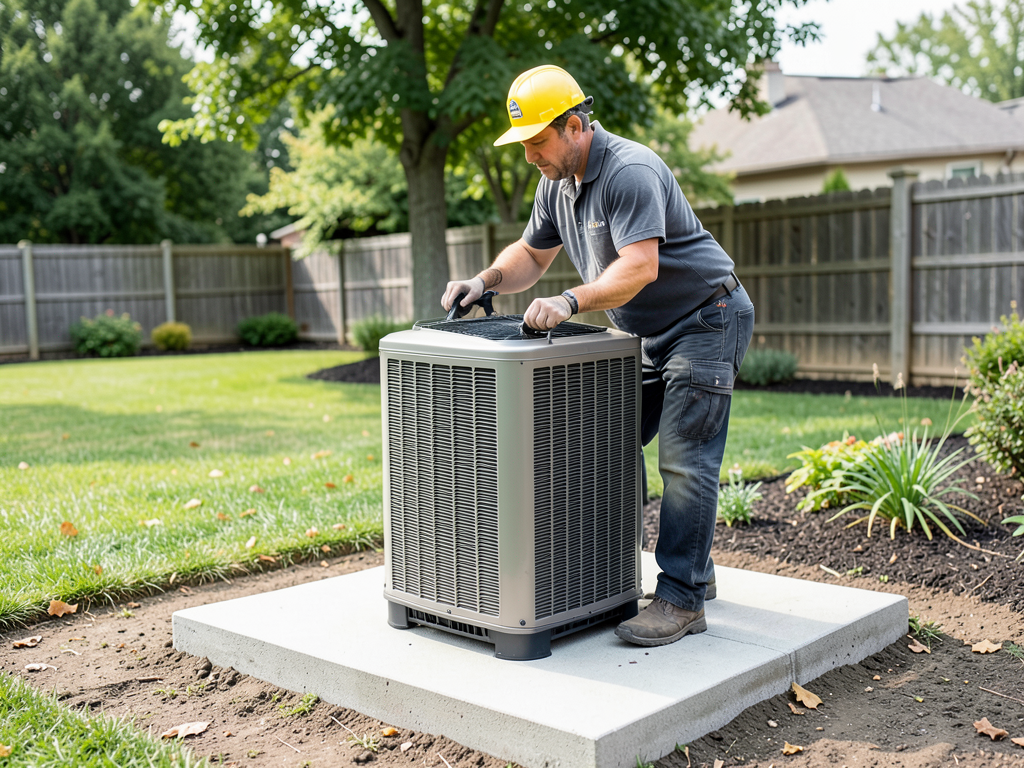
Moving your outdoor AC unit during a backyard redesign in Manor Park
Relocating an AC condenser in Manor Park often costs between $1,200 and $3,800 depending on line set length, refrigerant type, and permit requirements. DC building codes require a mechanical permit from the Department of Buildings and refrigerant recovery by a certified technician. The move keeps your backyard open for new patios or decks without violating zoning setbacks. DC Department of Buildings mechanical permits.
Why Manor Park homeowners move AC units
Manor Park’s narrow lots and mature trees often force AC units into prime backyard space. A condenser near a planned deck or garden blocks flow and creates noise. Moving it clears room for entertaining and improves airflow, which can boost system efficiency by up to 15 percent.. Read more about How 16th Street Heights trees actually help (and hurt) your air conditioner.
Cost factors for AC condenser relocation in DC
Short moves under 10 feet typically cost $1,200 to $1,800. These require minimal line set extension and basic electrical work. Long moves over 10 feet range from $2,500 to $3,800 because they need extended copper piping, additional brazing, and possible refrigerant recharge. Short Cycling.
Cost breakdown by move distance
| Move Distance | Estimated Cost Range | Key Tasks |
|---|---|---|
| Under 10 ft | $1,200 – $1,800 | Disconnect, short line set, basic electrical |
| 10 – 25 ft | $2,000 – $2,800 | Extended copper, brazing, vacuuming |
| Over 25 ft | $2,500 – $3,800 | Full line set, refrigerant recharge, new pad |
DC permit and code requirements
The DC Department of Buildings requires a mechanical permit for any condenser relocation. Permit fees range from $75 to $200 depending on scope. Setback rules in Manor Park often require the unit to be at least five feet from property lines and 10 feet from bedroom windows to meet the DC Noise Control Act. EPA Section 608 certification.
Common permit steps
- Submit mechanical permit application with unit specs
- Schedule inspection after installation
- Pay final permit fee upon approval
Technical process for moving an AC unit
Moving an AC condenser requires EPA Section 608 certified technicians to recover refrigerant before disconnecting lines. Copper line sets must be brazed with silver solder and vacuumed to remove moisture. Finally, the system is recharged with the correct refrigerant type, either R-410A or the newer R-32.. Read more about The hidden benefits of moving your HVAC system to the attic in Hawthorne.
- Refrigerant recovery
Certified tech pumps down or recovers refrigerant into a recovery cylinder to prevent atmospheric release.
- Disconnect and move
Electrical disconnect is removed, lines are cut, and the unit is lifted to the new location.
- Install new line set
Copper tubing is measured, cut, and brazed to connect the indoor and outdoor coils.. Read more about Creative ways to hide your outdoor AC unit in a Colonial Village backyard.
- Vacuum and recharge
A deep vacuum removes moisture; the system is recharged to manufacturer specs.
Choosing the new location
Place the condenser on a level concrete pad or wall-mounted bracket. Avoid spots under windows where noise disturbs indoor spaces. Keep at least 24 inches of clearance on all sides for airflow. In Manor Park’s older homes, check for buried utilities before digging.
Pad vs. wall mount
| Mount Type | Pros | Cons |
|---|---|---|
| Concrete pad | Stable, easy to level | Takes ground space |
| Wall bracket | Saves yard space, elevates unit | Requires structural support |
Hidden costs to budget for
Refrigerant recovery and recharge fees range from $150 to $400 depending on system size. Electrical upgrades may be needed if the new location is far from the panel. Landscape repair after moving the unit can add $200 to $500 if sod or pavers must be replaced. Getting Fast AC Repair for Your Navy Yard Apartment or Condo.
Impact on system efficiency
Longer line sets increase refrigerant charge and can reduce SEER efficiency by up to 5 percent if not sized correctly. A properly sized line set with correct brazing and vacuuming maintains near-original efficiency. Always match the indoor coil capacity to the outdoor unit.
Manor Park climate and placement tips
DC’s humid summers mean condensers need good airflow to reject heat. Avoid placing units in direct afternoon sun if possible. In Manor Park’s older homes, check for adequate drainage to prevent water pooling around the pad, which can cause rust and electrical issues.
Frequently Asked Questions
Can I move my AC unit myself?
No. Refrigerant handling requires EPA certification, and electrical work must meet DC code. DIY moves risk fines, system damage, and safety hazards.
How long does a typical move take?
Most relocations take 4 to 8 hours for a short move. Long moves or those requiring permits may take 1 to 2 days.
Does moving the unit void my warranty?
Not if done by a certified HVAC technician. Improper handling can void coverage, so always hire a licensed professional.
What if my home is in a historic district?
Check with the DC Historic Preservation Office. Some exterior changes require additional review even if the unit is not visible from the street.
How much space should I leave around the new unit?
Maintain at least 24 inches of clearance on all sides and 60 inches above the unit for proper airflow and service access.
Ready to reclaim your backyard space?
Call (771) 218-6322 today to schedule a free site assessment in Manor Park. Our EPA-certified technicians handle permits, refrigerant recovery, and precise line set installation so you can enjoy your redesigned outdoor space without HVAC headaches.
Don’t let an old condenser location limit your backyard dreams. Pick up the phone and call (771) 218-6322 before the next heat wave hits.
You may also find this helpful. Meeting Friendship Heights Noise Rules with the Quietest New AC Units on the Market.
{
“@context”: “https://schema.org”,
“@type”: “BlogPosting”,
“headline”: “Moving your outdoor AC unit during a backyard redesign in Manor Park”,
“description”: “Learn the cost, permits, and process for relocating your AC condenser in Manor Park. Get expert DC-specific guidance on refrigerant handling, line sets, and zoning rules.”,
“wordCount”: 888,
“datePublished”: “2026-04-29T09:33:00.000Z”,
“dateModified”: “2026-04-29T09:33:00.000Z”,
“inLanguage”: “en-US”,
“mainEntityOfPage”: {
“@type”: “WebPage”,
“@id”: “https://patriothvacwashingtondc.com”
},
“publisher”: {
“@type”: “LocalBusiness”,
“name”: “Patriot HVAC Washington DC”,
“url”: “https://patriothvacwashingtondc.com”
},
“author”: {
“@type”: “Organization”,
“name”: “Patriot HVAC Washington DC”,
“url”: “https://patriothvacwashingtondc.com”
},
“image”: {
“@type”: “ImageObject”,
“url”: “https://patriothvacwashingtondc.com/wp-content/uploads/2026/03/moving-your-outdoor-ac-unit-during-a-backyard-rede-1.png”
}
}
{
“@context”: “https://schema.org”,
“@type”: “HVACBusiness”,
“name”: “Patriot HVAC Washington DC”,
“url”: “https://patriothvacwashingtondc.com”,
“address”: {
“@type”: “PostalAddress”,
“addressLocality”: “Washington DC”
},
“areaServed”: {
“@type”: “City”,
“name”: “Washington DC”
}
}
{
“@context”: “https://schema.org”,
“@type”: “FAQPage”,
“mainEntity”: [
{
“@type”: “Question”,
“name”: “Can I move my AC unit myself?”,
“acceptedAnswer”: {
“@type”: “Answer”,
“text”: “No. Refrigerant handling requires EPA certification, and electrical work must meet DC code. DIY moves risk fines, system damage, and safety hazards.”
}
},
{
“@type”: “Question”,
“name”: “How long does a typical move take?”,
“acceptedAnswer”: {
“@type”: “Answer”,
“text”: “Most relocations take 4 to 8 hours for a short move. Long moves or those requiring permits may take 1 to 2 days.”
}
},
{
“@type”: “Question”,
“name”: “Does moving the unit void my warranty?”,
“acceptedAnswer”: {
“@type”: “Answer”,
“text”: “Not if done by a certified HVAC technician. Improper handling can void coverage, so always hire a licensed professional.”
}
},
{
“@type”: “Question”,
“name”: “What if my home is in a historic district?”,
“acceptedAnswer”: {
“@type”: “Answer”,
“text”: “Check with the DC Historic Preservation Office. Some exterior changes require additional review even if the unit is not visible from the street.”
}
},
{
“@type”: “Question”,
“name”: “How much space should I leave around the new unit?”,
“acceptedAnswer”: {
“@type”: “Answer”,
“text”: “Maintain at least 24 inches of clearance on all sides and 60 inches above the unit for proper airflow and service access.”
}
},
{
“@type”: “Question”,
“name”: “Ready to reclaim your backyard space?”,
“acceptedAnswer”: {
“@type”: “Answer”,
“text”: “Call (771) 218-6322 today to schedule a free site assessment in Manor Park. Our EPA-certified technicians handle permits, refrigerant recovery, and precise line set installation so you can enjoy your redesigned outdoor space without HVAC headaches.”
}
}
]
}
{
“@context”: “https://schema.org”,
“@type”: “HowTo”,
“name”: “Steps to Relocate an AC Condenser”,
“step”: [
{
“@type”: “HowToStep”,
“position”: 1,
“name”: “Refrigerant recovery”,
“text”: “Certified tech pumps down or recovers refrigerant into a recovery cylinder to prevent atmospheric release.”
},
{
“@type”: “HowToStep”,
“position”: 2,
“name”: “Disconnect and move”,
“text”: “Electrical disconnect is removed, lines are cut, and the unit is lifted to the new location.”
},
{
“@type”: “HowToStep”,
“position”: 3,
“name”: “Install new line set”,
“text”: “Copper tubing is measured, cut, and brazed to connect the indoor and outdoor coils.”
},
{
“@type”: “HowToStep”,
“position”: 4,
“name”: “Vacuum and recharge”,
“text”: “A deep vacuum removes moisture; the system is recharged to manufacturer specs.”
}
],
“image”: “https://patriothvacwashingtondc.com/wp-content/uploads/2026/03/moving-your-outdoor-ac-unit-during-a-backyard-rede-1.png”
}
{
“@context”: “https://schema.org”,
“@type”: “BreadcrumbList”,
“itemListElement”: [
{
“@type”: “ListItem”,
“position”: 1,
“name”: “Home”,
“item”: “https://patriothvacwashingtondc.com”
},
{
“@type”: “ListItem”,
“position”: 2,
“name”: “Blog”,
“item”: “https://patriothvacwashingtondc.com/blog”
},
{
“@type”: “ListItem”,
“position”: 3,
“name”: “Moving your outdoor AC unit during a backyard redesign in Manor Park”
}
]
}
{
“@context”: “https://schema.org”,
“@type”: “Service”,
“serviceType”: “HVAC”,
“provider”: {
“@type”: “LocalBusiness”,
“name”: “Patriot HVAC Washington DC”,
“url”: “https://patriothvacwashingtondc.com”
},
“areaServed”: {
“@type”: “City”,
“name”: “Washington DC”
},
“description”: “Learn the cost, permits, and process for relocating your AC condenser in Manor Park. Get expert DC-specific guidance on refrigerant handling, line sets, and zoning rules.”
}