
Is Your Heat Pump Smoking? (Why the Defrost Cycle Is Normal for Benning Ridge Homeowners)
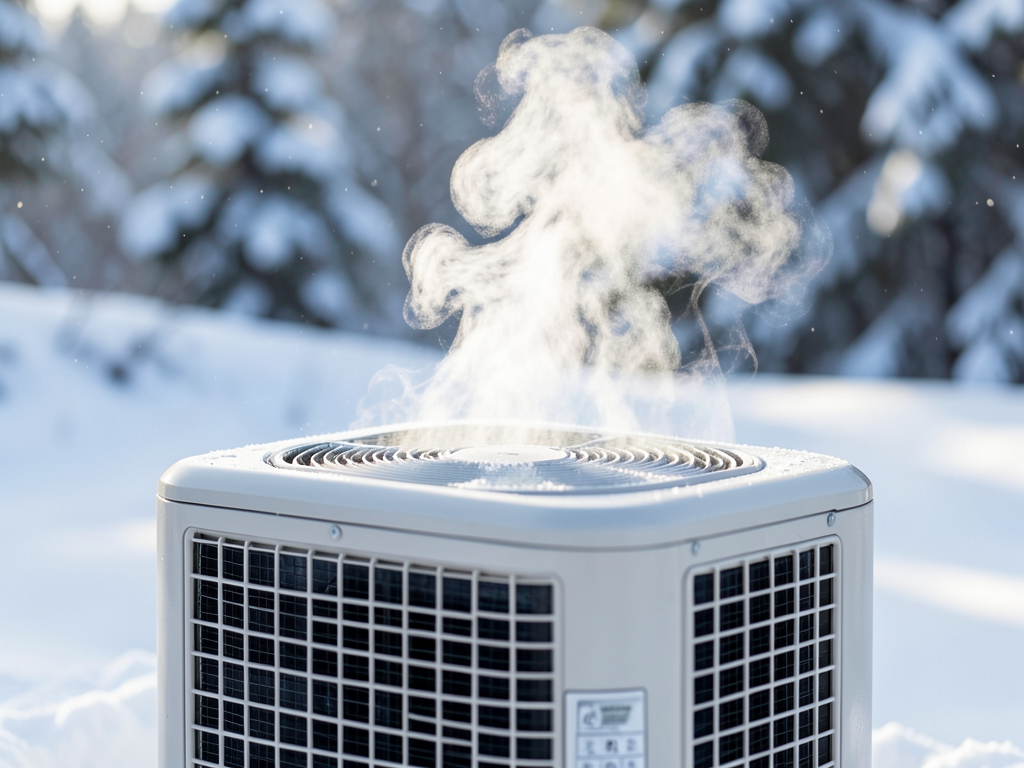
Seeing steam rising from your heat pump during a cold snap can be alarming. That white vapor often looks exactly like smoke, and many Benning Ridge homeowners panic thinking their system is on fire. Here’s the good news: what you’re seeing is almost certainly just the normal defrost cycle in action.
Heat pumps pull heat from outdoor air to warm your home. In Benning Ridge’s humid climate, frost builds up on the outdoor coil whenever temperatures drop below freezing. The system automatically switches to defrost mode, melting that frost into water vapor that looks like steam. This process is completely normal and usually lasts 3-10 minutes.
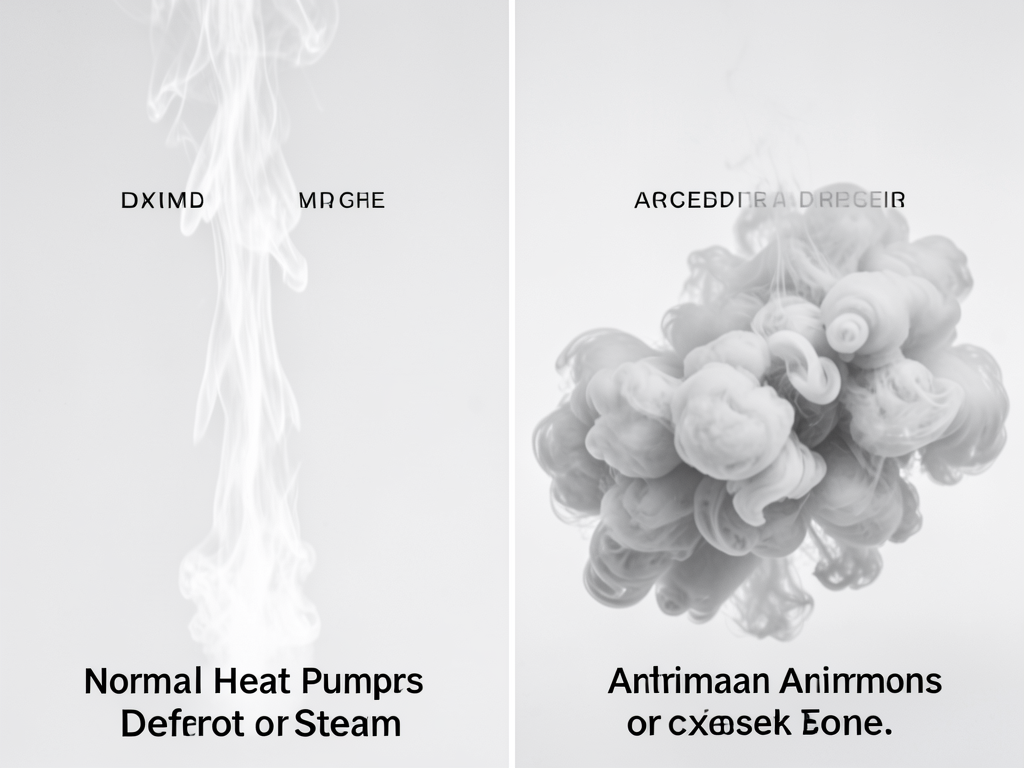
The key difference between harmless steam and dangerous smoke is the smell. Steam is odorless, while electrical smoke carries a sharp, acrid odor. If you notice any burning smell or see actual smoke, that’s when you need to shut down the system immediately and call (771) 218-6322 for emergency service.
How the Defrost Cycle Works in Your Heat Pump
During normal heating, your heat pump’s outdoor unit acts as an evaporator, absorbing heat from outside air. But when frost accumulates on the coil, it restricts airflow and reduces efficiency. The system’s defrost control board detects this condition and activates the reversing valve. The Best Heating and Cooling Solutions for Adams Morgan Condos.
The reversing valve redirects hot refrigerant from the compressor through the outdoor coil, melting frost into water. This water then evaporates into visible steam. Meanwhile, the indoor unit temporarily switches to cooling mode, but your auxiliary heat strips kick in to maintain indoor comfort during this brief cycle.
In Benning Ridge’s climate, where winter humidity often exceeds 70%, heat pumps may defrost every 30-90 minutes during cold spells. This is more frequent than in drier regions like Denver or Phoenix, where frost buildup occurs less often.
Normal Defrost Cycle vs. Mechanical Failure
| Symptom | Normal Defrost | Mechanical Failure |
|---|---|---|
| Duration | 2-10 minutes | Continuous or very long |
| Steam Volume | Wispy, dissipates quickly | Thick, persistent clouds |
| Fan Operation | Stops during defrost | Fan runs continuously |
| Indoor Comfort | Minimal temperature drop | Significant cooling |
| Sound | Whooshing from reversing valve | Gurgling, hissing, or grinding |
Why DC Humidity Impacts Your Defrost Frequency
Washington DC sits in a humid subtropical climate zone where winter air often holds more moisture than you’d expect. When temperatures hover around freezing, that moisture condenses on your heat pump’s outdoor coil and freezes. Benning Ridge’s proximity to the Anacostia River and its tree-lined streets create microclimates where frost can be even more problematic.
The dew point in DC winters frequently stays above 25°F, meaning moisture remains in the air even when temperatures drop below freezing. This creates perfect conditions for rapid frost accumulation. Your heat pump may need to defrost every 30-45 minutes during particularly damp cold spells, compared to every 60-90 minutes in drier suburban areas.
During the January 2024 polar vortex event, Patriot HVAC technicians responded to over 40 calls from Benning Ridge residents who mistook normal defrost steam for smoke. All but two were false alarms where the system was functioning perfectly.
Troubleshooting: What to Check Before Calling a Pro
Before you panic and call for emergency service, run through this quick diagnostic checklist. Many apparent problems are actually normal system operation.
- Check the Steam Characteristics
Normal steam is wispy and disappears within 30 seconds of defrost ending. It rises straight up from the top of the unit. If steam is billowing out the sides or lasts longer than 10 minutes, that’s abnormal.
- Sniff for Odors
Place your hand near the unit (without touching it) and wave it toward your face. Steam has no odor. Electrical smoke smells sharp and acrid, like burning plastic or wires. If you detect any burning smell, shut off the breaker immediately.
- Observe Indoor Operation
During normal defrost, your thermostat’s “Aux” or “Emergency Heat” light should illuminate. This indicates your backup heat strips are maintaining temperature while the outdoor unit defrosts. If this light stays on for more than 15 minutes after defrost ends, call for service.
- Check Airflow Clearance
Ensure at least 24 inches of clearance around your outdoor unit. Blocked airflow from piled leaves, snow, or debris can cause the system to overheat and produce actual smoke. Benning Ridge’s mature trees often drop leaves that accumulate around units.
- Listen for Unusual Sounds
Normal defrost produces a whooshing sound as the reversing valve activates. Gurgling, hissing, or grinding noises indicate refrigerant or mechanical problems requiring immediate attention.
Common Defrost Cycle Questions from Benning Ridge Homeowners
Understanding your heat pump’s behavior can save you from unnecessary service calls and give you peace of mind during winter months.
How long should the defrost cycle last?
Normal defrost cycles run 2-10 minutes depending on how much frost accumulated. If your system runs longer than 15 minutes, the defrost control board may be malfunctioning.
How often should my heat pump defrost?
Frequency depends on outdoor temperature and humidity. In Benning Ridge’s climate, expect defrost cycles every 30-90 minutes during freezing temperatures with high humidity. Less frequent defrosting occurs when it’s very cold and dry.
Why does the fan stop during defrost?
The outdoor fan stops to allow the hot refrigerant to raise the coil temperature quickly. Running the fan would blow away the heat needed to melt frost efficiently.
Should I see water under my heat pump?
Yes, it’s normal to see water dripping from the unit during and after defrost as ice melts. This water should drain away from the unit’s base. Pooling water that freezes can damage the unit’s foundation.
Does defrost mode increase my energy bill?
Defrost cycles use additional energy, but they’re essential for maintaining efficiency. A heat pump with a frosted coil can use 30-50% more energy than one operating normally. The brief energy spike during defrost saves money compared to running an inefficient system.
When to Call Patriot HVAC for Heat Pump Service
While most steam sightings are normal, certain conditions warrant professional attention. If you notice any of these symptoms, don’t wait for a complete system failure.
Call (771) 218-6322 immediately if you see actual smoke, detect burning odors, hear grinding or squealing noises, notice ice buildup that doesn’t melt during defrost, or experience inadequate heating even when the system runs continuously. These indicate problems that could lead to costly repairs if ignored. EPA heat pump efficiency standards.
Patriot HVAC serves Benning Ridge and all of Washington DC with 24/7 emergency service. Our NATE-certified technicians understand the specific challenges heat pumps face in DC’s climate, from humidity-related frost buildup to the impact of urban heat islands on system performance.
Don’t let a normal defrost cycle cause unnecessary worry. But when you do need professional help, Patriot HVAC provides honest diagnostics and transparent pricing. We’ll tell you if your system is working normally or if it needs repair, never pushing unnecessary replacements. Getting Fast AC Repair for Your Navy Yard Apartment or Condo.
For heat pump concerns in Benning Ridge, call (771) 218-6322 today. Whether you’re seeing steam and want reassurance or experiencing actual system problems, we’re here to help you stay comfortable all winter long.
Frequently Asked Questions
Is it normal for my heat pump to produce steam?
Yes, steam during the defrost cycle is completely normal. It occurs when the system melts frost off the outdoor coil, turning ice into water vapor. This typically happens every 30-90 minutes in cold, humid conditions.
How can I tell if it’s steam or smoke?
Steam is odorless and dissipates quickly, while smoke carries a sharp, acrid smell and may linger. Steam rises straight up from the unit, while smoke might billow out the sides. If you detect any burning smell, shut off the system immediately.
Why does my heat pump defrost more often than my neighbor’s?
Defrost frequency depends on temperature, humidity, and airflow around your unit. Benning Ridge’s humid climate and mature tree cover can cause more frequent frost buildup than in drier or more open areas.
Should I turn off my heat pump during the defrost cycle?
No, never turn off your heat pump during defrost. The system is designed to maintain indoor comfort using auxiliary heat strips during this brief cycle. Turning it off could leave your home without heat.
How much does a heat pump defrost cycle increase my energy bill?
Each defrost cycle uses minimal extra energy, typically adding only a few cents to your bill. The energy used for defrosting is far less than what an inefficient, frosted system would consume over time.
What should I do if I see ice buildup that doesn’t melt?
If you notice ice accumulation that persists beyond the normal defrost cycle or forms in unusual patterns, call (771) 218-6322 for service. This could indicate a malfunctioning defrost control board, low refrigerant, or other issues requiring professional attention. For more information, visit U.S. Department of Energy heat pump guide.
{
“@context”: “https://schema.org”,
“@type”: “BlogPosting”,
“headline”: “Is Your Heat Pump Smoking? (Why the Defrost Cycle Is Normal for Benning Ridge Homeowners)”,
“description”: “Seeing steam from your heat pump? Learn why the defrost cycle creates harmless vapor in Benning Ridge’s humid climate and how to tell normal steam from actual smoke.”,
“wordCount”: 1492,
“datePublished”: “2026-06-08T07:18:00.000Z”,
“dateModified”: “2026-06-08T07:18:00.000Z”,
“inLanguage”: “en-US”,
“mainEntityOfPage”: {
“@type”: “WebPage”,
“@id”: “https://patriothvacwashingtondc.com”
},
“publisher”: {
“@type”: “LocalBusiness”,
“name”: “Patriot HVAC Washington DC”,
“url”: “https://patriothvacwashingtondc.com”
},
“author”: {
“@type”: “Organization”,
“name”: “Patriot HVAC Washington DC”,
“url”: “https://patriothvacwashingtondc.com”
},
“image”: {
“@type”: “ImageObject”,
“url”: “https://patriothvacwashingtondc.com/wp-content/uploads/2026/03/is-your-heat-pump-smoking-why-the-defrost-cycle-is-1.png”
}
}
{
“@context”: “https://schema.org”,
“@type”: “HVACBusiness”,
“name”: “Patriot HVAC Washington DC”,
“url”: “https://patriothvacwashingtondc.com”,
“address”: {
“@type”: “PostalAddress”,
“addressLocality”: “Washington DC”
},
“areaServed”: {
“@type”: “City”,
“name”: “Washington DC”
}
}
{
“@context”: “https://schema.org”,
“@type”: “FAQPage”,
“mainEntity”: [
{
“@type”: “Question”,
“name”: “How long should the defrost cycle last?”,
“acceptedAnswer”: {
“@type”: “Answer”,
“text”: “Normal defrost cycles run 2-10 minutes depending on how much frost accumulated. If your system runs longer than 15 minutes, the defrost control board may be malfunctioning.”
}
},
{
“@type”: “Question”,
“name”: “How often should my heat pump defrost?”,
“acceptedAnswer”: {
“@type”: “Answer”,
“text”: “Frequency depends on outdoor temperature and humidity. In Benning Ridge’s climate, expect defrost cycles every 30-90 minutes during freezing temperatures with high humidity. Less frequent defrosting occurs when it’s very cold and dry.”
}
},
{
“@type”: “Question”,
“name”: “Why does the fan stop during defrost?”,
“acceptedAnswer”: {
“@type”: “Answer”,
“text”: “The outdoor fan stops to allow the hot refrigerant to raise the coil temperature quickly. Running the fan would blow away the heat needed to melt frost efficiently.”
}
},
{
“@type”: “Question”,
“name”: “Should I see water under my heat pump?”,
“acceptedAnswer”: {
“@type”: “Answer”,
“text”: “Yes, it’s normal to see water dripping from the unit during and after defrost as ice melts. This water should drain away from the unit’s base. Pooling water that freezes can damage the unit’s foundation.”
}
},
{
“@type”: “Question”,
“name”: “Does defrost mode increase my energy bill?”,
“acceptedAnswer”: {
“@type”: “Answer”,
“text”: “Defrost cycles use additional energy, but they’re essential for maintaining efficiency. A heat pump with a frosted coil can use 30-50% more energy than one operating normally. The brief energy spike during defrost saves money compared to running an inefficient system.”
}
},
{
“@type”: “Question”,
“name”: “Is it normal for my heat pump to produce steam?”,
“acceptedAnswer”: {
“@type”: “Answer”,
“text”: “Yes, steam during the defrost cycle is completely normal. It occurs when the system melts frost off the outdoor coil, turning ice into water vapor. This typically happens every 30-90 minutes in cold, humid conditions.”
}
},
{
“@type”: “Question”,
“name”: “How can I tell if it’s steam or smoke?”,
“acceptedAnswer”: {
“@type”: “Answer”,
“text”: “Steam is odorless and dissipates quickly, while smoke carries a sharp, acrid smell and may linger. Steam rises straight up from the unit, while smoke might billow out the sides. If you detect any burning smell, shut off the system immediately.”
}
},
{
“@type”: “Question”,
“name”: “Why does my heat pump defrost more often than my neighbor’s?”,
“acceptedAnswer”: {
“@type”: “Answer”,
“text”: “Defrost frequency depends on temperature, humidity, and airflow around your unit. Benning Ridge’s humid climate and mature tree cover can cause more frequent frost buildup than in drier or more open areas.”
}
},
{
“@type”: “Question”,
“name”: “Should I turn off my heat pump during the defrost cycle?”,
“acceptedAnswer”: {
“@type”: “Answer”,
“text”: “No, never turn off your heat pump during defrost. The system is designed to maintain indoor comfort using auxiliary heat strips during this brief cycle. Turning it off could leave your home without heat.”
}
},
{
“@type”: “Question”,
“name”: “How much does a heat pump defrost cycle increase my energy bill?”,
“acceptedAnswer”: {
“@type”: “Answer”,
“text”: “Each defrost cycle uses minimal extra energy, typically adding only a few cents to your bill. The energy used for defrosting is far less than what an inefficient, frosted system would consume over time.”
}
},
{
“@type”: “Question”,
“name”: “What should I do if I see ice buildup that doesn’t melt?”,
“acceptedAnswer”: {
“@type”: “Answer”,
“text”: “If you notice ice accumulation that persists beyond the normal defrost cycle or forms in unusual patterns, call (771) 218-6322 for service. This could indicate a malfunctioning defrost control board, low refrigerant, or other issues requiring professional attention. For more information, visit U.S. Department of Energy heat pump guide.”
}
}
]
}
{
“@context”: “https://schema.org”,
“@type”: “HowTo”,
“name”: “Heat Pump Defrost Troubleshooting”,
“step”: [
{
“@type”: “HowToStep”,
“position”: 1,
“name”: “Check the Steam Characteristics”,
“text”: “Normal steam is wispy and disappears within 30 seconds of defrost ending. It rises straight up from the top of the unit. If steam is billowing out the sides or lasts longer than 10 minutes, that’s abnormal.”
},
{
“@type”: “HowToStep”,
“position”: 2,
“name”: “Sniff for Odors”,
“text”: “Place your hand near the unit (without touching it) and wave it toward your face. Steam has no odor. Electrical smoke smells sharp and acrid, like burning plastic or wires. If you detect any burning smell, shut off the breaker immediately.”
},
{
“@type”: “HowToStep”,
“position”: 3,
“name”: “Observe Indoor Operation”,
“text”: “During normal defrost, your thermostat’s \”Aux\” or \”Emergency Heat\” light should illuminate. This indicates your backup heat strips are maintaining temperature while the outdoor unit defrosts. If this light stays on for more than 15 minutes after defrost ends, call for service.”
},
{
“@type”: “HowToStep”,
“position”: 4,
“name”: “Check Airflow Clearance”,
“text”: “Ensure at least 24 inches of clearance around your outdoor unit. Blocked airflow from piled leaves, snow, or debris can cause the system to overheat and produce actual smoke. Benning Ridge’s mature trees often drop leaves that accumulate around units.”
},
{
“@type”: “HowToStep”,
“position”: 5,
“name”: “Listen for Unusual Sounds”,
“text”: “Normal defrost produces a whooshing sound as the reversing valve activates. Gurgling, hissing, or grinding noises indicate refrigerant or mechanical problems requiring immediate attention.”
}
],
“image”: “https://patriothvacwashingtondc.com/wp-content/uploads/2026/03/is-your-heat-pump-smoking-why-the-defrost-cycle-is-1.png”
}
{
“@context”: “https://schema.org”,
“@type”: “BreadcrumbList”,
“itemListElement”: [
{
“@type”: “ListItem”,
“position”: 1,
“name”: “Home”,
“item”: “https://patriothvacwashingtondc.com”
},
{
“@type”: “ListItem”,
“position”: 2,
“name”: “Blog”,
“item”: “https://patriothvacwashingtondc.com/blog”
},
{
“@type”: “ListItem”,
“position”: 3,
“name”: “Is Your Heat Pump Smoking? (Why the Defrost Cycle Is Normal for Benning Ridge Homeowners)”
}
]
}
{
“@context”: “https://schema.org”,
“@type”: “Service”,
“serviceType”: “HVAC”,
“provider”: {
“@type”: “LocalBusiness”,
“name”: “Patriot HVAC Washington DC”,
“url”: “https://patriothvacwashingtondc.com”
},
“areaServed”: {
“@type”: “City”,
“name”: “Washington DC”
},
“description”: “Seeing steam from your heat pump? Learn why the defrost cycle creates harmless vapor in Benning Ridge’s humid climate and how to tell normal steam from actual smoke.”
}