
How to stop sewer smells from traveling through your Stanton Park HVAC vents
Sewer smells coming through your HVAC vents are more than just unpleasant—they can signal dangerous methane gas buildup or plumbing failures. In Stanton Park’s historic Capitol Hill rowhomes, the combination of aging sewer lines, tight basement layouts, and older HVAC systems creates the perfect storm for these odors to enter your living space. This guide will help you identify the source, understand the risks, and know when to call a professional. Replacing an Aging Furnace in Your Chevy Chase Home.
Is the smell coming from your HVAC or your plumbing?
Before you call for help, you need to pinpoint the source. Sewer gas contains hydrogen sulfide and methane—both toxic and potentially explosive in high concentrations. Here’s how to tell if your HVAC system is pulling in sewer odors:
- Timing matters: Does the smell appear when your AC or furnace runs? If yes, your HVAC system is likely drawing air from somewhere it shouldn’t.
- Location clues: Are the odors strongest near floor drains, basement bathrooms, or utility areas? That points to plumbing issues.
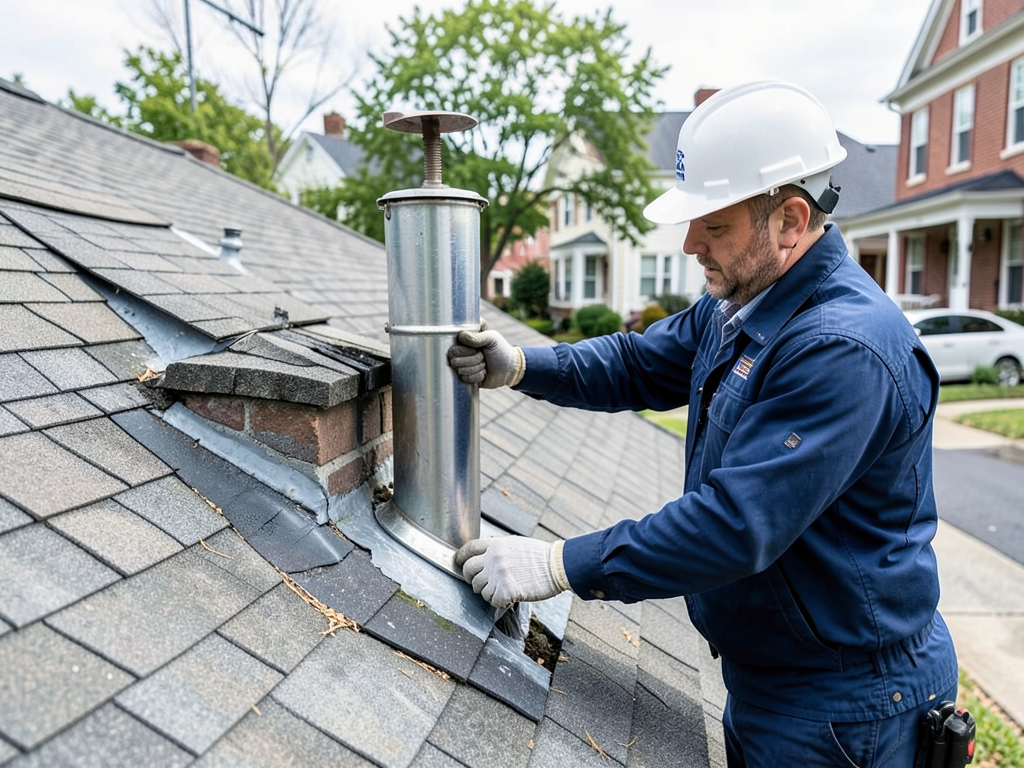
- Visual inspection: Check your vent stack on the roof. If it’s blocked by leaves, bird nests, or debris, sewer gases can back up into your home.
5 common reasons your vents smell like sewage
Understanding the cause helps you fix it faster. Here are the most frequent culprits in Stanton Park homes:
- Dried-out P-traps: Guest bathrooms, basement floor drains, or utility sinks that aren’t used regularly can dry out. The water barrier that normally blocks sewer gases evaporates, allowing odors to rise.
- Blocked vent stacks: DC’s mature trees drop leaves that accumulate in vent pipes. Combined with bird nests or snow buildup, this creates pressure imbalances that force sewer gases back through drains.
- Sewer line backups: Stanton Park’s aging clay sewer laterals (the pipes connecting your home to the main sewer) crack and collapse over time. Heavy rain can overwhelm DC Water’s combined sewer system, causing backups.
- Damaged plumbing vent seals: If your fresh air intake is too close to a plumbing vent, or if vent seals are cracked, your HVAC system can pull sewer odors directly into the ductwork.
- Full or damaged septic/sewer main: While most Stanton Park homes connect to DC Water’s system, some older properties may have compromised connections that allow soil gases to enter.
The dangers of inhaling sewer gas
Sewer gas isn’t just smelly—it’s hazardous. Hydrogen sulfide at high concentrations can cause dizziness, nausea, and even unconsciousness. Methane is flammable and can create explosive conditions in enclosed spaces. The CDC warns that prolonged exposure to sewer gas can cause respiratory irritation and other health problems. CDC hydrogen sulfide safety information.
In Stanton Park’s older homes with basements that double as living spaces, these risks are amplified. Many rowhouses have converted basements where families spend significant time. If sewer gases are entering through HVAC vents in these areas, exposure levels can become dangerous quickly.
DC-specific factors: aging pipes and historic homes
Stanton Park’s historic character comes with unique challenges. Most homes were built before 1930 using cast iron or clay sewer pipes that deteriorate over decades. The DC Water and Sewer Authority maintains the main lines, but homeowners are responsible for the lateral lines running from their property to the street. DC Water sewer and drainage services.
DC’s combined sewer system (CSS) means stormwater and sewage flow through the same pipes. During heavy rain events—which are becoming more frequent with climate change—the system can back up, pushing gases and even sewage back into homes through floor drains and plumbing fixtures.
Additionally, many Stanton Park homes have converted basements with added bathrooms or laundry rooms. These renovations sometimes bypass proper plumbing venting requirements, creating hidden pathways for sewer gases to enter HVAC systems.
When to call a professional in Washington DC
If you’ve checked for dry traps and cleared visible debris but still smell sewer odors, it’s time for professional help. Here’s when to act immediately:
- You smell gas continuously, especially when HVAC runs: This indicates a serious plumbing or HVAC issue that needs immediate attention.
- You hear gurgling sounds from drains: This suggests blocked vent stacks or sewer line problems.
- You notice water backing up in sinks or tubs: This indicates a sewer line blockage that could worsen quickly.
- You experience headaches or dizziness when the smell is present: This could indicate dangerous gas levels.
DC-licensed plumbers and HVAC technicians use specialized equipment to diagnose these issues. Smoke testing can reveal cracked pipes or vent problems. Methane detectors can confirm dangerous gas levels. Camera inspections of sewer laterals can identify collapse points or root intrusions.
For Stanton Park residents, choosing a contractor familiar with historic Capitol Hill homes is crucial. These properties require knowledge of older construction methods and DC’s specific building codes. The District’s Historic Preservation Office has guidelines that affect how repairs can be made, especially for visible exterior components like vent stacks. Getting Fast AC Repair for Your Navy Yard Apartment or Condo.
Don’t wait until the problem worsens. Sewer gas issues rarely resolve themselves and often indicate larger infrastructure problems that can lead to costly water damage or health hazards. Call (771) 218-6322 today to schedule your inspection.
Preventing future sewer odors in your Stanton Park home
Once you’ve resolved the immediate issue, prevention is key. Here are steps to keep your home smelling fresh:
- Run water in unused drains monthly: This keeps P-traps filled and functional.
- Install drain covers with water seals: These provide an extra barrier against gas infiltration.
- Schedule annual HVAC inspections: Technicians can check for duct leaks or intake positioning issues.
- Consider sewer line camera inspection: For homes over 50 years old, this can identify problems before they cause backups.
- Upgrade to modern PVC plumbing: If you’re renovating, replacing old clay or cast iron pipes prevents future failures.
Stanton Park’s proximity to the Capitol and its historic significance means many homes are protected under preservation guidelines. When making upgrades, work with contractors who understand these requirements and can suggest solutions that maintain your home’s character while improving safety and efficiency.
The humid DC climate also plays a role. High humidity can amplify odors and create conditions where bacteria thrive in HVAC systems. Regular duct cleaning and proper humidity control help prevent odor issues from developing in the first place.
Frequently Asked Questions
Why does my house smell like sewer when it rains?
Heavy rain can overwhelm DC’s combined sewer system, causing backups that push gases through floor drains and plumbing vents. This is especially common in older neighborhoods like Stanton Park.
Can sewer gas make you sick?
Yes. Hydrogen sulfide and methane in sewer gas can cause headaches, dizziness, nausea, and respiratory irritation. In high concentrations, they pose serious health risks.
How much does it cost to fix sewer gas smells?
Costs vary widely depending on the cause. Simple fixes like refilling P-traps might cost under $100, while sewer line repairs can range from $1,500 to $5,000 or more. Fast Furnace Repair Services for Families in Chevy Chase DC.
Should I turn off my HVAC if I smell sewer gas?
Yes, if the smell is strong. Turn off your system and open windows to ventilate. Then call a professional to diagnose the source before using your HVAC again.
How can I tell if the smell is from my HVAC or plumbing?
If the odor appears only when your HVAC runs, it’s likely pulling air from a contaminated source. If it’s constant or worse near drains, the issue is probably plumbing-related.
Sewer smells in your Stanton Park home demand immediate attention. Whether it’s a simple dry trap or a more serious sewer line issue, prompt diagnosis prevents health risks and costly damage. Don’t let these odors linger—call (771) 218-6322 for professional help today.
{
“@context”: “https://schema.org”,
“@type”: “BlogPosting”,
“headline”: “How to stop sewer smells from traveling through your Stanton Park HVAC vents”,
“description”: “Foul sewer odors coming through your vents? Learn the causes, health risks, and how to fix sewer smells in Stanton Park’s historic DC homes. Call (771) 218-6322 for help.”,
“wordCount”: 1321,
“datePublished”: “2026-06-01T07:37:00.000Z”,
“dateModified”: “2026-06-01T07:37:00.000Z”,
“inLanguage”: “en-US”,
“mainEntityOfPage”: {
“@type”: “WebPage”,
“@id”: “https://patriothvacwashingtondc.com”
},
“publisher”: {
“@type”: “LocalBusiness”,
“name”: “Patriot HVAC Washington DC”,
“url”: “https://patriothvacwashingtondc.com”
},
“author”: {
“@type”: “Organization”,
“name”: “Patriot HVAC Washington DC”,
“url”: “https://patriothvacwashingtondc.com”
},
“image”: {
“@type”: “ImageObject”,
“url”: “https://patriothvacwashingtondc.com/wp-content/uploads/2026/03/how-to-stop-sewer-smells-from-traveling-through-yo-1.png”
}
}
{
“@context”: “https://schema.org”,
“@type”: “HVACBusiness”,
“name”: “Patriot HVAC Washington DC”,
“url”: “https://patriothvacwashingtondc.com”,
“address”: {
“@type”: “PostalAddress”,
“addressLocality”: “Washington DC”
},
“areaServed”: {
“@type”: “City”,
“name”: “Washington DC”
}
}
{
“@context”: “https://schema.org”,
“@type”: “FAQPage”,
“mainEntity”: [
{
“@type”: “Question”,
“name”: “Is the smell coming from your HVAC or your plumbing?”,
“acceptedAnswer”: {
“@type”: “Answer”,
“text”: “Before you call for help, you need to pinpoint the source. Sewer gas contains hydrogen sulfide and methane—both toxic and potentially explosive in high concentrations. Here’s how to tell if your HVAC system is pulling in sewer odors:”
}
},
{
“@type”: “Question”,
“name”: “Why does my house smell like sewer when it rains?”,
“acceptedAnswer”: {
“@type”: “Answer”,
“text”: “Heavy rain can overwhelm DC’s combined sewer system, causing backups that push gases through floor drains and plumbing vents. This is especially common in older neighborhoods like Stanton Park.”
}
},
{
“@type”: “Question”,
“name”: “Can sewer gas make you sick?”,
“acceptedAnswer”: {
“@type”: “Answer”,
“text”: “Yes. Hydrogen sulfide and methane in sewer gas can cause headaches, dizziness, nausea, and respiratory irritation. In high concentrations, they pose serious health risks.”
}
},
{
“@type”: “Question”,
“name”: “How much does it cost to fix sewer gas smells?”,
“acceptedAnswer”: {
“@type”: “Answer”,
“text”: “Costs vary widely depending on the cause. Simple fixes like refilling P-traps might cost under $100, while sewer line repairs can range from $1,500 to $5,000 or more. Fast Furnace Repair Services for Families in Chevy Chase DC.”
}
},
{
“@type”: “Question”,
“name”: “Should I turn off my HVAC if I smell sewer gas?”,
“acceptedAnswer”: {
“@type”: “Answer”,
“text”: “Yes, if the smell is strong. Turn off your system and open windows to ventilate. Then call a professional to diagnose the source before using your HVAC again.”
}
},
{
“@type”: “Question”,
“name”: “How can I tell if the smell is from my HVAC or plumbing?”,
“acceptedAnswer”: {
“@type”: “Answer”,
“text”: “If the odor appears only when your HVAC runs, it’s likely pulling air from a contaminated source. If it’s constant or worse near drains, the issue is probably plumbing-related.”
}
}
]
}
{
“@context”: “https://schema.org”,
“@type”: “BreadcrumbList”,
“itemListElement”: [
{
“@type”: “ListItem”,
“position”: 1,
“name”: “Home”,
“item”: “https://patriothvacwashingtondc.com”
},
{
“@type”: “ListItem”,
“position”: 2,
“name”: “Blog”,
“item”: “https://patriothvacwashingtondc.com/blog”
},
{
“@type”: “ListItem”,
“position”: 3,
“name”: “How to stop sewer smells from traveling through your Stanton Park HVAC vents”
}
]
}
{
“@context”: “https://schema.org”,
“@type”: “Service”,
“serviceType”: “HVAC”,
“provider”: {
“@type”: “LocalBusiness”,
“name”: “Patriot HVAC Washington DC”,
“url”: “https://patriothvacwashingtondc.com”
},
“areaServed”: {
“@type”: “City”,
“name”: “Washington DC”
},
“description”: “Foul sewer odors coming through your vents? Learn the causes, health risks, and how to fix sewer smells in Stanton Park’s historic DC homes. Call (771) 218-6322 for help.”
}