
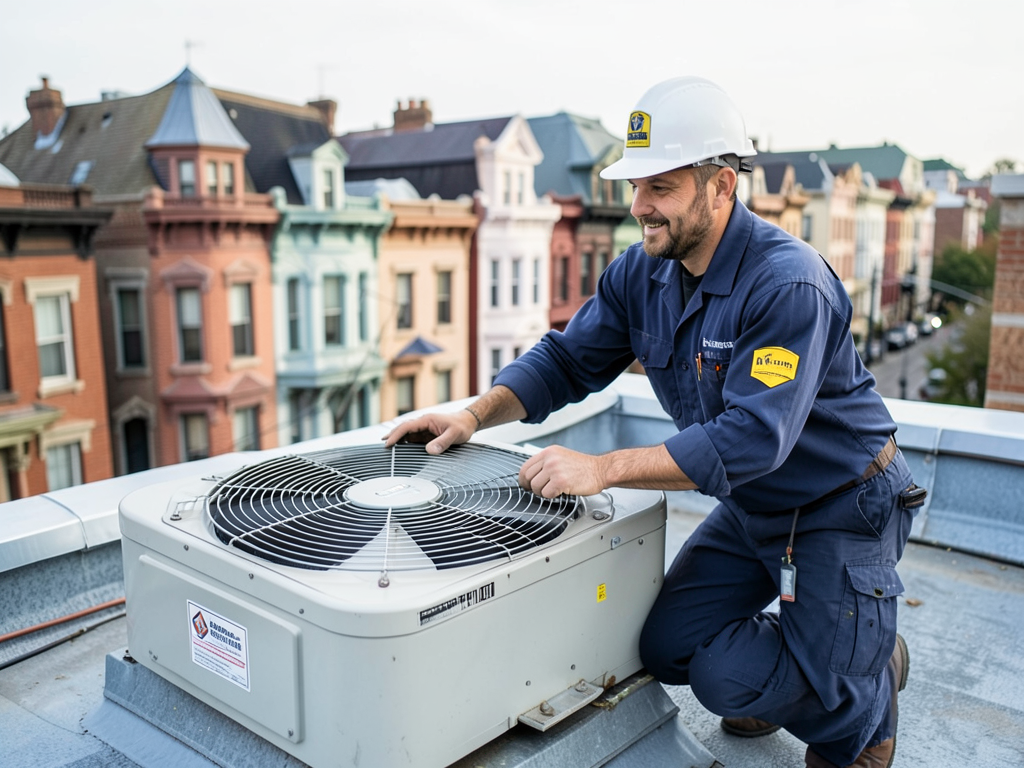
Finding Reliable Emergency AC Repair in Capitol Hill DC During a Heatwave
When your air conditioner stops working on a 95-degree July afternoon in Capitol Hill, every minute feels like an hour. The humidity clings to your skin, your kids are restless, and that historic row house you love suddenly feels like a sauna. You need someone who understands DC’s unique cooling challenges and can arrive fast.
Emergency AC repair in Capitol Hill requires more than just a truck and tools. It demands local knowledge of historic building constraints, familiarity with the neighborhood’s aging electrical infrastructure, and the ability to diagnose problems that only show up during Washington’s notorious heat-and-humidity cycles. EPA refrigerant regulations.
Why Capitol Hill AC Systems Fail During Heatwaves
Capitol Hill’s 19th-century architecture creates specific cooling challenges that newer suburbs don’t face. Many homes lack central ductwork entirely, relying instead on high-velocity systems or multiple ductless mini-splits. During extreme heat, these systems work harder than they were designed for, leading to compressor failures, refrigerant leaks, and electrical overloads.
The neighborhood’s aging electrical infrastructure compounds the problem. Many Capitol Hill homes still have 100-amp service panels that struggle to power modern AC units alongside today’s electronics and appliances. When temperatures soar, the electrical load can cause breakers to trip or wiring to overheat.
Common Emergency AC Issues We See in Capitol Hill
Refrigerant leaks top the list of emergency calls during heatwaves. The copper lines running through Capitol Hill’s tight crawl spaces and walls develop pinhole leaks from vibration and corrosion. When refrigerant levels drop, your system can’t cool properly and may eventually damage the compressor.
Electrical failures are another frequent culprit. Capacitors, contactors, and fan motors all work harder during extreme heat. A capacitor that tests within spec on a cool morning might fail completely by afternoon when temperatures inside the electrical panel reach 120 degrees.
Condensate drain issues cause secondary emergencies. Capitol Hill’s high water table means many homes already struggle with basement moisture. When AC condensate drains clog during heavy summer use, water backs up into the system, triggering safety switches that shut down your cooling.
What to Do While Waiting for Emergency AC Service
Before the technician arrives, there are steps you can take to protect your home and system. First, check your thermostat batteries if it’s a digital model. Dead batteries cause more emergency calls than most people realize. Next, inspect your air filter. A completely clogged filter can cause the system to freeze up and shut down.
If you hear clicking but the outdoor unit won’t start, check your circuit breaker panel. Look for a tripped breaker labeled ‘AC’ or ‘Heat Pump.’ However, if the breaker immediately trips again when reset, stop and wait for a professional. Repeated tripping indicates a serious electrical problem.
Keep interior doors open to promote air circulation. Close blinds and curtains on south-facing windows to reduce heat gain. If you have ceiling fans, run them counterclockwise to create a wind-chill effect that makes the room feel cooler.
Emergency Service Response in Capitol Hill’s Historic District
Working in Capitol Hill’s historic district requires special considerations. Many homes are subject to DC Historic Preservation Office guidelines that restrict exterior modifications. This means rooftop units or condenser placement must be carefully planned to maintain the building’s historic character.
Technicians must also navigate the neighborhood’s narrow streets and limited parking. Unlike suburban homes with wide driveways, Capitol Hill service calls often require carrying equipment several blocks from the nearest legal parking spot. This physical challenge means choosing a company with local experience matters more than you might think.
The area’s soil composition adds another layer of complexity. Capitol Hill sits on clay-rich Piedmont soil that expands and contracts with moisture changes. This movement can stress underground refrigerant lines and electrical conduits, leading to the very leaks and shorts that cause emergency failures.
Understanding Emergency AC Repair Costs in DC
Emergency service calls typically include a dispatch fee that covers after-hours labor and immediate response. In Capitol Hill, this fee reflects the added complexity of navigating historic streets and the higher cost of doing business in the District. However, reputable companies are transparent about these charges upfront.
The actual repair cost depends on the problem’s nature. A simple capacitor replacement might cost a few hundred dollars, while a compressor failure could run into the thousands. The key is getting an accurate diagnosis before any work begins. Beware of companies that quote prices without examining your specific system.
Many Capitol Hill homeowners find that preventative maintenance prevents expensive emergency repairs. Annual tune-ups catch small issues before they become major problems, especially important in historic homes where replacement parts may be harder to source quickly.
24/7 Emergency AC Repair: What to Expect
When you call for emergency service, expect a professional dispatcher to ask specific questions about your system’s symptoms. They’ll want to know if the outdoor unit is running, if you hear any unusual noises, and whether the system is completely dead or just not cooling effectively.
Response times vary based on demand, but in Capitol Hill, most emergency calls receive attention within two hours during peak heat events. The technician will arrive in a fully stocked vehicle capable of handling most common repairs on the first visit. This preparation is crucial when you’re dealing with vulnerable populations like elderly residents or young children.
During the service call, the technician should provide a clear diagnosis with written options for repair. They should explain what caused the failure and whether it’s likely to recur. In Capitol Hill’s humid climate, some issues like condensate drain problems may require more comprehensive solutions than simple repairs.
Choosing the Right Emergency AC Company in Capitol Hill
Not all HVAC companies are equipped to handle Capitol Hill’s unique challenges. Look for contractors with specific experience in historic DC homes. They should understand the limitations of working in 100-year-old structures and be familiar with local building codes and historic preservation requirements.
Verify that the company holds proper DC licensing through the Department of Licensing and Consumer Protection. In DC, HVAC contractors must carry specific mechanical licenses that demonstrate their expertise with the systems common in the area. Department of Energy air conditioning guide.
Check for NATE certification among the technicians. This industry standard ensures they’ve demonstrated knowledge of current HVAC technology and best practices. In emergency situations, you want someone who can quickly identify problems and implement effective solutions.
Ask about their experience with the specific type of system in your home. Whether you have a traditional central air system, a high-velocity Unico or SpacePak system, or multiple ductless mini-splits, the technician should be familiar with your equipment’s quirks and common failure points.
Preventing Future AC Emergencies in Your Capitol Hill Home
After your emergency is resolved, consider steps to prevent future failures. Regular maintenance is your best defense against unexpected breakdowns. This includes cleaning condenser coils, checking refrigerant levels, testing electrical components, and ensuring proper condensate drainage.
For homes with aging electrical systems, consider having an electrician evaluate whether your service panel can handle modern cooling demands. Many Capitol Hill homes built before 1950 weren’t designed for today’s electrical loads, and upgrading your service can prevent both AC failures and fire hazards.
Install a smart thermostat that can monitor your system’s performance and alert you to potential issues before they become emergencies. Some models can detect when your AC is running longer than normal or when temperatures in the home aren’t dropping as expected.
Consider adding surge protection to guard against power fluctuations common during summer thunderstorms. DC’s electrical grid can experience significant voltage swings during heat waves when everyone’s AC is running at full capacity.
Capitol Hill’s Unique Cooling Challenges
The neighborhood’s urban heat island effect means temperatures here can run 5-10 degrees warmer than surrounding areas. The concentration of concrete, asphalt, and brick absorbs and radiates heat long after sunset, forcing AC systems to work overtime.
Many Capitol Hill homes have poor insulation by modern standards. The beautiful historic windows that add character also allow significant heat transfer. Combined with the area’s high humidity, this creates cooling loads that modern systems struggle to meet without proper planning.
The neighborhood’s tree canopy provides some natural cooling, but it also means many homes have shade patterns that change throughout the day. This affects how much direct sun hits your roof and walls, influencing your cooling needs in ways that generic HVAC calculations might miss.
When to Consider System Replacement vs. Repair
Emergency repairs sometimes reveal that a system is nearing the end of its useful life. Most AC units last 15-20 years, and those in Capitol Hill’s demanding climate often fall on the lower end of that range due to the heavy workload.
If your system is over 15 years old and requires expensive repairs, replacement might be more cost-effective long-term. Modern high-efficiency units can cut cooling costs by 30-50% while providing more reliable operation during heat waves.
Consider replacement if you’re facing repeated repairs, if your system uses outdated refrigerants being phased out, or if your energy bills have been climbing despite normal usage patterns. A new system also eliminates the risk of being without cooling during the next heat wave.
Local Resources for Capitol Hill Homeowners
The DC Department of Energy and Environment offers programs that can help with energy efficiency improvements, including cooling system upgrades. These programs sometimes include rebates or low-interest financing for homeowners making energy-efficient choices.
Local utility companies may offer peak-load reduction programs that provide incentives for allowing them to cycle your AC during extreme demand periods. While this might seem counterintuitive during an emergency, participating in these programs can provide credits that offset the cost of a new, more efficient system.
Neighborhood associations and historic preservation groups can provide guidance on maintaining your home’s character while upgrading mechanical systems. They often have lists of contractors experienced with the specific challenges of working in historic districts.
Emergency AC Repair Success Story
Last July, a family on East Capitol Street called with a complete system failure during a week-long heat wave. Their 1920s row house had a high-velocity system that was short-cycling and freezing up. The compressor was running constantly but producing no cool air.
Our technician arrived within 90 minutes, diagnosed a failed expansion valve and low refrigerant charge, and had the system cooling again before dinner. The family avoided the cost and disruption of temporary housing while their home was being repaired.
This is the kind of rapid, effective response that makes the difference between a minor inconvenience and a major crisis during Washington’s hottest days.
Trustworthy Emergency AC Service in Your Neighborhood
When your AC fails during a Capitol Hill heatwave, you need more than just a repair service. You need a partner who understands your home’s unique challenges, respects its historic character, and can restore your comfort quickly and professionally.
Look for companies that offer clear pricing, guaranteed response times, and warranties on both parts and labor. The right contractor will treat your emergency as their priority and work efficiently to get your system running again.
Don’t wait until the next heat wave to find your emergency AC repair partner. Research local companies now, check their credentials, and save their contact information. When temperatures soar and your AC fails, you’ll be glad you planned ahead.
Frequently Asked Questions
How quickly can emergency AC repair arrive in Capitol Hill?
Most reputable emergency AC services in Capitol Hill can arrive within 1-3 hours during peak demand, though this may extend during widespread heat waves affecting the entire DC area.
What’s the average cost of emergency AC repair in DC?
Emergency AC repairs in DC typically range from $150-$500 for common issues like capacitor replacement, with more complex problems like compressor failure potentially costing $1,500-$3,000 or more.
Can I prevent AC emergencies during Capitol Hill summers?
Yes. Annual maintenance, clean air filters, proper insulation, and addressing electrical system limitations can significantly reduce the risk of emergency AC failures during DC’s hottest months.
Should I repair or replace my 15-year-old AC system?
If your system is over 15 years old and needs major repairs, replacement often makes more financial sense. New high-efficiency units can cut cooling costs by 30-50% while providing more reliable operation.
{
“@context”: “https://schema.org”,
“@type”: “BlogPosting”,
“headline”: “Finding Reliable Emergency AC Repair in Capitol Hill DC During a Heatwave”,
“description”: “Capitol Hill residents need fast, expert AC repair during DC’s brutal heatwaves. Learn how to spot emergencies, what to expect from local pros, and how to protect your historic home’s cooling system.”,
“wordCount”: 2042,
“datePublished”: “2026-02-11T12:11:00.000Z”,
“dateModified”: “2026-02-11T12:11:00.000Z”,
“inLanguage”: “en-US”,
“mainEntityOfPage”: {
“@type”: “WebPage”,
“@id”: “https://patriothvacwashingtondc.com”
},
“publisher”: {
“@type”: “LocalBusiness”,
“name”: “Patriot HVAC Washington DC”,
“url”: “https://patriothvacwashingtondc.com”
},
“author”: {
“@type”: “Organization”,
“name”: “Patriot HVAC Washington DC”,
“url”: “https://patriothvacwashingtondc.com”
},
“image”: {
“@type”: “ImageObject”,
“url”: “https://patriothvacwashingtondc.com/wp-content/uploads/2026/03/finding-reliable-emergency-ac-repair-in-capitol-hi-1-2.png”
}
}
{
“@context”: “https://schema.org”,
“@type”: “HVACBusiness”,
“name”: “Patriot HVAC Washington DC”,
“url”: “https://patriothvacwashingtondc.com”,
“address”: {
“@type”: “PostalAddress”,
“addressLocality”: “Washington DC”
},
“areaServed”: {
“@type”: “City”,
“name”: “Washington DC”
}
}
{
“@context”: “https://schema.org”,
“@type”: “FAQPage”,
“mainEntity”: [
{
“@type”: “Question”,
“name”: “How quickly can emergency AC repair arrive in Capitol Hill?”,
“acceptedAnswer”: {
“@type”: “Answer”,
“text”: “Most reputable emergency AC services in Capitol Hill can arrive within 1-3 hours during peak demand, though this may extend during widespread heat waves affecting the entire DC area.”
}
},
{
“@type”: “Question”,
“name”: “What’s the average cost of emergency AC repair in DC?”,
“acceptedAnswer”: {
“@type”: “Answer”,
“text”: “Emergency AC repairs in DC typically range from $150-$500 for common issues like capacitor replacement, with more complex problems like compressor failure potentially costing $1,500-$3,000 or more.”
}
},
{
“@type”: “Question”,
“name”: “Can I prevent AC emergencies during Capitol Hill summers?”,
“acceptedAnswer”: {
“@type”: “Answer”,
“text”: “Yes. Annual maintenance, clean air filters, proper insulation, and addressing electrical system limitations can significantly reduce the risk of emergency AC failures during DC’s hottest months.”
}
},
{
“@type”: “Question”,
“name”: “Should I repair or replace my 15-year-old AC system?”,
“acceptedAnswer”: {
“@type”: “Answer”,
“text”: “If your system is over 15 years old and needs major repairs, replacement often makes more financial sense. New high-efficiency units can cut cooling costs by 30-50% while providing more reliable operation.”
}
}
]
}
{
“@context”: “https://schema.org”,
“@type”: “BreadcrumbList”,
“itemListElement”: [
{
“@type”: “ListItem”,
“position”: 1,
“name”: “Home”,
“item”: “https://patriothvacwashingtondc.com”
},
{
“@type”: “ListItem”,
“position”: 2,
“name”: “Blog”,
“item”: “https://patriothvacwashingtondc.com/blog”
},
{
“@type”: “ListItem”,
“position”: 3,
“name”: “Finding Reliable Emergency AC Repair in Capitol Hill DC During a Heatwave”
}
]
}
{
“@context”: “https://schema.org”,
“@type”: “Service”,
“serviceType”: “HVAC”,
“provider”: {
“@type”: “LocalBusiness”,
“name”: “Patriot HVAC Washington DC”,
“url”: “https://patriothvacwashingtondc.com”
},
“areaServed”: {
“@type”: “City”,
“name”: “Washington DC”
},
“description”: “Capitol Hill residents need fast, expert AC repair during DC’s brutal heatwaves. Learn how to spot emergencies, what to expect from local pros, and how to protect your historic home’s cooling system.”
}