
Construction Dust in Your Ductwork Risks Detection and Professional Removal in Kent
Home renovations create beautiful spaces but leave behind a hidden threat: construction dust that infiltrates your HVAC system. In Kent where many homes feature historic architecture and active renovation markets this problem affects thousands of homeowners each year.. Read more about The hidden benefits of moving your HVAC system to the attic in Hawthorne.
Standard vacuuming cannot remove microscopic drywall particles silica dust and construction debris that settle deep within your ductwork. These contaminants circulate through your home degrade air quality and can cause expensive damage to your HVAC components. This guide explains the specific risks facing Kent homeowners how to identify contamination and when professional duct cleaning becomes necessary.. Read more about Should You Clean or Completely Replace the Air Ducts in Your Carver Langston Fixer-Upper?.
The Hidden Dangers of Construction Dust in Your HVAC System
Construction dust poses multiple threats to both your health and your HVAC system’s performance. Understanding these risks helps you make informed decisions about protecting your investment.
Health Risks from Fine Particulate Matter
Construction dust contains particles small enough to bypass standard residential air filters. According to EPA PM2.5 standards particles under 2.5 microns can penetrate deep into lung tissue and enter the bloodstream. Drywall dust silica particles and sawdust from power tools create a dangerous mixture that standard MERV 8 filters cannot capture. EPA PM2.5 standards.
Residents with allergies asthma or respiratory conditions face increased symptoms when construction dust circulates through their HVAC system. Children and elderly family members experience the highest risk levels due to their developing or compromised respiratory systems.
HVAC System Damage and Efficiency Loss
Construction dust accumulates on critical HVAC components causing several problems. The evaporator coil becomes coated with dust reducing heat transfer efficiency by up to 30 percent. This forces your system to run longer cycles increasing energy consumption and utility costs.
Dust buildup on the blower motor creates friction leading to bearing wear and eventual motor failure. The heat exchanger can also become insulated by dust causing it to overheat and potentially crack. These issues often result in emergency repairs during peak heating or cooling seasons. The Best Heating and Cooling Solutions for Adams Morgan Condos.
Signs Your Ductwork Contains Construction Dust
Identifying construction dust contamination requires attention to specific symptoms. Many Kent homeowners mistake these signs for normal household dust but construction dust creates distinct patterns.
Visual Indicators Around Your Home
Construction dust creates a persistent gray film on furniture surfaces that reappears within hours of cleaning. This differs from normal household dust which typically takes 24-48 hours to become visible again after thorough cleaning.
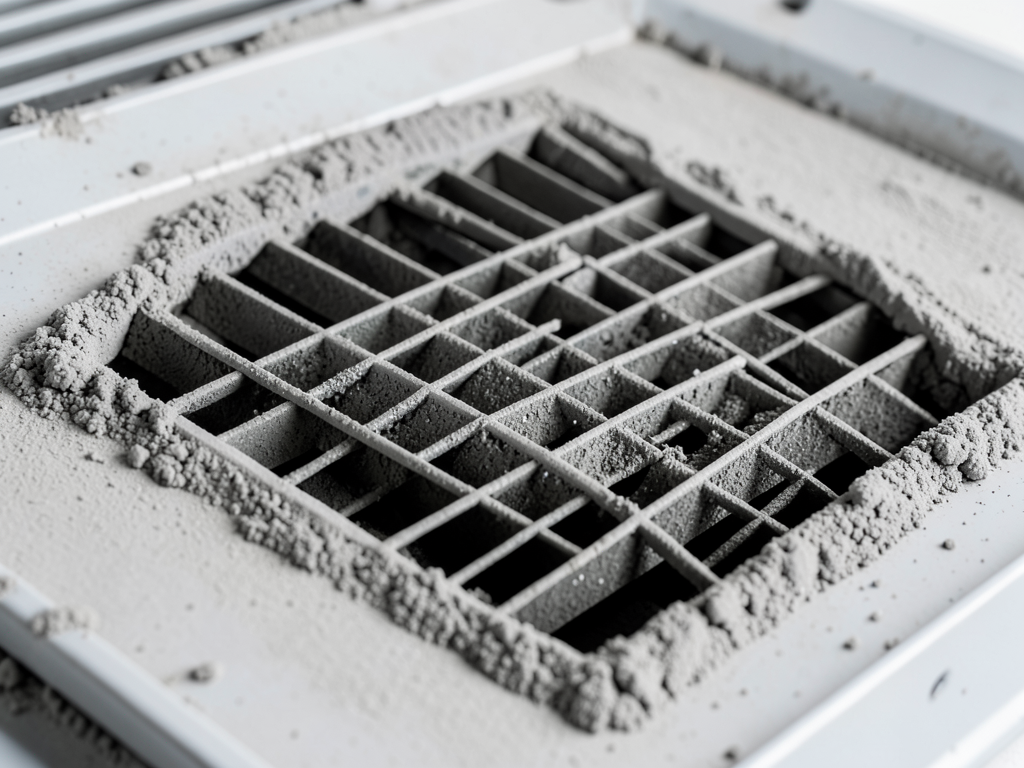
Check your HVAC vents for gray or white buildup around the edges. Construction dust often accumulates in patterns that follow airflow paths creating streaks or bands of discoloration. You may also notice dust settling on electronics books and other surfaces that rarely collect dust under normal conditions.
Performance and Air Quality Changes
Your HVAC system may exhibit unusual behavior after nearby construction. The blower motor might run louder than normal creating a high-pitched whine or grinding sound. This occurs when dust accumulates on motor bearings or causes the fan blades to become unbalanced.
Air quality changes become noticeable through persistent musty odors when the system runs. Construction dust mixed with moisture creates ideal conditions for mold growth within ductwork. You might also experience increased allergy symptoms or respiratory irritation that correlates with HVAC operation.
The Kent Factor Why Local Homes Face Unique Challenges
Kent’s historic architecture and specific soil conditions create conditions that worsen construction dust problems. Understanding these local factors helps you take appropriate protective measures.
Historic Home Renovation Considerations
Many Kent homes date back to the early 1900s and feature plaster walls lathe-and-plaster ceilings and original wood framing. Renovation work on these structures releases fine plaster dust and potentially hazardous materials like lead-based paint dust.
The City of Kent requires specific protocols for renovations in designated historic districts. These guidelines often include dust containment requirements but HVAC protection remains the homeowner’s responsibility. City of Kent Building Code.
Kent’s Unique Soil and Water Table Impact
Kent sits on glacial till soil with high clay content which creates unique dust challenges. When disturbed this soil produces fine silty dust that behaves differently than typical construction dust. The high water table in Kent’s valley areas means moisture often interacts with construction dust creating a paste-like substance that adheres to duct surfaces.
Local zip codes 98030 98031 and 98032 experience different dust behaviors based on their proximity to the Green River and elevation changes. Homes near the river face higher humidity levels that exacerbate dust problems.
Professional vs DIY Dust Removal What Actually Works
Many homeowners attempt DIY dust removal using shop vacuums and household cleaning products. However construction dust requires specialized equipment and techniques for complete removal.
Why Standard Cleaning Methods Fail
Household vacuums lack the HEPA filtration necessary to capture microscopic construction particles. Most residential vacuums allow particles smaller than 5 microns to pass through the filter and re-enter your home’s air.
Shop vacuums create even more problems. The high airflow rates can actually force dust deeper into duct seams and joints. Additionally shop vacuums typically lack proper filtration meaning they redistribute dust throughout your home during operation.. Read more about Moving your outdoor AC unit during a backyard redesign in Manor Park.
NADCA-Standard Professional Cleaning
Professional duct cleaning follows National Air Duct Cleaners Association (NADCA) ACR standards. This process uses negative pressure machines that create 3000-5000 cubic feet per minute of suction while specialized tools agitate and remove debris from duct surfaces. National Air Duct Cleaners Association (NADCA).
Professional cleaning includes HEPA-filtered vacuum systems that capture 99.97 percent of particles down to 0.3 microns. Technicians also use rotating brushes and air whips to dislodge stubborn debris from duct walls and component surfaces.
Post-Construction HVAC Protection Checklist
Following this checklist helps Kent homeowners minimize construction dust impact on their HVAC systems during renovations.
Pre-Construction Protection Steps
- Install high-efficiency MERV 11 or MERV 13 filters before construction begins. These capture smaller particles than standard filters.
- Seal all supply and return vents with plastic sheeting and painter’s tape. This prevents dust from entering ductwork.
- Cover the air handler with plastic sheeting ensuring the seal extends to the floor to prevent dust infiltration.
- Change your HVAC filter weekly during construction to prevent dust accumulation in the system.
During Construction Best Practices
- Maintain negative air pressure in construction zones using exhaust fans vented outdoors.
- Schedule HVAC system shutdowns during high-dust activities like drywall sanding or demolition.
- Clean work areas thoroughly before removing dust barriers to prevent cross-contamination.
- Consider temporary relocation of sensitive individuals during major dust-producing activities.
Cost Analysis Duct Cleaning vs System Damage
Understanding the financial implications helps you make informed decisions about post-construction duct cleaning.
| Service | Typical Cost Range | Coverage Details |
|---|---|---|
| Professional Duct Cleaning | $450 – $1200 | Complete system cleaning per NADCA standards |
| Blower Motor Replacement | $400 – $800 | Parts and labor for residential systems |
| Evaporator Coil Cleaning | $150 – $400 | Professional chemical cleaning |
| Emergency HVAC Repair | $200 – $500 | Service call plus diagnostic fees |
| Energy Cost Increase | $15-30 monthly | Reduced efficiency over 6-12 months |
Professional duct cleaning typically costs less than replacing a single major HVAC component damaged by construction dust. The investment also prevents reduced efficiency that increases monthly utility bills by 15-30 percent.. Read more about How MERV 13 filters can reduce city smog inside your Near Northeast loft.
When to Schedule Professional Cleaning
Timing your duct cleaning correctly maximizes effectiveness and protects your HVAC investment.
Ideal Cleaning Windows
The best time for post-construction duct cleaning is immediately after all renovation work completes and before you resume normal HVAC operation. This prevents construction dust from circulating through your home during the first heating or cooling season.
Schedule cleaning during mild weather when you can comfortably operate fans without heating or cooling. This allows technicians to run the system during cleaning without creating temperature discomfort in your home.
Warning Signs Requiring Immediate Service
Certain symptoms indicate urgent need for professional cleaning. If you notice visible dust blowing from vents when the system starts or if family members experience sudden allergy or asthma flare-ups schedule service immediately.
Unusual HVAC noises particularly grinding or squealing sounds often indicate dust-related motor problems that worsen with continued operation. Addressing these issues promptly prevents more expensive repairs. Getting Fast AC Repair for Your Navy Yard Apartment or Condo.
Local Resources and Next Steps for Kent Homeowners
Kent residents have access to specific resources for managing construction dust and HVAC protection during renovations.
City of Kent Building Code Requirements
The City of Kent Municipal Code Section 15.04.070 requires dust control measures during construction activities. While this primarily addresses outdoor air quality it establishes standards that influence indoor air quality management during renovations.
Kent’s building code also references Washington State Energy Code requirements for HVAC protection during construction which mandate sealing of duct openings and protection of equipment from construction debris.
Finding Qualified HVAC Professionals
When selecting a duct cleaning service verify NADCA membership and certification. NADCA-certified technicians follow strict standards and use equipment that meets industry requirements for construction dust removal.
Request references from other Kent homeowners who have completed similar renovation projects. Local experience with Kent’s specific soil conditions and historic home challenges provides valuable insight into appropriate cleaning methods.
Protecting Your Investment Long-Term HVAC Health
Construction dust represents just one threat to your HVAC system’s longevity. Implementing comprehensive protection strategies ensures reliable performance for years to come. Finding Reliable Emergency AC Repair in Capitol Hill DC During a Heatwave.
Regular Maintenance Schedule
Establish a maintenance routine that includes quarterly filter changes annual professional inspections and biannual coil cleaning. This proactive approach prevents minor issues from becoming major problems.. Read more about Is a yearly HVAC maintenance plan actually worth the money for DC homeowners?.
Document all maintenance and cleaning activities. This record helps identify patterns and provides valuable information for warranty claims or system troubleshooting.
Air Quality Monitoring
Consider installing indoor air quality monitors that track particulate matter humidity and volatile organic compounds. These devices help you identify air quality issues before they affect your health or HVAC system.
Many modern IAQ monitors connect to smartphone apps providing real-time alerts when air quality deteriorates. This technology proves especially valuable during and after construction projects.
Frequently Asked Questions
How long does construction dust remain in ductwork?
Construction dust can remain in ductwork indefinitely without professional cleaning. The particles settle into duct seams and on component surfaces where they continue to circulate through your home whenever the system operates.
Can I clean my own ducts after construction?
DIY duct cleaning cannot remove construction dust effectively. Standard household equipment lacks the suction power and HEPA filtration necessary to capture microscopic particles. Professional cleaning uses specialized equipment that achieves results impossible with consumer-grade tools.
Will my homeowner’s insurance cover duct cleaning after renovation?
Most standard homeowner’s insurance policies do not cover routine duct cleaning even when caused by construction activities. However if construction dust causes damage to your HVAC system some policies may cover the resulting repairs. Fast Furnace Repair Services for Families in Chevy Chase DC.
How often should I change filters during construction?
Change HVAC filters weekly during active construction. Construction dust clogs filters much faster than normal household dust reducing airflow and forcing your system to work harder. More frequent changes protect your equipment and maintain air quality.
What MERV rating should I use during renovations?
Use MERV 11 or MERV 13 filters during construction. These ratings capture smaller particles than standard MERV 8 filters while maintaining adequate airflow for your HVAC system. Higher MERV ratings provide better protection against construction dust infiltration.
- Install High-Efficiency Filters
Replace standard filters with MERV 11 or MERV 13 filters before construction begins to capture smaller particles.
- Seal All Vents
Cover supply and return vents with plastic sheeting and painter’s tape to prevent dust from entering ductwork.
- Cover the Air Handler
Protect the main HVAC unit with plastic sheeting sealing all edges to prevent dust infiltration.
- Schedule Regular Filter Changes
Replace filters weekly during construction to maintain airflow and prevent system strain.
- Shut Down During Major Dust Activities
Turn off your HVAC system during high-dust activities like demolition or drywall sanding.
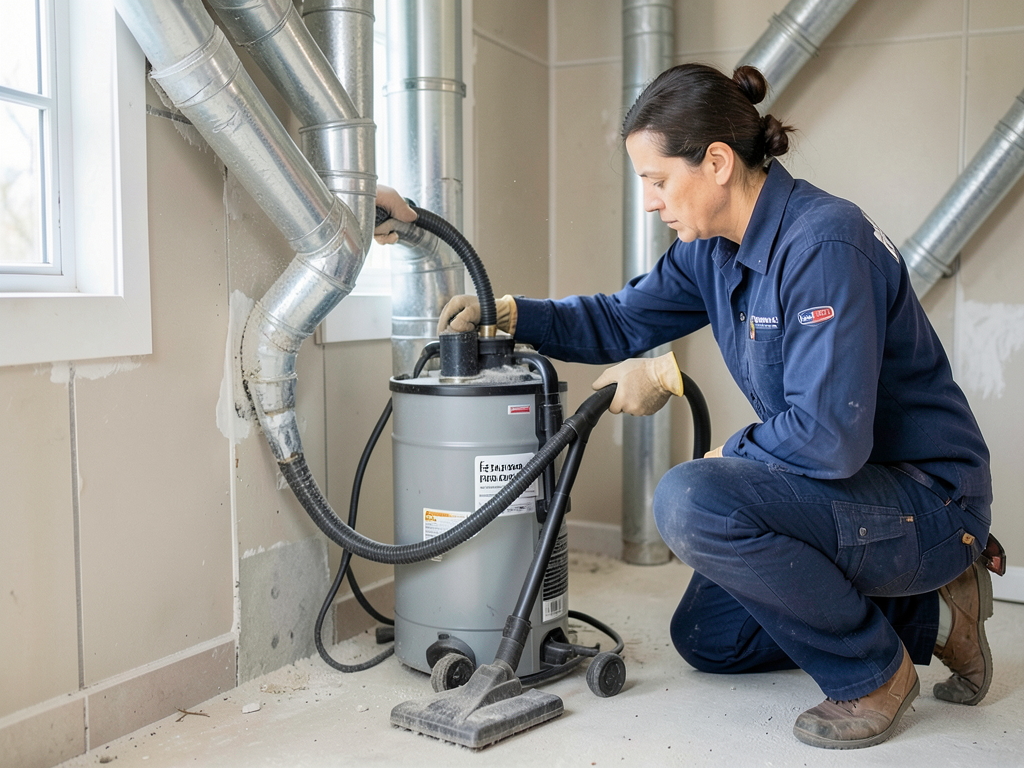
Photo showing construction dust accumulation in ductwork with close-up of dust particles on duct surfaces.
Professional duct cleaning technician using HEPA-filtered vacuum system and agitation tools in a Kent home.
Before and after comparison of HVAC vents showing construction dust buildup and clean results after professional cleaning.
Construction dust in your HVAC system creates serious risks for Kent homeowners but proper protection and timely professional cleaning can prevent most problems. The combination of historic home architecture and Kent’s specific soil conditions makes construction dust particularly problematic in our area.
Don’t wait until you notice symptoms like unusual noises reduced efficiency or poor air quality. Proactive protection during renovations and professional cleaning when needed protects both your health and your HVAC investment.
Call (771) 218-6322 today to schedule your inspection. Our NADCA-certified technicians understand the specific challenges facing Kent homeowners and provide thorough professional duct cleaning that restores your indoor air quality and protects your HVAC system.
Pick up the phone and call (771) 218-6322 before the next renovation project starts. Your HVAC system works hard to keep your family comfortable year-round. Give it the protection it deserves with professional duct cleaning from Patriot HVAC.
You may also find this helpful. Finding the right HVAC contractor for your LeDroit Park historic renovation.
You may also find this helpful. Why Your Eckington AC Turns On and Off Every Few Minutes.
{
“@context”: “https://schema.org”,
“@type”: “BlogPosting”,
“headline”: “Dealing with construction dust in your HVAC system during a home remodel in Kent”,
“description”: “Construction dust threatens Kent homes’ HVAC systems. Learn local risks, warning signs, and NADCA-standard professional cleaning to protect your investment.”,
“wordCount”: 2165,
“datePublished”: “2026-04-17T07:41:00.000Z”,
“dateModified”: “2026-04-17T07:41:00.000Z”,
“inLanguage”: “en-US”,
“mainEntityOfPage”: {
“@type”: “WebPage”,
“@id”: “https://patriothvacwashingtondc.com”
},
“publisher”: {
“@type”: “LocalBusiness”,
“name”: “Patriot HVAC Washington DC”,
“url”: “https://patriothvacwashingtondc.com”
},
“author”: {
“@type”: “Organization”,
“name”: “Patriot HVAC Washington DC”,
“url”: “https://patriothvacwashingtondc.com”
},
“image”: {
“@type”: “ImageObject”,
“url”: “https://patriothvacwashingtondc.com/wp-content/uploads/2026/03/dealing-with-construction-dust-in-your-hvac-system-1.png”
}
}
{
“@context”: “https://schema.org”,
“@type”: “HVACBusiness”,
“name”: “Patriot HVAC Washington DC”,
“url”: “https://patriothvacwashingtondc.com”,
“address”: {
“@type”: “PostalAddress”,
“addressLocality”: “Washington DC”
},
“areaServed”: {
“@type”: “City”,
“name”: “Washington DC”
}
}
{
“@context”: “https://schema.org”,
“@type”: “FAQPage”,
“mainEntity”: [
{
“@type”: “Question”,
“name”: “How long does construction dust remain in ductwork?”,
“acceptedAnswer”: {
“@type”: “Answer”,
“text”: “Construction dust can remain in ductwork indefinitely without professional cleaning. The particles settle into duct seams and on component surfaces where they continue to circulate through your home whenever the system operates.”
}
},
{
“@type”: “Question”,
“name”: “Can I clean my own ducts after construction?”,
“acceptedAnswer”: {
“@type”: “Answer”,
“text”: “DIY duct cleaning cannot remove construction dust effectively. Standard household equipment lacks the suction power and HEPA filtration necessary to capture microscopic particles. Professional cleaning uses specialized equipment that achieves results impossible with consumer-grade tools.”
}
},
{
“@type”: “Question”,
“name”: “Will my homeowner’s insurance cover duct cleaning after renovation?”,
“acceptedAnswer”: {
“@type”: “Answer”,
“text”: “Most standard homeowner’s insurance policies do not cover routine duct cleaning even when caused by construction activities. However if construction dust causes damage to your HVAC system some policies may cover the resulting repairs. Fast Furnace Repair Services for Families in Chevy Chase DC.”
}
},
{
“@type”: “Question”,
“name”: “How often should I change filters during construction?”,
“acceptedAnswer”: {
“@type”: “Answer”,
“text”: “Change HVAC filters weekly during active construction. Construction dust clogs filters much faster than normal household dust reducing airflow and forcing your system to work harder. More frequent changes protect your equipment and maintain air quality.”
}
},
{
“@type”: “Question”,
“name”: “What MERV rating should I use during renovations?”,
“acceptedAnswer”: {
“@type”: “Answer”,
“text”: “Use MERV 11 or MERV 13 filters during construction. These ratings capture smaller particles than standard MERV 8 filters while maintaining adequate airflow for your HVAC system. Higher MERV ratings provide better protection against construction dust infiltration.”
}
}
]
}
{
“@context”: “https://schema.org”,
“@type”: “HowTo”,
“name”: “How to Protect Your HVAC During Renovation”,
“step”: [
{
“@type”: “HowToStep”,
“position”: 1,
“name”: “Install High-Efficiency Filters”,
“text”: “Replace standard filters with MERV 11 or MERV 13 filters before construction begins to capture smaller particles.”
},
{
“@type”: “HowToStep”,
“position”: 2,
“name”: “Seal All Vents”,
“text”: “Cover supply and return vents with plastic sheeting and painter’s tape to prevent dust from entering ductwork.”
},
{
“@type”: “HowToStep”,
“position”: 3,
“name”: “Cover the Air Handler”,
“text”: “Protect the main HVAC unit with plastic sheeting sealing all edges to prevent dust infiltration.”
},
{
“@type”: “HowToStep”,
“position”: 4,
“name”: “Schedule Regular Filter Changes”,
“text”: “Replace filters weekly during construction to maintain airflow and prevent system strain.”
},
{
“@type”: “HowToStep”,
“position”: 5,
“name”: “Shut Down During Major Dust Activities”,
“text”: “Turn off your HVAC system during high-dust activities like demolition or drywall sanding.”
}
],
“image”: “https://patriothvacwashingtondc.com/wp-content/uploads/2026/03/dealing-with-construction-dust-in-your-hvac-system-1.png”
}
{
“@context”: “https://schema.org”,
“@type”: “BreadcrumbList”,
“itemListElement”: [
{
“@type”: “ListItem”,
“position”: 1,
“name”: “Home”,
“item”: “https://patriothvacwashingtondc.com”
},
{
“@type”: “ListItem”,
“position”: 2,
“name”: “Blog”,
“item”: “https://patriothvacwashingtondc.com/blog”
},
{
“@type”: “ListItem”,
“position”: 3,
“name”: “Dealing with construction dust in your HVAC system during a home remodel in Kent”
}
]
}
{
“@context”: “https://schema.org”,
“@type”: “Service”,
“serviceType”: “HVAC”,
“provider”: {
“@type”: “LocalBusiness”,
“name”: “Patriot HVAC Washington DC”,
“url”: “https://patriothvacwashingtondc.com”
},
“areaServed”: {
“@type”: “City”,
“name”: “Washington DC”
},
“description”: “Construction dust threatens Kent homes’ HVAC systems. Learn local risks, warning signs, and NADCA-standard professional cleaning to protect your investment.”
}