
Converting Your Deanwood Home from Window Units to Central Air
Deanwood homeowners are discovering that window units no longer cut it during Washington DC’s brutal summers. The humidity hangs heavy in the air, and those rattling boxes barely cool a single room. Converting to central air isn’t just about comfort—it’s about reclaiming your home’s efficiency and value. In Deanwood’s mix of 1940s brick bungalows and craftsman-style homes, the conversion process requires careful planning around existing ductwork, electrical capacity, and historic preservation guidelines. DC Department of Buildings permit requirements.
Most Deanwood homes were built before central air became standard, meaning your home likely relies on window units or radiator heating. The conversion process involves installing an air handler, condensing unit, and potentially new ductwork. For many older homes, this means creative routing through attics, basements, or closets to minimize structural changes. The good news? DC’s Sustainable Energy Utility (DCSEU) offers rebates that can offset thousands in conversion costs. DCSEU rebates for HVAC conversions.
Why Deanwood Homeowners Are Converting to Central Air
The shift from window units to central air in Deanwood reflects both practical needs and property value considerations. Window units create security risks, increase noise pollution, and drive up electricity bills during peak summer months. Central air provides consistent cooling throughout your home, eliminates the visual clutter of window units, and can actually increase your property’s resale value in NE DC’s competitive market. The Best Heating and Cooling Solutions for Adams Morgan Condos.
Deanwood’s housing stock presents unique challenges. Many homes have plaster walls that complicate ductwork installation, while others rely on radiator heating systems that need to be integrated with new forced-air technology. The conversion process typically takes 3-5 days and requires coordination with the DC Department of Buildings for proper permitting. Most importantly, professional installation ensures your system meets current SEER2 efficiency standards and local building codes.
Our Retrofit Process for Deanwood Architecture
Converting older Deanwood homes requires a methodical approach that respects the original architecture while delivering modern comfort. We start with a comprehensive home assessment, examining your electrical panel capacity, existing ductwork (if any), and potential routing paths for new components. For many Deanwood bungalows, we recommend high-velocity systems that use smaller ducts and can fit within existing wall cavities.
The installation process follows a specific sequence. First, we install the outdoor condensing unit, typically placed on a concrete pad in the backyard or side yard. Next, we route refrigerant lines and electrical connections to the indoor air handler, which is often installed in a closet, attic, or basement. For homes without existing ductwork, we create new duct runs using flexible or rigid materials, carefully sealing all connections to prevent air leaks. The final step involves system commissioning and testing to ensure proper airflow and cooling capacity.
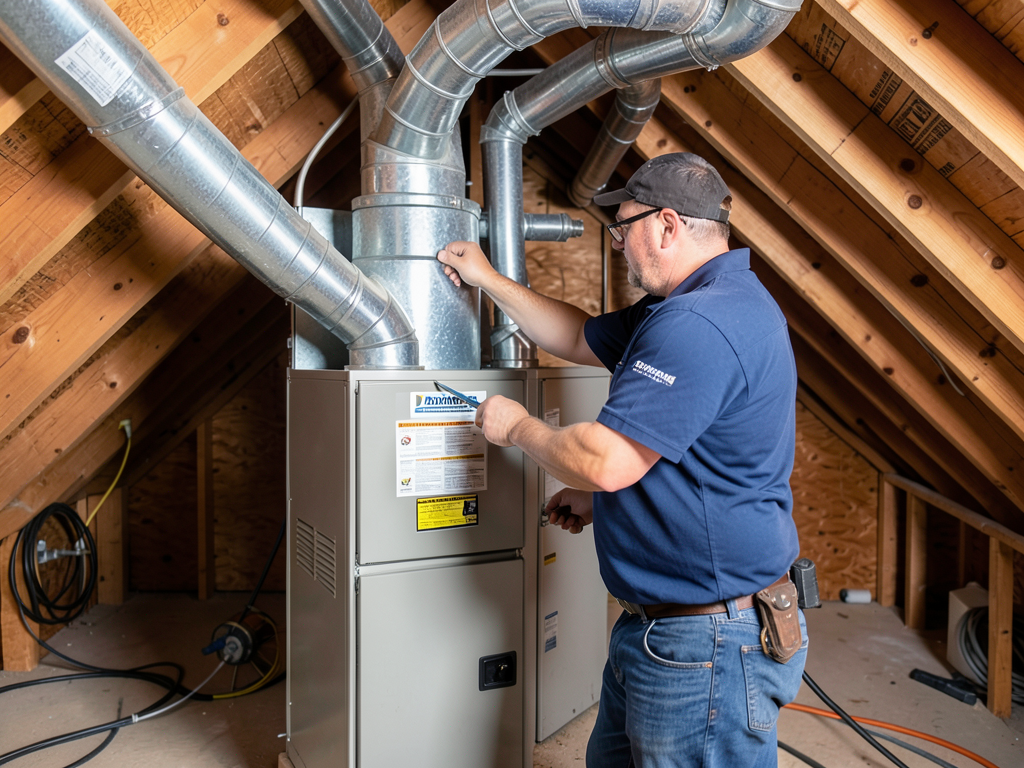
During the conversion, we encounter common Deanwood-specific issues. Many homes have aluminum wiring that may need upgrading to handle the electrical load of a central air system. Others have asbestos insulation in older ductwork that requires professional abatement before installation can proceed. We handle these challenges as part of our comprehensive retrofit service, ensuring your home meets all current safety standards.
Central Air vs. Ductless Mini-Splits: Which Is Right for Your DC Home?
Choosing between traditional central air and ductless mini-split systems depends on your home’s layout and your budget. Central air provides whole-house cooling through a single system, making it ideal for open floor plans common in Deanwood’s post-war homes. However, the installation requires significant ductwork modifications that can increase project costs.
Ductless mini-split systems offer a compelling alternative for homes where traditional ductwork installation would be prohibitively expensive or disruptive. These systems use individual wall-mounted units connected to an outdoor compressor, eliminating the need for extensive duct modifications. They’re particularly effective for zoned cooling, allowing you to control temperatures in different rooms independently.
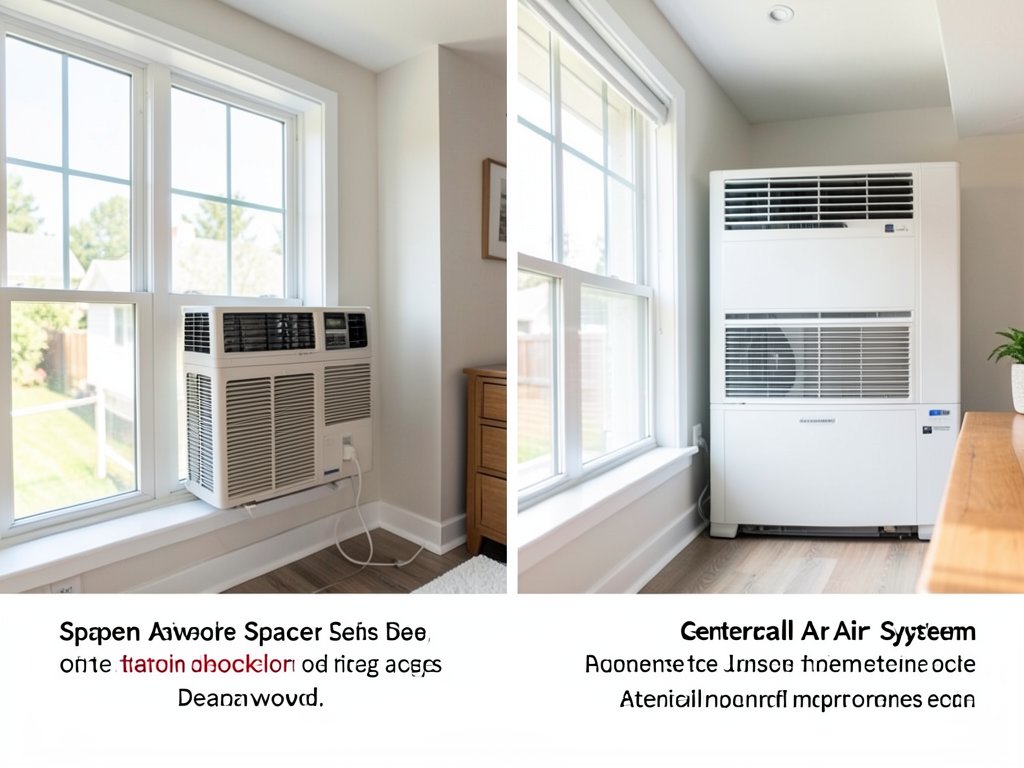
High-velocity systems like Unico or SpacePak represent a middle ground, using small-diameter ducts that can fit within existing wall cavities. These systems are ideal for Deanwood’s older homes where preserving original plaster walls is a priority. They operate at higher air pressures than traditional systems, allowing for effective cooling through smaller duct runs.
Cost considerations vary significantly between options. Traditional central air conversion typically ranges from $8,000 to $15,000 for Deanwood homes, depending on ductwork complexity. Ductless mini-splits cost $3,500 to $8,000 for a whole-house system, while high-velocity systems fall in the $10,000 to $18,000 range. DCSEU rebates can reduce these costs by $500 to $2,000 depending on system efficiency.
Navigating DC Permits and PEPCO Rebates
Converting to central air in Washington DC requires specific permits through the Department of Buildings. The process starts with a building permit application that includes detailed HVAC plans showing equipment locations, duct routing, and electrical modifications. Most Deanwood conversions qualify for expedited permitting if they meet current energy efficiency standards and don’t involve structural changes.
DC’s permitting process typically takes 2-4 weeks for approval, though we can often begin work while permits are processing. The building inspector will verify that your installation meets DC Mechanical Code requirements, including proper equipment sizing, adequate ventilation, and safe electrical connections. For homes in historic districts, additional approvals may be required from the Historic Preservation Office.
PEPCO offers residential rebates that can significantly reduce your conversion costs. Current programs provide up to $500 for high-efficiency central air systems and $300 for ductless mini-split installations. The DCSEU (DC Sustainable Energy Utility) offers additional incentives, including up to $2,000 for systems that meet specific SEER2 efficiency thresholds. These rebates require installation by certified contractors and proper documentation of equipment specifications.
Timing your conversion strategically can maximize savings. DCSEU rebate funds are limited and often run out by mid-summer when demand peaks. Starting your project in spring or early fall not only ensures rebate availability but also provides better scheduling flexibility with HVAC contractors. We handle all rebate paperwork as part of our conversion service, ensuring you receive every available incentive.
Why Choose Patriot HVAC for Your Deanwood HVAC Upgrade?
Patriot HVAC has been converting Deanwood homes from window units to central air since 2015, giving us deep experience with the specific challenges these older homes present. We understand the nuances of working with Deanwood’s housing stock—from the plaster walls in 1940s bungalows to the electrical limitations in pre-war craftsman homes. Our technicians hold NATE certification and DC master tradesman licenses, ensuring every installation meets or exceeds local building codes.
Our conversion process includes a 10-year parts and labor warranty on all new installations, plus a 1-year maintenance plan to keep your system running efficiently. We provide detailed before-and-after energy analysis showing exactly how much you’ll save on summer cooling costs. Many Deanwood homeowners see 30-40% reductions in their electricity bills after conversion, often paying for the system within 5-7 years through energy savings alone.
We’re not just installers—we’re consultants who help you make informed decisions about your home’s comfort system. During our initial assessment, we identify potential issues like inadequate electrical service, poor insulation, or air leaks that could compromise your new system’s performance. We address these factors as part of a comprehensive approach to home comfort, not just HVAC installation.
Call (771) 218-6322 today to schedule your Deanwood home assessment. Our team will evaluate your current cooling system, discuss conversion options, and provide a detailed quote including all available rebates and permits. Don’t wait until summer heat waves hit—convert now and enjoy consistent comfort throughout your entire home.
Frequently Asked Questions
How long does a typical window-to-central air conversion take?
Most Deanwood home conversions take 3-5 days from start to finish. This includes equipment installation, ductwork (if needed), electrical work, and system testing. We handle all permits and inspections as part of our service.
Will I need to replace my electrical panel for central air?
Many older Deanwood homes have 60-100 amp service that may need upgrading to 200 amps for central air. We assess your electrical capacity during the initial consultation and include any necessary upgrades in our quote.
Are there financing options available for HVAC conversion?
Yes, we offer 12-60 month financing through several providers. Many Deanwood homeowners also qualify for DCSEU on-bill financing, which allows you to pay for your conversion through monthly utility bill savings.
Can you install central air in a home with radiator heating?
Absolutely. We frequently convert homes with existing boiler systems. The process involves installing new ductwork while maintaining your radiator system for heating, creating a year-round comfort solution. Boiler Services.
What SEER2 rating should I look for in a new system?
For Deanwood’s climate, we recommend minimum SEER2 16 for central air systems. Higher ratings (18-21) provide better efficiency but have higher upfront costs. We’ll help you calculate the payback period based on your specific usage patterns.
{
“@context”: “https://schema.org”,
“@type”: “BlogPosting”,
“headline”: “Converting Your Deanwood Home from Window Units to Central Air”,
“description”: “Learn how to convert your Deanwood DC home from window units to central air. Expert HVAC retrofitting for older brick homes. DCSEU rebates & DOB permits explained.”,
“wordCount”: 1457,
“datePublished”: “2026-03-21T10:49:00.000Z”,
“dateModified”: “2026-03-21T10:49:00.000Z”,
“inLanguage”: “en-US”,
“mainEntityOfPage”: {
“@type”: “WebPage”,
“@id”: “https://patriothvacwashingtondc.com”
},
“publisher”: {
“@type”: “LocalBusiness”,
“name”: “Patriot HVAC Washington DC”,
“url”: “https://patriothvacwashingtondc.com”
},
“author”: {
“@type”: “Organization”,
“name”: “Patriot HVAC Washington DC”,
“url”: “https://patriothvacwashingtondc.com”
},
“image”: {
“@type”: “ImageObject”,
“url”: “https://patriothvacwashingtondc.com/wp-content/uploads/2026/03/converting-your-deanwood-home-from-window-units-to-1-1.png”
}
}
{
“@context”: “https://schema.org”,
“@type”: “HVACBusiness”,
“name”: “Patriot HVAC Washington DC”,
“url”: “https://patriothvacwashingtondc.com”,
“address”: {
“@type”: “PostalAddress”,
“addressLocality”: “Washington DC”
},
“areaServed”: {
“@type”: “City”,
“name”: “Washington DC”
}
}
{
“@context”: “https://schema.org”,
“@type”: “FAQPage”,
“mainEntity”: [
{
“@type”: “Question”,
“name”: “Central Air vs. Ductless Mini-Splits: Which Is Right for Your DC Home?”,
“acceptedAnswer”: {
“@type”: “Answer”,
“text”: “Choosing between traditional central air and ductless mini-split systems depends on your home’s layout and your budget. Central air provides whole-house cooling through a single system, making it ideal for open floor plans common in Deanwood’s post-war homes. However, the installation requires significant ductwork modifications that can increase project costs.”
}
},
{
“@type”: “Question”,
“name”: “Why Choose Patriot HVAC for Your Deanwood HVAC Upgrade?”,
“acceptedAnswer”: {
“@type”: “Answer”,
“text”: “Patriot HVAC has been converting Deanwood homes from window units to central air since 2015, giving us deep experience with the specific challenges these older homes present. We understand the nuances of working with Deanwood’s housing stock—from the plaster walls in 1940s bungalows to the electrical limitations in pre-war craftsman homes. Our technicians hold NATE certification and DC master tradesman licenses, ensuring every installation meets or exceeds local building codes.”
}
},
{
“@type”: “Question”,
“name”: “How long does a typical window-to-central air conversion take?”,
“acceptedAnswer”: {
“@type”: “Answer”,
“text”: “Most Deanwood home conversions take 3-5 days from start to finish. This includes equipment installation, ductwork (if needed), electrical work, and system testing. We handle all permits and inspections as part of our service.”
}
},
{
“@type”: “Question”,
“name”: “Will I need to replace my electrical panel for central air?”,
“acceptedAnswer”: {
“@type”: “Answer”,
“text”: “Many older Deanwood homes have 60-100 amp service that may need upgrading to 200 amps for central air. We assess your electrical capacity during the initial consultation and include any necessary upgrades in our quote.”
}
},
{
“@type”: “Question”,
“name”: “Are there financing options available for HVAC conversion?”,
“acceptedAnswer”: {
“@type”: “Answer”,
“text”: “Yes, we offer 12-60 month financing through several providers. Many Deanwood homeowners also qualify for DCSEU on-bill financing, which allows you to pay for your conversion through monthly utility bill savings.”
}
},
{
“@type”: “Question”,
“name”: “Can you install central air in a home with radiator heating?”,
“acceptedAnswer”: {
“@type”: “Answer”,
“text”: “Absolutely. We frequently convert homes with existing boiler systems. The process involves installing new ductwork while maintaining your radiator system for heating, creating a year-round comfort solution. Boiler Services.”
}
}
]
}
{
“@context”: “https://schema.org”,
“@type”: “BreadcrumbList”,
“itemListElement”: [
{
“@type”: “ListItem”,
“position”: 1,
“name”: “Home”,
“item”: “https://patriothvacwashingtondc.com”
},
{
“@type”: “ListItem”,
“position”: 2,
“name”: “Blog”,
“item”: “https://patriothvacwashingtondc.com/blog”
},
{
“@type”: “ListItem”,
“position”: 3,
“name”: “Converting Your Deanwood Home from Window Units to Central Air”
}
]
}
{
“@context”: “https://schema.org”,
“@type”: “Service”,
“serviceType”: “HVAC”,
“provider”: {
“@type”: “LocalBusiness”,
“name”: “Patriot HVAC Washington DC”,
“url”: “https://patriothvacwashingtondc.com”
},
“areaServed”: {
“@type”: “City”,
“name”: “Washington DC”
},
“description”: “Learn how to convert your Deanwood DC home from window units to central air. Expert HVAC retrofitting for older brick homes. DCSEU rebates & DOB permits explained.”
}