
Removing that musty mold smell from your Observatory Circle vents
Walking into your home and catching a whiff of that musty, damp odor coming from your vents is never a good sign. In Observatory Circle, where historic rowhomes and older HVAC systems are common, that smell often points to mold or mildew growing inside your air ducts or air handler. This isn’t just an unpleasant nuisance—it can signal a real health risk and damage to your system.
The good news is that you can identify the source and take action. Whether it’s a clogged condensate drain, dirty evaporator coils, or moisture buildup in ductwork, professional HVAC technicians can remove the mold and prevent it from returning. The humid summers and occasional basement flooding in DC create the perfect conditions for microbial growth, so addressing this quickly protects both your air quality and your investment.
If you’re dealing with this issue, don’t wait. Call (771) 218-6322 to schedule a professional inspection and cleaning. We’ll pinpoint the cause and restore fresh air to your home.
Common Causes of HVAC Mold Smells in Washington DC
Understanding why mold grows in your HVAC system is the first step to stopping it. In Observatory Circle, several factors contribute to that musty smell:
- High indoor humidity: DC’s summer humidity often exceeds 70%, creating condensation on coils and in ductwork.
- Clogged condensate drains: When the drain line gets blocked, water backs up into the drain pan and stagnates.
- Dirty evaporator coils: Dust and organic debris on coils provide food for mold spores.
- Poor attic or basement ventilation: Trapped moisture in these spaces seeps into ducts.
- Older HVAC units: Aging systems often lack modern humidity controls or UV light protection.
According to the EPA, indoor humidity should stay below 60% to prevent mold growth. In DC, that means running your AC consistently during summer and ensuring your system is properly sized for your home. EPA Mold Resources.
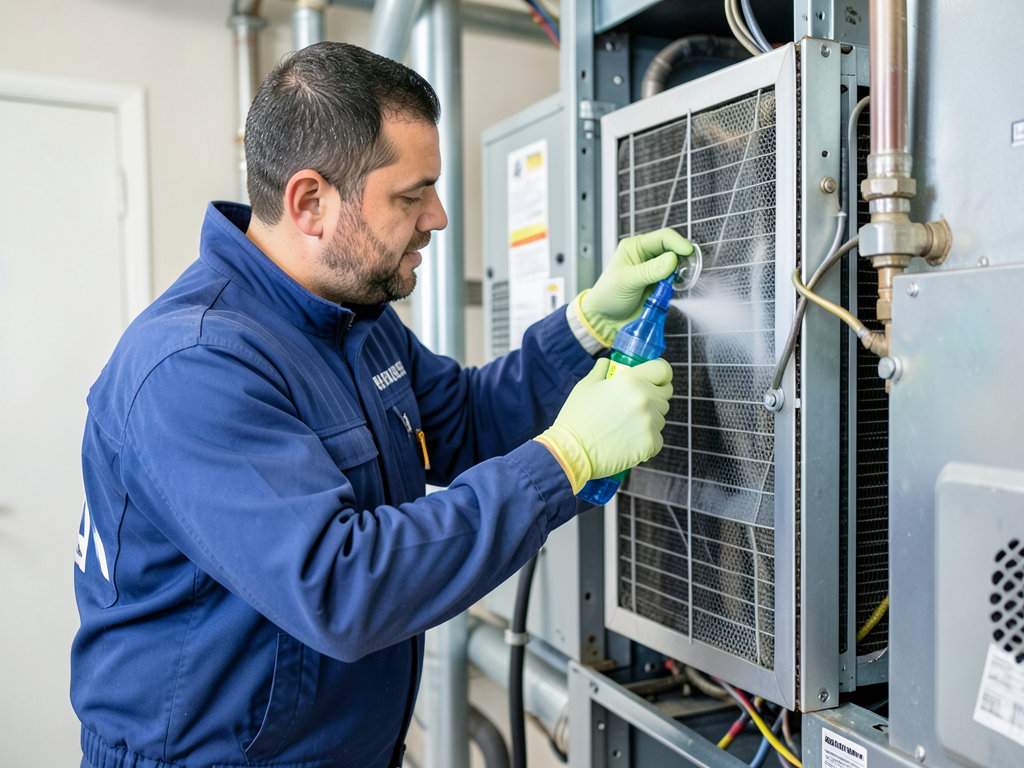
Is the ‘Dirty Sock Syndrome’ Affecting Your AC?
You may have heard of “Dirty Sock Syndrome”—a term HVAC pros use when your AC smells like a gym locker. This odor comes from bacteria and mold growing on the evaporator coil, especially when the system cycles between cooling and heating. In Observatory Circle, where many homes have mixed-use HVAC systems, this is a common complaint. The Best Heating and Cooling Solutions for Adams Morgan Condos.
The smell is caused by microbial volatile organic compounds (mVOCs) released as mold feeds on dust and skin cells trapped in the coil. If you notice the odor strongest when the AC first turns on, it’s likely Dirty Sock Syndrome. UV germicidal lights installed near the coil can kill these microbes and prevent recurrence.
According to ASHRAE Standard 62.1, proper ventilation and air cleaning are essential for indoor air quality. UV lights meet these standards by reducing biological contaminants in the airstream. ASHRAE Standard 62.1.
Health Risks: Why You Shouldn’t Ignore a Musty AC Smell
Ignoring that musty smell isn’t just about comfort—it’s about your health. Mold spores and mVOCs can trigger allergic reactions, asthma attacks, and respiratory infections. In Observatory Circle, where many homes are older and less airtight, these contaminants can spread quickly through the living space.
The CDC warns that exposure to indoor mold can cause symptoms like coughing, wheezing, and eye irritation. For people with compromised immune systems, the risks are even higher. Children and the elderly are especially vulnerable.
Beyond health, mold can corrode metal components in your HVAC system, leading to costly repairs. The longer you wait, the more extensive the contamination becomes. A professional cleaning not only removes the odor but also sanitizes the system to prevent regrowth. Getting Fast AC Repair for Your Navy Yard Apartment or Condo.
DIY Troubleshooting vs. Professional Remediation
Before calling a pro, you can perform a few checks to narrow down the source:
- Check the air filter: A clogged filter restricts airflow and traps moisture. Replace it if it’s dirty.
- Inspect the condensate drain pan: If it’s full of water or has visible mold, that’s likely the culprit.
- Smell near vents: If the odor is strongest near one vent, the problem may be isolated to that duct run.
- Look for visible mold: Check around the air handler or in the attic for black or green spots.
If these steps don’t solve the problem, it’s time to call a professional. DIY cleaning can’t reach deep into coils or ductwork, and improper handling of mold can spread spores further. Professionals use HEPA vacuums, antimicrobial treatments, and moisture meters to ensure complete removal.
According to the IICRC S520 standard, mold remediation should be performed by trained technicians to avoid cross-contamination and ensure safety.
Localized Solutions: Dealing with DC’s High Summer Humidity
Observatory Circle’s location near Rock Creek Park and the Potomac River means higher humidity levels than other parts of DC. This makes mold prevention a year-round concern. Here’s how to adapt your HVAC strategy:
- Install a whole-home dehumidifier: This works with your AC to keep humidity below 60%.
- Use programmable thermostats: Avoid frequent on/off cycling, which allows moisture to build up.
- Seal ductwork: Leaky ducts draw in humid attic or crawlspace air.
- Schedule annual maintenance: A technician can clean coils, check drains, and test humidity levels.
According to the DC Department of Energy & Environment, homes in humid zones should prioritize moisture control to improve energy efficiency and indoor air quality.
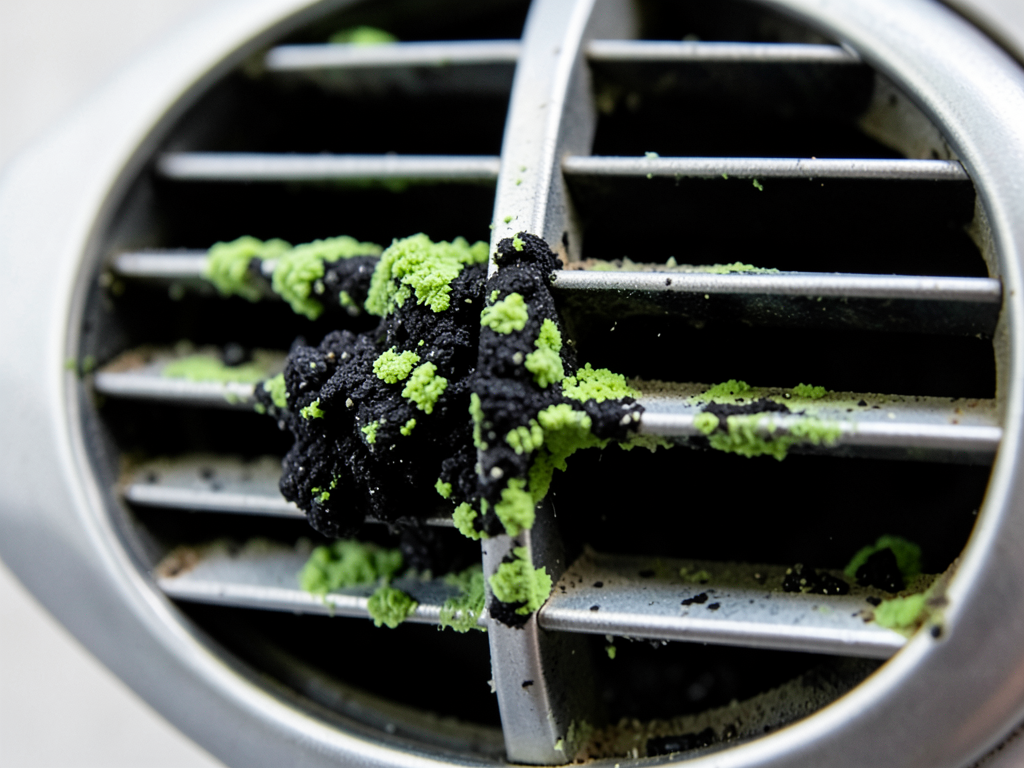
Our HVAC Mold Removal & Prevention Process
When you call (771) 218-6322, here’s what to expect:
- Inspection: We use moisture meters and borescopes to locate mold sources.
- Containment: We seal off affected areas to prevent spore spread.
- Cleaning: Coils, drain pans, and ducts are cleaned with EPA-registered antimicrobials.
- Sanitization: UV lights or HEPA filtration may be installed for ongoing protection.
- Verification: We test air quality to confirm mold levels are safe.
Our process follows industry best practices and local building codes. We also provide tips to keep your system mold-free, like changing filters monthly and keeping vents unobstructed.
According to the EPA’s guide on indoor air quality, controlling moisture is the most effective way to prevent mold growth in HVAC systems.
Cost Factors for Mold Remediation in Observatory Circle
The cost of removing mold from your vents depends on several factors:
| Factor | Impact on Cost | Typical Range |
|---|---|---|
| Extent of contamination | More mold = more labor | $500-$2,000 |
| System accessibility | Tight spaces increase time | $200-$500 |
| Additional repairs | Leaks, damaged ducts | $300-$1,000 |
| Preventive upgrades | UV lights, dehumidifiers | $400-$1,500 |
Most homeowners in Observatory Circle find that investing in prevention saves money in the long run by avoiding repeated cleanings and system damage.
Preventing Future Mold Growth in Your HVAC System
Once your system is clean, keep it that way with these habits:
- Change filters every 1-3 months: Use HEPA or high-MERV rated filters.
- Keep indoor humidity between 30-50%: Use a hygrometer to monitor levels.
- Fix leaks promptly: Roof or plumbing leaks can introduce moisture into ducts.
- Schedule bi-annual maintenance: Spring and fall checkups catch issues early.
According to the National Association of Home Builders, regular HVAC maintenance can extend system life by up to 30% and prevent costly mold problems.
Frequently Asked Questions
Why does my HVAC smell like mold only when the AC is on?
This usually means mold is growing on the cold evaporator coil. When the AC runs, condensation creates a damp environment where mold thrives. Cleaning the coil and improving drainage typically solves the issue.
Can I clean mold from my vents myself?
Surface cleaning is possible, but mold often grows deep inside ducts and coils. DIY methods can miss hidden growth and may spread spores. For safety and effectiveness, professional cleaning is recommended.
How long does mold remediation take?
Most residential jobs take 2-4 hours, depending on the extent of contamination. Severe cases may require a full day and multiple visits.
Will insurance cover mold in my HVAC?
Coverage varies by policy. Some insurers cover mold if it results from a covered peril like a burst pipe. Check your policy or call your agent for details.
How can I tell if the smell is from mold or something else?
Mold has a distinct musty, earthy odor. If the smell is more like rotten eggs or burning plastic, it could be a gas leak or electrical issue—call a professional immediately.
Call (771) 218-6322 Today to Schedule Your Inspection
Don’t let that musty smell linger in your Observatory Circle home. Mold in your vents isn’t just unpleasant—it’s a health hazard that can worsen over time. Our experienced technicians will diagnose the problem, remove the mold, and help you prevent it from coming back. Call (771) 218-6322 today to schedule your inspection and breathe easier tomorrow.
Whether you need emergency service or routine maintenance, we’re here to keep your HVAC system clean and efficient. Your comfort and safety are our top priorities.
{
“@context”: “https://schema.org”,
“@type”: “BlogPosting”,
“headline”: “Removing that musty mold smell from your Observatory Circle vents”,
“description”: “Get rid of musty mold smells in your Observatory Circle vents. Learn causes, health risks, and professional HVAC solutions for DC’s humid climate.”,
“wordCount”: 1469,
“datePublished”: “2026-05-01T14:01:00.000Z”,
“dateModified”: “2026-05-01T14:01:00.000Z”,
“inLanguage”: “en-US”,
“mainEntityOfPage”: {
“@type”: “WebPage”,
“@id”: “https://patriothvacwashingtondc.com”
},
“publisher”: {
“@type”: “LocalBusiness”,
“name”: “Patriot HVAC Washington DC”,
“url”: “https://patriothvacwashingtondc.com”
},
“author”: {
“@type”: “Organization”,
“name”: “Patriot HVAC Washington DC”,
“url”: “https://patriothvacwashingtondc.com”
},
“image”: {
“@type”: “ImageObject”,
“url”: “https://patriothvacwashingtondc.com/wp-content/uploads/2026/03/removing-that-musty-mold-smell-from-your-observato-1.png”
}
}
{
“@context”: “https://schema.org”,
“@type”: “HVACBusiness”,
“name”: “Patriot HVAC Washington DC”,
“url”: “https://patriothvacwashingtondc.com”,
“address”: {
“@type”: “PostalAddress”,
“addressLocality”: “Washington DC”
},
“areaServed”: {
“@type”: “City”,
“name”: “Washington DC”
}
}
{
“@context”: “https://schema.org”,
“@type”: “FAQPage”,
“mainEntity”: [
{
“@type”: “Question”,
“name”: “Is the ‘Dirty Sock Syndrome’ Affecting Your AC?”,
“acceptedAnswer”: {
“@type”: “Answer”,
“text”: “You may have heard of \”Dirty Sock Syndrome\”—a term HVAC pros use when your AC smells like a gym locker. This odor comes from bacteria and mold growing on the evaporator coil, especially when the system cycles between cooling and heating. In Observatory Circle, where many homes have mixed-use HVAC systems, this is a common complaint. The Best Heating and Cooling Solutions for Adams Morgan Condos.”
}
},
{
“@type”: “Question”,
“name”: “Why does my HVAC smell like mold only when the AC is on?”,
“acceptedAnswer”: {
“@type”: “Answer”,
“text”: “This usually means mold is growing on the cold evaporator coil. When the AC runs, condensation creates a damp environment where mold thrives. Cleaning the coil and improving drainage typically solves the issue.”
}
},
{
“@type”: “Question”,
“name”: “Can I clean mold from my vents myself?”,
“acceptedAnswer”: {
“@type”: “Answer”,
“text”: “Surface cleaning is possible, but mold often grows deep inside ducts and coils. DIY methods can miss hidden growth and may spread spores. For safety and effectiveness, professional cleaning is recommended.”
}
},
{
“@type”: “Question”,
“name”: “How long does mold remediation take?”,
“acceptedAnswer”: {
“@type”: “Answer”,
“text”: “Most residential jobs take 2-4 hours, depending on the extent of contamination. Severe cases may require a full day and multiple visits.”
}
},
{
“@type”: “Question”,
“name”: “Will insurance cover mold in my HVAC?”,
“acceptedAnswer”: {
“@type”: “Answer”,
“text”: “Coverage varies by policy. Some insurers cover mold if it results from a covered peril like a burst pipe. Check your policy or call your agent for details.”
}
},
{
“@type”: “Question”,
“name”: “How can I tell if the smell is from mold or something else?”,
“acceptedAnswer”: {
“@type”: “Answer”,
“text”: “Mold has a distinct musty, earthy odor. If the smell is more like rotten eggs or burning plastic, it could be a gas leak or electrical issue—call a professional immediately.”
}
}
]
}
{
“@context”: “https://schema.org”,
“@type”: “BreadcrumbList”,
“itemListElement”: [
{
“@type”: “ListItem”,
“position”: 1,
“name”: “Home”,
“item”: “https://patriothvacwashingtondc.com”
},
{
“@type”: “ListItem”,
“position”: 2,
“name”: “Blog”,
“item”: “https://patriothvacwashingtondc.com/blog”
},
{
“@type”: “ListItem”,
“position”: 3,
“name”: “Removing that musty mold smell from your Observatory Circle vents”
}
]
}
{
“@context”: “https://schema.org”,
“@type”: “Service”,
“serviceType”: “HVAC”,
“provider”: {
“@type”: “LocalBusiness”,
“name”: “Patriot HVAC Washington DC”,
“url”: “https://patriothvacwashingtondc.com”
},
“areaServed”: {
“@type”: “City”,
“name”: “Washington DC”
},
“description”: “Get rid of musty mold smells in your Observatory Circle vents. Learn causes, health risks, and professional HVAC solutions for DC’s humid climate.”
}