
Is Your HVAC Blower Motor Making Noise
Living in Foggy Bottom means dealing with Washington DC’s notorious humidity and temperature swings. When your HVAC blower motor starts making unusual sounds it’s not just annoying it could signal a serious problem. The first step is identifying what type of noise you’re hearing. A squealing sound often points to worn bearings or a loose belt. A banging or clanking noise might mean a loose part or failing motor mount. Humming or buzzing could indicate electrical issues like a failing capacitor. Understanding these sounds helps you decide whether it’s a quick fix or time to call a professional.
Identifying the Sound What Your Blower Motor is Telling You
Different noises mean different problems. Here’s how to diagnose what you’re hearing in your Foggy Bottom apartment.
Squealing or Screeching Belt and Bearing Issues
A high-pitched squeal usually means your motor’s bearings are wearing out or the drive belt needs adjustment. In DC’s humid climate moisture can accelerate bearing corrosion especially in older Foggy Bottom row homes where HVAC units often sit in damp basements or utility closets. If you hear this sound your motor is working harder than it should be and energy efficiency drops fast.
Banging or Clanking Mechanical Failure or Loose Parts
Sharp banging noises often mean something is loose inside the blower assembly. This could be a broken motor mount a loose fan blade or debris caught in the squirrel cage. In Foggy Bottom’s older buildings construction dust and debris can find their way into ductwork over years of renovations. Left unchecked these loose parts can cause catastrophic motor failure.
Humming or Buzzing Electrical Issues
A low humming or buzzing sound typically points to electrical problems. The start capacitor might be failing or there could be voltage irregularities. DC’s aging electrical infrastructure in some Foggy Bottom buildings can contribute to these issues. If the motor hums but won’t start it’s likely a capacitor problem. Replacing an Aging Furnace in Your Chevy Chase Home.
Is a Noisy Blower Motor Dangerous
Some blower motor noises are just annoying but others can be dangerous. A failing motor can overheat and potentially cause a fire especially if it’s struggling against a clogged filter or blocked vents. Electrical buzzing sounds could indicate dangerous voltage issues. If you smell burning plastic or see smoke turn off the system immediately and call for emergency service. The National Fire Protection Association reports that heating equipment is a leading cause of home fires in the US. National Fire Protection Association heating equipment safety guidelines.
DIY Fixes vs When to Call a Washington DC HVAC Specialist
Can you fix a noisy blower motor yourself? Sometimes. If it’s a loose panel or a dirty filter you might handle it. But most blower motor issues require professional tools and expertise. Here’s a quick guide:
- Safety First
Turn off power at the breaker before inspecting anything.
- Listen Carefully
Identify the type of noise and when it occurs (startup constant or shutdown).
- Check the Filter
A clogged filter forces the motor to work harder creating strain and noise.
- Inspect for Debris
Look for visible obstructions in the blower compartment.
- Call a Pro
If you hear electrical buzzing smell burning or the noise persists call (771) 218-6322.
Average Cost of Blower Motor Replacement in the DMV Area
Costs vary widely depending on the motor type and building access. In Foggy Bottom’s historic buildings labor can take longer due to tight utility closets and older construction. Here’s what to expect:
| Motor Type | Average Parts Cost | Estimated Labor (DC Area) |
|---|---|---|
| PSC (Permanent Split Capacitor) | $150-$300 | $200-$400 |
| ECM (Electronically Commutated) | $300-$600 | $250-$500 |
| Variable Speed | $400-$800 | $300-$600 |
DC’s building codes require proper disposal of old motors and compliance with EPA refrigerant handling rules if the system uses AC. A licensed technician will ensure all work meets local Title 21 regulations. EPA refrigerant handling regulations.
Frequently Asked Questions
Why does my blower motor get louder over time
Worn bearings and accumulating dirt make motors work harder. In DC’s humid climate moisture speeds up bearing wear. Regular maintenance can extend motor life by years.
Can a dirty filter cause blower motor noise
Yes. A clogged filter restricts airflow making the motor strain and creating whining or humming sounds. Change your filter every 1-3 months especially during high-use seasons.
How long should a blower motor last in Washington DC
With proper maintenance 10-15 years is typical. Harsh humidity and heavy use during DC’s hot summers can shorten lifespan. Regular cleaning and lubrication help maximize longevity. Short Cycling.
Is it worth repairing a 10-year-old blower motor
It depends on the motor type and overall system age. ECM motors are worth repairing due to efficiency gains. If your system is over 15 years old replacement might be more cost-effective long-term. Getting Fast AC Repair for Your Navy Yard Apartment or Condo.
What’s the difference between PSC and ECM motors
PSC motors are single-speed and less efficient. ECM motors are variable-speed offering better efficiency and humidity control crucial for Foggy Bottom apartments. They cost more upfront but save on energy bills.

Diagram showing common blower motor noise sources including bearings belts and electrical components.
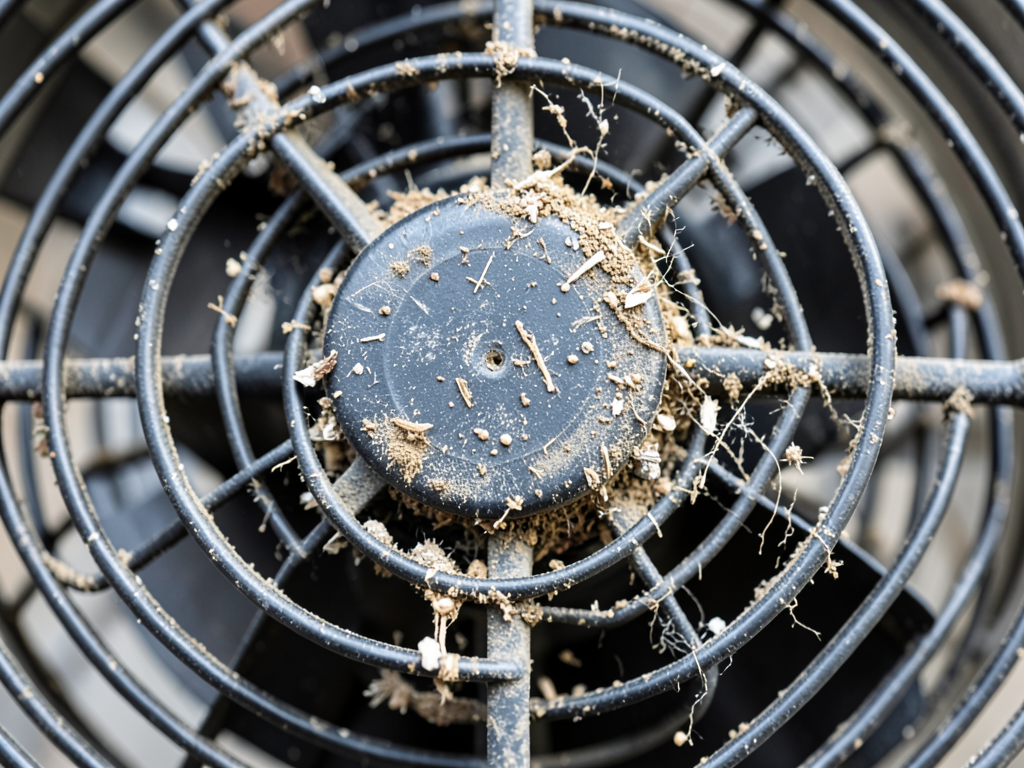
Technician inspecting a squirrel cage fan for debris and imbalance in a compact Foggy Bottom utility closet.
Close-up of a failing capacitor showing bulging and corrosion next to a healthy comparison unit.
Don’t let a noisy blower motor leave you sweating through another Washington DC summer. Strange sounds mean your system is struggling and that struggle leads to higher energy bills and potential breakdowns. If you’re hearing squealing banging or buzzing from your HVAC system in Foggy Bottom it’s time to act. Call (771) 218-6322 today to schedule your inspection. Our NATE-certified technicians understand the unique challenges of DC’s historic buildings and humid climate. We’ll diagnose the problem fast and get your system running quietly and efficiently again. Pick up the phone and call (771) 218-6322 before that small noise becomes a big expensive problem.
{
“@context”: “https://schema.org”,
“@type”: “BlogPosting”,
“headline”: “Troubleshooting Common Blower Motor Noises in Foggy Bottom Apartments”,
“description”: “Is your HVAC blower motor making strange noises? Learn how to identify the problem and when to call a DC specialist for fast repair in Foggy Bottom apartments.”,
“wordCount”: 998,
“datePublished”: “2026-05-26T13:51:00.000Z”,
“dateModified”: “2026-05-26T13:51:00.000Z”,
“inLanguage”: “en-US”,
“mainEntityOfPage”: {
“@type”: “WebPage”,
“@id”: “https://patriothvacwashingtondc.com”
},
“publisher”: {
“@type”: “LocalBusiness”,
“name”: “Patriot HVAC Washington DC”,
“url”: “https://patriothvacwashingtondc.com”
},
“author”: {
“@type”: “Organization”,
“name”: “Patriot HVAC Washington DC”,
“url”: “https://patriothvacwashingtondc.com”
},
“image”: {
“@type”: “ImageObject”,
“url”: “https://patriothvacwashingtondc.com/wp-content/uploads/2026/03/troubleshooting-common-blower-motor-noises-in-fogg-1.png”
}
}
{
“@context”: “https://schema.org”,
“@type”: “HVACBusiness”,
“name”: “Patriot HVAC Washington DC”,
“url”: “https://patriothvacwashingtondc.com”,
“address”: {
“@type”: “PostalAddress”,
“addressLocality”: “Washington DC”
},
“areaServed”: {
“@type”: “City”,
“name”: “Washington DC”
}
}
{
“@context”: “https://schema.org”,
“@type”: “HowTo”,
“name”: “Diagnosing Blower Motor Noises”,
“step”: [
{
“@type”: “HowToStep”,
“position”: 1,
“name”: “Safety First”,
“text”: “Turn off power at the breaker before inspecting anything.”
},
{
“@type”: “HowToStep”,
“position”: 2,
“name”: “Listen Carefully”,
“text”: “Identify the type of noise and when it occurs (startup constant or shutdown).”
},
{
“@type”: “HowToStep”,
“position”: 3,
“name”: “Check the Filter”,
“text”: “A clogged filter forces the motor to work harder creating strain and noise.”
},
{
“@type”: “HowToStep”,
“position”: 4,
“name”: “Inspect for Debris”,
“text”: “Look for visible obstructions in the blower compartment.”
},
{
“@type”: “HowToStep”,
“position”: 5,
“name”: “Call a Pro”,
“text”: “If you hear electrical buzzing smell burning or the noise persists call (771) 218-6322.”
}
],
“image”: “https://patriothvacwashingtondc.com/wp-content/uploads/2026/03/troubleshooting-common-blower-motor-noises-in-fogg-1.png”
}
{
“@context”: “https://schema.org”,
“@type”: “BreadcrumbList”,
“itemListElement”: [
{
“@type”: “ListItem”,
“position”: 1,
“name”: “Home”,
“item”: “https://patriothvacwashingtondc.com”
},
{
“@type”: “ListItem”,
“position”: 2,
“name”: “Blog”,
“item”: “https://patriothvacwashingtondc.com/blog”
},
{
“@type”: “ListItem”,
“position”: 3,
“name”: “Troubleshooting Common Blower Motor Noises in Foggy Bottom Apartments”
}
]
}
{
“@context”: “https://schema.org”,
“@type”: “Service”,
“serviceType”: “HVAC”,
“provider”: {
“@type”: “LocalBusiness”,
“name”: “Patriot HVAC Washington DC”,
“url”: “https://patriothvacwashingtondc.com”
},
“areaServed”: {
“@type”: “City”,
“name”: “Washington DC”
},
“description”: “Is your HVAC blower motor making strange noises? Learn how to identify the problem and when to call a DC specialist for fast repair in Foggy Bottom apartments.”
}