
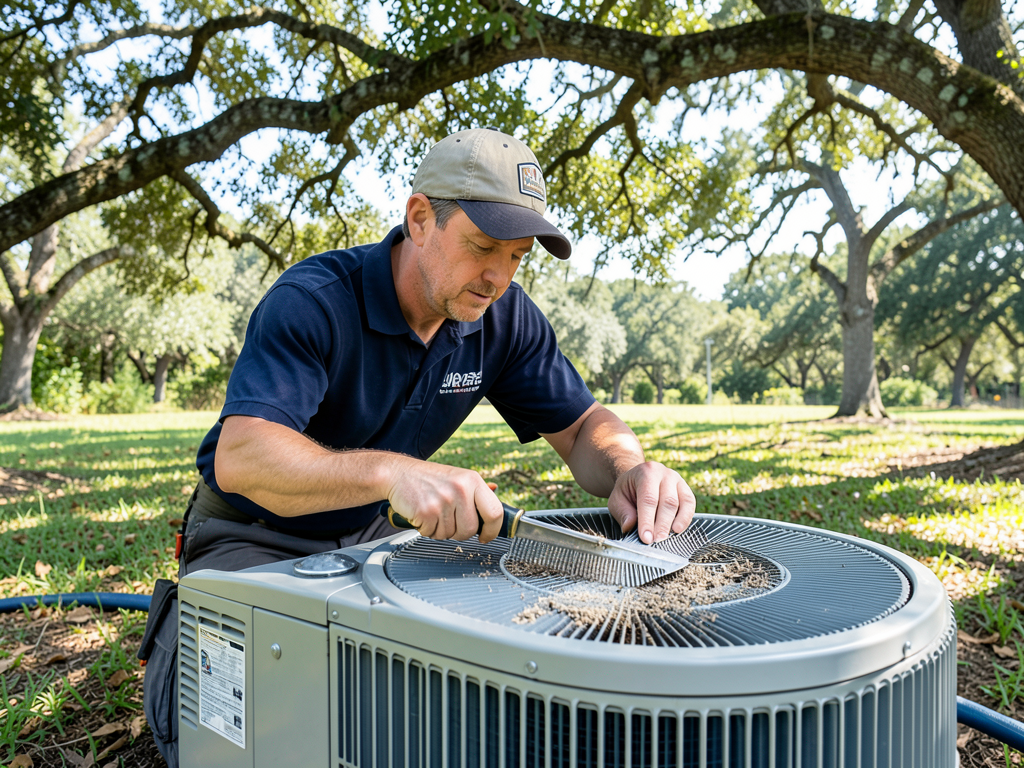
Protecting your Spring Valley HVAC system from heavy leaf fall and debris
Living in Spring Valley means enjoying mature trees and lush greenery but those beautiful trees can cause serious problems for your outdoor HVAC unit. Leaves twigs pine needles and other organic debris collect around your condenser creating airflow restrictions that reduce efficiency and can lead to costly repairs. The dense canopy common in Spring Valley neighborhoods like those near the Dalecarlia Reservoir and along Nebraska Avenue means your system faces unique challenges that require specific maintenance strategies. Getting Fast AC Repair for Your Navy Yard Apartment or Condo.
Why Spring Valley properties need specialized HVAC care
Spring Valley sits in a microclimate where heavy tree canopy creates conditions that stress outdoor HVAC equipment. The area’s mature oaks maples and tulip poplars drop leaves continuously from September through December creating a constant battle against debris buildup. This is especially true near Rock Creek Park where wind patterns carry leaves directly onto units. The combination of high humidity and organic matter creates the perfect environment for mold growth on condenser coils which can reduce efficiency by up to 30 percent according to the Environmental Protection Agency’s Energy Star program.. Read more about How to stop outdoor AC noise from ruining your Burleith patio nights.
The soil composition in Spring Valley which includes clay-rich Piedmont soil affects how water drains around your unit. Poor drainage combined with falling leaves creates a moist environment where debris sticks to coils rather than blowing away naturally. This is a problem unique to wooded DC neighborhoods that homeowners in more open areas simply don’t face.
The top 4 threats to AC units under tree canopy
1. Organic debris (leaves pine needles and twigs)
Leaves and pine needles create the most visible problem clogging the top grille and settling between coil fins. Pine needles are particularly problematic because they contain resin that acts like glue when wet causing debris to stick rather than wash away. Twigs and small branches can get lodged in the fan blade creating noise and potential damage. The DC area’s oak and maple trees produce leaves with high tannin content which can stain and corrode aluminum fins over time.. Read more about How 16th Street Heights trees actually help (and hurt) your air conditioner.
2. Higher humidity and biological growth
Spring Valley’s proximity to the Potomac River and its low-lying areas means higher ambient humidity year-round. When this moisture combines with trapped organic debris it creates an ideal breeding ground for mold and mildew on condenser coils. The DC Department of Energy and Environment notes that humidity levels above 60 percent significantly accelerate biological growth on outdoor equipment. This growth acts like insulation reducing heat transfer and forcing your system to work harder.. Read more about Creative ways to hide your outdoor AC unit in a Colonial Village backyard.
3. Pest infestations and nesting
Rodents and insects see your protected HVAC unit as prime real estate especially during DC’s cold winters. Squirrels chipmunks and field mice commonly nest in the space beneath the unit using collected leaves and debris for insulation. These pests chew through wiring and refrigerant lines causing expensive damage. The National Pest Management Association reports that rodent damage to HVAC systems costs homeowners millions annually with DC’s wooded suburbs being high-risk zones. National Pest Management Association.
4. Acidic sap and pollen corrosion
Spring Valley’s flowering trees including cherry blossoms and magnolias produce sap and pollen that coat condenser coils. This sticky residue attracts more debris and creates an acidic environment that corrodes aluminum fins. The DC area’s famous cherry blossom season in late March to early April coincides with the start of cooling season meaning your unit gets coated just when you need it most. Pollen grains are microscopic but accumulate quickly creating a fine yellow dust that blocks airflow. The Best Heating and Cooling Solutions for Adams Morgan Condos.
The ‘Wooded Lot’ maintenance checklist
Protecting your Spring Valley HVAC system requires a proactive approach. Here’s a comprehensive checklist to keep your unit running efficiently despite the leafy surroundings:
- Clear the 2-foot zone
Maintain at least 2 feet of clearance around all sides of your outdoor unit. This means regularly removing fallen leaves pine needles and twigs from this zone. Use a leaf blower on low setting to avoid damaging delicate coil fins.
- Clean condenser coils quarterly
Remove the top grille and gently clean between coil fins using a soft brush and coil cleaner. This prevents organic buildup that restricts airflow. Never use high-pressure water as it can bend fins and reduce efficiency.
- Check drainage regularly
Ensure the area around your unit drains properly. Spring Valley’s clay soil can create standing water that accelerates corrosion. Consider installing a gravel bed beneath the unit if drainage is poor.
- Inspect for pest activity monthly
Look for signs of rodent nesting such as collected leaves twigs or disturbed mulch around the base. Check wiring for chew marks and listen for unusual noises that might indicate pests inside the unit.
- Schedule professional cleaning twice yearly
Have a certified technician perform deep cleaning in early spring before cooling season and late fall after leaf drop. This includes chemical coil cleaning and checking for corrosion.
Seasonal timing: when to schedule service in the DMV area
The DC metro area’s distinct seasons create specific maintenance windows for wooded properties. Early spring (March to early April) is critical for removing winter debris and addressing any damage from freezing temperatures. This timing also prepares your system before the heavy pollen season hits. Late fall (November) service removes accumulated leaves and prepares the unit for winter when organic matter can trap moisture and cause freeze damage.. Read more about Is a yearly HVAC maintenance plan actually worth the money for DC homeowners?.
Summer maintenance should focus on checking for biological growth which thrives in DC’s hot humid conditions. The National Weather Service reports that DC averages 114 days per year with humidity above 70 percent creating ideal conditions for mold on outdoor equipment. Mid-summer is also when pollen counts peak from oak and pine trees common in Spring Valley.. Read more about Getting Your AC Ready for a D.C. Summer (Maintenance Tips for Takoma Park).
Winter preparation includes securing the unit against snow and ice while ensuring proper airflow. Never wrap your entire unit in plastic as this traps moisture and creates a perfect environment for corrosion. Instead use a breathable cover only on top to prevent leaf accumulation while allowing sides to remain open.
Professional solutions for forest-adjacent homes
While DIY maintenance helps professional service provides the deep cleaning and inspection needed to protect your investment. A certified HVAC technician uses specialized tools like fin combs to straighten bent coils and commercial-grade coil cleaners that remove stubborn organic buildup without damaging components. They also check refrigerant levels which can be affected by corrosion from acidic leaf matter.
Professional service includes inspecting electrical connections which rodents often damage by chewing through wire insulation. Technicians can identify early signs of corrosion and recommend protective treatments specific to your unit’s exposure level. The Air Conditioning Contractors of America recommends professional maintenance at least twice yearly for units in high-debris environments.
Consider installing protective screens over your unit’s top grille. These commercial-grade filters block large debris while allowing proper airflow. However they require more frequent cleaning themselves so factor this into your maintenance schedule. Some Spring Valley homeowners install elevated pads to improve drainage and reduce debris contact though this must comply with DC building codes regarding unit placement and clearance.
Energy efficiency impact of debris buildup
Debris accumulation directly impacts your energy bills. The Department of Energy states that dirty condenser coils can increase energy consumption by 30 to 37 percent. For a typical Spring Valley home this could mean an extra $30 to $50 per month during peak cooling season. Restricted airflow also causes your system to run longer cycles reducing its lifespan by an estimated 2 to 3 years according to HVAC industry studies.
The efficiency loss compounds over time. A unit operating at 70 percent efficiency due to debris buildup must run 43 percent longer to achieve the same cooling as a clean unit. This increased runtime not only costs more but also creates additional wear on compressors and fans. The EPA’s Energy Star program specifically identifies organic debris as a leading cause of preventable efficiency loss in wooded areas. EPA’s Energy Star program.
Regular maintenance preserves your system’s SEER rating. A 16 SEER unit operating with restricted airflow might effectively perform at 10 to 11 SEER costing significantly more to operate. This efficiency penalty is especially noticeable in Spring Valley where mature trees create year-round debris challenges unlike more open suburban areas.
Protecting your investment in Spring Valley’s unique environment
Spring Valley’s beautiful tree canopy comes with responsibility for homeowners who want to protect their HVAC systems. The combination of mature hardwoods year-round humidity and the area’s specific soil conditions creates maintenance needs that generic advice simply doesn’t address. Understanding these local factors helps you develop a maintenance strategy that keeps your system efficient and reliable. Finding Reliable Emergency AC Repair in Capitol Hill DC During a Heatwave.
The investment in proper maintenance pays off through lower energy bills fewer repairs and longer equipment life. For Spring Valley residents this means scheduling more frequent professional cleanings than standard recommendations suggest. It also means staying vigilant about the 2-foot clearance zone which can shrink quickly during fall leaf drop. Fast Furnace Repair Services for Families in Chevy Chase DC.
Remember that your HVAC system represents a significant investment often $5000 to $10000 for a complete outdoor unit. Protecting this investment through proper maintenance in your wooded environment ensures comfort efficiency and reliability for years to come. The unique challenges of Spring Valley require a unique approach to HVAC care.
Frequently Asked Questions
How often should I clean around my outdoor HVAC unit in Spring Valley?
Clean the 2-foot zone around your unit weekly during heavy leaf fall seasons (September through December) and monthly during other seasons. Check more frequently if you have pine trees nearby as needles fall continuously.
Can I use a pressure washer to clean my condenser coils?
No pressure washers damage delicate coil fins and can void your warranty. Use a garden hose on gentle spray setting or better yet have a professional use specialized coil cleaning equipment that won’t harm components.
What are signs that debris is affecting my system’s performance?
Signs include longer cooling cycles higher energy bills ice formation on coils and unusual noises from the outdoor unit. If your system runs constantly but doesn’t cool effectively debris buildup is likely the cause.
Should I cover my unit during winter in Spring Valley?
Only cover the top with a breathable material to prevent leaf accumulation. Never wrap the entire unit as this traps moisture and creates corrosion problems. The sides should remain open for proper airflow.
How much does professional cleaning cost for wooded properties?
Professional cleaning for units in high-debris environments typically costs $150 to $300 depending on the level of buildup and whether chemical treatments are needed. This is higher than standard service due to the additional work required.
Call (771) 218-6322 today to schedule your inspection. Our technicians understand the unique challenges of Spring Valley’s wooded environment and provide thorough cleaning that protects your system year-round. Don’t wait until debris causes expensive damage pick up the phone and call (771) 218-6322 before the next storm hits.
{
“@context”: “https://schema.org”,
“@type”: “BlogPosting”,
“headline”: “Protecting your Spring Valley HVAC system from heavy leaf fall and debris”,
“description”: “Heavy leaf fall and debris can damage your Spring Valley HVAC system. Learn local maintenance tips to protect your unit from organic buildup and ensure efficient operation.”,
“wordCount”: 1845,
“datePublished”: “2026-04-08T09:15:00.000Z”,
“dateModified”: “2026-04-08T09:15:00.000Z”,
“inLanguage”: “en-US”,
“mainEntityOfPage”: {
“@type”: “WebPage”,
“@id”: “https://patriothvacwashingtondc.com”
},
“publisher”: {
“@type”: “LocalBusiness”,
“name”: “Patriot HVAC Washington DC”,
“url”: “https://patriothvacwashingtondc.com”
},
“author”: {
“@type”: “Organization”,
“name”: “Patriot HVAC Washington DC”,
“url”: “https://patriothvacwashingtondc.com”
},
“image”: {
“@type”: “ImageObject”,
“url”: “https://patriothvacwashingtondc.com/wp-content/uploads/2026/03/protecting-your-spring-valley-hvac-system-from-hea-1.png”
}
}
{
“@context”: “https://schema.org”,
“@type”: “HVACBusiness”,
“name”: “Patriot HVAC Washington DC”,
“url”: “https://patriothvacwashingtondc.com”,
“address”: {
“@type”: “PostalAddress”,
“addressLocality”: “Washington DC”
},
“areaServed”: {
“@type”: “City”,
“name”: “Washington DC”
}
}
{
“@context”: “https://schema.org”,
“@type”: “FAQPage”,
“mainEntity”: [
{
“@type”: “Question”,
“name”: “How often should I clean around my outdoor HVAC unit in Spring Valley?”,
“acceptedAnswer”: {
“@type”: “Answer”,
“text”: “Clean the 2-foot zone around your unit weekly during heavy leaf fall seasons (September through December) and monthly during other seasons. Check more frequently if you have pine trees nearby as needles fall continuously.”
}
},
{
“@type”: “Question”,
“name”: “Can I use a pressure washer to clean my condenser coils?”,
“acceptedAnswer”: {
“@type”: “Answer”,
“text”: “No pressure washers damage delicate coil fins and can void your warranty. Use a garden hose on gentle spray setting or better yet have a professional use specialized coil cleaning equipment that won’t harm components.”
}
},
{
“@type”: “Question”,
“name”: “What are signs that debris is affecting my system’s performance?”,
“acceptedAnswer”: {
“@type”: “Answer”,
“text”: “Signs include longer cooling cycles higher energy bills ice formation on coils and unusual noises from the outdoor unit. If your system runs constantly but doesn’t cool effectively debris buildup is likely the cause.”
}
},
{
“@type”: “Question”,
“name”: “Should I cover my unit during winter in Spring Valley?”,
“acceptedAnswer”: {
“@type”: “Answer”,
“text”: “Only cover the top with a breathable material to prevent leaf accumulation. Never wrap the entire unit as this traps moisture and creates corrosion problems. The sides should remain open for proper airflow.”
}
},
{
“@type”: “Question”,
“name”: “How much does professional cleaning cost for wooded properties?”,
“acceptedAnswer”: {
“@type”: “Answer”,
“text”: “Professional cleaning for units in high-debris environments typically costs $150 to $300 depending on the level of buildup and whether chemical treatments are needed. This is higher than standard service due to the additional work required.”
}
}
]
}
{
“@context”: “https://schema.org”,
“@type”: “HowTo”,
“name”: “HVAC Maintenance for Wooded Properties”,
“step”: [
{
“@type”: “HowToStep”,
“position”: 1,
“name”: “Clear the 2-foot zone”,
“text”: “Maintain at least 2 feet of clearance around all sides of your outdoor unit. This means regularly removing fallen leaves pine needles and twigs from this zone. Use a leaf blower on low setting to avoid damaging delicate coil fins.”
},
{
“@type”: “HowToStep”,
“position”: 2,
“name”: “Clean condenser coils quarterly”,
“text”: “Remove the top grille and gently clean between coil fins using a soft brush and coil cleaner. This prevents organic buildup that restricts airflow. Never use high-pressure water as it can bend fins and reduce efficiency.”
},
{
“@type”: “HowToStep”,
“position”: 3,
“name”: “Check drainage regularly”,
“text”: “Ensure the area around your unit drains properly. Spring Valley’s clay soil can create standing water that accelerates corrosion. Consider installing a gravel bed beneath the unit if drainage is poor.”
},
{
“@type”: “HowToStep”,
“position”: 4,
“name”: “Inspect for pest activity monthly”,
“text”: “Look for signs of rodent nesting such as collected leaves twigs or disturbed mulch around the base. Check wiring for chew marks and listen for unusual noises that might indicate pests inside the unit.”
},
{
“@type”: “HowToStep”,
“position”: 5,
“name”: “Schedule professional cleaning twice yearly”,
“text”: “Have a certified technician perform deep cleaning in early spring before cooling season and late fall after leaf drop. This includes chemical coil cleaning and checking for corrosion.”
}
],
“image”: “https://patriothvacwashingtondc.com/wp-content/uploads/2026/03/protecting-your-spring-valley-hvac-system-from-hea-1.png”
}
{
“@context”: “https://schema.org”,
“@type”: “BreadcrumbList”,
“itemListElement”: [
{
“@type”: “ListItem”,
“position”: 1,
“name”: “Home”,
“item”: “https://patriothvacwashingtondc.com”
},
{
“@type”: “ListItem”,
“position”: 2,
“name”: “Blog”,
“item”: “https://patriothvacwashingtondc.com/blog”
},
{
“@type”: “ListItem”,
“position”: 3,
“name”: “Protecting your Spring Valley HVAC system from heavy leaf fall and debris”
}
]
}
{
“@context”: “https://schema.org”,
“@type”: “Service”,
“serviceType”: “HVAC”,
“provider”: {
“@type”: “LocalBusiness”,
“name”: “Patriot HVAC Washington DC”,
“url”: “https://patriothvacwashingtondc.com”
},
“areaServed”: {
“@type”: “City”,
“name”: “Washington DC”
},
“description”: “Heavy leaf fall and debris can damage your Spring Valley HVAC system. Learn local maintenance tips to protect your unit from organic buildup and ensure efficient operation.”
}