
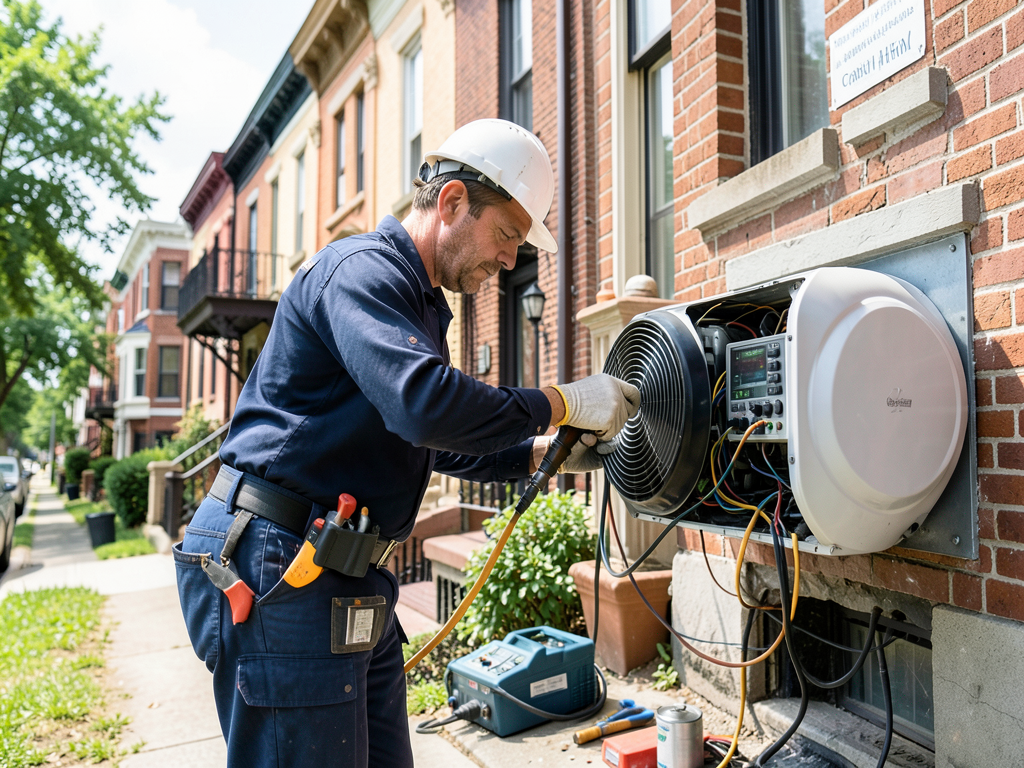
Finding Reliable Emergency AC Repair in Capitol Hill DC During a Heatwave
When your air conditioning fails during a Washington DC heatwave, every minute counts. Capitol Hill’s historic row houses and older mechanical systems create unique cooling challenges that require immediate attention from technicians who understand the neighborhood’s specific infrastructure. DC Department of Licensing.
Capitol Hill residents face a dual threat during summer months. The area’s dense urban layout traps heat, while many homes built before 1950 contain aging HVAC systems that struggle with modern cooling demands. When temperatures soar above 95°F, these systems often fail at the worst possible moment.
Why Capitol Hill AC Emergencies Require Specialized Response
Capitol Hill’s historic district designation creates constraints that generic HVAC companies cannot navigate. The DC Historic Preservation Office limits exterior modifications, meaning condenser units must fit within existing architectural elements. Many row houses have limited outdoor space, forcing creative installation solutions that only experienced local technicians understand.
The neighborhood’s electrical infrastructure adds another layer of complexity. Eastern Market and Barracks Row areas often have older wiring that cannot support modern high-efficiency systems without upgrades. During heatwaves, power fluctuations from the Pepco grid can trigger system failures that require immediate diagnostic expertise.
Common AC Emergency Scenarios in Capitol Hill Homes
Frozen evaporator coils represent the most frequent emergency call. Capitol Hill’s high humidity levels cause moisture to accumulate on cooling coils, eventually forming ice that blocks airflow. The diagnostic process involves checking refrigerant levels, airflow restrictions, and thermostat calibration within the home’s unique architectural constraints.
Refrigerant leaks create another urgent situation. Many Capitol Hill homes use R-22 systems that are no longer manufactured. When leaks occur, technicians must source reclaimed refrigerant or recommend system upgrades while maintaining the home’s historic character. The EPA’s refrigerant handling regulations require certified technicians for these repairs. EPA Section 608 Certification.
Electrical component failures often happen during peak demand. Capitol Hill’s older electrical panels may not handle the startup surge from modern AC compressors. This creates a cascading failure where the system trips breakers repeatedly until major components burn out.
DC Building Codes Affecting Emergency Repairs
The District of Columbia Mechanical Code requires specific ventilation standards for historic buildings undergoing HVAC modifications. Section 501.3 mandates that any system replacement must maintain or improve the building’s original ventilation characteristics. This means emergency repairs cannot simply install the largest available unit without considering historic preservation requirements.
Energy efficiency standards in DC require minimum SEER ratings for new installations. During emergencies, technicians must balance the urgency of restoring cooling with compliance to Title 10 Energy Conservation Code requirements. This often means carrying multiple system sizes to match the building’s thermal characteristics.
What to Expect During an Emergency AC Service Call
Professional emergency technicians arrive with fully stocked vehicles containing common replacement parts for Capitol Hill’s most prevalent systems. The diagnostic process begins with checking thermostat operation, then moves to electrical connections, capacitor testing, and finally compressor evaluation. Each step follows a systematic approach that eliminates guesswork.
Response times matter during heatwaves. Traffic congestion around Union Station and the Capitol complex can delay arrival, so reputable companies dispatch from nearby locations like Navy Yard or H Street Corridor to minimize delays. Most emergency calls receive service within 90-120 minutes of initial contact.
During the diagnostic phase, technicians use thermal imaging cameras to identify hot spots in electrical panels and airflow obstructions in ductwork. This technology helps pinpoint problems that traditional methods might miss, especially in Capitol Hill’s older homes with complex mechanical layouts.
Verifying HVAC Contractor Credentials in DC
Washington DC requires HVAC contractors to hold specific licenses through the Department of Licensing and Consumer Protection. The DC Master HVAC license ensures technicians understand local building codes, historic preservation requirements, and safety regulations unique to the District.
NATE certification demonstrates technical competence beyond basic licensing. Technicians with North American Technician Excellence credentials have passed rigorous testing on system diagnostics, refrigerant handling, and electrical troubleshooting. This certification becomes critical during emergency situations where misdiagnosis wastes precious cooling time.
EPA Section 608 certification is mandatory for any technician handling refrigerants. During heatwaves, improper refrigerant handling can damage systems further and create environmental hazards. Certified technicians follow strict protocols for leak detection, recovery, and disposal.
Cost Factors for Emergency AC Repairs in Capitol Hill
Emergency service calls typically include a diagnostic fee plus parts and labor. Capitol Hill’s older systems often require specialized components that cost more than standard replacements. The limited availability of parts for historic systems can drive prices higher during peak demand periods.
Flat-rate pricing protects homeowners from escalating costs during extended repairs. Reputable companies provide upfront estimates before beginning work, allowing customers to make informed decisions about repair versus replacement. This transparency becomes especially important when dealing with elderly residents or families with young children during heatwaves.
Insurance coverage varies for AC emergencies. Some homeowner policies cover mechanical failures if they result from covered perils like electrical surges. However, normal wear and tear typically falls outside coverage, making preventive maintenance crucial for avoiding costly emergency repairs.
Preventive Measures to Avoid AC Emergencies
Regular maintenance prevents most emergency situations. Annual tune-ups include cleaning coils, checking refrigerant levels, testing electrical connections, and calibrating thermostats. These services cost significantly less than emergency repairs and extend system lifespan by 3-5 years.
Smart thermostats provide early warning of system problems. These devices monitor runtime patterns and can alert homeowners to unusual behavior before complete failure occurs. During heatwaves, this early detection allows scheduling repairs during cooler periods rather than emergency situations.
Air filter replacement every 30-60 days prevents airflow restrictions that lead to frozen coils. Capitol Hill’s urban environment creates more dust and debris than suburban areas, making frequent filter changes essential for system reliability.
24/7 Emergency Response Capabilities
Reliable emergency services operate 24 hours daily, including weekends and holidays. Heatwaves do not follow business schedules, and system failures often occur during the hottest parts of the day when cooling demand peaks. Companies with true 24/7 capabilities maintain on-call technicians ready to respond immediately.
Dispatch systems track technician locations and availability in real-time. This technology ensures the closest available technician responds to each emergency, minimizing wait times. GPS tracking also provides accurate arrival estimates, reducing customer anxiety during stressful situations.
Communication protocols keep customers informed throughout the repair process. Technicians provide status updates, explain findings clearly, and discuss repair options before proceeding. This transparency builds trust during emergency situations when customers feel most vulnerable.
Comparing Emergency Repair Options in Capitol Hill
| Service Provider Type | Response Time | Local Knowledge | Cost Range |
|---|---|---|---|
| National Chain | 2-4 hours | Limited | $350-600 |
| Local Independent | 1-2 hours | Extensive | $250-500 |
| Specialized Historic | 90 minutes | Expert | $300-550 |
Red Flags to Avoid When Choosing Emergency Service
Companies that cannot provide license numbers or EPA certification credentials should be avoided. These documents prove legal compliance and technical competence. Any reputable company willingly shares this information when requested.
Extremely low prices often indicate inexperienced technicians or inferior parts. Emergency repairs require immediate availability, which costs more than scheduled maintenance. Companies offering suspiciously cheap emergency service may cut corners or lack proper insurance coverage.
Lack of physical business address in DC suggests out-of-state operations that may not understand local codes or historic preservation requirements. These companies often charge travel fees and may lack proper DC licensing.
Preparing for Future Heatwaves
Creating an emergency plan before problems occur saves valuable time during actual emergencies. This includes identifying reliable service providers, understanding basic system troubleshooting, and knowing when to call for professional help versus attempting DIY solutions.
Keeping emergency contact information readily available prevents delays during crises. Store phone numbers in mobile devices and post them near thermostats or electrical panels. Include after-hours numbers since emergencies rarely occur during business hours.
Understanding basic AC operation helps communicate effectively with technicians. Knowing whether the system is completely dead, blowing warm air, or making unusual noises provides valuable diagnostic information that speeds repairs.
Capitol Hill’s Unique Cooling Challenges
The neighborhood’s brick construction absorbs and radiates heat, creating higher indoor temperatures than newer construction. This thermal mass effect means cooling systems must work harder and longer to achieve comfortable temperatures, especially in upper floors of multi-story row houses.
Many Capitol Hill homes lack modern insulation, allowing heat to penetrate through walls and ceilings. This creates uneven cooling where lower floors feel comfortable while upper levels remain hot. Emergency repairs must address these architectural limitations rather than simply replacing components.
Limited outdoor space for condenser placement creates airflow restrictions that reduce system efficiency. Technicians must optimize existing installations rather than recommending ideal placements that may violate historic preservation guidelines.
Emergency AC Repair Success Stories in Capitol Hill
A recent heatwave emergency involved a 1920s row house near Lincoln Park where the main breaker kept tripping. The technician discovered aluminum wiring degradation creating resistance that caused the compressor to draw excessive current. The repair required replacing the breaker and installing a hard-start kit to reduce startup surge.
Another case involved a historic home on East Capitol Street where the evaporator coil froze solid. The diagnostic revealed a clogged filter and low refrigerant charge. The technician cleaned the system, replaced the filter, and topped off refrigerant using reclaimed R-22, restoring cooling within two hours.
A commercial building near Navy Yard experienced complete system failure during a critical business period. The emergency response involved bringing in portable cooling units while diagnosing the main system, allowing business operations to continue during repairs.
Technology Advancements in Emergency Diagnostics
Modern diagnostic tools include digital manifold gauges that connect to smartphones for real-time pressure analysis. These devices help technicians identify problems faster and more accurately than traditional analog gauges, reducing diagnostic time during emergencies.
Thermal imaging cameras detect electrical hot spots, refrigerant leaks, and airflow restrictions without invasive testing. This technology proves especially valuable in Capitol Hill’s older homes where access to mechanical components may be limited by architectural constraints.
Cloud-based inventory systems allow technicians to check parts availability in real-time. During emergencies, this prevents delays waiting for special orders and ensures the closest available technician has the necessary components to complete repairs on the first visit.
Environmental Considerations During Emergency Repairs
Proper refrigerant handling protects the environment and complies with EPA regulations. Technicians must recover and recycle refrigerants rather than venting them to atmosphere. This requirement adds complexity to emergency repairs but ensures environmental compliance.
Energy efficiency improvements during emergency repairs can reduce future cooling costs. This might include sealing duct leaks, adding insulation, or upgrading to more efficient components when replacement becomes necessary. These upgrades provide long-term value beyond immediate emergency resolution.
Recycling old components prevents landfill waste. Reputable companies properly dispose of or recycle old compressors, motors, and other components, supporting environmental sustainability while complying with local disposal regulations.
Building Long-Term Relationships with HVAC Contractors
Establishing relationships with reliable HVAC contractors before emergencies occur provides peace of mind and faster response times. Regular maintenance customers often receive priority service during emergencies, reducing wait times when cooling failures occur.
Understanding your system’s history helps technicians diagnose problems faster. Keep records of past repairs, maintenance schedules, and any modifications to your HVAC system. This information proves invaluable during emergency diagnostics.
Communication preferences matter during emergencies. Some customers prefer detailed technical explanations while others want quick solutions. Establishing these preferences with your contractor ensures effective communication during stressful situations.
When to Consider System Replacement vs. Repair
System age significantly impacts repair decisions. Most AC systems last 12-15 years in Capitol Hill’s demanding climate. If your system is approaching this age and requires major repairs, replacement often proves more cost-effective than emergency fixes.
Repair frequency indicates system reliability. Multiple repairs within a single cooling season suggest underlying problems that may not be worth fixing. Modern systems offer better efficiency and reliability than 15-year-old equipment.
Energy costs factor into replacement decisions. Older systems often operate at 60-70% efficiency compared to modern units at 80-95% efficiency. The energy savings from replacement can offset the initial investment within 3-5 years.
Emergency AC Repair Cost Breakdown
| Repair Category | Average Cost | Time Required |
|---|---|---|
| Basic Diagnostics | $75-150 | 30-60 minutes |
| Capacitor Replacement | $200-350 | 45-90 minutes |
| Refrigerant Recharge | $250-500 | 60-120 minutes |
| Compressor Replacement | $1,200-2,500 | 3-6 hours |
| Complete System Replacement | $4,000-12,000 | 1-2 days |
Emergency Preparedness Checklist
- Research and save contact information for 2-3 reliable HVAC contractors
- Keep basic troubleshooting guide accessible near thermostat
- Maintain records of system age, model numbers, and past repairs
- Have portable fans available for temporary cooling during outages
- Know location of main electrical panel and how to reset breakers
- Keep emergency kit with flashlights, batteries, and water bottles
Frequently Asked Questions
How quickly can emergency AC repair arrive in Capitol Hill?
Most reputable emergency HVAC services in Capitol Hill can arrive within 90-120 minutes during regular service hours. After-hours response may take 2-4 hours depending on call volume and traffic conditions around the Capitol complex.
What should I do while waiting for emergency AC repair?
Close blinds and curtains to block sunlight, use portable fans to circulate air, stay hydrated, and avoid using heat-generating appliances. If you have vulnerable family members, consider temporary relocation to air-conditioned locations like libraries or shopping centers.
Are emergency AC repairs more expensive than regular service?
Yes, emergency repairs typically cost 25-50% more than scheduled service due to after-hours labor rates, immediate parts availability requirements, and the urgency of response. However, the cost of emergency service is often less than the damage caused by prolonged system failure.
Can I prevent AC emergencies during heatwaves?
Regular maintenance is the best prevention. Annual tune-ups, monthly filter changes, and addressing minor issues before they become major problems significantly reduce emergency repair needs. Smart thermostats can also provide early warnings of developing issues.
What certifications should I look for in emergency AC technicians?
Look for EPA Section 608 certification for refrigerant handling, NATE certification for technical competence, and DC Master HVAC licensing for local code compliance. These credentials ensure technicians have the training and legal authority to perform emergency repairs safely and effectively.
Conclusion
Finding reliable emergency AC repair in Capitol Hill DC during a heatwave requires preparation, knowledge, and quick action. The neighborhood’s unique architectural and infrastructure challenges demand technicians who understand local codes, historic preservation requirements, and the specific cooling needs of older row houses.
Don’t wait until your system fails during the next heatwave. Research qualified contractors now, establish relationships with reliable service providers, and maintain your system regularly to prevent emergencies. When problems do occur, knowing what to expect and how to verify contractor credentials ensures you receive quality service when you need it most.
Remember that emergency AC repair costs more than scheduled maintenance, but the peace of mind and comfort restoration during a heatwave proves invaluable. Keep emergency contact information readily available and understand basic troubleshooting steps to communicate effectively with technicians when problems arise.
For immediate emergency AC repair in Capitol Hill, call (771) 218-6322 today. Our certified technicians understand Capitol Hill’s unique cooling challenges and provide fast, reliable service when you need it most. Don’t suffer through another heatwave without reliable cooling support.
Pick up the phone and call (771) 218-6322 before the next heatwave hits. Our team is ready to respond 24/7 to your emergency cooling needs in Capitol Hill and throughout Washington DC.
Stay cool, stay comfortable, and stay prepared. Your Capitol Hill home deserves reliable cooling support from technicians who understand the neighborhood’s unique character and requirements.
{
“@context”: “https://schema.org”,
“@type”: “BlogPosting”,
“headline”: “Finding Reliable Emergency AC Repair in Capitol Hill DC During a Heatwave”,
“description”: “Capitol Hill residents need fast emergency AC repair during DC heatwaves. Learn what to expect, how to verify HVAC contractors, and why historic row houses need specialized cooling expertise.”,
“wordCount”: 2554,
“datePublished”: “2026-02-11T12:11:00.000Z”,
“dateModified”: “2026-02-11T12:11:00.000Z”,
“inLanguage”: “en-US”,
“mainEntityOfPage”: {
“@type”: “WebPage”,
“@id”: “https://patriothvacwashingtondc.com”
},
“publisher”: {
“@type”: “LocalBusiness”,
“name”: “Patriot HVAC Washington DC”,
“url”: “https://patriothvacwashingtondc.com”
},
“author”: {
“@type”: “Organization”,
“name”: “Patriot HVAC Washington DC”,
“url”: “https://patriothvacwashingtondc.com”
},
“image”: {
“@type”: “ImageObject”,
“url”: “https://patriothvacwashingtondc.com/wp-content/uploads/2026/03/finding-reliable-emergency-ac-repair-in-capitol-hi-1-1.png”
}
}
{
“@context”: “https://schema.org”,
“@type”: “HVACBusiness”,
“name”: “Patriot HVAC Washington DC”,
“url”: “https://patriothvacwashingtondc.com”,
“address”: {
“@type”: “PostalAddress”,
“addressLocality”: “Washington DC”
},
“areaServed”: {
“@type”: “City”,
“name”: “Washington DC”
}
}
{
“@context”: “https://schema.org”,
“@type”: “FAQPage”,
“mainEntity”: [
{
“@type”: “Question”,
“name”: “How quickly can emergency AC repair arrive in Capitol Hill?”,
“acceptedAnswer”: {
“@type”: “Answer”,
“text”: “Most reputable emergency HVAC services in Capitol Hill can arrive within 90-120 minutes during regular service hours. After-hours response may take 2-4 hours depending on call volume and traffic conditions around the Capitol complex.”
}
},
{
“@type”: “Question”,
“name”: “What should I do while waiting for emergency AC repair?”,
“acceptedAnswer”: {
“@type”: “Answer”,
“text”: “Close blinds and curtains to block sunlight, use portable fans to circulate air, stay hydrated, and avoid using heat-generating appliances. If you have vulnerable family members, consider temporary relocation to air-conditioned locations like libraries or shopping centers.”
}
},
{
“@type”: “Question”,
“name”: “Are emergency AC repairs more expensive than regular service?”,
“acceptedAnswer”: {
“@type”: “Answer”,
“text”: “Yes, emergency repairs typically cost 25-50% more than scheduled service due to after-hours labor rates, immediate parts availability requirements, and the urgency of response. However, the cost of emergency service is often less than the damage caused by prolonged system failure.”
}
},
{
“@type”: “Question”,
“name”: “What certifications should I look for in emergency AC technicians?”,
“acceptedAnswer”: {
“@type”: “Answer”,
“text”: “Look for EPA Section 608 certification for refrigerant handling, NATE certification for technical competence, and DC Master HVAC licensing for local code compliance. These credentials ensure technicians have the training and legal authority to perform emergency repairs safely and effectively.”
}
}
]
}
{
“@context”: “https://schema.org”,
“@type”: “BreadcrumbList”,
“itemListElement”: [
{
“@type”: “ListItem”,
“position”: 1,
“name”: “Home”,
“item”: “https://patriothvacwashingtondc.com”
},
{
“@type”: “ListItem”,
“position”: 2,
“name”: “Blog”,
“item”: “https://patriothvacwashingtondc.com/blog”
},
{
“@type”: “ListItem”,
“position”: 3,
“name”: “Finding Reliable Emergency AC Repair in Capitol Hill DC During a Heatwave”
}
]
}
{
“@context”: “https://schema.org”,
“@type”: “Service”,
“serviceType”: “HVAC”,
“provider”: {
“@type”: “LocalBusiness”,
“name”: “Patriot HVAC Washington DC”,
“url”: “https://patriothvacwashingtondc.com”
},
“areaServed”: {
“@type”: “City”,
“name”: “Washington DC”
},
“description”: “Capitol Hill residents need fast emergency AC repair during DC heatwaves. Learn what to expect, how to verify HVAC contractors, and why historic row houses need specialized cooling expertise.”
}